Listen to this article
•
15:34 min
Turn your gaze northward from the coastal town of Karwar in Karnataka and journey ten kilometres along the serene edge of Devbaug into the lanes of Maldarwada. Here, come April, the heat arrives early in the day, and the air smells of salt, drying fish, and wet ropes. I arrived in Maldarwada one afternoon during Ramzan, unsure if anyone would have time to speak with me. The family I met was fasting but offered me a glass of refreshing kokum juice. As the conversation warmed up, I asked if they knew anything about whales. I used the Kannada word timingila. Nobody knew what I meant. I tried another name I had heard from fisherfolk five kilometres away: Peer Saheb. That immediately rang a bell. They laughed and asked, “Oh, you mean Husseini machchi?”
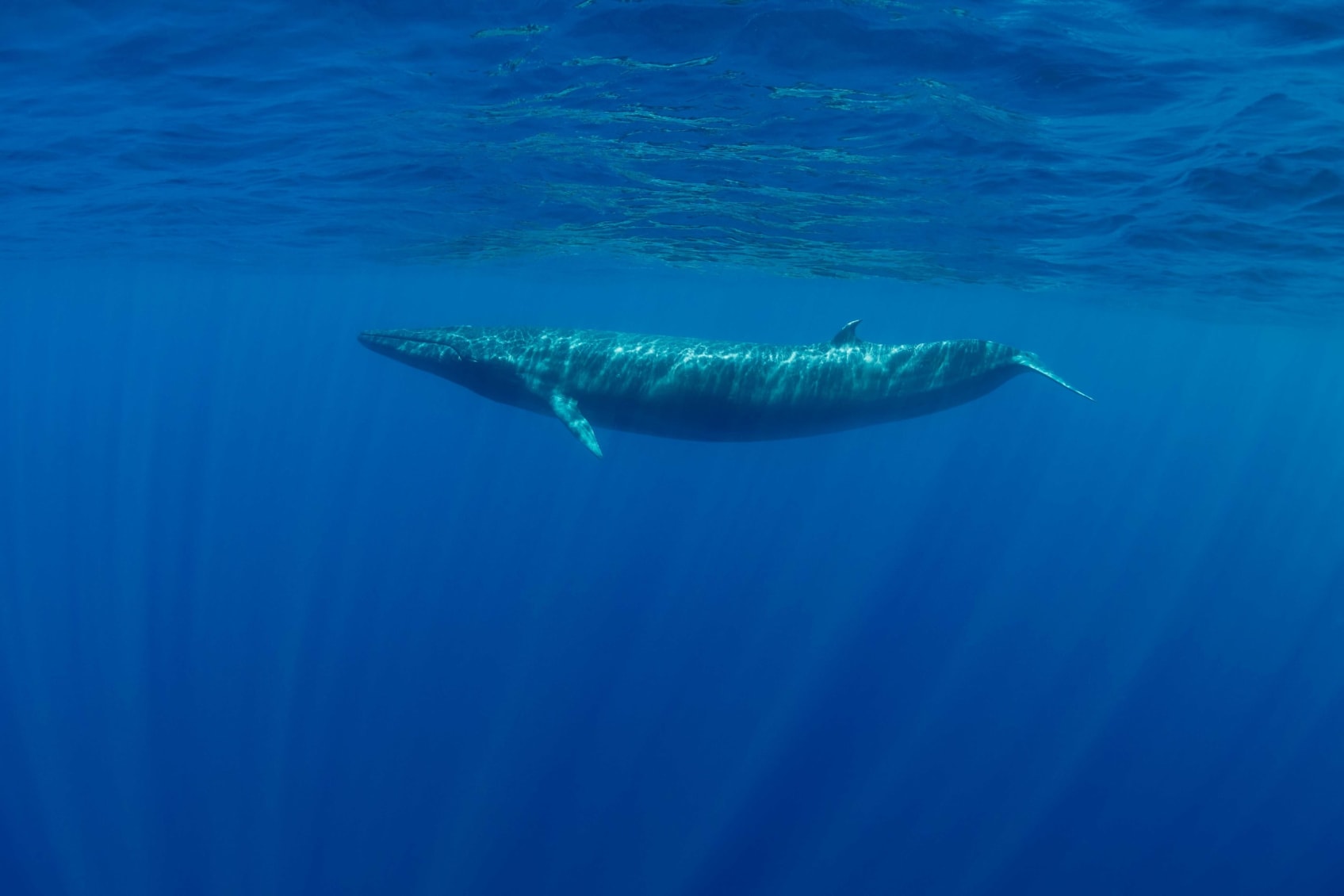
A few days earlier, in Majali, Karwar, I had met fishermen mending their nets late in the afternoon. Hesitantly, I approached and asked them about the sea and the creatures they encountered. By then, I had already learned that Konkani-speaking communities often called whales Devmasa. The moment I mentioned it, one of the fishermen looked up and casually said, “Oh, Devmasa, Peer Saheb…woh hamara bhagwan hai.” (…he is our god.) It was the first time I had heard someone address a marine mammal as peer or pir. The word pir comes from the Persian word for “elder” or “old one”. Across the Indian subcontinent, people use it for Sufi saints and other spiritual figures. After their death, the devout often continue visiting their dargahs to seek blessings, protection, or guidance. Calling a whale Peer Saheb places it in the world of a being to respect; one that people know and have a relationship with. Similar beliefs and practices exist elsewhere along the western coast. In Valsad, Gujarat, fishing communities have whale shrines, where they keep whale bones and treat them with great respect. Stories abound of people facing serious consequences for ignoring or disrespecting this deity.
Across the world, similar relationships between whales and coastal communities appear in different forms. In Vietnam, whale temples preserve the skeletal remains of stranded whales and worship them as Cá Ông, guardian spirit of the sea. Fishermen visit these temples seeking protection and an abundant catch. Interestingly, these sites have also become valuable to marine researchers, who study preserved whale skeletons to understand historical patterns of marine mammal distribution. In such places, cultural practices themselves become informal archives of ecological knowledge.
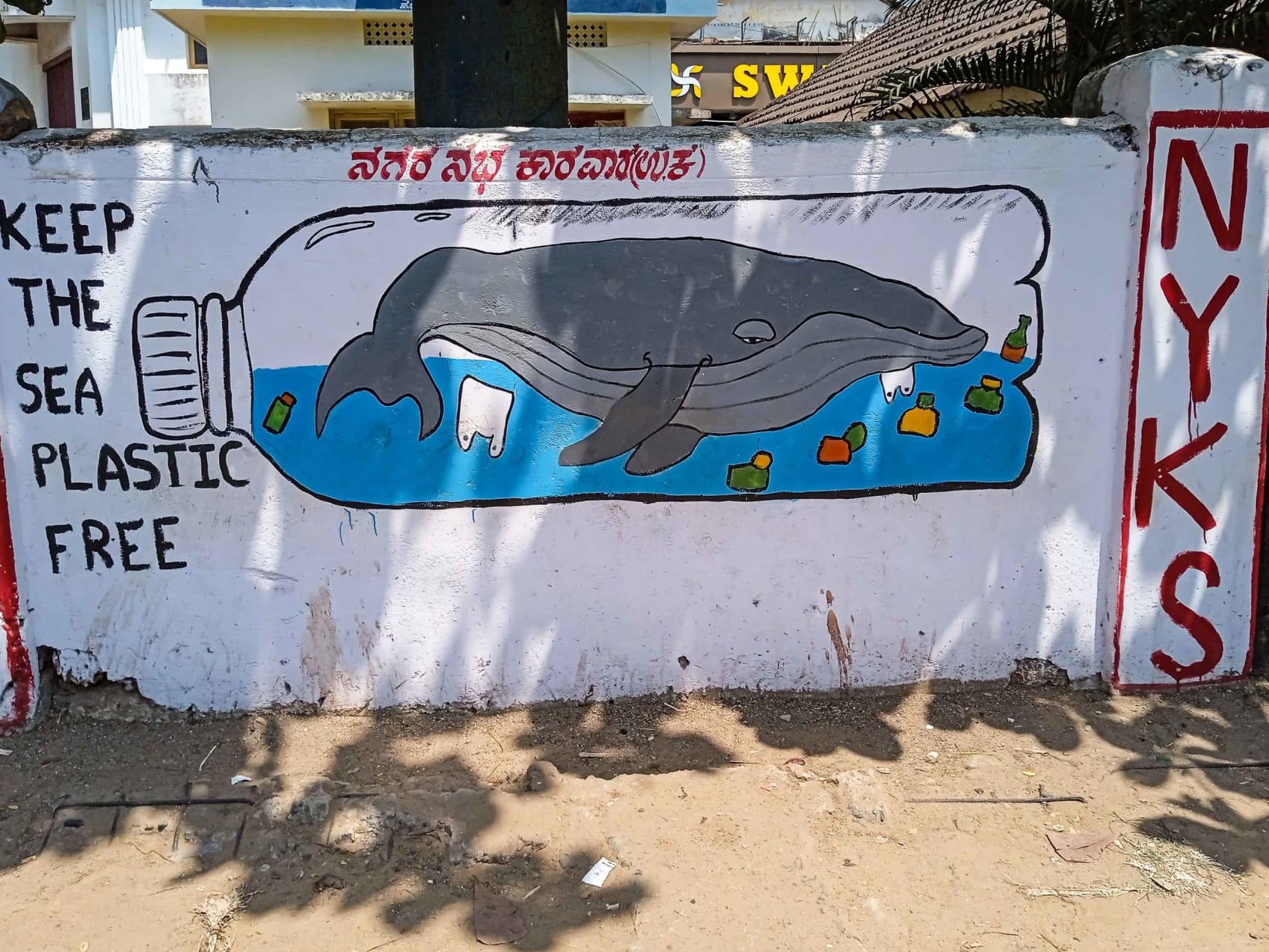
The idea is that nature’s worth is not only in its utility or abstract intrinsic value, but in the relationships humans build with it. Scholars describe this as relational value. These values are specific, lived, place-based, and non-substitutable. These values grow through ongoing connections, the bonds between humans and other beings, and the shared lives they shape together. A whale is more than a mere marine mammal in coastal Karnataka. It is Peer Saheb, Husseini machchi, Devmasa, Devara meenu, within this network of stories, beliefs, and practices. The names may come from different histories and experiences, but the reverence remains strikingly similar.
Fishermen told me Peer Saheb must not be harmed, disturbed, or approached with greed. Some fold their hands when a whale surfaces. Others recall warnings from their elders that disrespect invites misfortune. Long before the language of biodiversity conservation arrived here, stories had already done the work, teaching kinship, responsibility, care, humility, shared survival, and coexistence.
Protecting a species that is sacred
For decades, modern conservation efforts have treated cultural concerns as secondary and expendable. Its technocratic gaze has made stories and relationships seem irrelevant. Conservation is often framed through species assessment, ecological monitoring, management plans, and measurable targets. These are important tools, but they can also make the living world seem separate from people’s everyday lives.
Among the fishing communities around Karwar, however, the relationship feels less divided. Historian DD Kosambi noted that documented histories are often written from positions of power, while people’s histories survive differently: through songs, oral narratives, folklore, and everyday storytelling. These tellings stay alive because they are rooted in everyday life. They carry memories of danger, humour, fear, faith, loss, uncertainty, longing, and belonging. And through these stories, people continue to make sense of the world around them. As the anthrozoology scholar Margo DeMello argues, what an animal becomes within human society depends less on biology and more on culture and meaning.
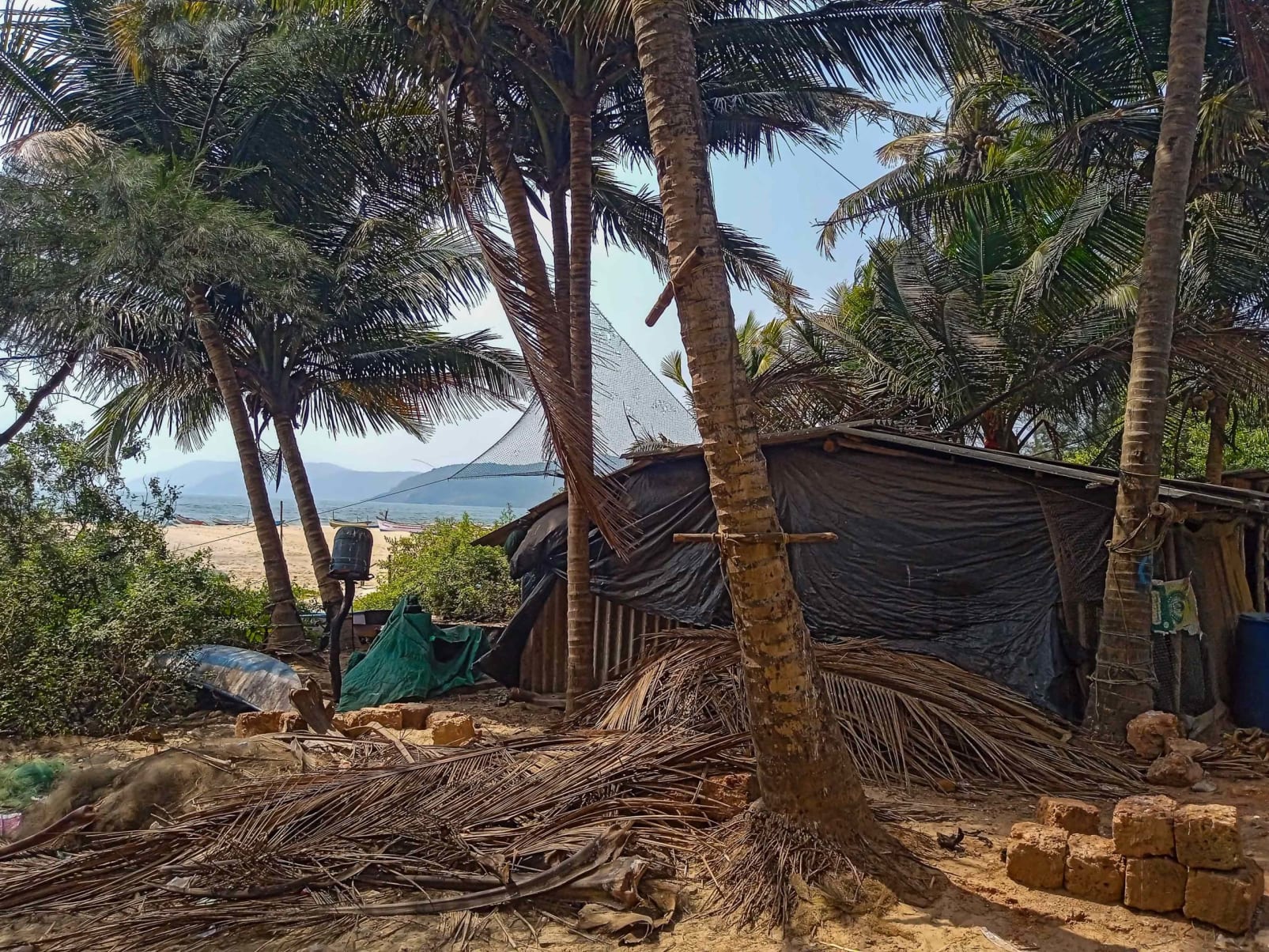
Perhaps that is why the fisher folks I met rarely spoke about whales as distant wildlife. Here, conservation is part of relationships and stories passed down through generations; it is not limited to monitoring and regulations.
Fishermen living barely five kilometres from here call it Peer Saheb. Why is it called Husseini machchi here?” I asked the fishermen, unable to hide my surprise. “People hold different beliefs, and many of them come from stories they have been told. Let me share the story passed on here, the narrative of Hazrat Yunus Ali Salam,” said an elderly fisherman from Maldarwada.
“Once, Hazrat Yunus set out on a journey by sea,” he began. “During the voyage, people on the boat started to believe that one among them was bringing misfortune to the boat, and that the sea would not calm until that person left. They cast lots, and Yunus was singled out. They threw him into the water, but Allah protected him. A great Husseini machchi appeared and swallowed him. Without harming him, it carried him safely within its body. People believe Allah commanded the Husseini machchi to protect Yunus and keep him alive. We believe Husseini machchi listens to the language of the Almighty. Also, they never cause us any harm. We feel they listen to us when we offer prayers to them. That is why we treat them with great respect.” This is a local version of a story found in the Quran, the Old Testament (Jonah and the whale), and the Tanakh (of Judaism).
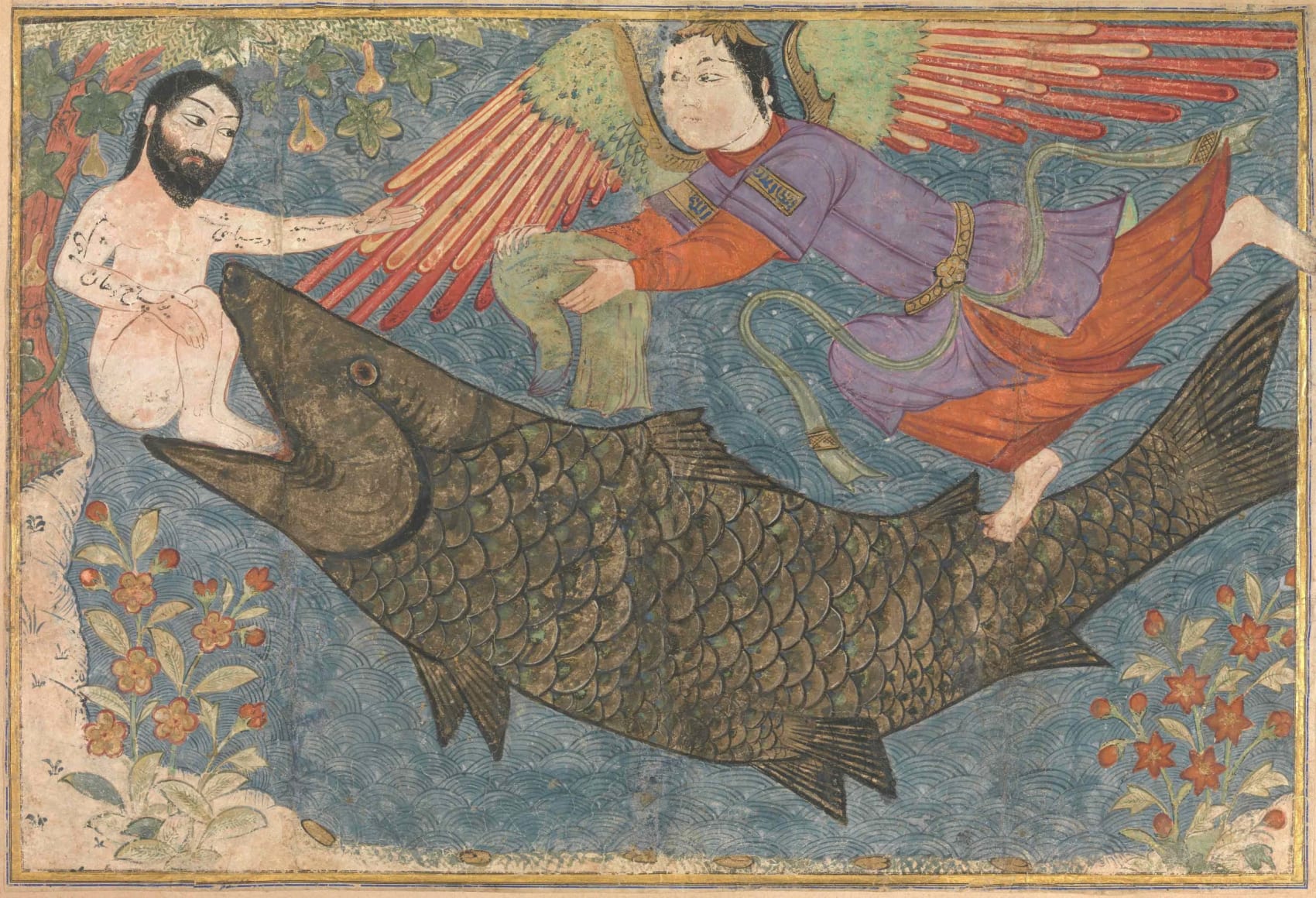
Over time, my approach to these beings began to change. Until then, I had often approached animals through categories I had learned elsewhere. But along this coast, whales existed in a different realm. They appeared through stories, prayers, warnings, gestures, memories, and everyday life by the sea.
What stayed with me through all these conversations, conducted under the celebrating Nature-Culture relationships programme at WCS-India, was the importance of listening. Not only listening to people, but also to the sea, to silence, to changing weather, to other beings (more-than-humans, I like to call them) and to the stories that travel across generations. None of the traditional fisherfolk spoke about coexistence as an abstract idea. It was simply part of living.
Maybe that was what I was beginning to understand from these journeys along the coast: coexistence does not always begin with expertise or control. Sometimes, it begins with the simple act of listening.
Stories We Inherit is a new series created with WCS-India and Canopy Collective. Its stories come from their joint seven-month Nature-Culture Fellowship, which shifts the narrative of human-wildlife relationships from conflict alone to the rich and varied relationships between people, culture, and nature.
About the Author