Listen to this article
•
15:34 min
Listen to this article
•
15:34 min
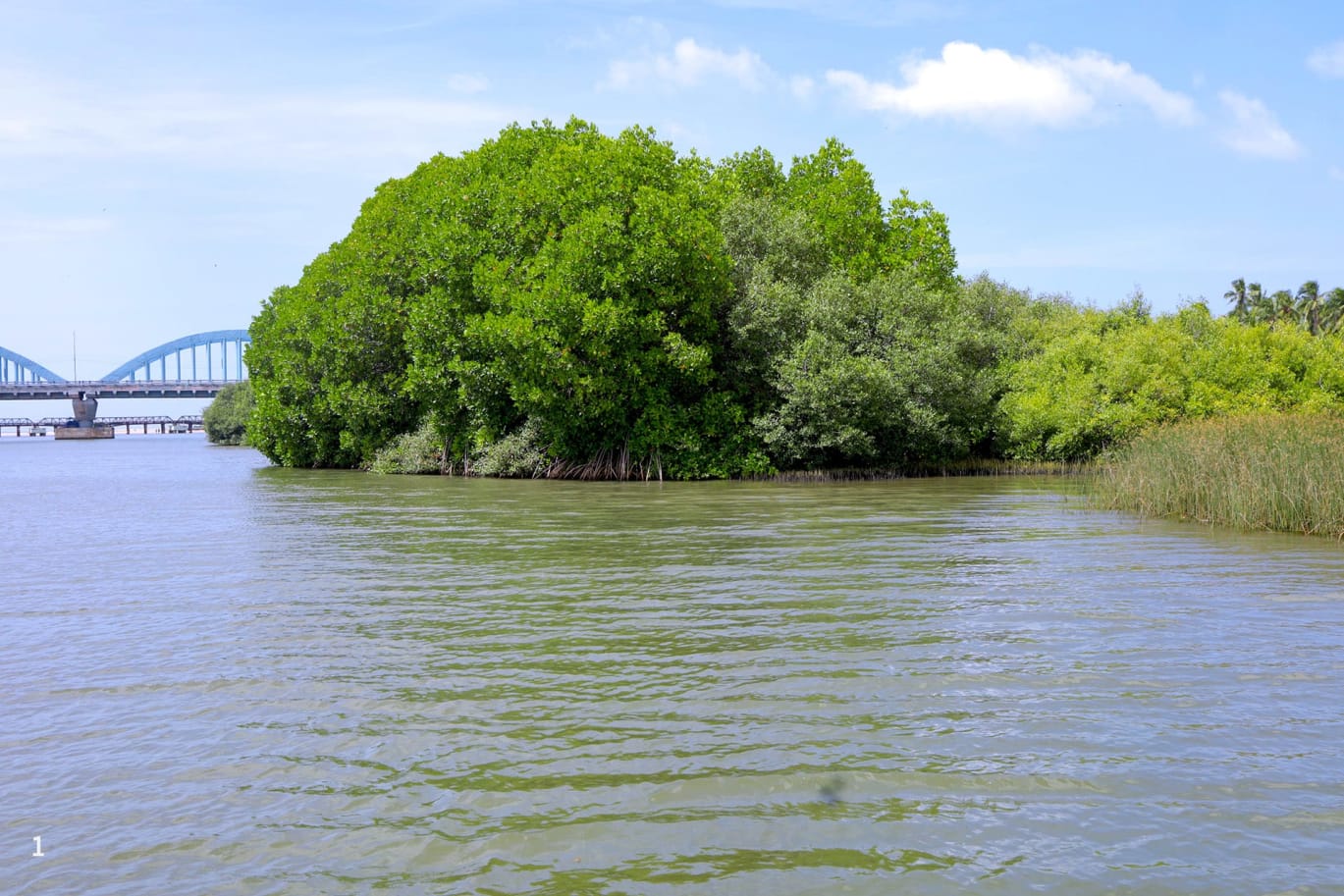
Manakudy, a small village in Tamil Nadu lies about 10 km from Kanyakumari Beach, at India’s southernmost tip and one of South India’s most sought-after tourist spots. While the Kanyakumari district has numerous coastal villages with estuaries, Manakudy stands out. Its estuary isn’t barren; mangroves cover nearly 90 per cent of it, making this coastal village one of the most important biodiversity zones in the district, and in Tamil Nadu.

Nalini Nayak, 78, is the co-founder of SEWA (Self-Employed Women’s Association), activist and trade unionist. In the late 1980s, she implemented a mangrove regeneration project at Chettuva, Kerala, with support from The Ashoka Fellowship. Around the same time, she attended a seminar in Nagercoil, where two professors from the ST Hindu College presented a paper on dead estuaries, citing Manakudy as one such example. “My interest was piqued; I quizzed them on what a dead estuary was and suggested growing mangroves there. They thought it was an impossible concept but agreed to work with me and give it a try,” Nalini remembers.
In 1992, she visited Manakudy along with a small team: herself, Mariyadasan, a Manakudy native with whom she had a long acquaintance through her work with the coastal communities, the two professors, and a couple of their students. They hired a boat to travel around Manakudy’s estuary and planted more than a hundred mangrove saplings all over it.
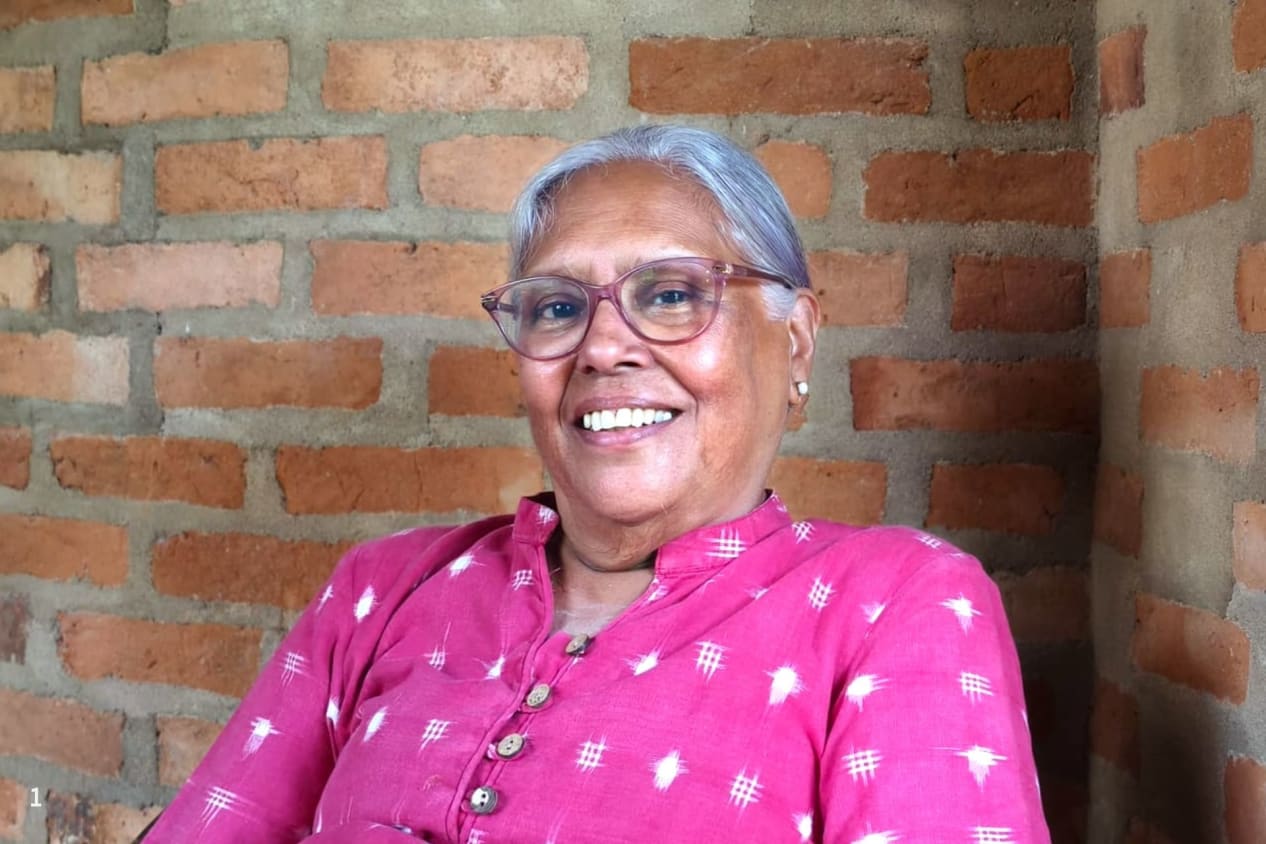

“Now what?” The professors asked me. I told them, “Now you wait; you come back here after a month or so and check the progress”, she said.
After a month, the students rang her and excitedly reported they could see the growth of several mangroves they had planted. A year later Nalini and the same team visited the site and were pleased to find the mangroves had taken root and grown taller.
“I asked the two professors, ‘Is this a dead estuary now?’” she laughs, recalling the moment.
“When the mangrove growth was rich enough, we decided to plant a second variety of mangrove as well,” she said. The first set had been the loop-root mangrove, and the second was the Indian/grey mangrove.” The mangrove vegetation in Manakudy thrived in subsequent years. The local panchayat initiated a boat tourism project centred around the mangroves, which had become a breeding ground for diverse fish species and a nesting site for migratory birds.
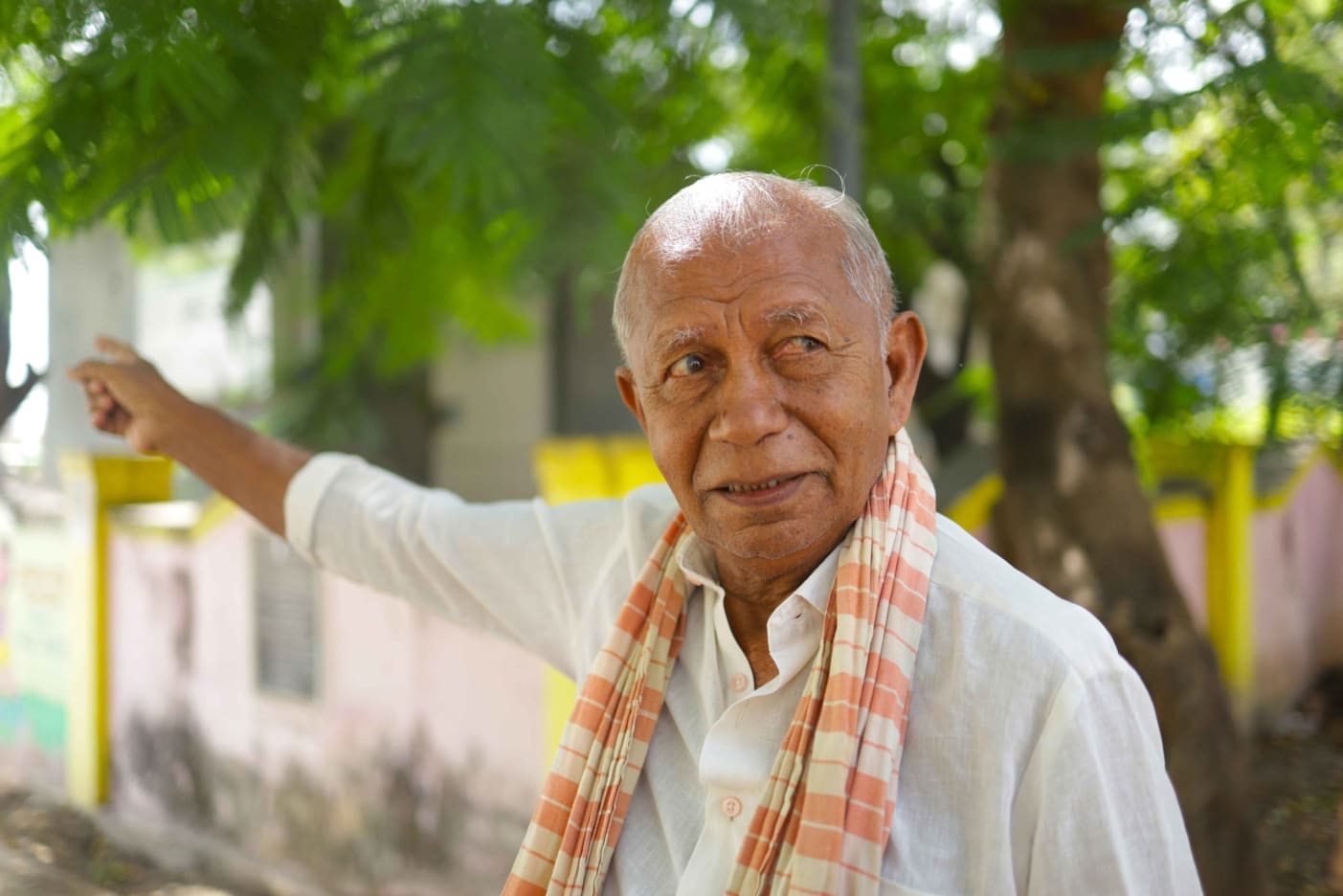
Mariyadasan, 83, watched the mangroves grow and withstand the many challenges of nature for more than 30 years. Since 2023, five tourist speedboats have been introduced into Manakudy Lake. Mariyadasan and many other community members consider this a serious threat to aquatic life and the mangrove ecosystem. The boats’ propellers and the oil pollution they cause are particularly hazardous for the lobster-shrimp population, naturally flourishing in the estuary.
Mariyadasan credits the mangroves entirely for Manakudy’s rise as a popular tourist destination. Before that, it was just another small coastal village, barely known to the outside population. Manakudy’s mangroves grabbed state-wide attention in 2004, when the tsunami caused devastation in the southern coastal region, and though Manakudy was in the tsunami’s path, it was protected. “We were astounded by the resilience of the mangroves, as they stood against the violent waves of the tsunami!” Mariyadasan recalls. “The places in Manakudy located away from the estuary faced devastation, including 126 deaths. But the region that lay directly behind the river/estuary was unaffected. That’s when the people of this village really understood, and appreciated, the importance of the mangroves here.”

Vinod Sadasivan, a wildlife conservationist with more than 15 years of experience and founder of Kanniyakumari Nature Foundation (KNF), has been working closely with the Tamil Nadu Forest & Wildlife Departments, focusing on Manakudy. Rajakkamangalam, another coastal village in Kanyakumari, is the only other place in the district where mangroves occur, though on a significantly smaller scale than in Manakudy. The restoration of mangroves in Rajakkamangalam started only after the devastation the 2004 tsunami wrought. The conservation organisation SEEDS (Sustainable Environment and Ecological Development Society) has also been involved in mangrove conservation activities in the village.
While the Forest Department has encouraged mangrove restoration in more regions across Kanyakumari, the lack of space is a major issue, Vinod says. KNF’s survey measures the Manakudy mangroves to be around 30 hectares, across a length of 8-10 km, while the total mangrove habitat across Kanyakumari is just over 35 hectares, Vinod reckons.
One of the key challenges of planting mangroves in Kanyakumari is that many rivers in the district dry out before reaching the ocean, hindering mangrove growth. Also, the Tamil Nadu government’s proposal for a SIPCOT (State Industries Promotion Corporation of Tamil Nadu) wing in Manakudy to drive stronger industrial growth in the district could pose a massive threat to the region’s mangrove ecosystem, Vinod fears.

S Sreevalsan, Assistant Conservator of Forests, Kanyakumari, in the TN Forest Department, tells me about projects in Manakudy, including establishing a Biodiversity Management Committee and creating a mangrove nursery capable of producing up to 20,000 trees. Manakudy had been declared a conservation reserve by the TN government in 2012, making it integral to official plans since then. “The DFO has recently sent a couple of proposals to the headquarters in Chennai, which include the restoration of the Rajakkamangalam mangroves also. We have sought funds to preserve the mudflats near Manakudy as well,” Sreevalsan adds.
In the years after the Manakudy project succeeded, other similar ventures emerged. M S Swaminathan became a notable figure in the regrowth of mangroves in several other regions of Tamil Nadu. “Most people mistakenly think that that was the start of ‘growing mangroves from scratch’ in the state. But the Manakudy project was technically the first. The key difference is that Swaminathan’s projects were funded and consisted of large teams planting mangroves. But we did the same with a team of six,” Nalini notes.
Mariyadasan feels that the mangroves have grown a bit too wild now, and it’s impossible to go inside them these days. Praveen, a Manakudy native and fisher by trade, is a member of SIFFS (South Indian Federation of Fishermen Societies) in the region. He and others in the union look after the mangroves, the wetland, and the marine ecosystem. “We have approached the local government and authorities to restrict the authorisation of any more tourist boats in the estuary,” Praveen says. “Our generation grew up witnessing the growth of these mangroves and know how it saved this village from being erased by the tsunami. There are people like me who can look after the habitat now. I’m a little sceptical about the future though,” he muses.
About the Author