Listen to this article
•
15:34 min
Listen to this article
•
15:34 min
There is something Doctor Strang-esque about an urban wild space. It conjures up an inter-dimensional portal, where you enter through a gate from an extremely urban, concrete backdrop with cars, traffic, noise, and throngs of people into a place with trees, fresh air, a literal temperature drop, and an instant sense of calm.
Kambalakonda Wildlife Sanctuary in Visakhapatnam, Andhra Pradesh, is a pause from the city’s constant conversation with you. As you drive towards it, or past it, houses on the sides of the road give way to trees and open meadows, with small hills rising in the distance.
A 70-sq-km tropical dry evergreen forest, Kambalakonda was declared a wildlife sanctuary in 1970, making it a priority for authorities to spend resources towards its protection.
When a city holds a wildlife sanctuary within its boundaries, it means something for its citizens. In Mumbai, where I live, Sanjay Gandhi National Park and parts of Aarey hold the city’s green lungs. Thanks to this urban jungle, people share space with wild animals, plants, and insects, including the 54 (at last count) leopards that roam free. It means a place where citizens can enjoy a forested area without leaving city limits.
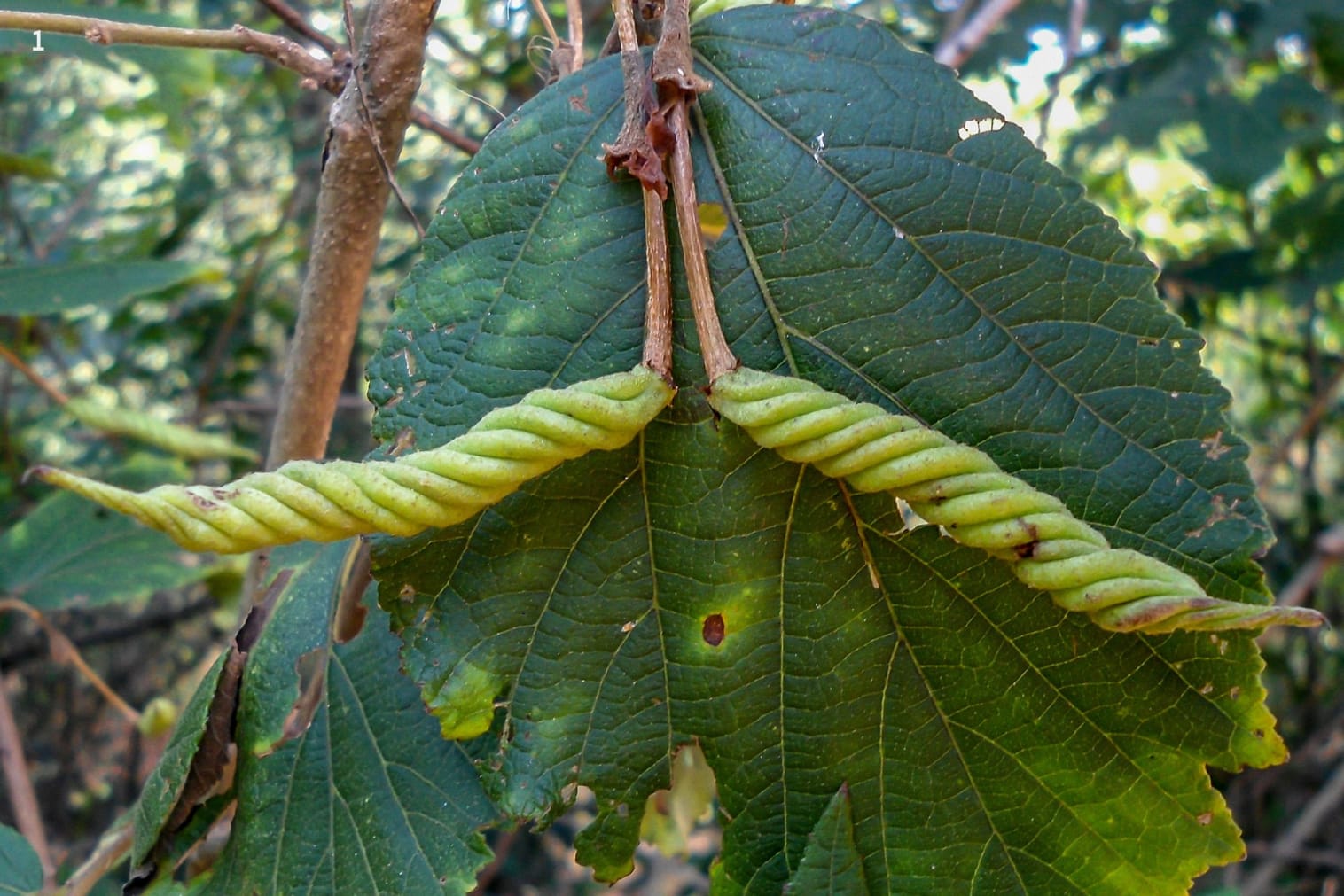
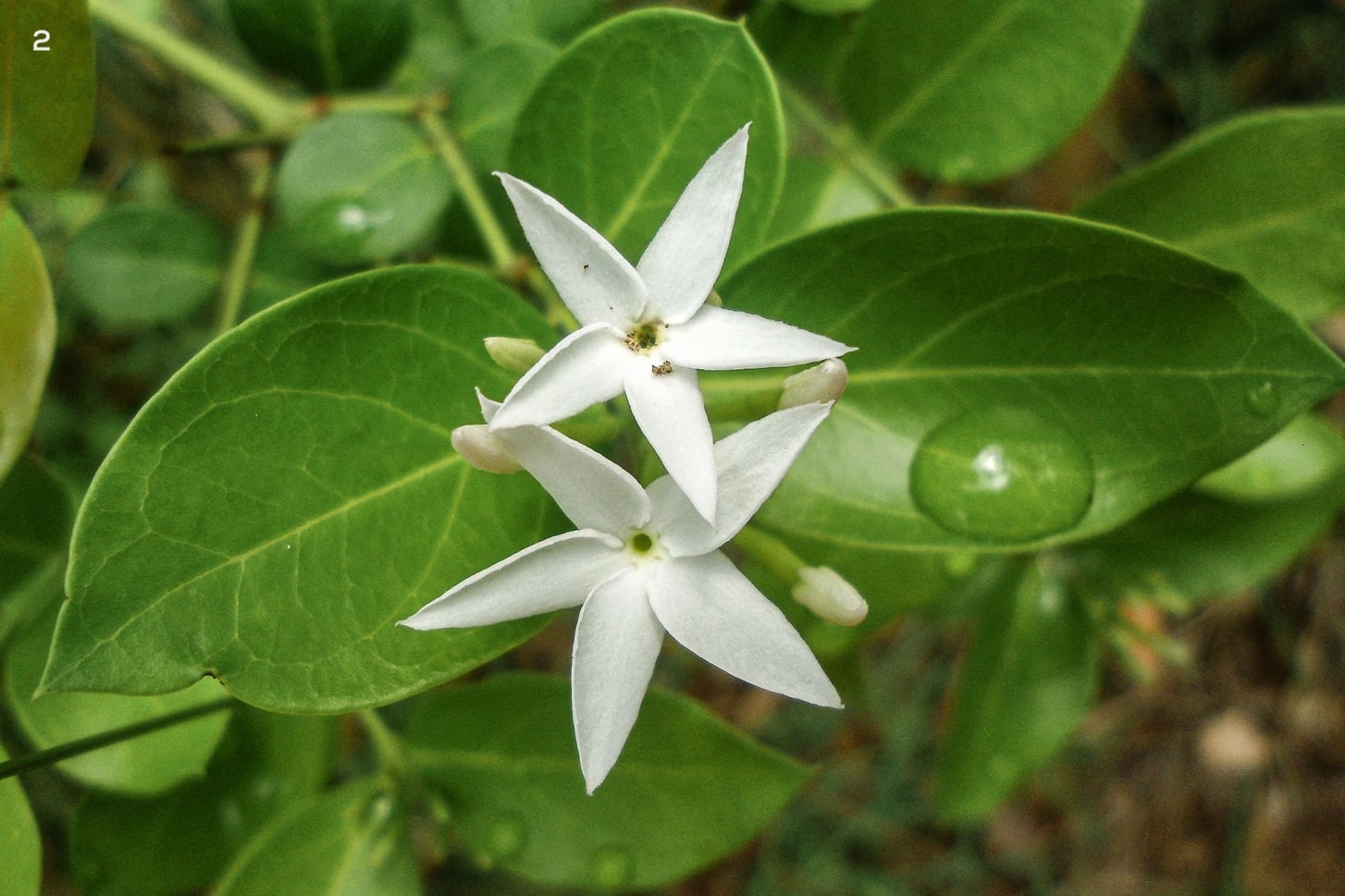
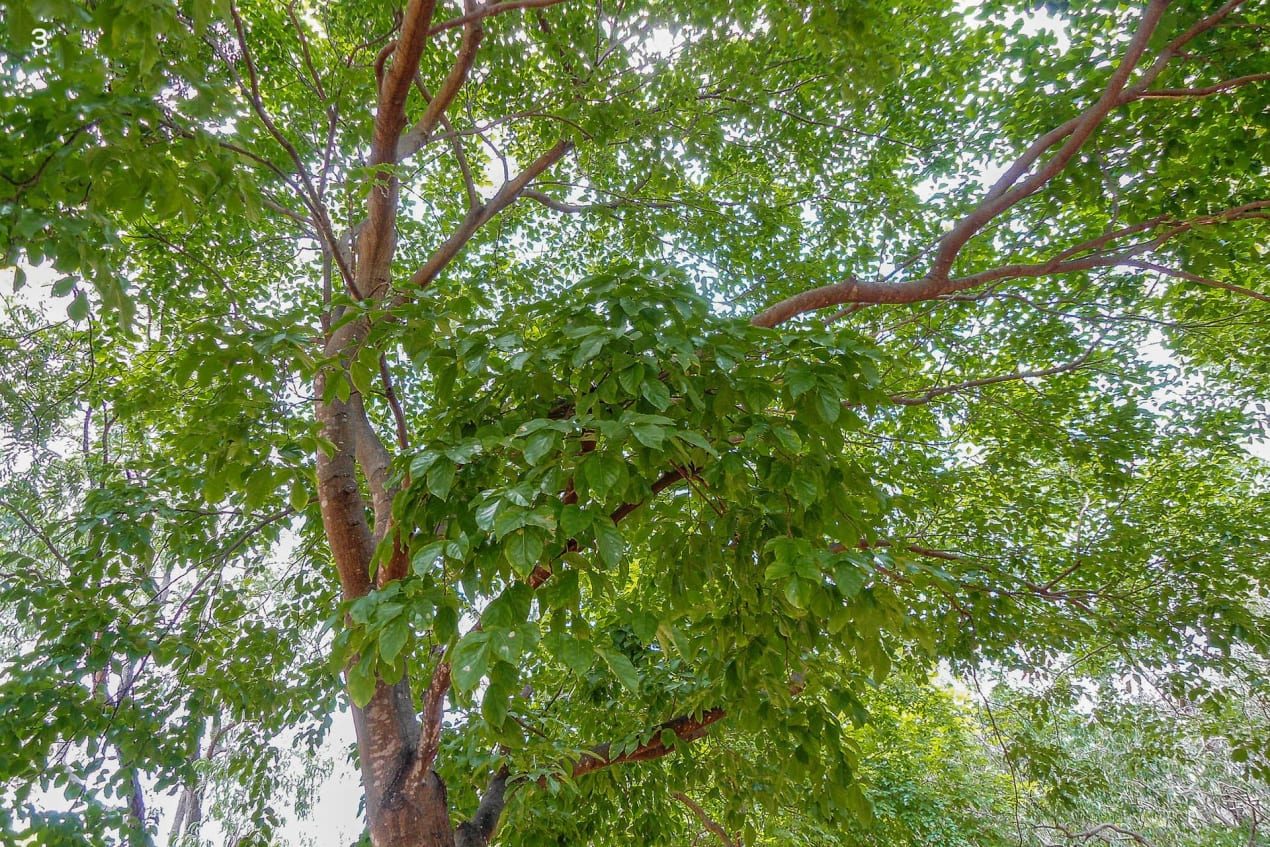
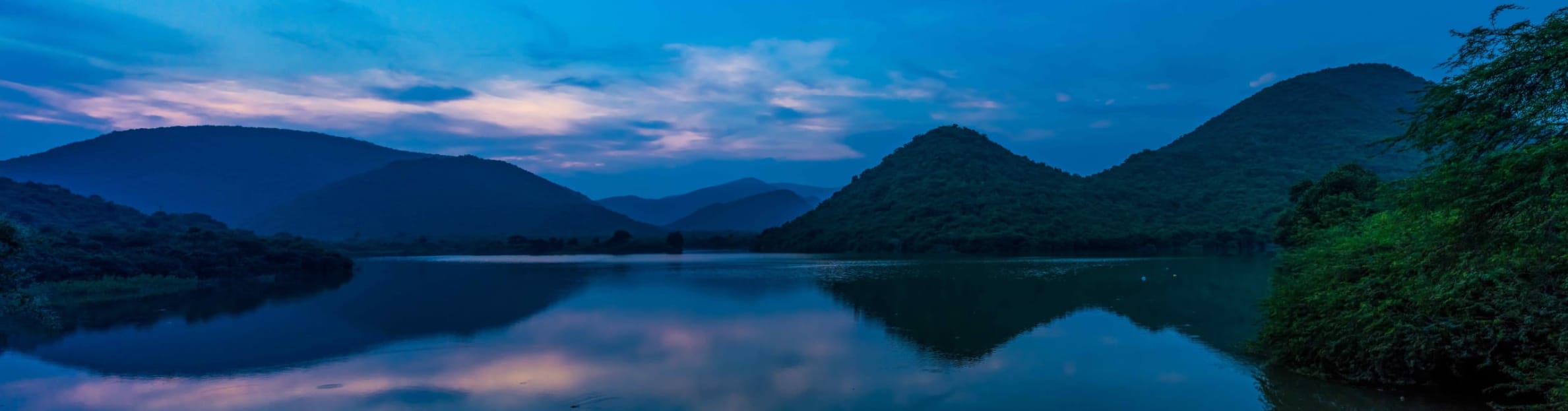
Cover photo: Located on the northern edge of Visakhapatnam, the Kambalakonda Wildlife Sanctuary hugs the coast and overlooks the Bay of Bengal. Its forest, interspersed with meadows, small waterbodies and streams, is home to rich wildlife. Photo: Dhritiman Mukherjee
An Orchidarium and a Nature Information Centre
Kambalakonda Wildlife Sanctuary in Visakhapatnam is an accessible forest. The sanctuary houses a nature interpretation centre dedicated to the Eastern Ghats and an orchidarium. Built as a part of the forest department’s eco-tourism initiative, the Eastern Ghats Biodiversity Centre and the orchidarium familiarise visitors with the diversity of the region.
The orchidarium’s curated rainforest flora, including orchids, mosses, and indoor plants, illustrates how plants adapt across diverse ecosystems. Climate-control systems maintain temperatures below 30 degrees C, even during 40-degree summer weather. To replicate natural forest canopies, orchids are shaded from direct sunlight and extreme heat — in the wild, they would grow under canopies that provide the right conditions. Boards urge you to try an activity such as matching species names to photos. The small souvenir store run by local women outside the nature interpretation centre sells colourful masks and animal-themed items made in a nearby workshop. The glue is made from tamarind seeds (also used to craft the famous wooden toys of Kondapalli).
Trails to wild places
On birdwatching trails leading away from the nature interpretation centre, the vegetation is a mosaic of evergreen trees, scrub, open meadows, and rocky slopes, characteristic of the Eastern Ghats. A stroll down the trail leads to teak (Tectona grandis), neem (Azadirachta indica), red cutch (Senegalia chundra), and Indian rosewood (Dalbergia sissoo) trees. In a scrub forest patch, the Indian screw tree (Helicteres isora), which blooms in late winter, catches my eye with its flamboyant red flowers.
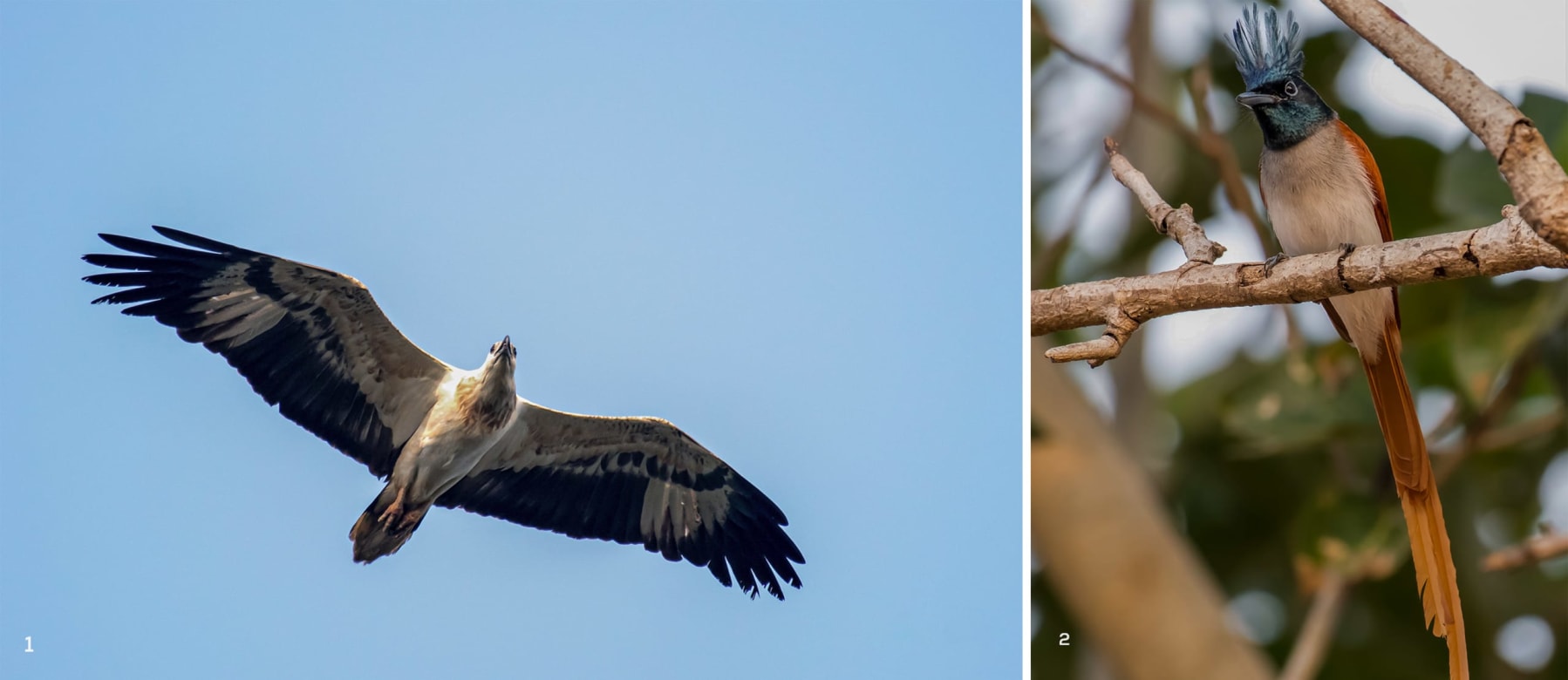
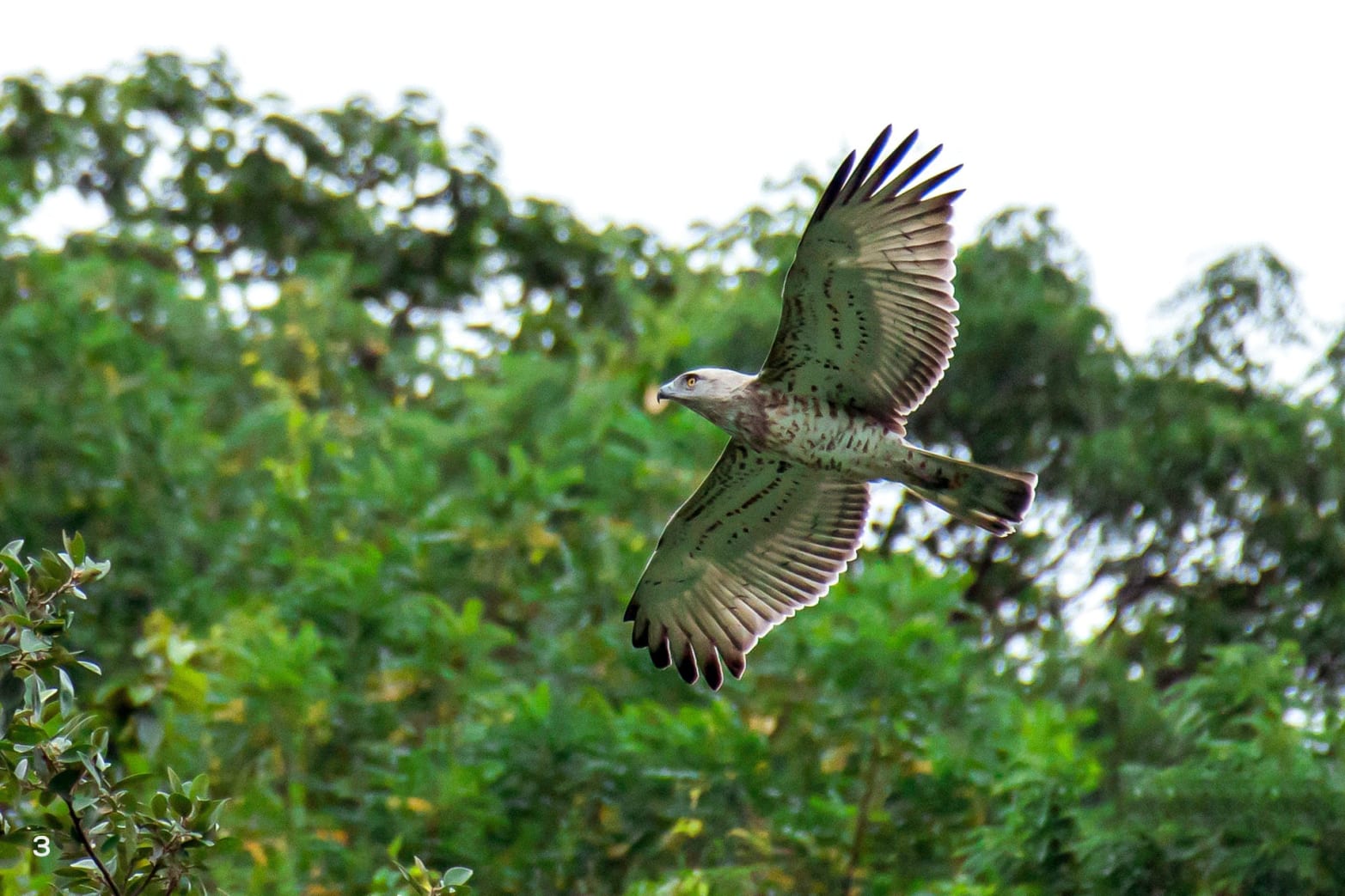
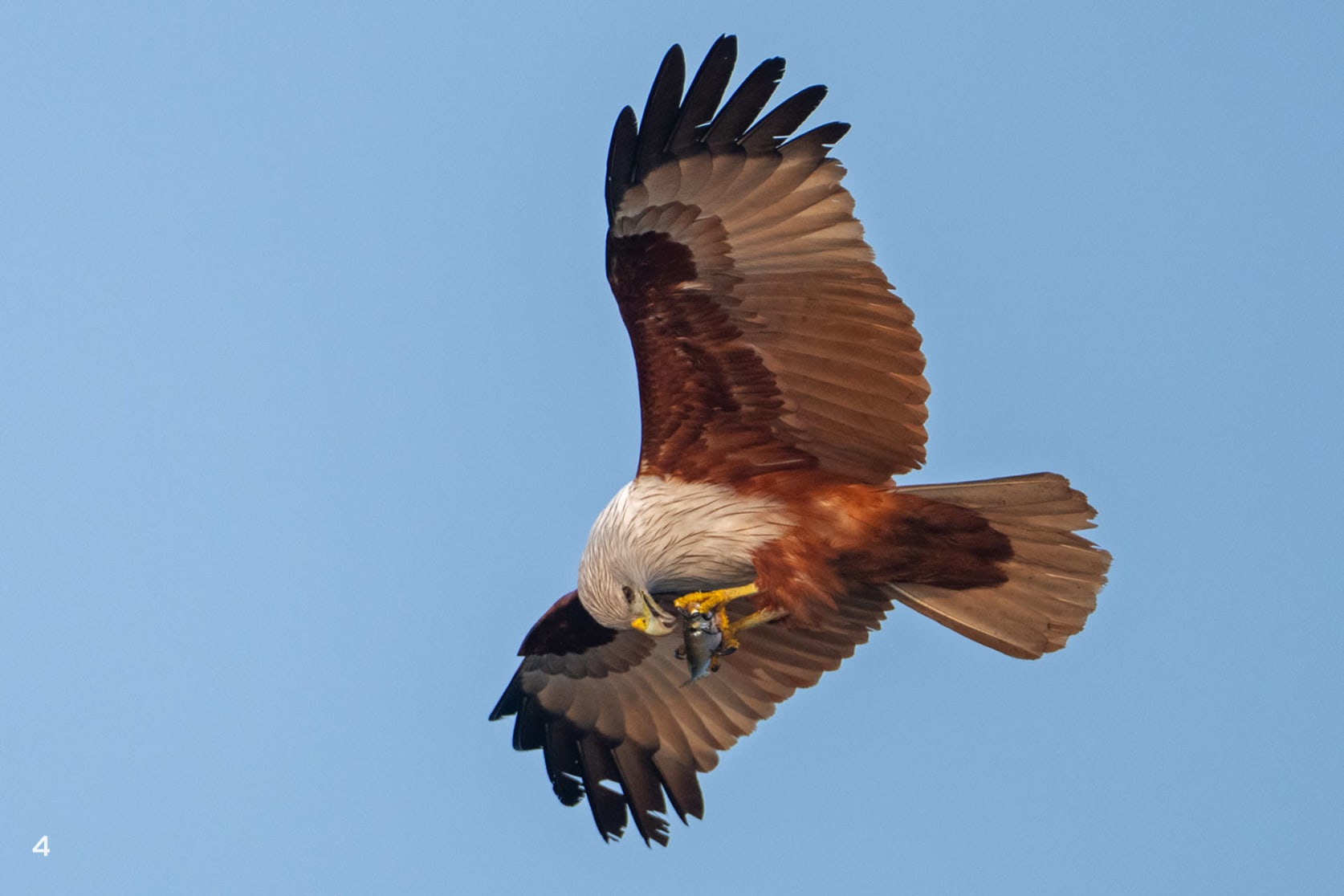
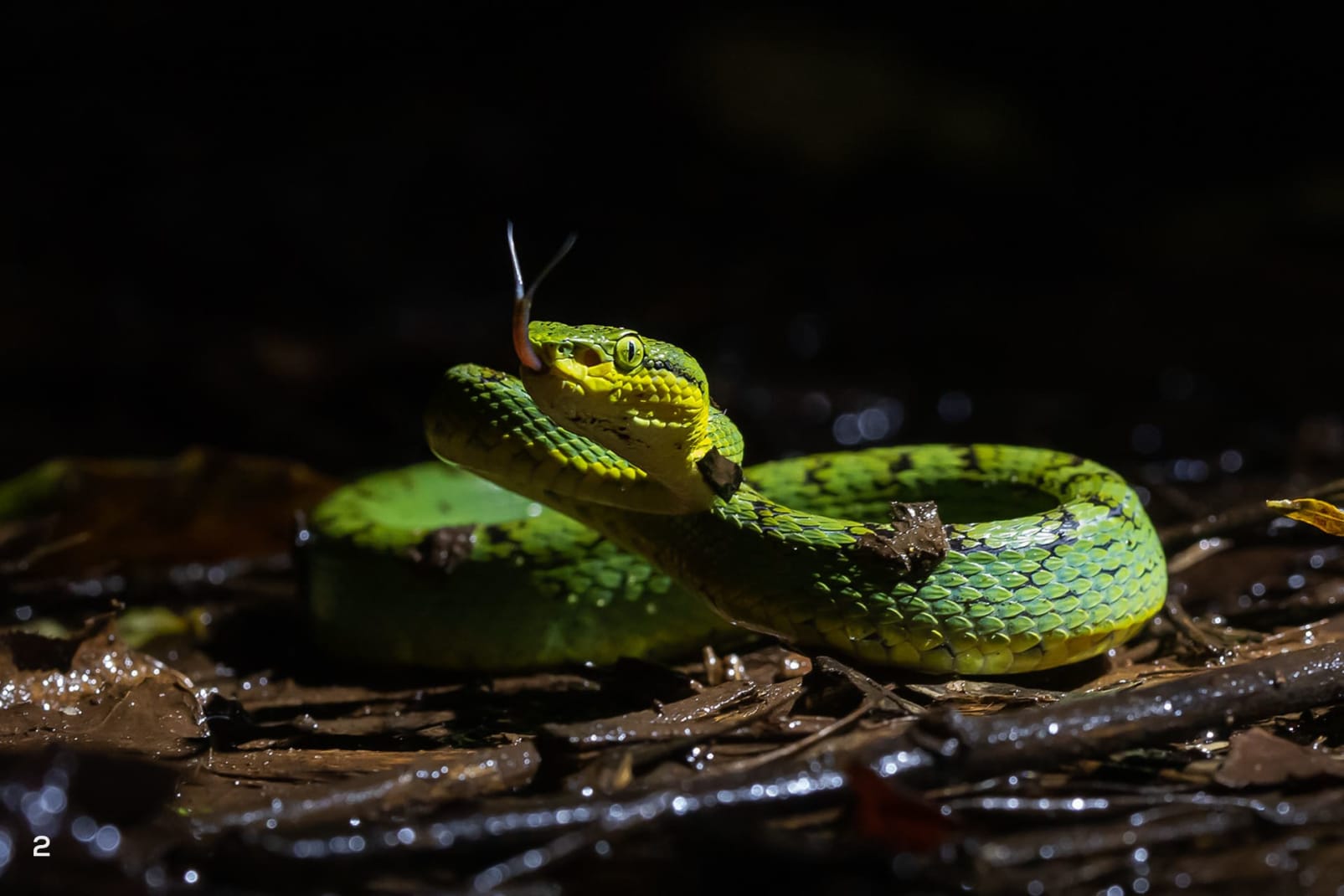
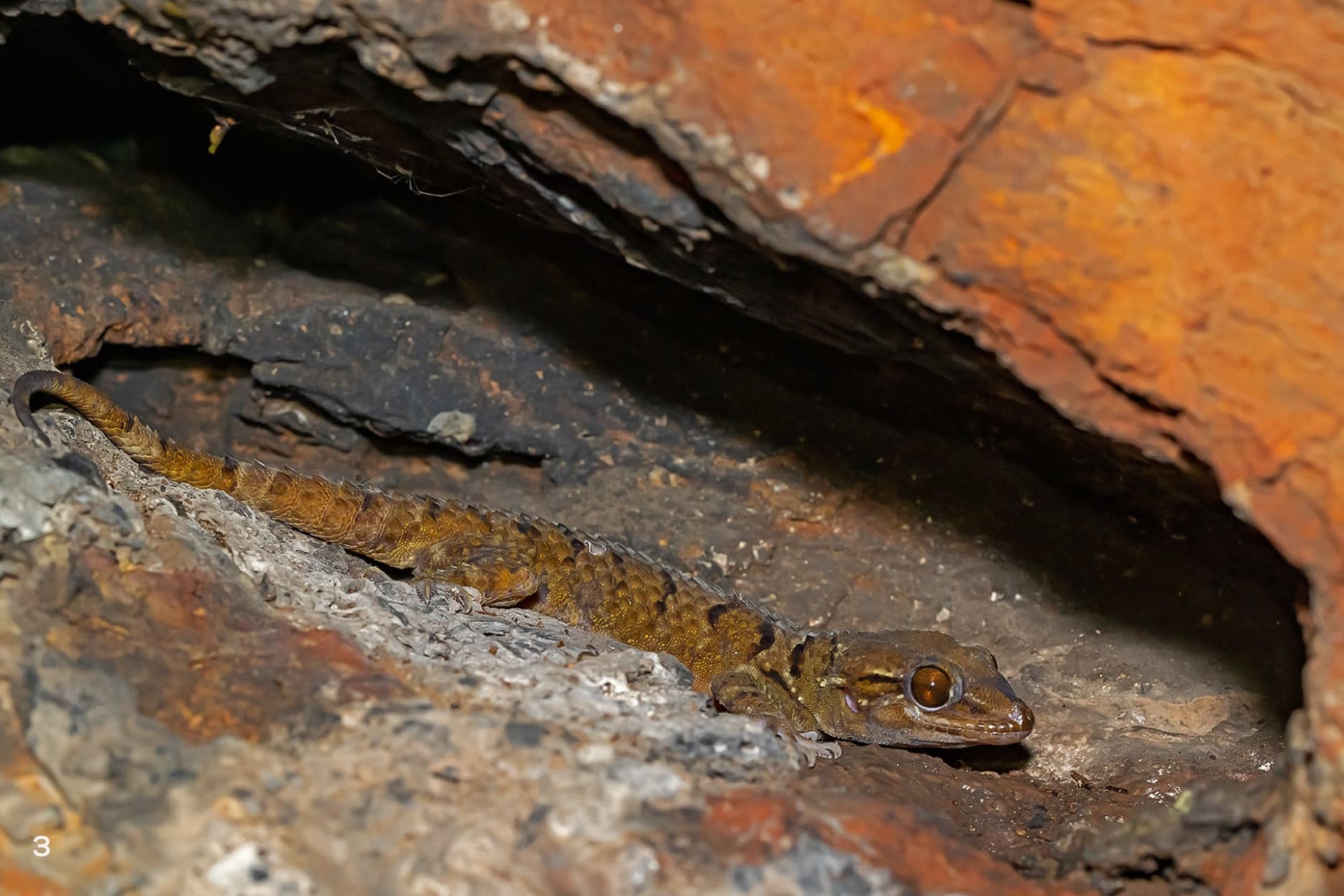
There are leopards (Panthera pardus) in the forest, just as there are in Mumbai, and you might see snakes like the bamboo pit viper (Trimeresurus gramineus), Russell’s viper (Daboia russelii), Indian cobra (Naja naja), or even the Indian python (Python molurus). But it is the birdlife that is the delight on early morning strolls. You can glimpse gorgeous birds like the Indian paradise flycatcher (Terpsiphone paradisi), golden oriole (Oriolus kundoo), pied kingfisher (Ceryle rudis), black-shouldered kite (Elanus caeruleus), and shikra (Accipiter badius). Walk for half an hour, and you will come upon a perennial waterbody where you can sit and wait for birdlife — earlier is better, as the boating on the water later in the day may frighten the birds away.

A green neighbour
On the other side of the sanctuary is Simhachalam, a temple surrounded by a forest. The draw here is the temple, not the wilderness it hosts. The temple, dedicated to Narasimha, an avatar of Lord Vishnu, attracts lakhs of devotees annually. Simhachalam means “hill of the lion”, a nod to the story of Prahlad and Hiranyakashyap. The hill marks the sacred site where Lord Vishnu (as the man-lion Narasimha) rescued his devotee Prahlad from persecution by his demon-king father Hiranyakashyap. Built in the 11th century, it continues to attract tourists to Visakhapatnam, with the faithful climbing the steps to the temple and pausing at smaller shrines along the way.
The road leading to the temple has loudspeakers mounted on poles, carrying the sound of temple bells ringing over the landscape. However, the forested areas around the temple host rich biodiversity, similar to Kambalakonda. You can encounter the same type of wildlife, experience the same clean air, and navigate similar trails here. And despite not being a designated sanctuary, it adds to the wild spaces that Kambalakonda already offers, making the city greener and stronger.
In metros, people often feel distant from nature, their lives consumed by busyness and the struggle to make ends meet. The idea of vacationing in forests and “natural” landscapes is like missing the forest for the trees that are literally a short distance from their homes. City forests become opportunities to learn about the natural world — over weekends, on morning walks before work, and as a literal school for students to learn about life beyond their textbooks and gadgets.
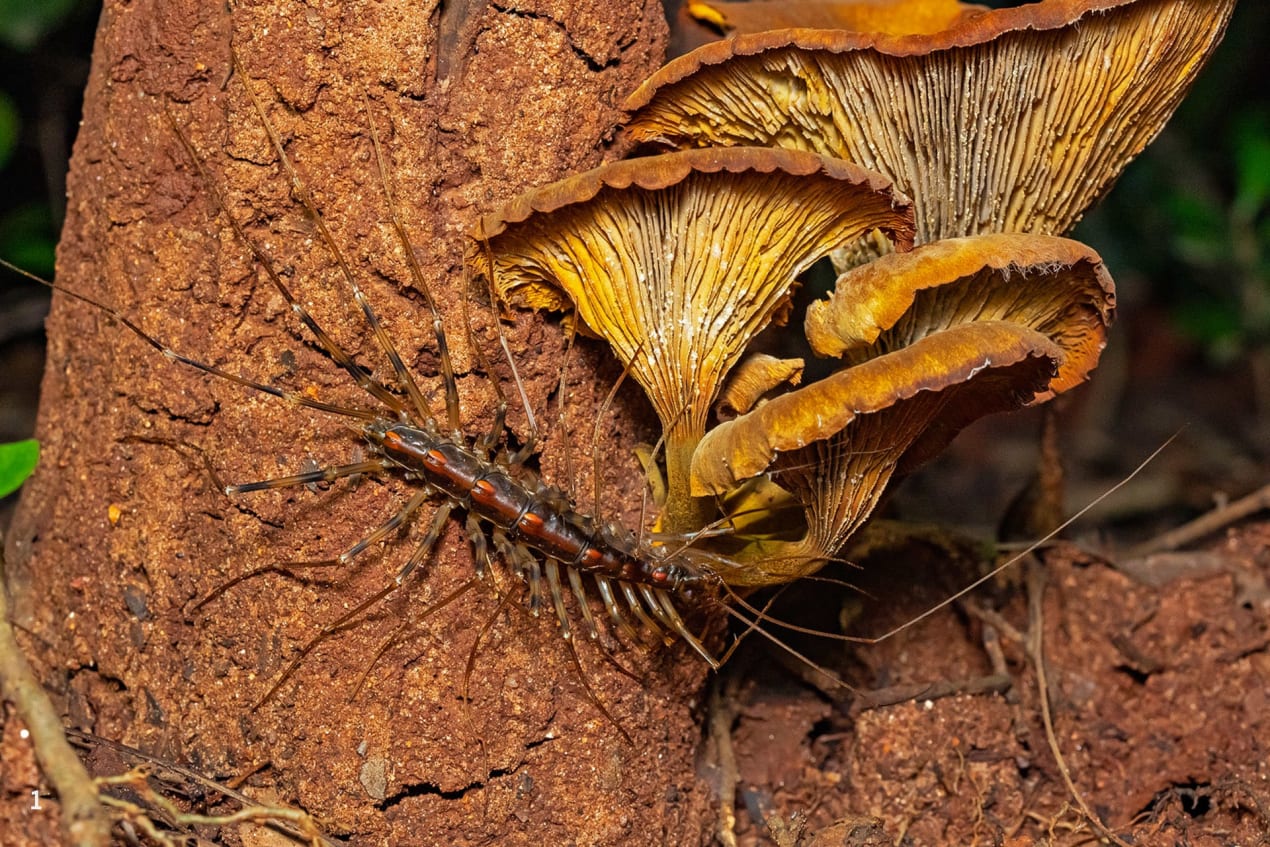
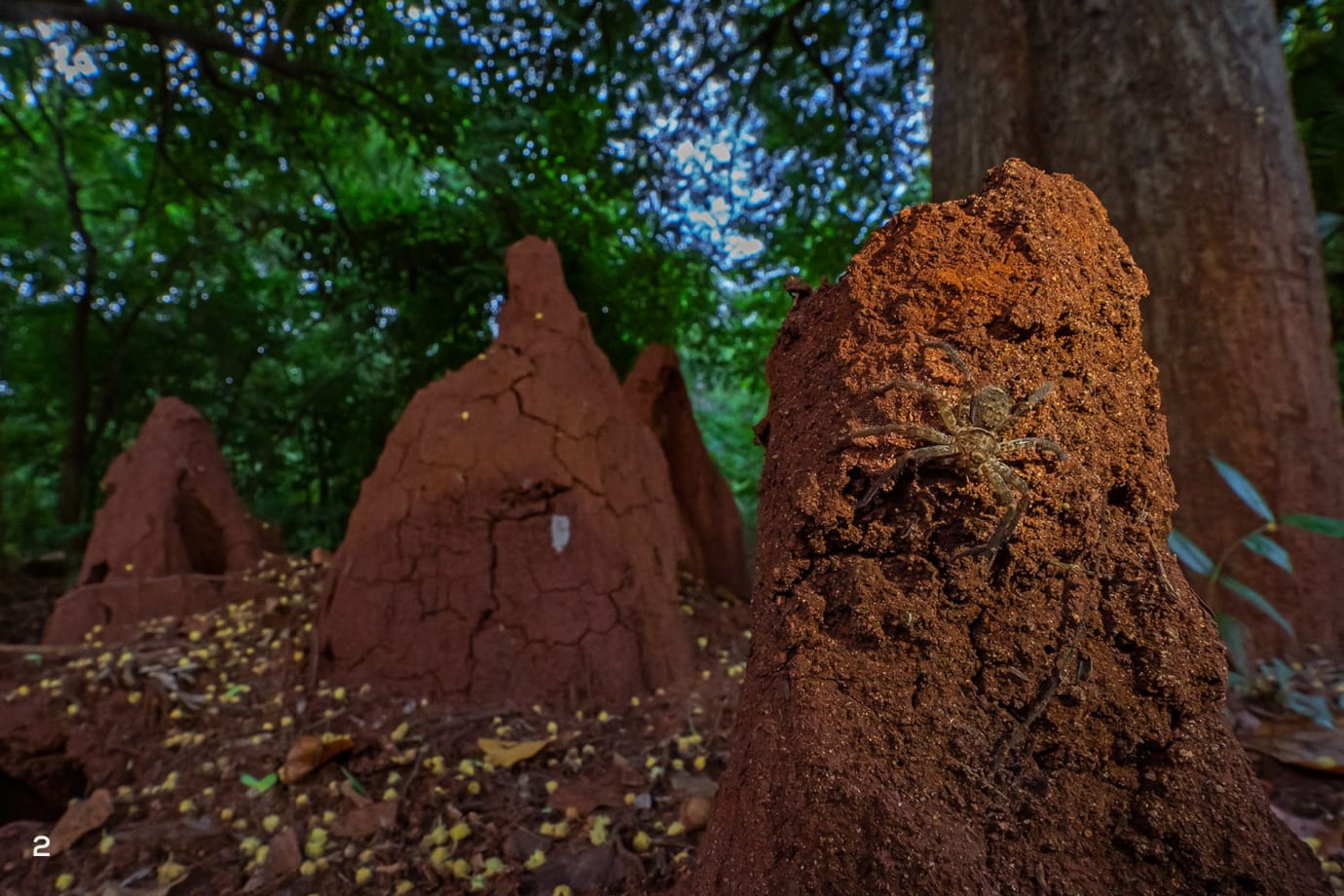
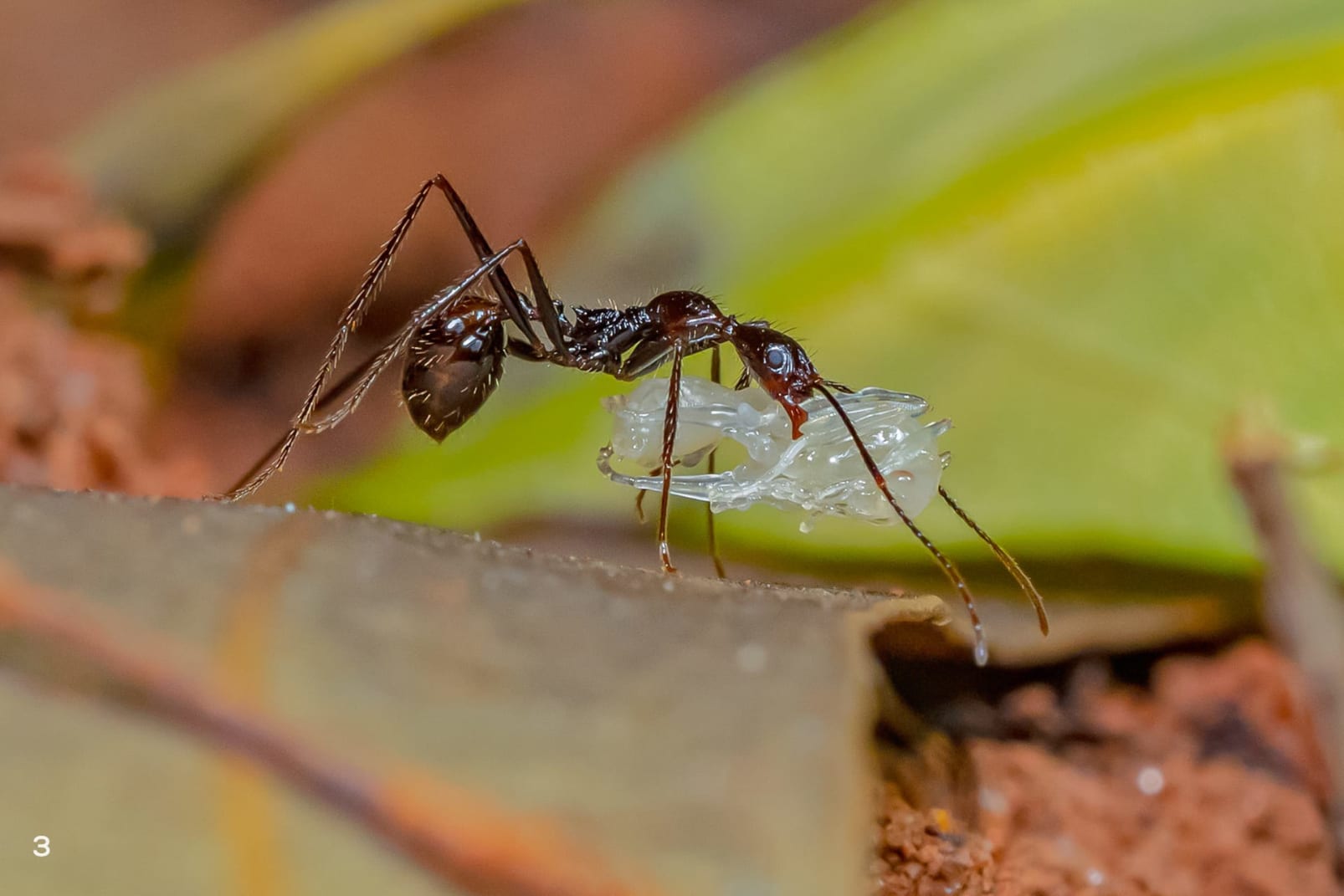
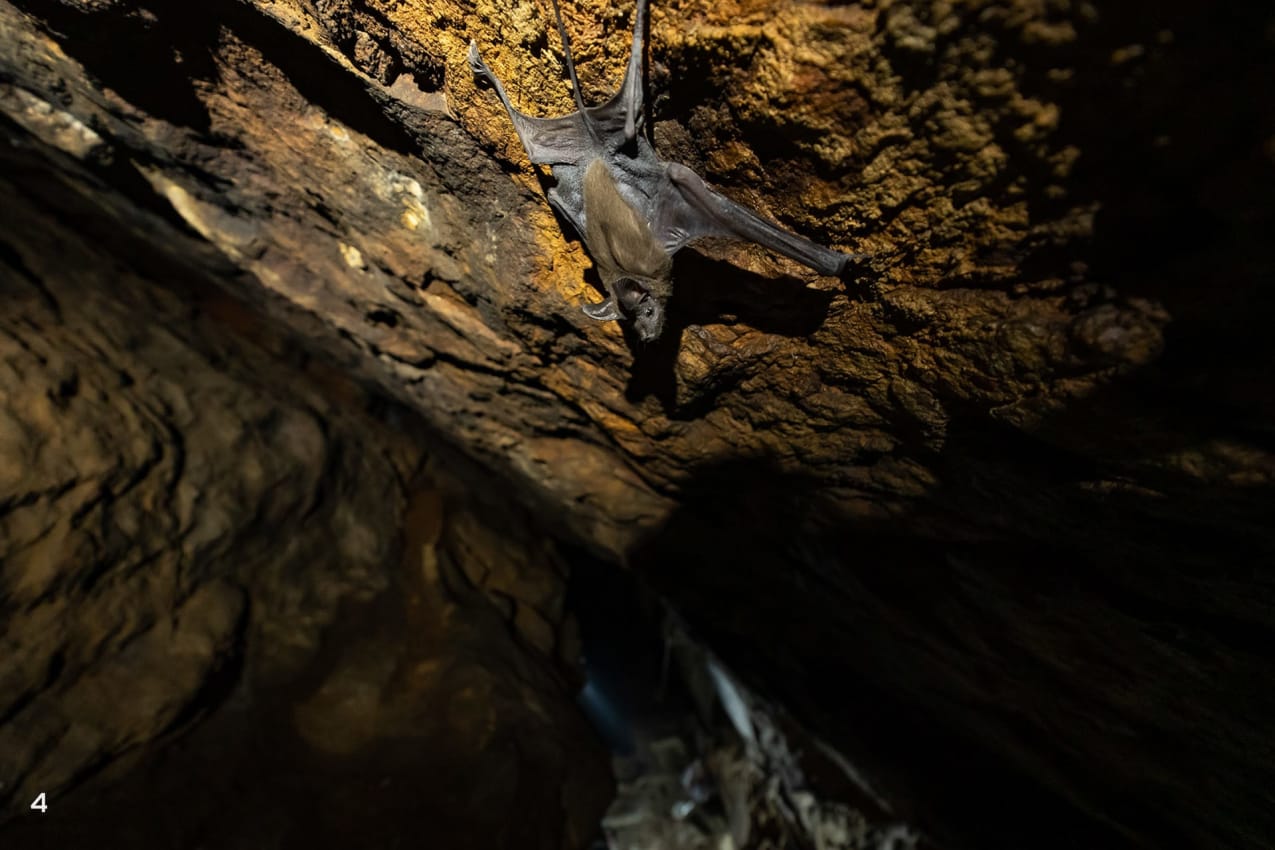
A forest that stands in the face of a storm
As we listen to birdsong along the trails and watch white-bellied sea eagles circle the skies, it reminds me how walking through urban forests like Kambalakonda helps us better understand our cities. It shows us how a forest reacts to seasons, how it blooms in summer, perseveres in winter, and calls for rainfall. How it survives, just like we do. And that empathy can ground and comfort a city’s heart (pun intended, because it also has health benefits).
Both forests, Kambalakonda and Simhachalam, were badly affected by the Hudhud cyclone that struck coastal Andhra Pradesh in October 2014. Winds of around 185 kmph gave Kambalakonda a severe beating, damaging vegetation and wildlife. However, beyond its beauty and the pause it offers, the city forest of Kambalakonda serves as a critical natural guardian for Visakhapatnam by providing vital ecological services such as acting as a protective barrier against coastal winds, heavy rain, and erosion and as the city's "green lungs”, it helps maintain a cooler local climate.
A local report in the Deccan Herald quoted Andhra University Environmental Science Professor K. Kameswara Rao, “It is a common phenomenon that loss of green cover will lead to temperature rise. The trees act as a carbon sink. The trees were absorbing the heat, but due to their absence, heat radiation has gone up, leading to a rise in temperature.”
In a world increasingly shaped by weather shifts, landscape degradation, and shrinking resources, some of the greatest threats to our well-being are climate-related. We must hold on to wild spaces in our cities as dearly as we safeguard our most popular protected areas, because a wild space is a wild space, irrespective of its location or status, and deserves our empathy, attention, and protection.
About the Author