Listen to this article
•
15:34 min
Listen to this article
•
15:34 min
On the evening of 3rd Jan 2026, the first full moon of the new year (also called the wolf moon of 2026) appeared larger and brighter as it reached its closest point to Earth. The moonlight on a vast, endless, arid salt desert slowly turned it from its initial red to a silver glow. As the wind in the desert grew cold, a stunning celestial event unfolded, and we lived the fable of wolves howling on a dark, moonlit night.
Mirages and Celestial Wonder
In the Little Rann of Kutch (LRK) or Kachchh, with an expanse of 5,000 sq km, both terrestrial and celestial events are magnified. The orange sun rises from the edge of a marshy, salt desert as a tender ball of fire, creating incredible mirages by midday. During winter, when the salt flats are dry, and the sun is strong, but the air isn’t extremely hot, the shimmering effect is enhanced. Animals, such as the Asiatic wild ass, locally known as ghudkar, a full-time resident of LRK, seem to gallop on the mirage’s water in a surreal way. Stars, stunning vistas of the Milky Way, varied constellations, and meteor showers envelop the nights.


During the dry season, the landscape looks parched. When the monsoon and saline tidal waters evaporate, they leave behind a cracked, glittering salt-crusted floor. Photos: Dhritiman Mukherjee
Cover: The Little Rann of Kutch is a seasonal salt marsh. During the summer and winter, it looks like a barren salt desert, but in the monsoon, rain and tidal waters turn it into a marshy, flooded wetland. Photo: Dhritiman Mukherjee
The LRK landscape is one of a kind in the world, shaped by tectonic shifts and continental drift. About 5,000 years ago, these massive movements of a restless earth raised the land surface, leaving this shallow, extended land almost completely cut off from the Arabian Sea. Rivers, such as the Indus, deposited massive amounts of sediment. LRK is an ecotone/transitional zone that thrives thanks to a delicate balance between freshwater from rivers and saline water from the sea, which enters through a narrow creek. On a recent two-day trip, we glimpsed just how unique LRK is.
On our first day trip, we were puzzled to see a boat stranded in the middle of the desert. Our hosts told us that during the monsoons, the entire area is inundated with about a metre of water, a mix of seawater from the Gulf of Kachchh, freshwater from inland, and rainfall.
Elevated Islands of an Ancient Sea
While LRK seems like an endless expanse of land, there are dots of elevated land, essentially, little scrub-covered plateaus (locally called bets) of rock sediment, that form an important refuge for wildlife when the Rann floods. These are ecological marvels. Apart from being central to the wild animals here, these plateaus are a lesson in earth movement and geology, and hold a wealth of information on fossils and deposits spanning different geological periods. At one bet, we were humbled to realise that our sense of time, measured in minutes, years, centuries, becomes minuscule when viewed from the perspective of these rocks, fossils, seabed sediments, drifting tectonic plates, that hold deep time. They are alive and moving even if they seem still to the human eye and experience.


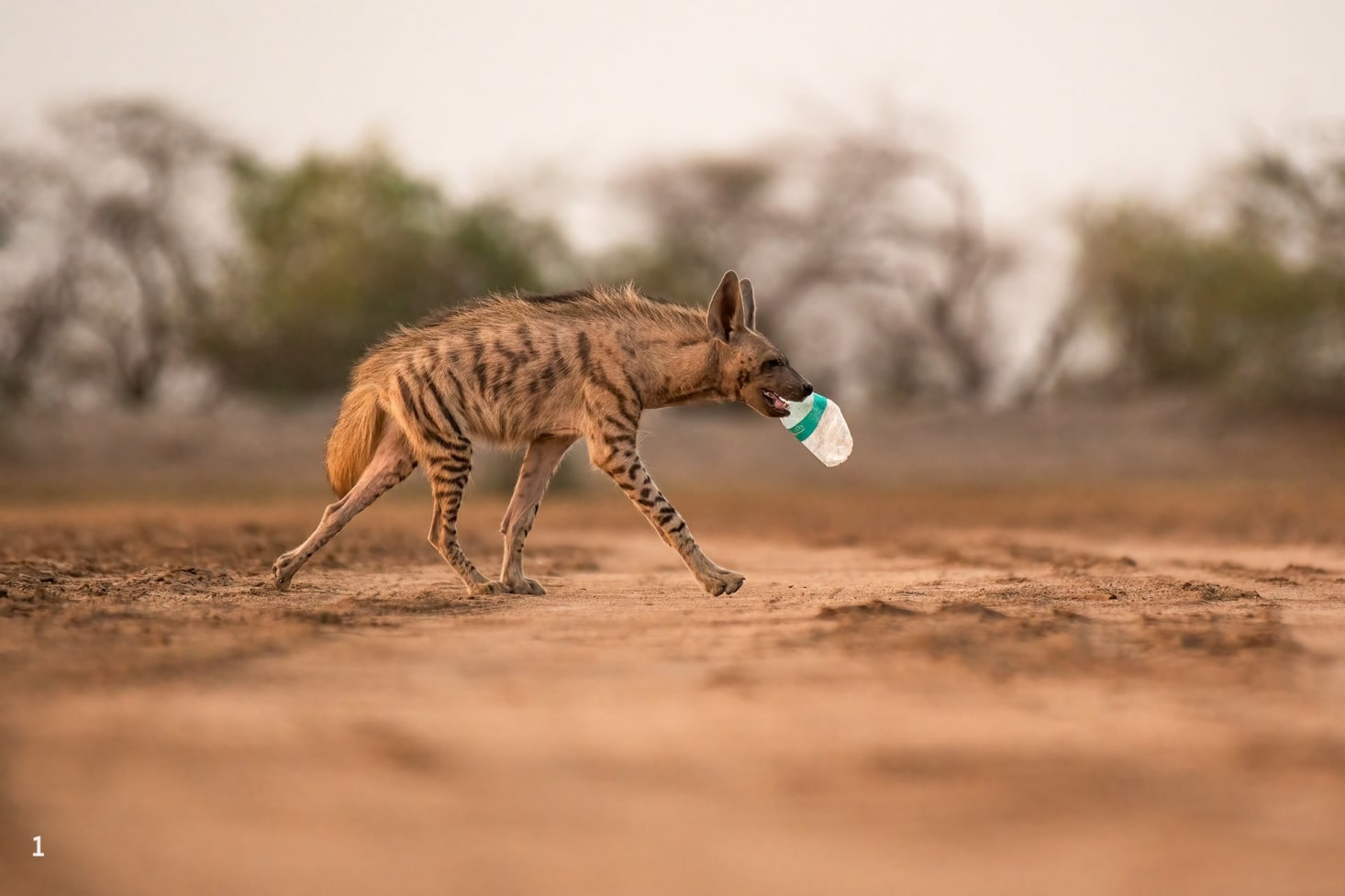
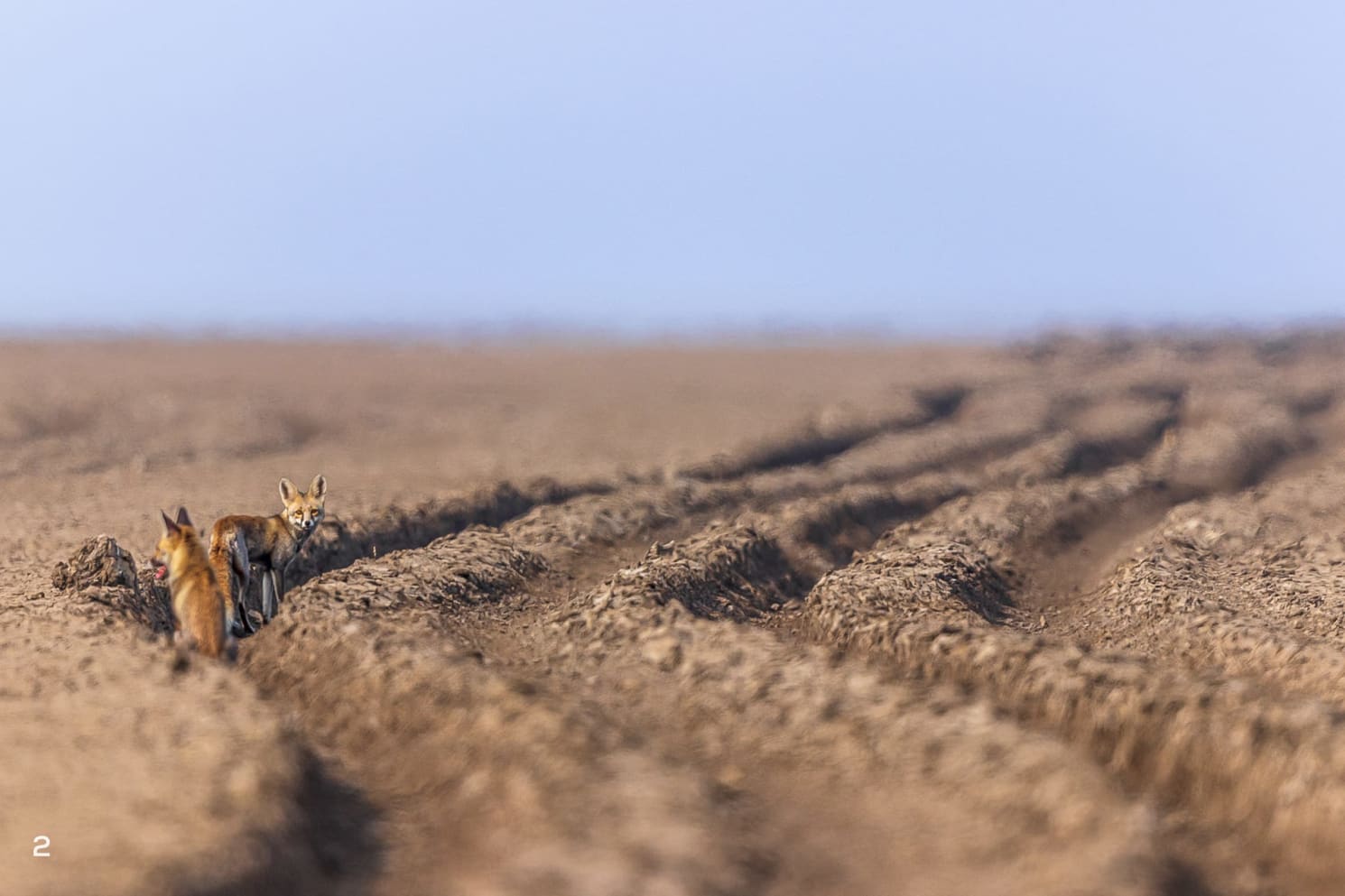
LRK is composed of multiple beings. When inundated, fisherfolk engage in prawn fishing, an important source of their livelihood. Salt farmers (called agariyas), primarily of the Chunvalia Koli community, practice their centuries-old tradition of extracting salt from rich underground brine for eight months. They use manual, skilled methods to produce crystal salt by evaporation in salt pans. They produce an astounding 30 per cent of India’s salt but face enormous hardships and social marginalisation in the process. Then there are thousands of lesser and greater flamingos that migrate to these saline mudflats for winter feeding, transforming the landscape into a vibrant spectacle, especially from late autumn to spring (November- February). Many raptors, such as peregrine falcons, eastern imperial eagles, greater spotted eagles, pallid harriers, Montagu’s harriers, and ospreys, are important predators in the habitat. Predators also include jackals, hyenas, foxes, and wolves, which maintain a balance of the animal populations they prey on.
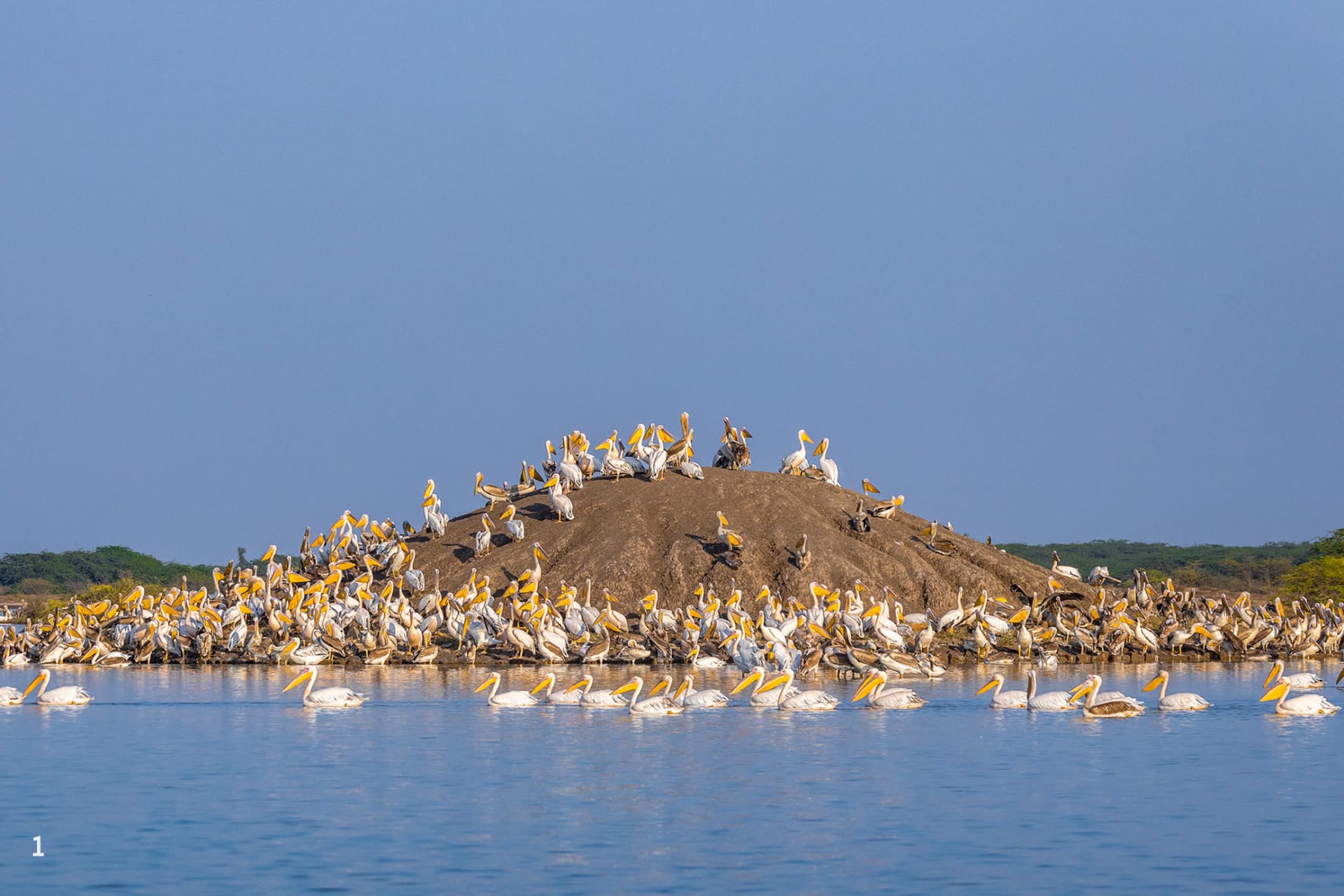
At one of the bets we were lucky to spot a couple of greater hoopoe-larks, a species found only in the western arid zones of India. In the wetlands formed by natural depressions at places like Bajana and Jogad, we were enthralled by large congregations of Dalmatian pelicans, Eurasian spoonbills, greylag geese, various duck species and more.


Over 30 mammal species and 350 bird species have been recorded in LRK. So important are the region’s ecological and wildlife attributes that it was declared a wildlife sanctuary in 1973 and is part of the Kachchh Biosphere Reserve. But this designation has not fully saved it from various kinds of ecological damage. “In LRK, there is a tender and beautiful balance which can be easily impacted by imbalances caused by interventions from industries, unbridled construction, senseless tourism, excessive fishing and salt farming, among others”, says Dr Arun Mani Dixit, formerly with the Gujarat Institute of Desert Ecology, who has done extensive work on LRK’s ecology.
One such disrupter is unintended, though not unforeseen. At one point, we saw a large amount of freshwater flowing in, creating a shallow wetland. “Over the last few years, excess freshwater from the Narmada River canal sourced by the Sardar Sarovar Hydro Power Project was ingressing, disturbing the habitat for endemic and migratory birds. For instance, a local grass variety called thek, which common cranes depend on, has declined significantly, reducing their migration to the region. This, in turn, has impacted the prey populations of jackal, hyenas, and wolves, who must now travel far for hunting”, says Ajay Dhamecha, local ecologist and owner of Ecotour Camp in LRK, who hosted us for two days. In a 1999 report, the IUCN (International Union for Conservation of Nature) shows how the inundation of the desert through the release of freshwater restricts the movement of the Asiatic wild ass and other species in the unique habitat. This and other disturbances have also led to human-animal conflict as wild asses, numbering 7,672 in a 2024 census, spill into the surrounding farmlands.


Threats to LRK
The 253 varieties of grasses that grow in LRK can only thrive in a brackish ecosystem, but this delicate balance is increasingly being disturbed by invasive exotic Prosopis juliflora (colourfully named gando baval in Gujarati. It literally translates to “the mad tree”), unregulated pilgrimage, tourism, “development” projects such as outflows from freshwater canals, and general human apathy. Underlying this is the fact that for decades, India’s grasslands, salt marshes, and deserts have been misclassified as “wastelands”. A term originating in colonial times has persisted in the mindsets of the bureaucracy and the general public. Places like the LRK are often seen as barren lands going to waste, which can be used for more farming, to create “forests” (if one can call single-species plantations; or when Prosopis juliflora was planted in the Rann in the 1950s-60s), and, in recent years, earmarked for industries.
There are other serious threats to LRK. One is the proposed construction of a metalled road right through it to reduce the time spent travelling from Tikar on the southern fringe to Palaswa on the eastern fringe and to ease the transportation of salt out of the region. This could hamper the inflow of water from the Surajbari creek, an important seasonal wetland ecosystem that serves as a bridge between LRK and the Gulf of Kachchh. At Vachhraj bet, at the centre of the sanctuary, thousands of pilgrims gather to pay their respects at the local temple of Vachhraj Dada. Its deliberate promotion has resulted in hundreds of vehicles racing through the desert to disgorge thousands of devotees there. Usually, tourists entering the sanctuary for birding, photography, and wildlife viewing must pay a fee to the Forest Department, but pilgrims don’t. The easy access without any monitoring has led to tonnes of garbage, vehicles zipping through the habitat, pollution, disturbance to wildlife, and overgrazing of the sparse grass on the bet by cows owned by the temple. “A couple of years ago, when I took photographers for an expedition, it was not so difficult to sight the MacQueen bustard here, but now it is rarely seen,” added Ajay, lamenting the dramatic changes that have occurred in a short time.


Ajay runs Ecotour Camp at Jogad village, encouraging tourism with ecological sensitivity. The camp has five comfortable traditional-style “bunga” huts, and the food is delicious traditional Gujarati fare. Ajay’s father, Devjibhai Dhamecha, is legendary for his efforts to promote LRK’s ecology and culture and to protect it from disruptive activities, including a proposed car rally through the Rann.
It was 2.30 p.m., the sun was high and sharp, though gentle winds gave us some respite. We stood there mesmerised watching the horizon, made pink with countless lesser and greater flamingos. It was the largest congregation we had ever seen. Like one being, thousands of them flew together, painting the sky pink. Through binoculars, we watched them attentively, gracefully, pumping water in and out with their tongues, straining out food and filling this rather quiet landscape with their honks, clucks, grunts, and growls. This shape-shifting entity, acting as a single organism, offered us a strange anchor point in this otherwise restless world.

Home of the Asiatic Wild Ass
Driving back from this spot, as the sun burned its way down to the horizon, we couldn’t help but murmur a silent prayer for all astonishing beings who inhabit this landscape. As we approached a herd of Asiatic wild asses, staring back at us with what seemed to be curiosity, we felt doubly blessed. These incredible, high-speed creatures, with sandy backs and grey coats, blend into the background of the salt desert and marsh. Their slender legs and tufted tails seemed to echo something divine in the vast, stark landscape they inhabit. As they started trotting away from us, we enjoyed the moment of looking at these animals living in a landscape that feels timeless and eternal. The sun turned milder, harriers circled to find roosting spots, wild boars took refuge under Prosopis juliflora, wild asses grazed unbothered by our presence, and we all witnessed the sun set and the moon and Jupiter rise. In that twilight moment, all of us breathed, witnessed, heard, and absorbed the magic that is LRK.
About the Authors

Shrishtee Bajpai