Listen to this article
•
15:34 min
Listen to this article
•
15:34 min
In Shergaon, a village in Arunachal Pradesh’s West Kameng district, an oak forest stands between the settlement and its oldest monastery. Shergaon is home to the Sherdukpens, a small Buddhist-animist community, known for farming, trade and forest-based lifeways. The forest floor is padded with leaves damp from the rains. Mushrooms poke up from under the litter, long veils of lichen hang from its canopy, and cicadas chirp from amidst its branches. The breeze carries into its boughs a Sherdukpen folk song of kinship, Hingpu Abukhaw, The Elder Brother Oak.
The eldest brother amongst the trees
“The Chhandang”
The Leising and the Asu Balu being younger
All three of you are incense offerings to the Gods.
The eldest sister amongst the waters
“The Tongchu”
The River and Stream being younger
All three of you are Yomchhat (holy water) offerings to the Gods.


“Hing pu Hing, this is what we call the oak in our language,” Pem Nobu Thungon, a resident from the Thungon clan of Shergaon, tells me as we walk uphill towards the old monastery, Zengbulok. The road skirts Sebu Atho, the sacred oak forest. “Look at the leaves, and you’ll notice at least three species of oak in Shergaon, though I do not know their English names. Our ancestors always said, mandir upar rehna, gaon niche (monastery must be above, village below).”
Behind us, preparations for the Buddhist festival Prewdo Chepchi are progressing. Drumbeats echo from the community ground as monks shape crimson butter tormas (sacred dough figures) inside Lagang Gonpa, and volunteers erect a temporary stall for Shergaon’s first mask exhibition. The sounds transition at the forest’s edge into calls of Eurasian jays, grey-hooded warblers and white-throated laughingthrushes.
Everyone calls Pem Norbu Thungon, Penoji. Losing his father at a very young age, he dropped out of school in the eighth standard to help his mother cultivate their piece of land. When there was time to spare, he joined the elders in “Suu Phawwthaang”, a form of community hunting. Penoji knew the forest and its animals like the back of his hand and volunteered to show me around. As we walk together, all of this becomes apparent.
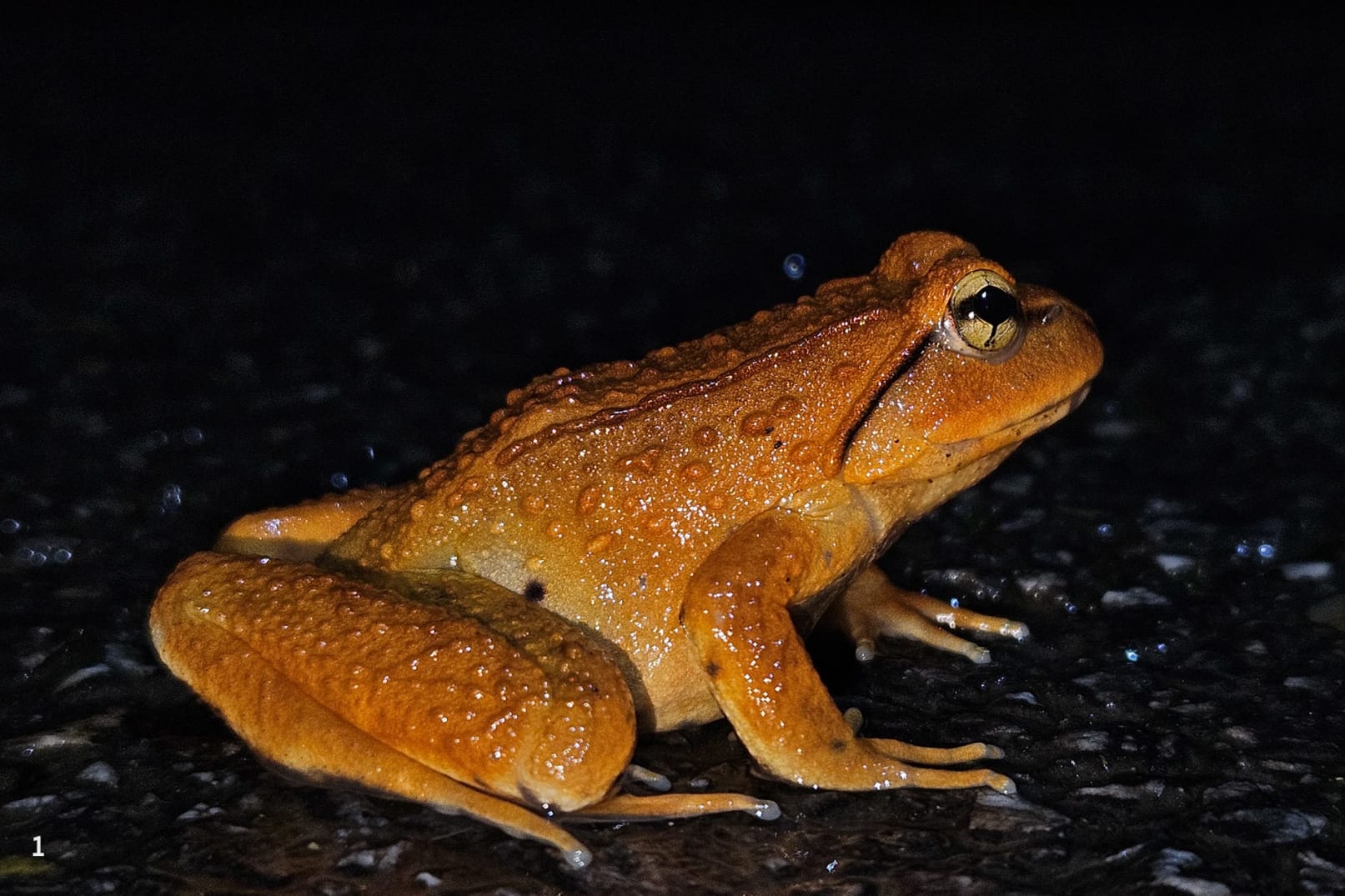

Fir, tsuga, oak, and rhododendron trees are the dominant species in the forests here. There is also a smattering of small-sized bamboo, wild sago, Chukrasia sp., walnut, pine, sycamore, chir, and other conifers. Yet among all these trees, it is the oak and the rhododendron that the Sherdukpens hold dear.
“When I was an active hunter, I would look for oak trees. Their leaves give us a good clue about the animals walking. We could tell by the sound how big the animal was, which is why we would only hunt toward the end of autumn into the winters, never the monsoons,” Penoji explains. “Cha and Changa — the good and bad winds — aided or hindered hunting expeditions. If an oak tree were fruiting, then the hunting would be good. Bears and deer like the fruit.”
Himalayan black bears, barking deer, and sambar are some of the species that depend on oak forests. Once aplenty in Shergaon, neither the animals nor the trees are as abundant — a parallel decline that speaks to the deep interconnectedness between forest health and wildlife survival.

His everyday intimacy with the oak forests becomes apparent when Penoji speaks. He talks not of glory, weapons, or trophies, but of preparation and attention, of how oaks have guided his reading of the forest. Hunting in Shergaon, like in the rest of the Northeast, follows ecological cues, phenology (the study of seasonal timing of natural events), and animal behaviour, all of which the Sherdukpens have learned over time by watching how life gathers around these trees. To Penoji, the oak was a node of interaction linking tree to human and animal movement.
His knowledge extends beyond hunting to reveal the oak’s versatility in traditional techniques. “We scrape oak bark and then add it to the water to immobilise fish,” he explains, describing their indigenous fishing method of chhon siya. The mild oak-based fish poison stuns the fish, allowing a skilled fisherman to selectively harvest from a rich bounty while staying within sustainable limits.


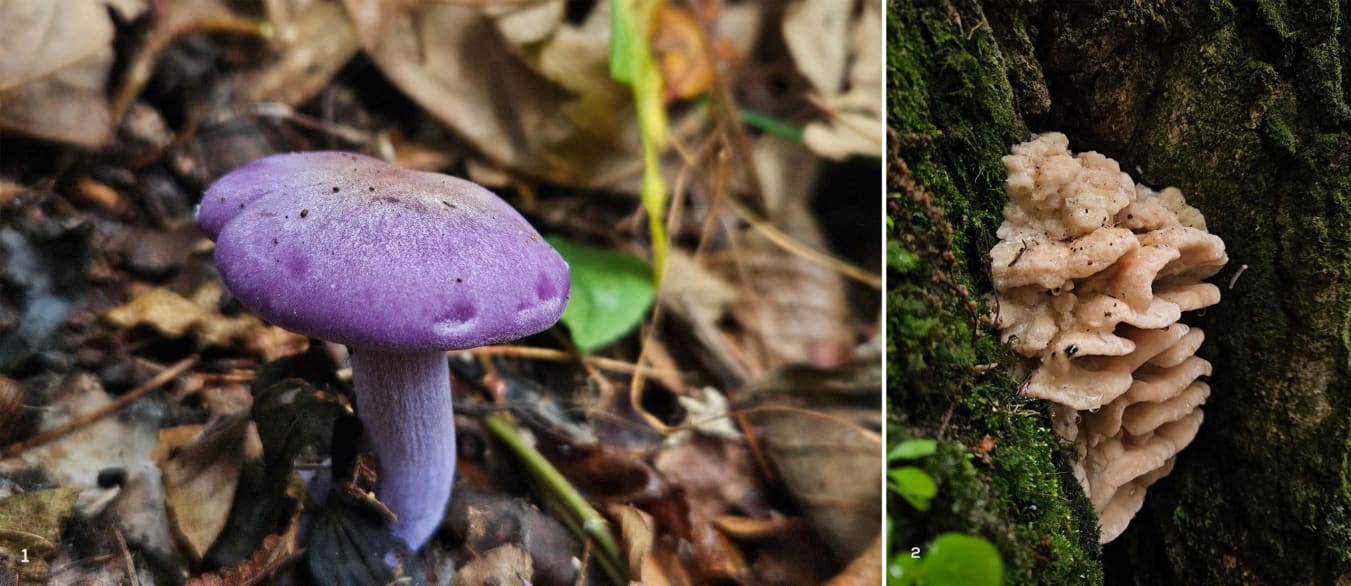
We stop at a large oak which is draped with a greenish grey, hairy lichen. “That one is punpun. We boil and eat it, and sometimes, we put fried onions and potatoes in it. Come to my house, I will make it for you,” he promises. The lichen in question is an Usnea sp., commonly called beard lichens. It grows on oak trees and has food and medicinal value. The Sherdukpens collect punpun from oak trees, especially after branches have fallen. Punpun growing on oaks according to Penoji are far tastier than those found on other tree species. Arunachal Pradesh has a rich diversity of Usnea sp. (more than 29 documented species), which, according to scientists, thrives in areas with clean air and low pollution levels.
Dr Lobsang Tashi Thungon, fondly known as Tashi, decided to pursue a PhD in Forestry so he could stitch together two worlds—his Sherdukpen world and the scientific one. This approach embodies what indigenous scholars call “two-eyed seeing”, a term coined by Mi’kmaw Elder Albert Marshall, of the Mi'kmaw Nation in Canada. Two-eyed seeing combines Western and indigenous worldviews to offer up more inclusive solutions. Tapping into traditional knowledge, beliefs, and customary practices passed down from Sherdukpen elders, Tashi is spearheading several conservation initiatives in Shergaon through Garung Thuk, an NGO he founded. For him, the oak stands as a living archive of how people and forests grow together — one where scientific understanding and traditional wisdom reveal the same truths about ecological relationships.
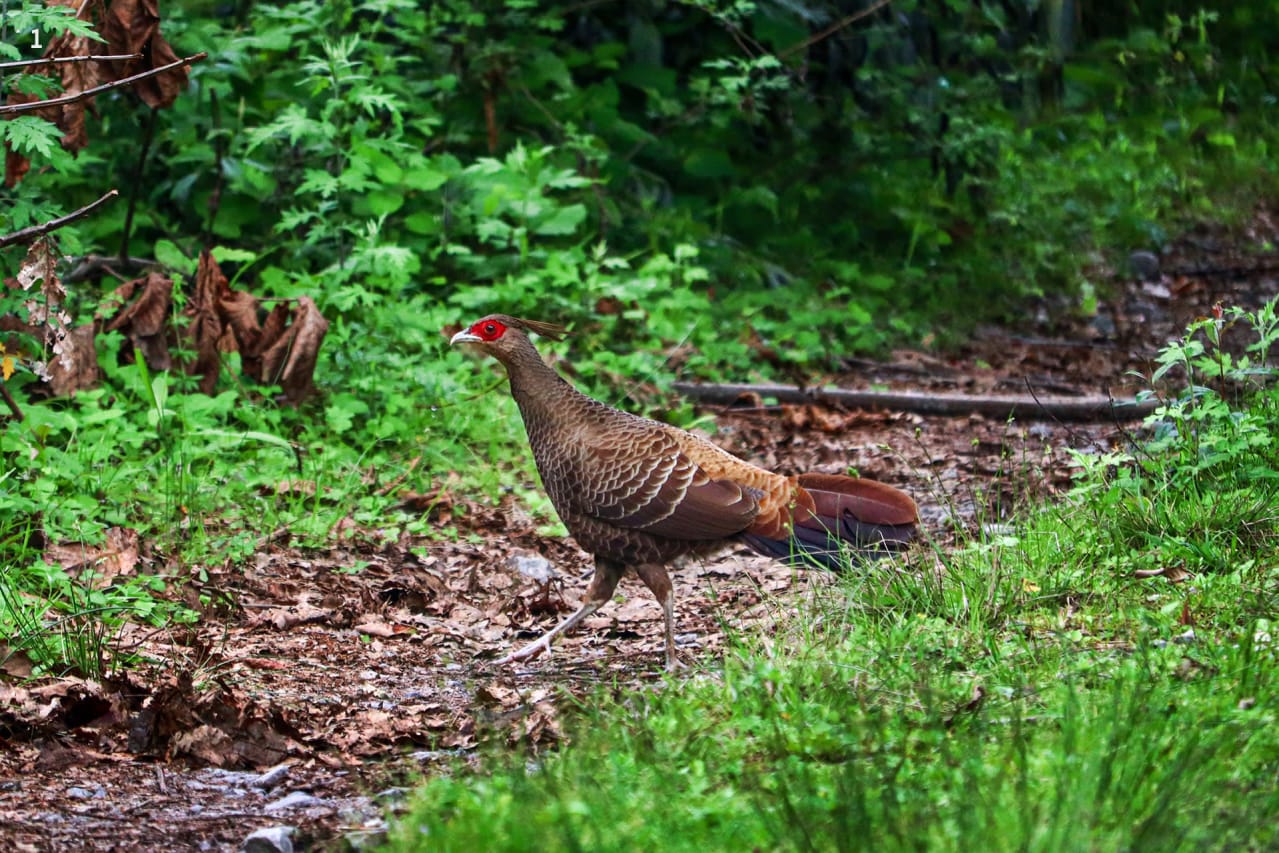
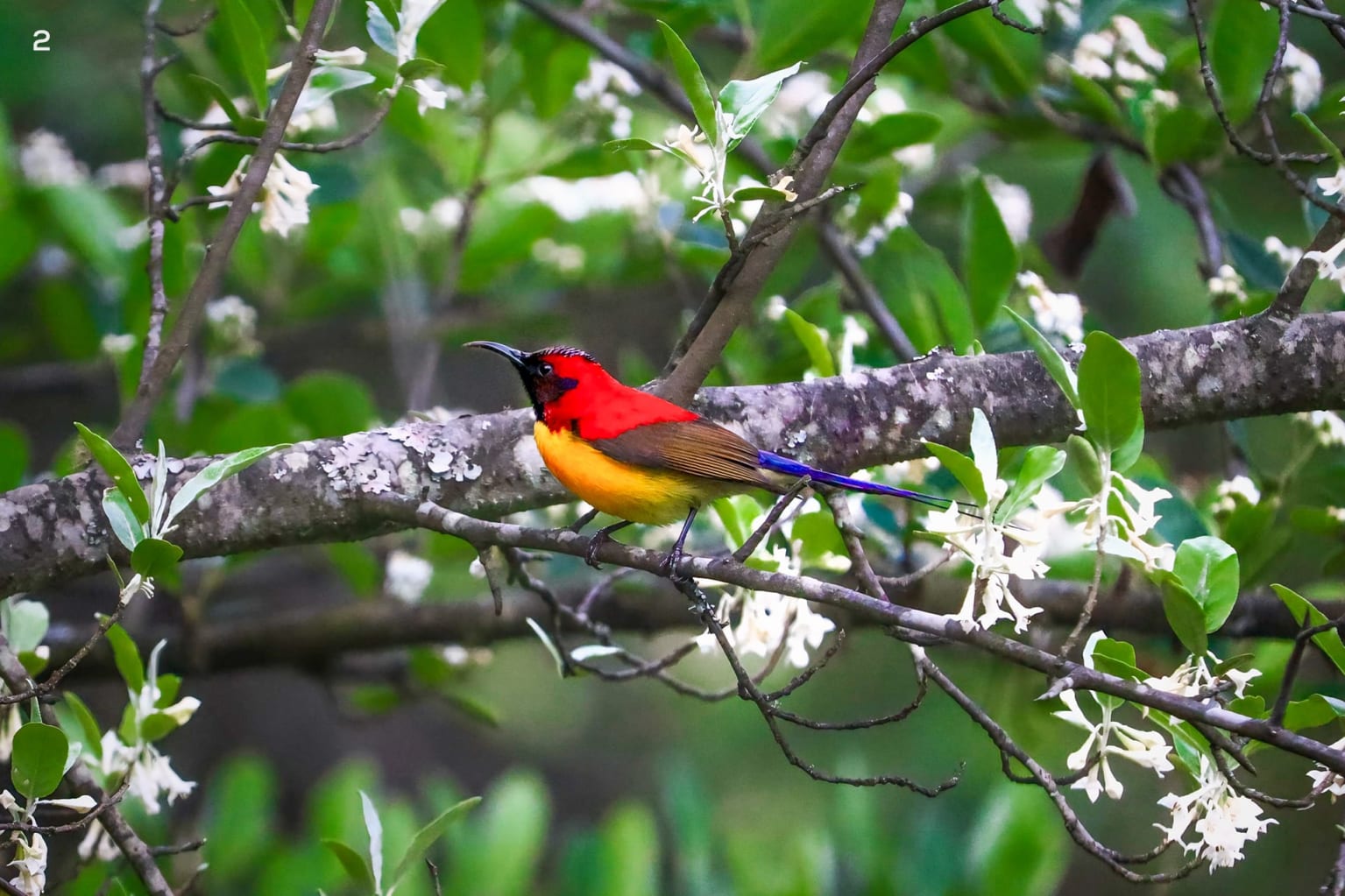

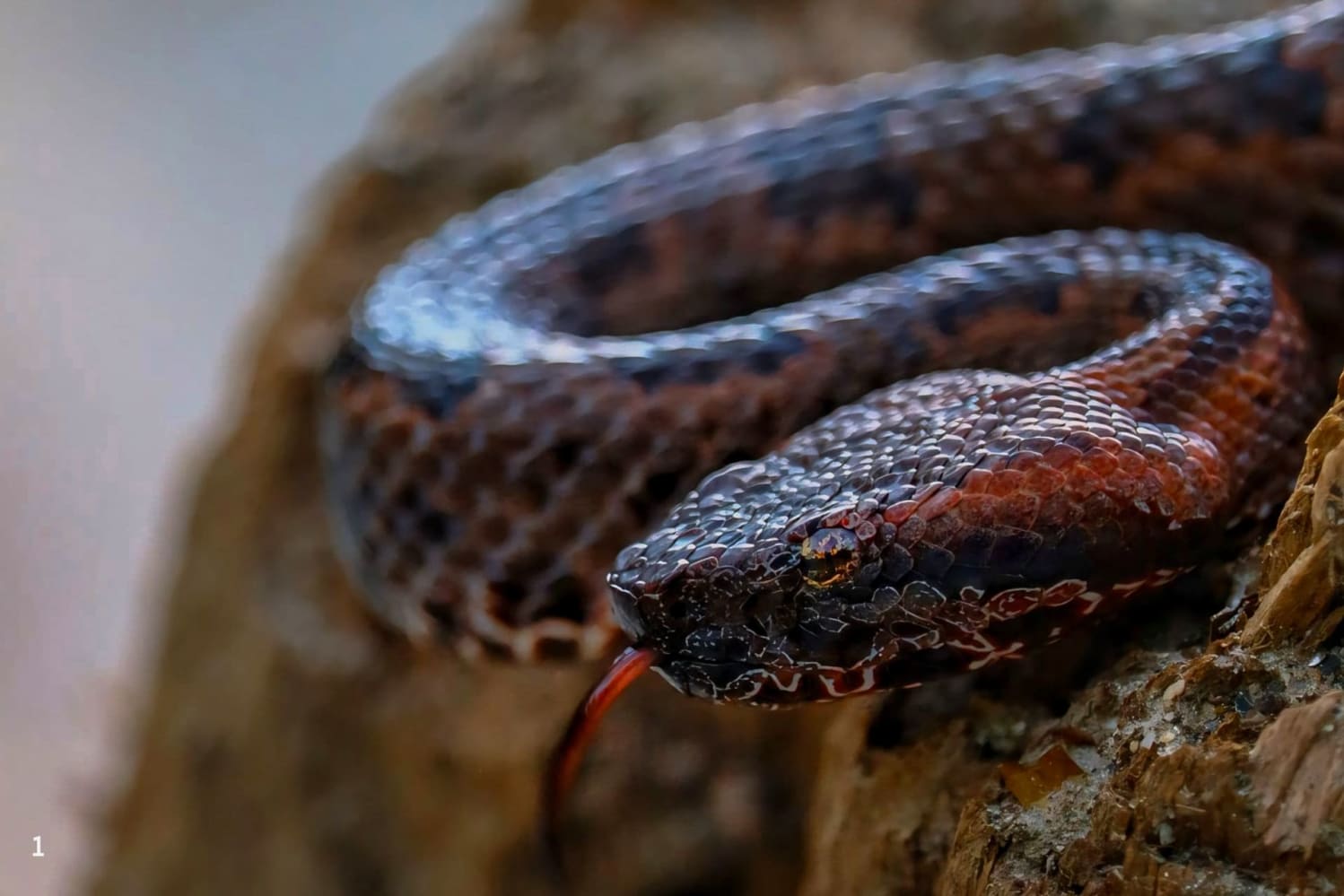
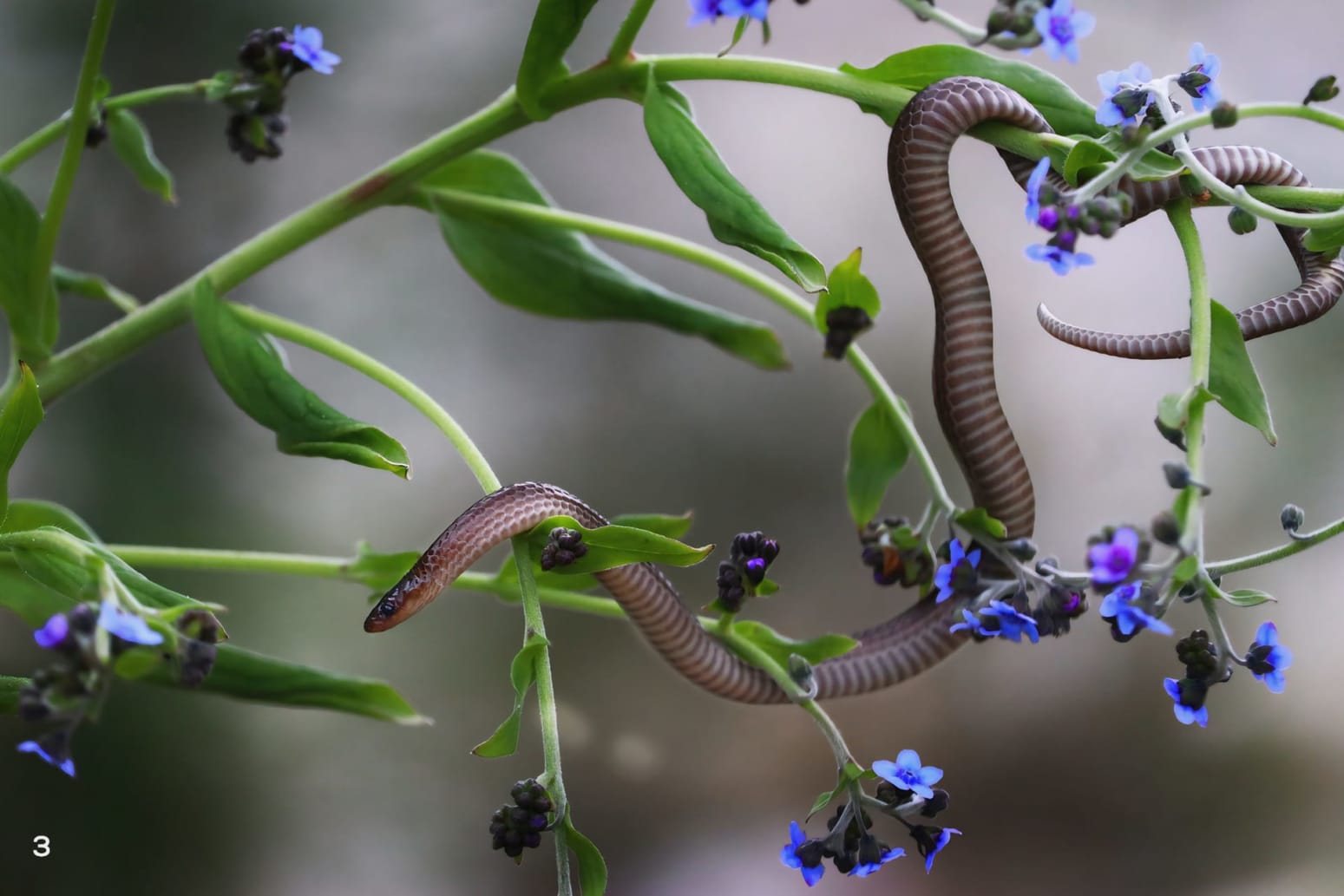
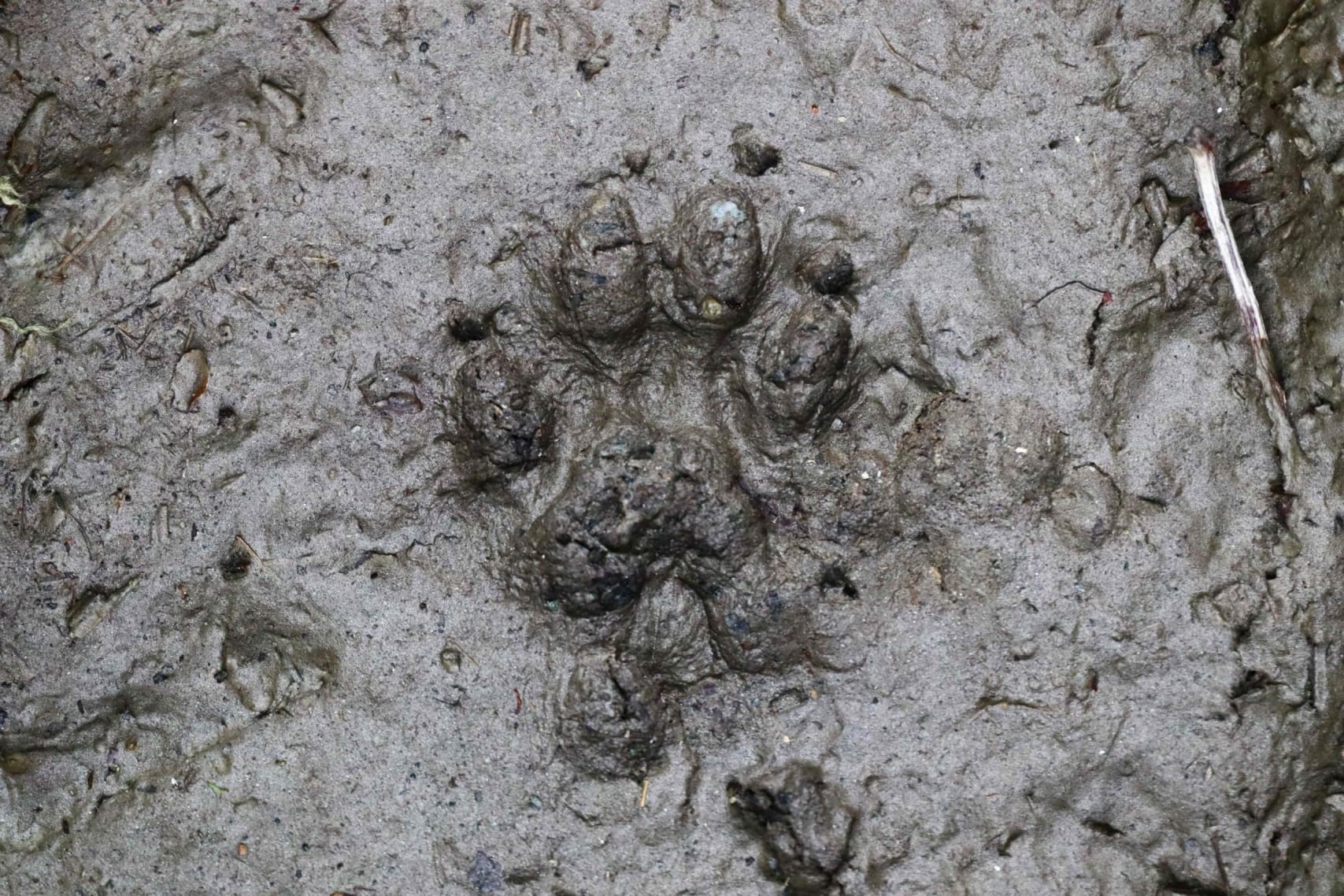
In the Eastern Himalayas, oak forests, particularly those in Arunachal Pradesh, represent ecologically significant landscapes. Recent research by the Wildlife Trust of India confirms the presence of several small cat species like the clouded leopard (Neofelis nebulosa), marbled cat (Pardofelis marmorata), leopard cat (Prionailurus bengalensis), and golden cat (Catopuma temmincki). These cats depend on the complex forest structure and prey availability that mature oaks offer. Two young research interns I met, Shaillendra Singh Deora and Arunima Haridas, had also documented 10 snake species from the oak-dominated forests here.
Many more studies have pointed out that oak forests maintain ecological balance by supporting diverse flora and fauna, stabilising soil, regulating hydrological cycles, and acting as significant carbon sinks. This is something the Sherdukpens have understood for generations.
In a 2016 study coauthored by Tashi, 86 plant species belonging to 72 genera and 36 families were documented from Sebu Atho, with Quercus serrata and Rhododendron arboreum among the most dominant species. Rare and economically important medicinal plant species, such as Acorus calamus, Paris polyphylla, Swertia chirayita and Valeriana jatamansi were also present.
“We have a story about the grove; this area was very prone to floods. Our ancestors, in their wisdom, did not cut down the trees in order to protect the village below from landslides and floods. One of the reasons it was deemed sacred is for these protective functions,” he says. “In Sebu Atho, which means “the place of leaves”, many of the oak trees are over 100 years old.”

The villagers take care not to disturb the trees, but they do collect the fallen oak leaves from the grove and deposit them in their maize fields. Beyond their role in sustaining soil fertility in their local agroecosystem, oaks are also used for fencing, erosion control, slope stabilisation, check-dam construction, and other domestic needs.
Among the Sherdukpens, oak trees are indicators of the seasonal movement of animals, markers of gathering places, and shapers of how people learn to read and live by ecological rhythms. The value of oak cannot be reduced to timber or canopy cover. It lies in how these forests structure food systems, hunting routes, ritual spaces, and relationships with other species. In Shergaon, the oak is a cultural species that binds together both landscape management and identity.
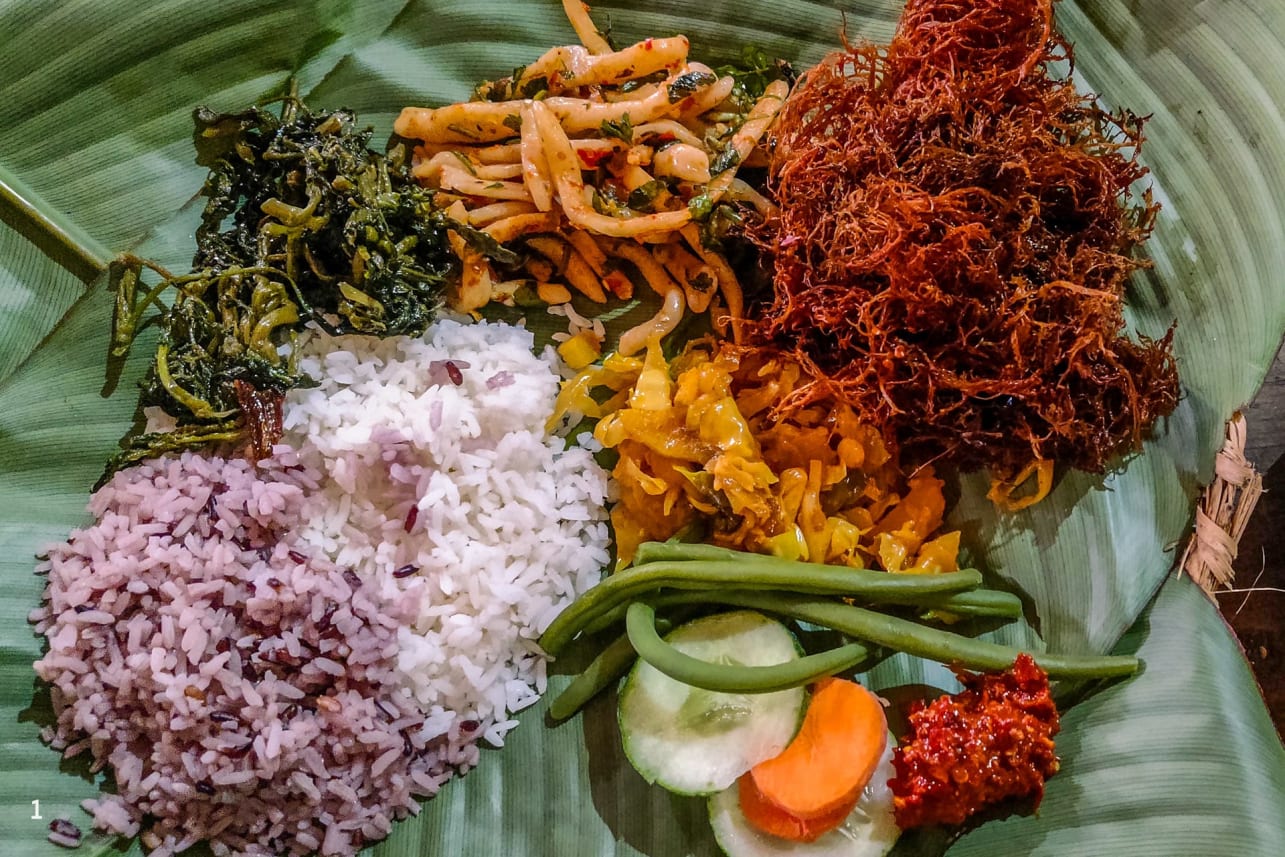
If you listen carefully to Hingpu Abukhaw, what is being described isn’t reverence alone but also a relationship. Many conservation approaches to nature view nature through a lens of control and management. We ask: should forests be protected, resources regulated, damage mitigated? But Hingpu Abukhaw positions trees and rivers within a family, according to age, responsibility and hierarchy. When a tree is spoken of as a relative, then we begin to ask: how can we uphold our responsibilities to it? What does it need from us? How do we maintain a good relationship with it?
Imagine the possibilities this opens up.
When I call the oak an “elder brother”, I see a figure of guidance, protection, and intergenerational wisdom. I see a relative who has cared for a community for generations. The elder brother oak has witnessed the growth of forests, the comings and goings of animals and people, and its rings have chronicled not just ecological cycles, but the evolution of Sherdukpen culture. When we look with two-eyed seeing where scientific understanding and traditional wisdom converge, we find not just methods for conservation, but a philosophy of relationships that asks not what we can extract from nature, but what responsibilities we hold toward our elder brother who has sustained us for so long.
About the Author

Rithika Fernandes
drives outreach and impact at Roundglass Sustain. With a background in ecology, she's drawn to the evolving relationships between people and nature.