
 Listen to this article
•
15:34 min
Listen to this article
•
15:34 min
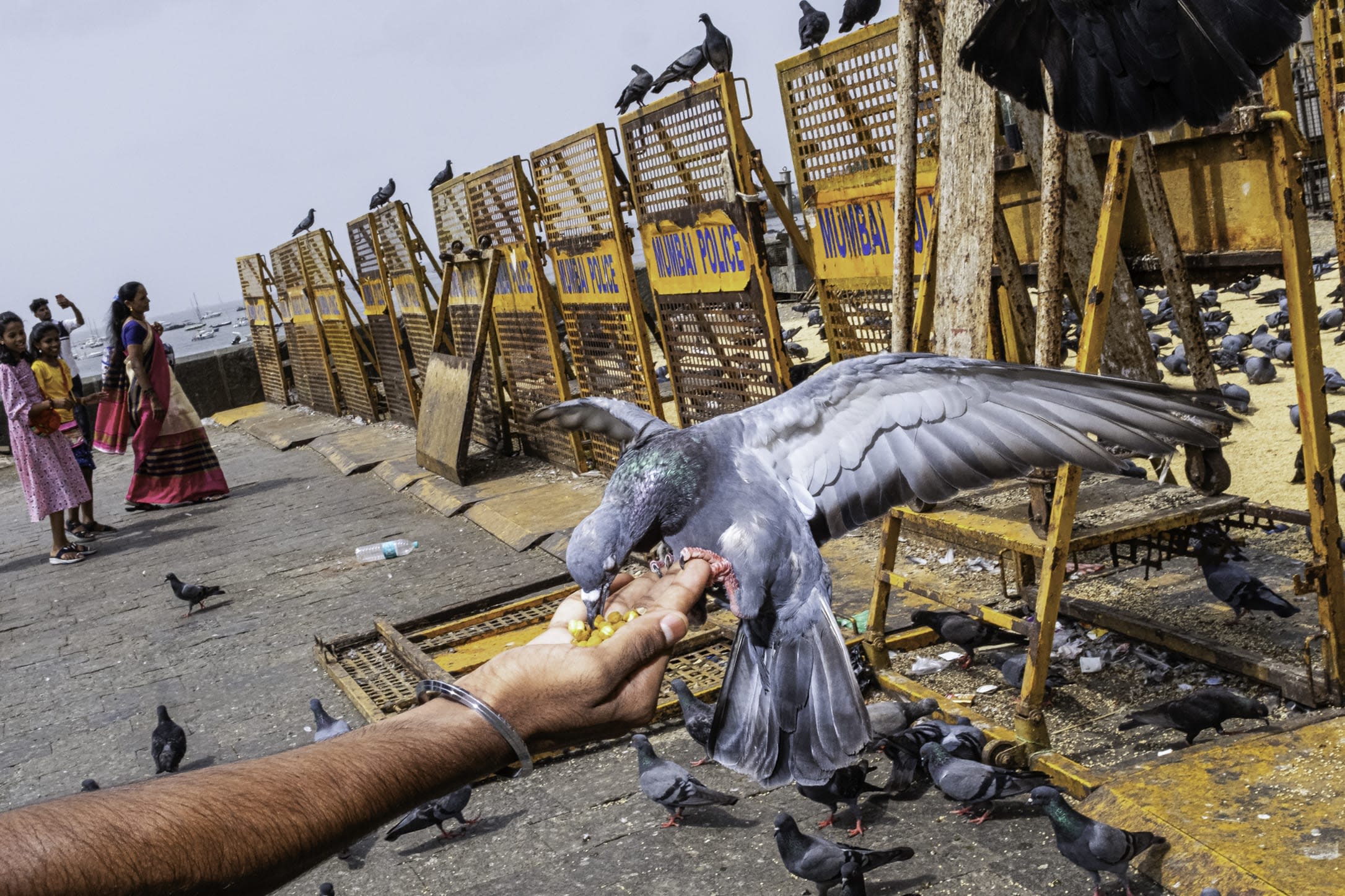
I must begin by contradicting the title of this article. The menace is not from the blue rock pigeon but from the people who feed these “flying rats”, as these handsome birds are now unfortunately called contemptuously. Feeding pigeons is mainly due to superstition, misdirected love of birds, and ignorance of the problems that these birds create in cities. Let us start with the basics.
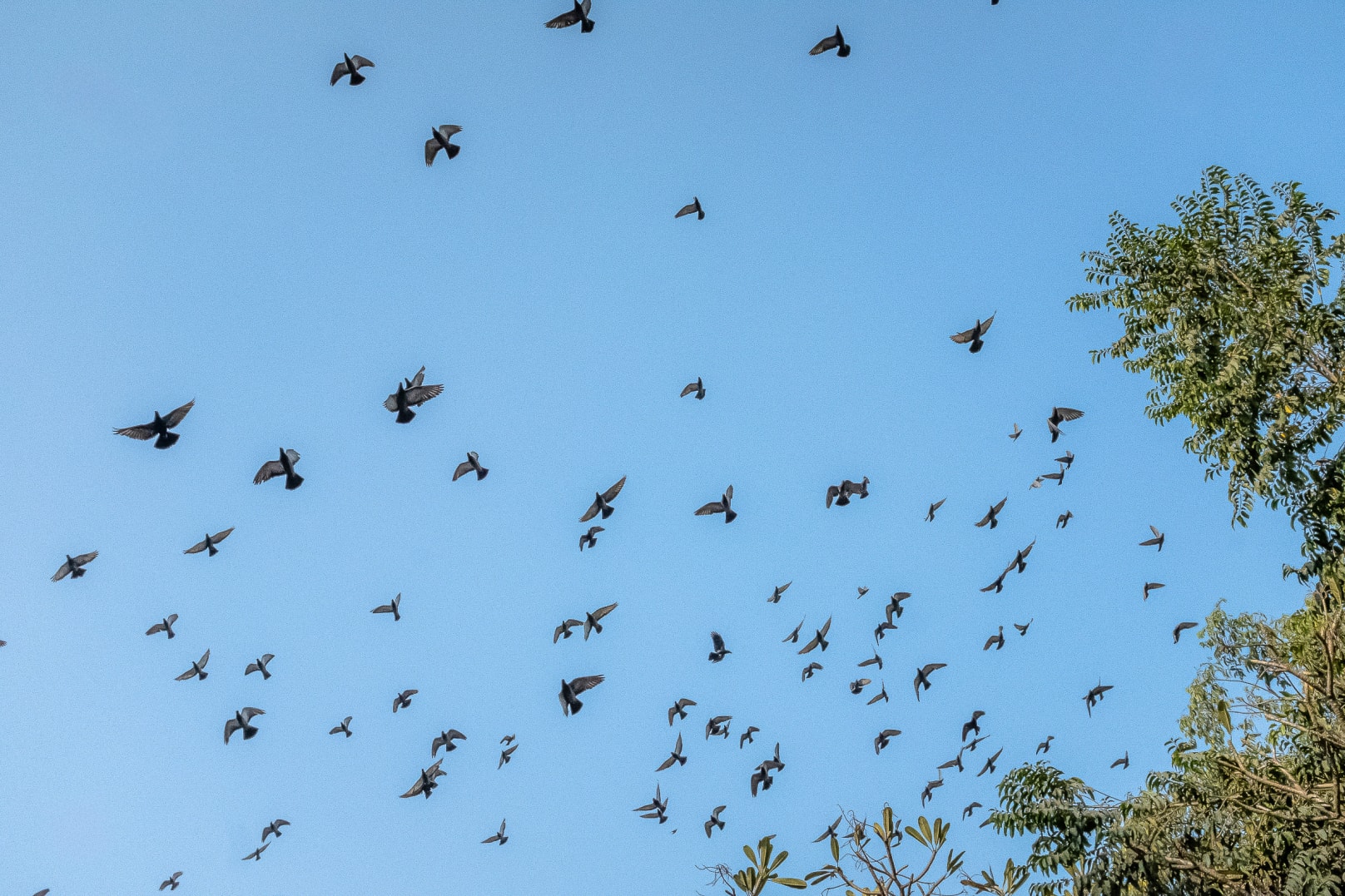
The blue rock pigeon (Columba livia) belongs to a highly successful family of birds (Columbidae) comprising around 353 species, commonly called doves and pigeons. This excludes thousands of domestic varieties. Pigeons and doves, in short, columbids, are found globally (except Antarctica), but the greatest diversity is in the Indo-Malayan and Australian regions. Because they are good flyers, many columbids are found on remote islands, where they may have diversified into new species. Some even became flightless, leading to their downfall once humans arrived and hunted them and the dogs, cats, rats, mongooses they brought finished the job they started and pushed the species to extinction. A classic example is the dodo. Dodo (Raphus cucullatus) and its relative, Rodrigues solitaire (Pezophaps solitaria), which were large, flightless members of the pigeon family.
Pigeons and Doves
I’m often asked, “What is the difference between pigeons and doves?” Not much. Doves are smaller and slender, while pigeons are drab (in muted greys and browns) and are less visually striking. This is a general rule, but there are exceptions. For example, aren’t we all fascinated with the multi-coloured plumage of the common emerald dove (Chalcophaps indica)? It cannot be called “drab” by any imagination, nor is it slender.
Natural habitat
The natural range of the Blue Rock Pigeon is generally considered to extend from Western Europe to Central Asia, where they nest on cliffs, ledges, and small hillside caves. Most likely, they were domesticated 10,000 years ago in Central Asia for food. Young pigeons called squabs (pre-fledged chicks, less than four weeks old) are raised for food and considered a delicacy in Central Asia and the Middle East, where they are commonly sold in markets. Squab is also a popular term for pigeon meat.
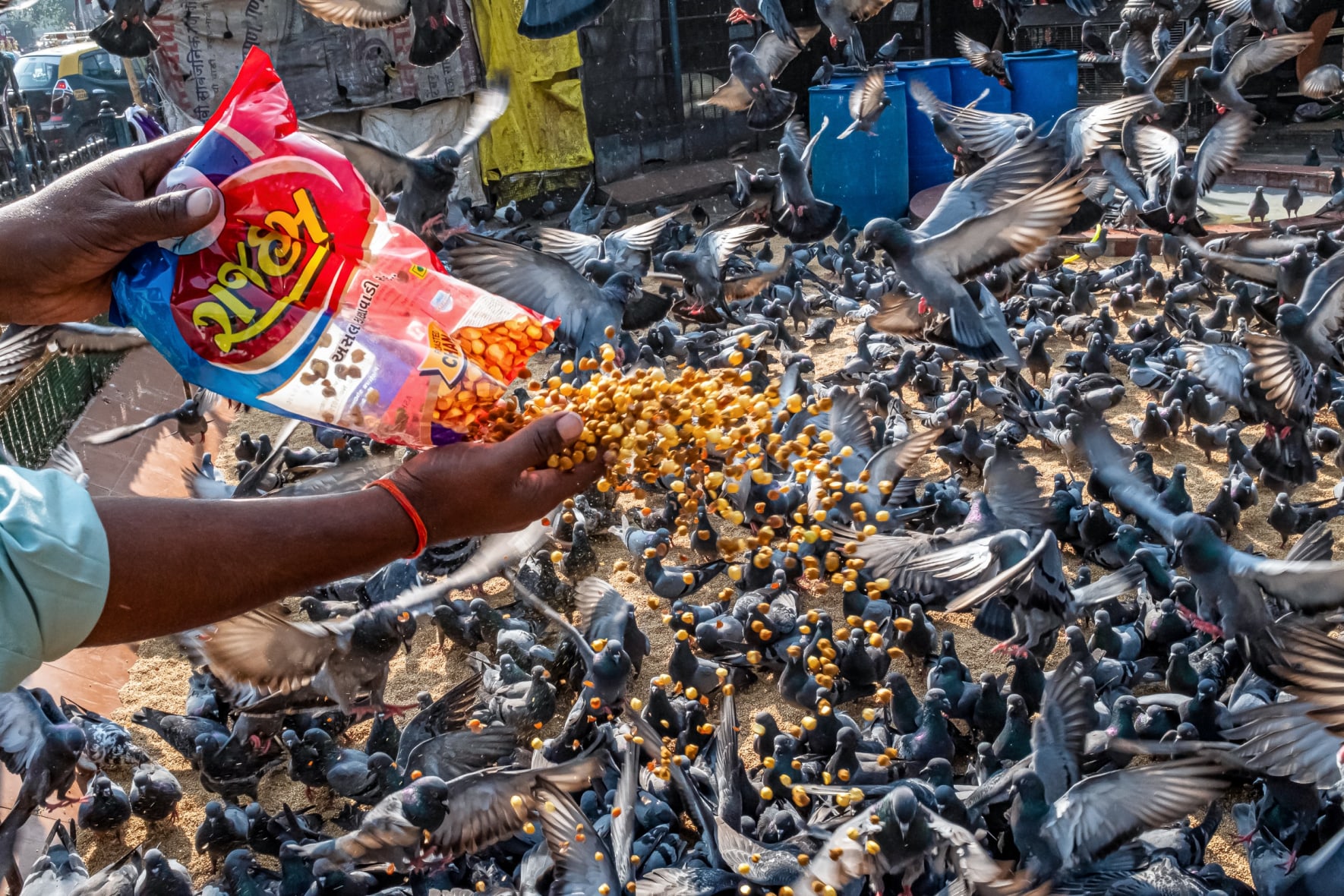
In its natural environment, pigeons feed on grass seeds, small insects, soft buds, and grit (to grind their food, as birds do not have teeth). They live in low numbers in valleys, rocky and bare mountains, farmlands, and lightly wooded forests. Their numerous predators, the most famous the Peregrine falcon, keep their numbers down. It is in cities that they flourish, thanks to (supposedly compassionate) people feeding them and the lack of natural predators. Despite strict laws, feeding pigeons is a global problem, from Mumbai and Delhi to Madrid, London, and New York. According to Dr Surya Prakash, retired professor of Zoology, JNU, there are 10 major pigeon feeding areas in Delhi. Some famous ones are Connaught Place, Chandni Chowk, Jama Masjid, Jhandewalan, Karol Bagh, India Gate, and Birla Mandir. Mumbai has its own centres at Marine Drive, Gateway of India, Bandra Talao, with Kabootar Khana, in the extremely congested Dadar area, a mini tourist attraction.

Damage to historic monuments
Modern urban environments serve as veritable havens for pigeons, offering abundant food, water, and numerous resting spots on ledges, crevices, brackets, windowsills, eaves, fascias, and decorative projections — all ideal for nesting. These breeding and roosting sites are particularly common in historic buildings that attract throngs of tourists, who inadvertently fuel the pigeon-feeding culture. Unbeknownst to these visitors, the pigeons they feed by hand are primarily responsible for the damage to these sites. Pigeon droppings are widely regarded as one of the most serious threats to the preservation of historic monuments. They contain high concentrations of uric acid, an acidic compound that gradually damages stone materials like limestone and sandstone. Numerous historic structures bear the scars of these corrosive stains. Moreover, pigeon droppings accelerate the corrosion of metal components such as decorative hardware and railings, found on these buildings. In addition to their droppings, nesting materials often clog gutters and drains, leading to water damage and potential structural issues. Furthermore, discarded wire fragments used in nest construction can cause short circuits, potentially sparking fires. Regular cleaning and removal of pigeon droppings from building surfaces is essential to mitigate such damage.

Diseases
Often overlooked as a mere nuisance, pigeon droppings pose a significant and often underestimated threat to human health. These seemingly innocuous substances harbour a dangerous cocktail of bacteria, fungi, and viruses that can lead to a variety of respiratory illnesses. It is estimated that almost 50 per cent of pigeons carry infectious diseases, which can trigger asthma and other respiratory issues.
Dr Parag Deori, Senior Veterinary Officer, South Andaman says, “Pigeons can spread many zoonotic diseases, which includes viral, bacterial, and protozoal diseases. The important viral pathogens spread by pigeons are Newcastle virus and avian influenza. Dreadful bacterial pathogens disseminated by pigeon are Salmonella, Campylobacter, Chlamydia psittaci, and Escherichia coli. The most prevalent protozoan disease transmitted by pigeons is Toxoplasma gondii, due to the consumption of poorly cooked or uncooked pigeon meat. Pigeon’s dropping causes bird fancier’s lung or hypersensitivity pneumonitis in human beings due to some allergens or chemicals present in the droppings.”

Solutions
What can be done? The answer is not simple but let us start with what the law says. Feeding pigeons (and other animals) in public places is permitted in India under strict conditions. Mumbai and Pune municipalities have passed separate laws. Pune has introduced a fine of Rs 500 for feeding pigeons outside designated areas. Even the Supreme Court in March 2019 upheld rulings against creating a nuisance by feeding birds from balconies in residential societies. For many years, the Delhi Municipal Corporation has considered banning pigeon feeding entirely. Even in cities where rules on pigeon feeding exist, they are not enforced. It is big business, fed on the gullibility and sentiments of people. The same “kind” people will not contribute a rupee for wildlife conservation or say anything when a forest is cut down, killing hundreds of species, but will pour money into feeding the “flying rats”. In Mumbai, I have seen people arriving in expensive cars with sacks of grain and discarding the polythene bags there. Microplastics have become one of the biggest threats to wildlife, from elephants to corals. I always wonder about the priorities of these rich, urban, so-called “animal lovers”. The only solution may not be socially acceptable, but it is to stop feeding pigeons in urban areas. There should be strict laws against feeding pigeons in public places, whether it is a tourist place, or a balcony of a high-rise building.
Dr Parag Deori recommends, “The spread of zoonotic diseases by pigeons can be prevented through creating awareness among the public by the 'One-Health Approach', incorporating Health, Animal Husbandry and other associated departments. Knowledge of the adverse effects of pigeon-related zoonotic diseases can discourage pigeon feeding in public places. A comprehensive policy to control pigeon overpopulation is the need of the hour”.
Coming back to my title, which is the bigger menace: pigeons or people feeding them? You decide.
About the Authors

Dr Asad Rahmani