Listen to this article
•
15:34 min
What kind of physical boundaries do we build around us? While solid walls form rigid separations, live fences (grown with plants) provide a porous threshold. Live fences are not plain boundaries but thriving habitats that can connect landscapes, whether between two neighbouring properties or across larger fragmented ecosystems.
Live fences are not new. India has had living fences for hundreds of years; thorny plants have protected kingdoms as well as humble farms and village homes. Even today, live fences are the most utilitarian aspect of any village home, providing fuelwood, fodder, occasional fruits and vegetables, flowers for worship and rangoli, datun for cleaning teeth, and bamboo to make ends meet during lean periods. The live fences along farms host pollinating insects as well as insect-eating birds, which in turn help crops.

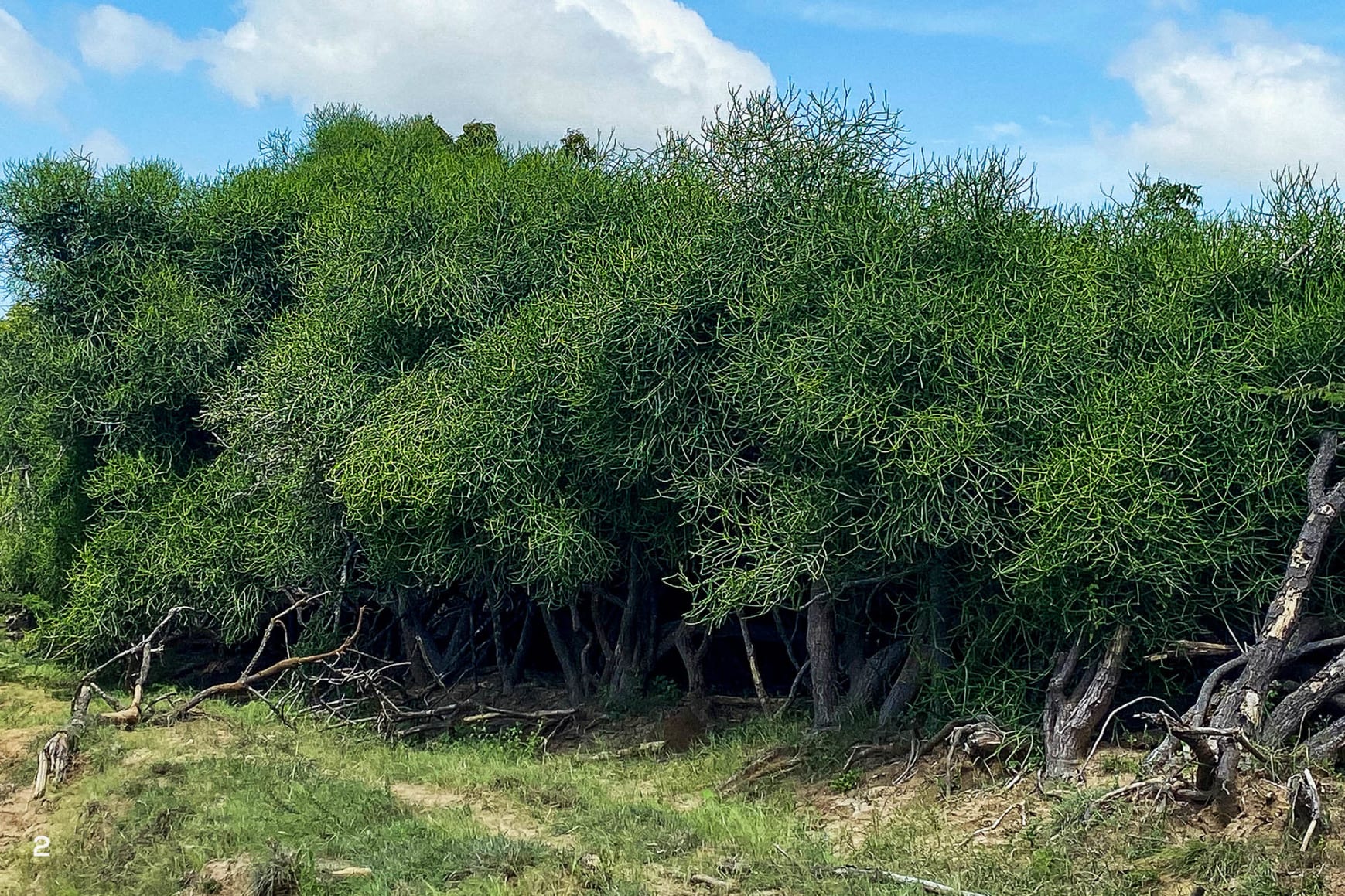
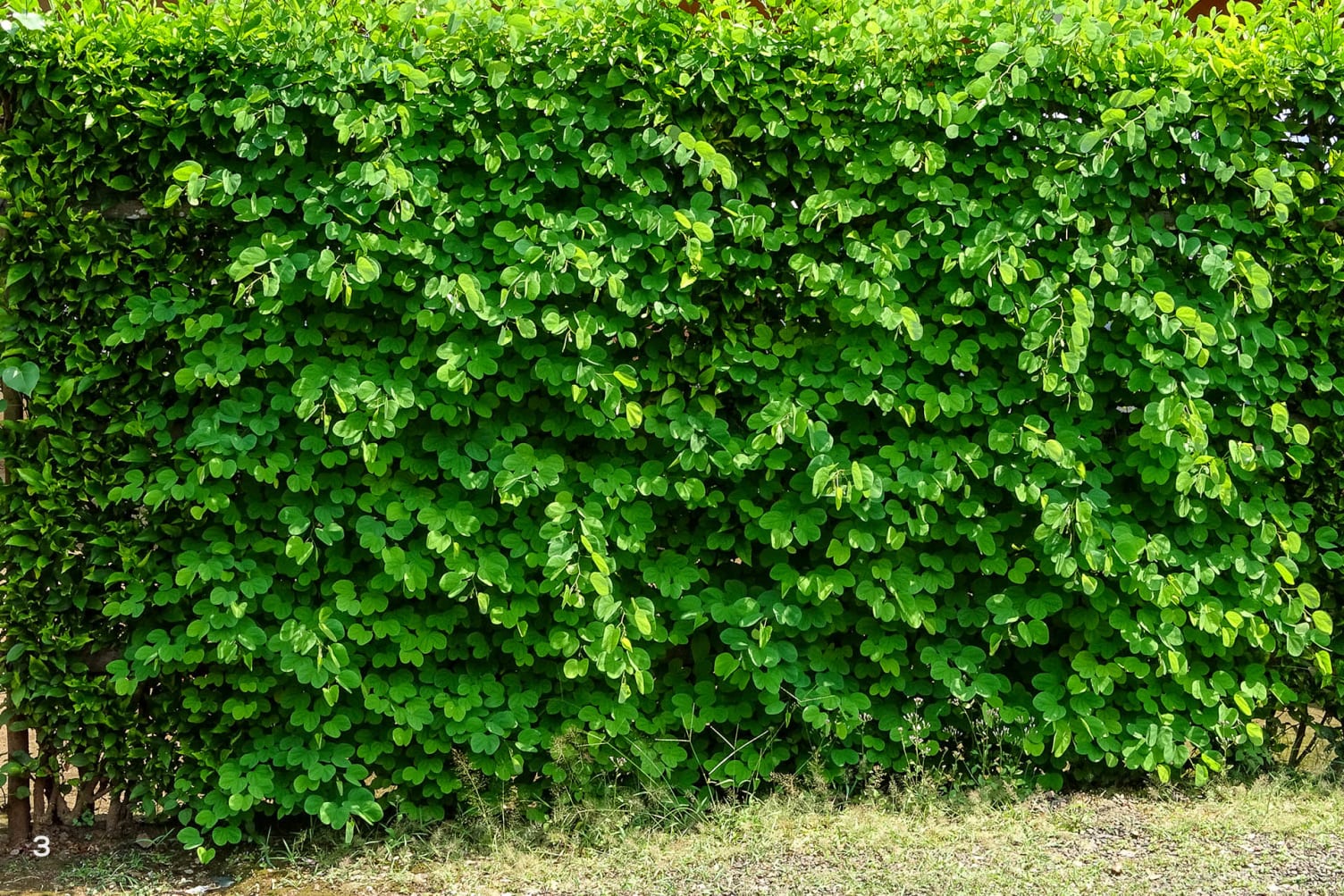
I grew up in Pune where live fences were very common, and as a child, I found it difficult to cross over or crawl under them without getting scraped and nicked. I knew then that they were effective as security barriers. At the same time, I saw caterpillars on them and small birds around them; much later, I understood that these fences also supported biodiversity. In urban areas, up to very recently, one could see live fences marking property lines between neighbours. Independent houses often had more open boundaries and live fences because there was a sense of ownership of the plant life. People knew which fence belonged to whom, and there was a give-and-take relationship between neighbours. With multi-storeyed apartment buildings, people often do not know who lives next door. In such a situation, a tall compound wall often creates a sense of security, while a living fence raises questions of ownership and care: Who will water it? Who will maintain it? And to whom does it belong?
Research is increasingly showing that spending time among plants and wildlife can significantly lower stress levels and improve mental health. The living fence can play an important role here because it is an ecosystem, a place of constant activity. There is a different kind of joy in catching the whiff of fragrant flowers carried on the breeze, watching bees covered in pollen go from flower to flower, hearing birdsong in the middle of the day, discovering spiders lying in wait to catch their next prey, smelling the occasional stink from a stink bug, observing a garden lizard standing perfectly still, watching you from the corner of her eyes, and looking at colourful butterflies take off and land on bright flowers.
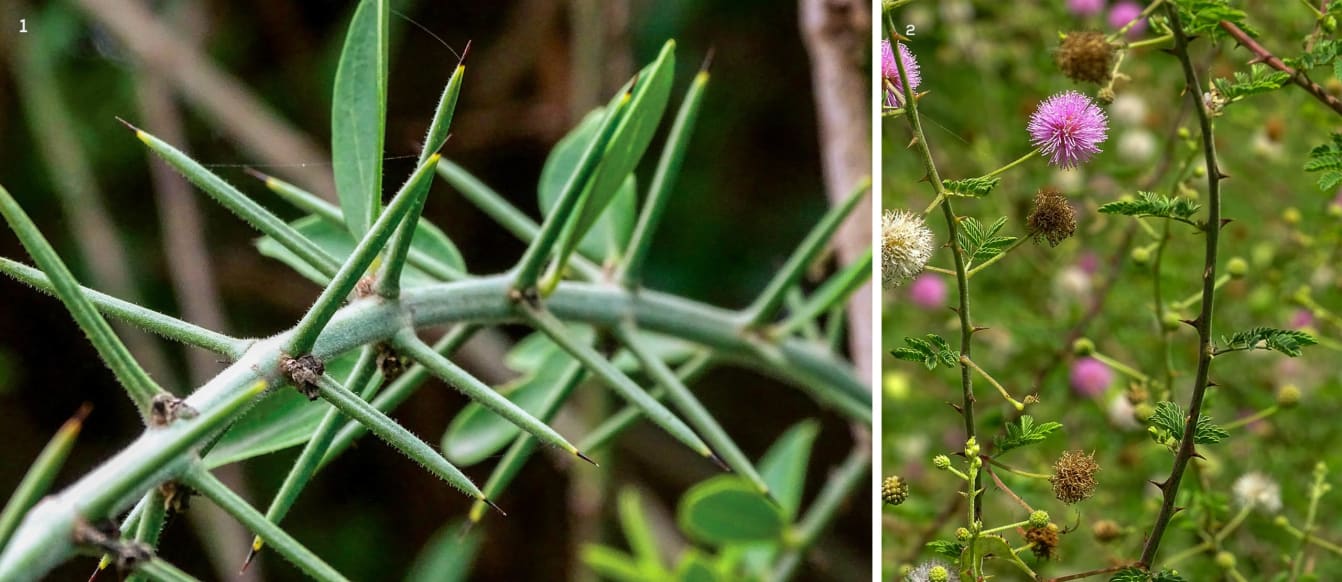
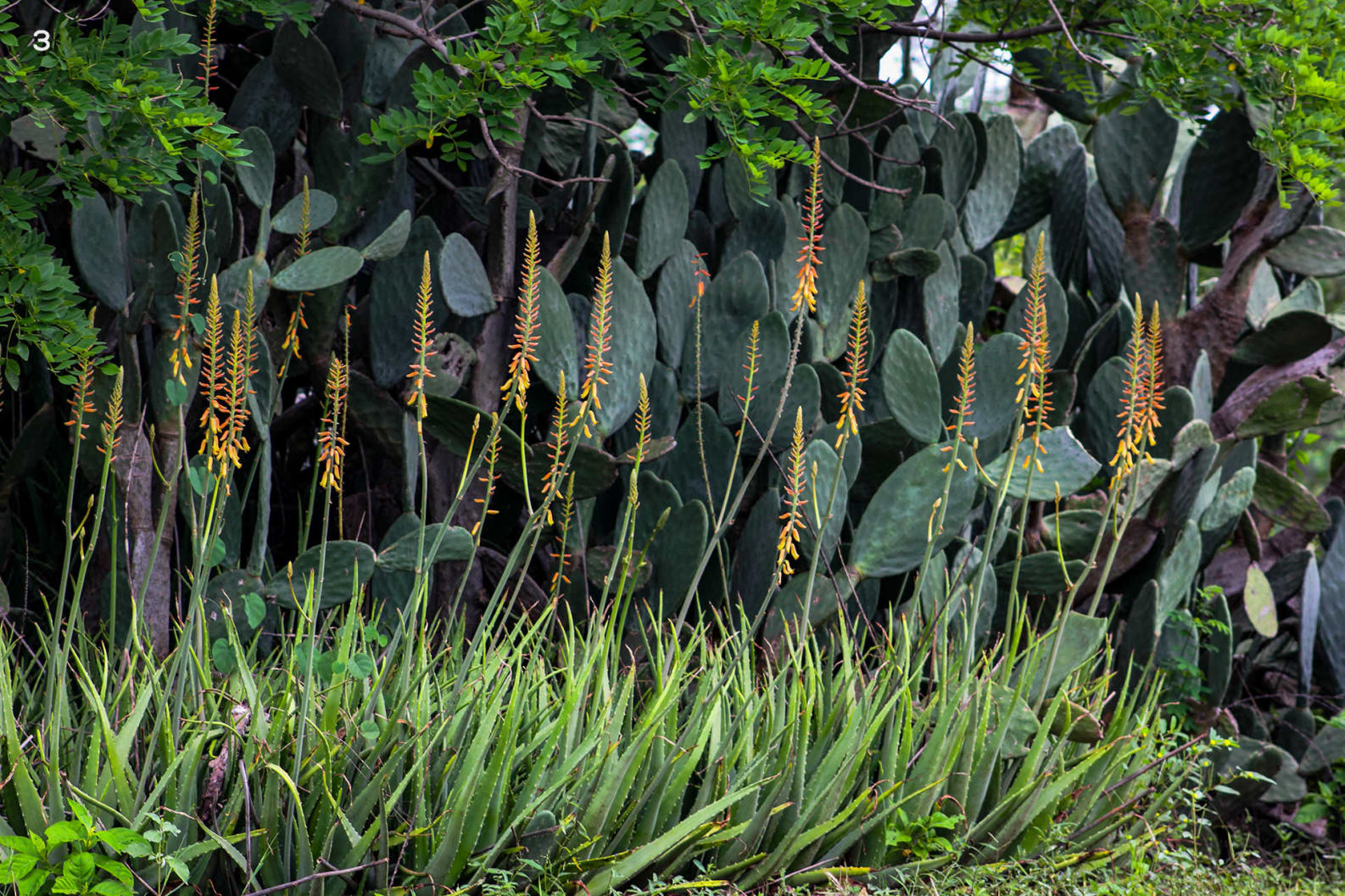
Along with ecological benefits, live fences also provide tangible environmental benefits by absorbing reflected heat and sound. They can act as dust traps, helping improve the air quality in the city. During the rains, live fences interrupt the flow of water, breaking its momentum and acting as a permeable barrier that slows the run-off, allowing water to percolate into the ground. When multiplied across a city, these small barriers can significantly reduce the speed and volume of run-off.
My work as a landscape architect has mostly been in the Western Ghats, one of the most scenic places on Earth and a biodiversity hotspot. Unique ecosystems are a matter of pride for any nation, and conserving them should be our priority. But because the Western Ghats are so beautiful and close to urban areas, they are also a popular location for second homes and resorts. Being resource-rich also makes the Western Ghats a popular location for industries. In my projects, I have always been troubled by the construction of compound walls across the contours of the Western Ghats, as they cut the site off from the larger landscape. In such settings, compound walls look aesthetically alien, alter watercourses, and hinder animal movement corridors. Every square inch of the Western Ghats is ecologically sensitive, with new species of flora and fauna still being discovered, and yet there is little control over which lands are cleared for private or state projects. When a parcel of land is stripped, animal movement is disrupted, disturbing the wider food web. While we do not control the larger development narrative, small measures like live fences help improve ecological connectivity across fragmented landscapes. By connecting smaller land parcels like water edges, forest edges, farms, villages, institutions, industrial areas, and cities, these fences can form larger networks that provide suitable animal habitats and become movement corridors for disturbed fauna. They can also complement larger regional conservation initiatives without competing with or replacing existing natural habitats and improve environmental health.
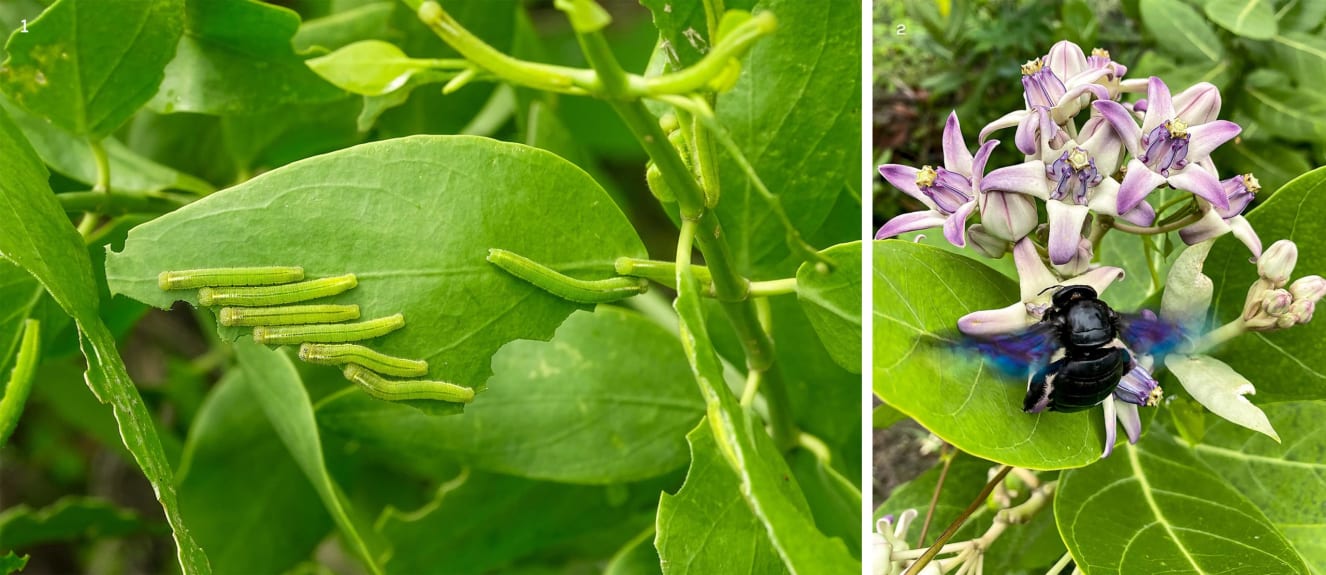
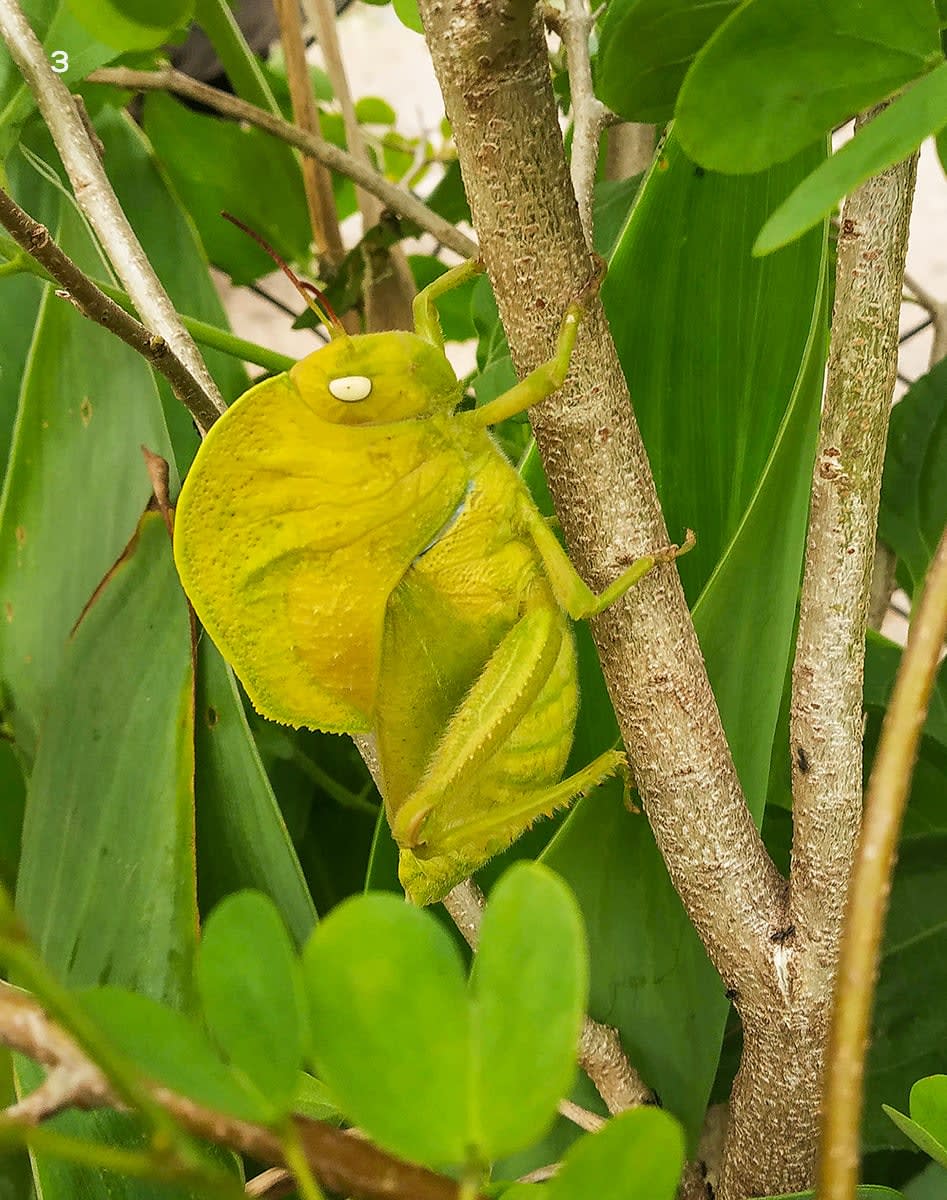
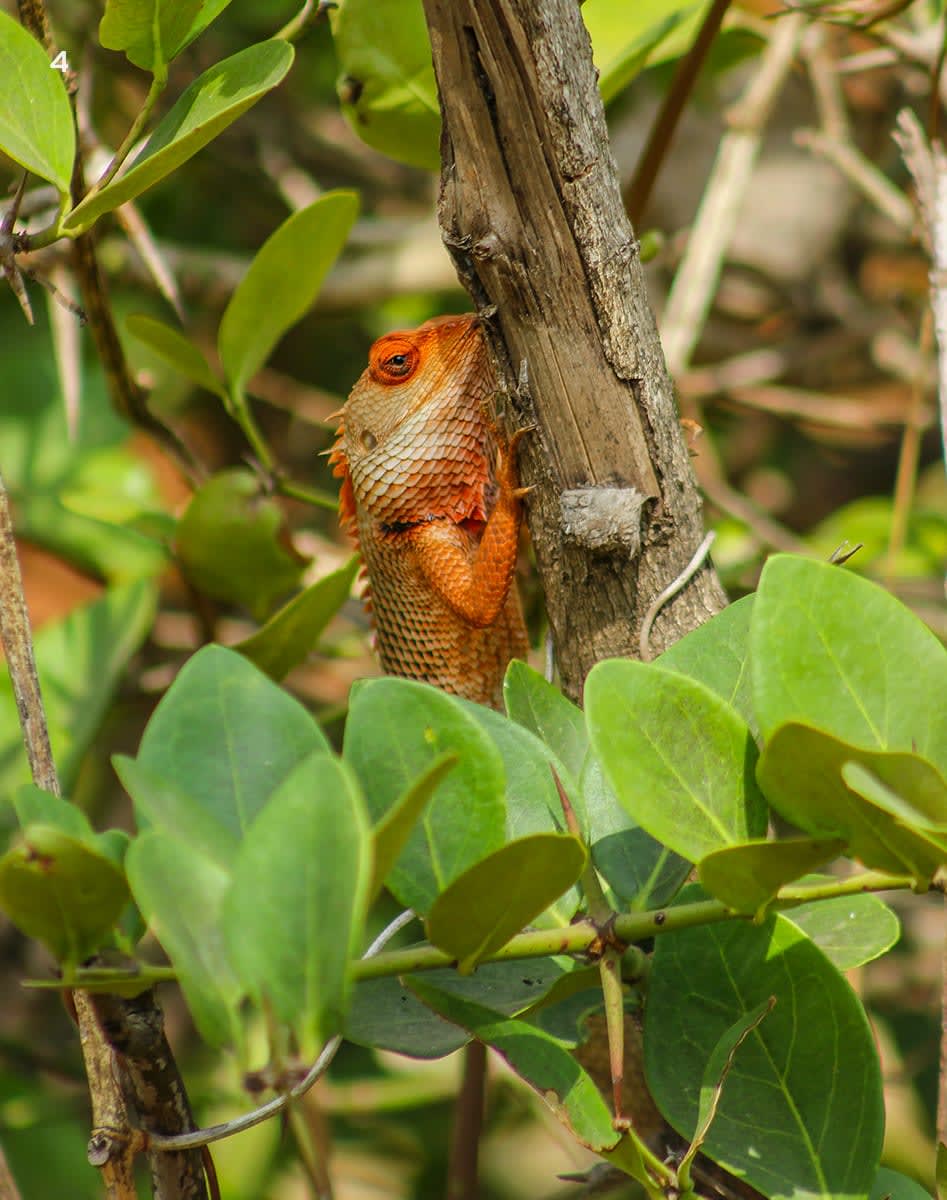
We humans forget that we share this Earth with millions of other species, many of which predate our own existence. Our human-centric development has encroached upon the habitats of other species. When cities expand, where do these animals go? Most larger animals have retreated, though the occasional leopard or gaur may persist in urban spaces, struggling to survive alongside us. However much humans try to wish them away, animals are very much a part of urban reality. In fact, live fences can give biodiversity a chance to flourish in urban areas by providing refuge for squirrels, birds, garden lizards, spiders, butterflies, moths, bees, and a host of other native and migratory insects and birds. Conservation often doesn’t need much from us. Something as simple as planting a live fence can often be the first step in helping nature reclaim a few square feet in our cities. Perhaps we could start looking at boundaries differently, not as lines that separate us from nature, but as a junction where our relationship with it begins.
About the Author