 Listen to this article
•
15:34 min
Listen to this article
•
15:34 min
Of the five most deadly animals in India, the “big four” snakes take the first four positions in terms of number of human victims claimed: Russell’s viper (Daboia russelli), Indian cobra (Naja naja), Indian krait (Bungaras caerruleus), and the saw-scaled viper (Echis carinaus). While the king cobra (Ophiophagus hannah) packs a mighty punch and is capable of felling an adult elephant with a single bite, it probably does not account for a huge death toll, since it is found only in deep forests and is shy by nature. The Indian red scorpion (Hottentotta tamulus), the world’s most venomous scorpion, ranks fifth, with a large proportion of its victims being children.
An estimated 58,000 people die by snakebite in India every year, with the Russell’s viper accounting for 43 per cent of these fatalities — around 25,000! The krait, cobra and saw-scaled viper cause the rest of the fatalities. No comprehensive study has been conducted on the exact breakdown of fatalities, so we don’t have exact figures. All, except the krait, have exceedingly painful bites, and all often lead to very unpleasant deaths from internal bleeding, paralysis, tissue breakdown, or a combination of all, depending on their venomous arsenals.
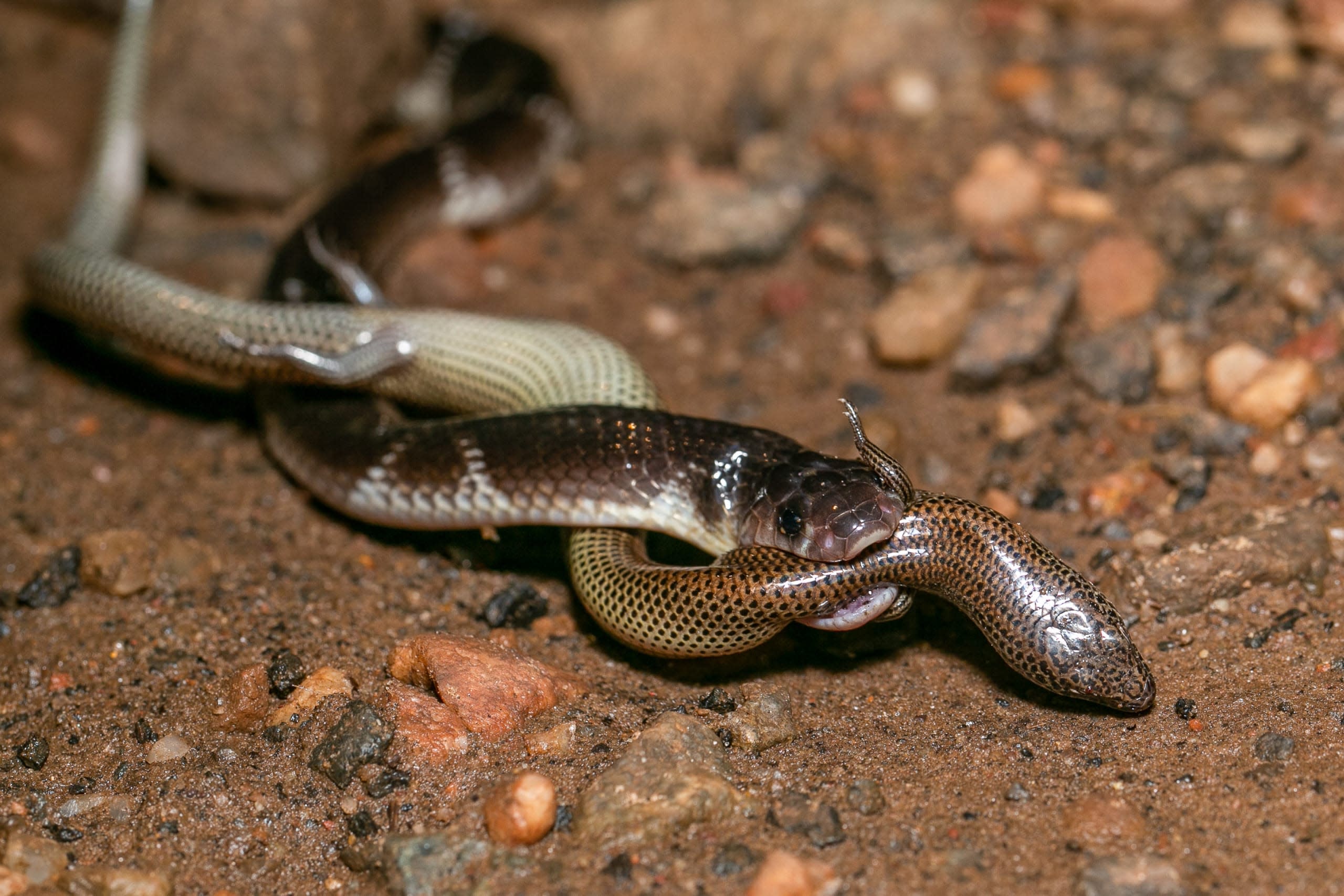
Cover photo: The common krait is a highly venomous species widely distributed across India. It feeds on other snakes, rodents, and lizards. Photo: Saurabh Sawant
Russell’s viper
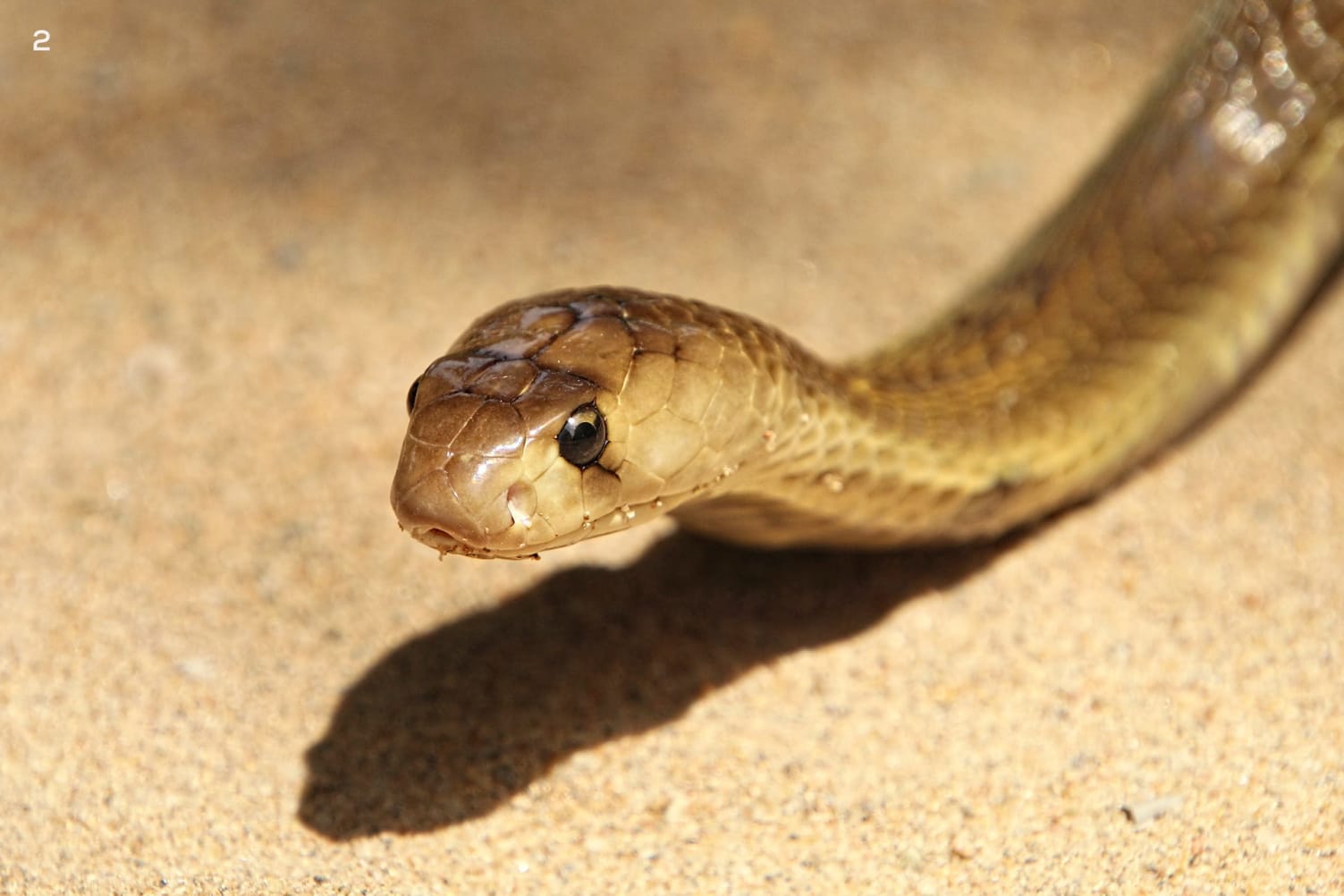
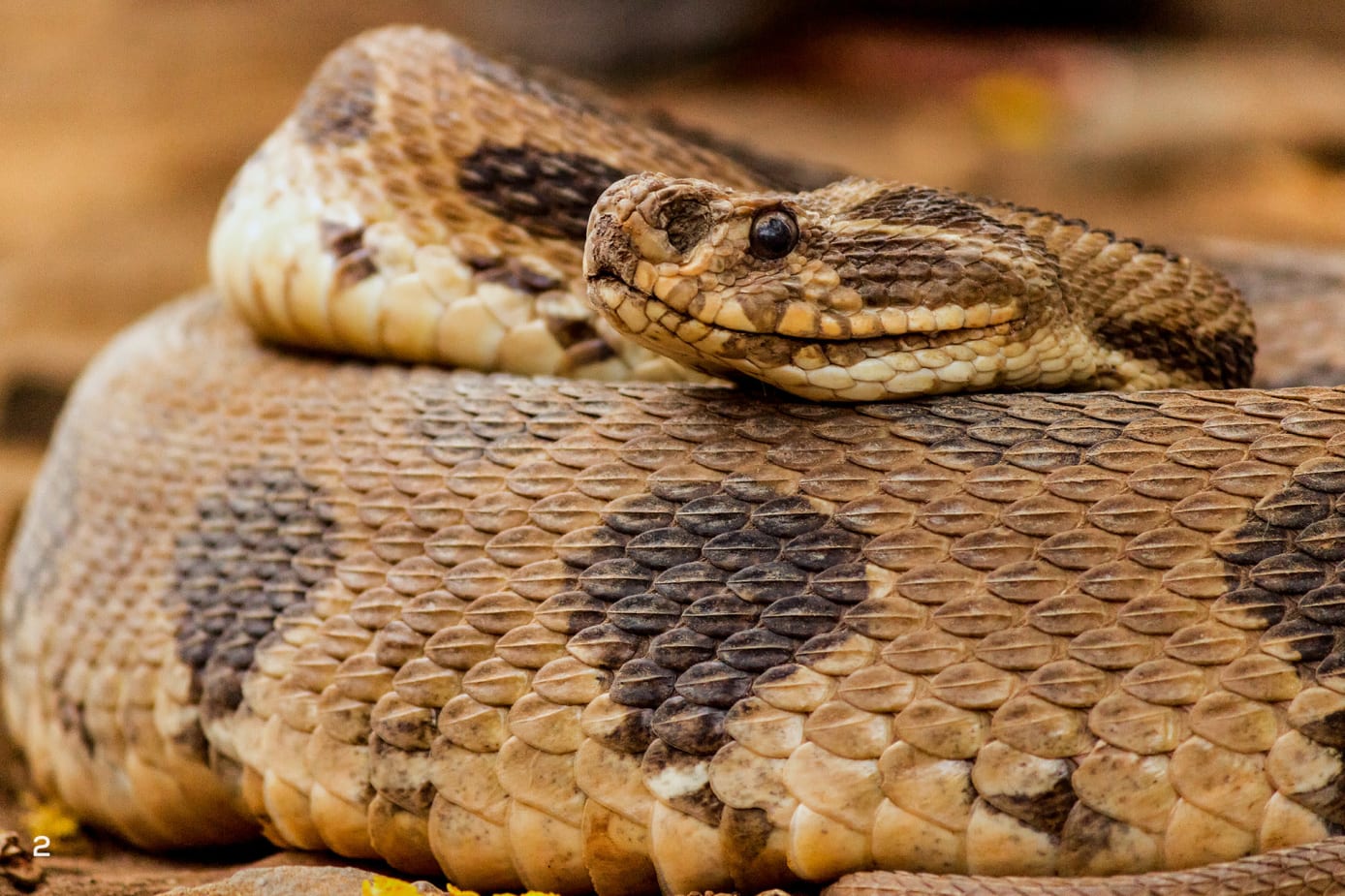
The (often) four-foot-long Russell’s viper is found pretty much in every kind of habitat, nearly all over India, from scrub jungles, plantations, and farmlands to highly urbanised areas. It is sluggish by nature but a lightning-fast striker when aroused. It is nocturnal, hunting mainly rodents, lizards, small mammals and birds, which brings it in close proximity to us. Its bite is hemotoxic (destroys red blood cells), causing internal bleeding and kidney and cardiac failure, unless treated with anti-venom serum in time. This snake pumps up to 268 mg of venom in every bite; the lethal dose for humans is between 40-70 mg. It will cling on, bulldog-like, while biting, often being lifted off the ground by the panicked victim, which has given it the reputation of “chasing” its chosen victims.
Cobra
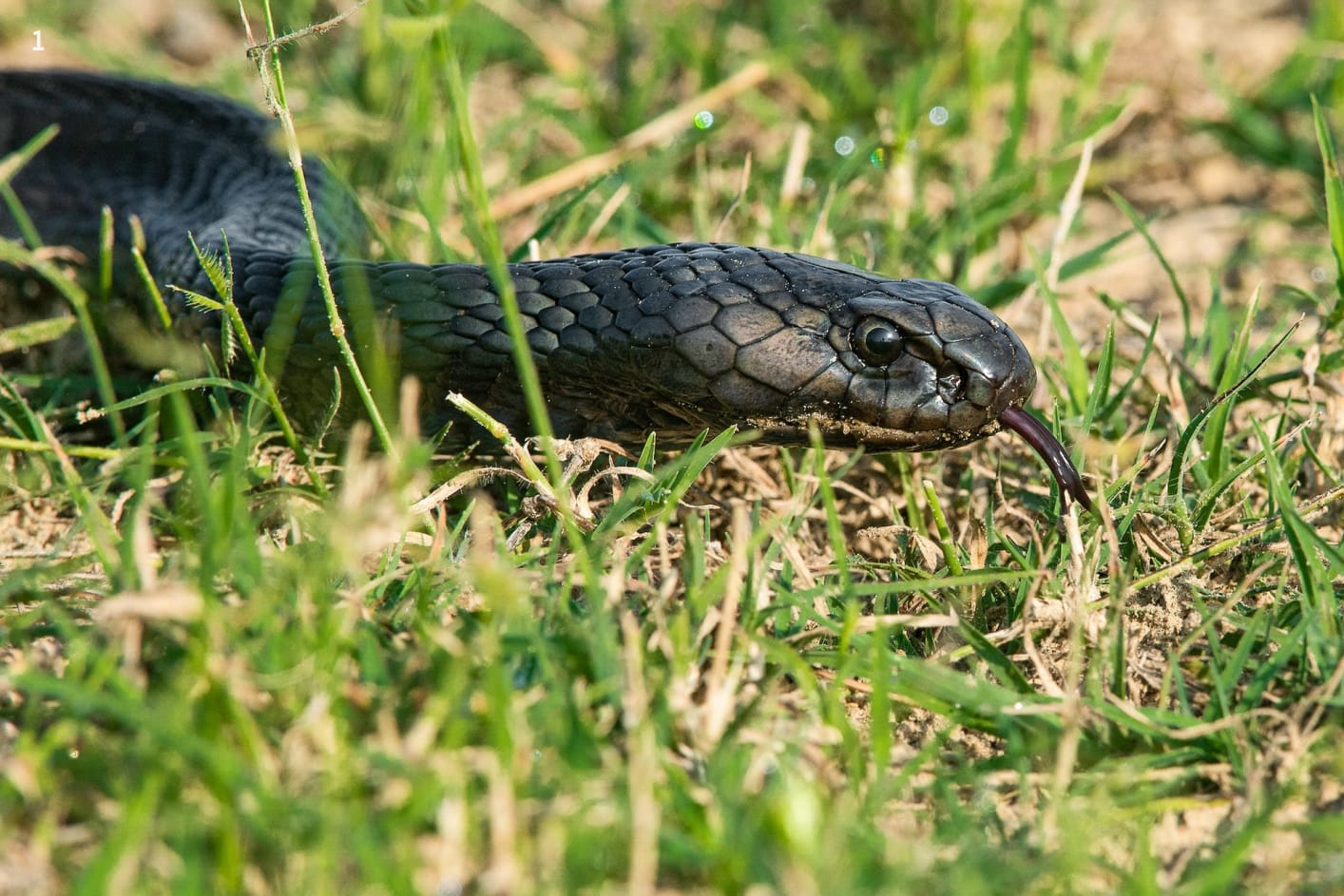
The revered Indian cobra, up to 4.5 feet long, dwells mainly in the countryside — especially paddy and wheat fields, where barefoot farmers and labourers often step on it while harvesting and planting. But it also occurs in rocky areas, wetlands, towns and villages, drawn in by rodents and small reptiles. When threatened, the snake will rear up, flaring its famous hood, and strike, pumping in a paralysis causing neurotoxin and cardio toxin that can kill within two hours. Anti-venom serum is available for this species.
In Hindu mythology, it is revered. The religiously devout often offer it milk (which it cannot drink). Snake charmers have long used this species (protected under the Wildlife Protection Act 1972) after defanging them, to entertain the gullible. I still remember one such charmer, who had been summoned to our school in Madras to winkle out a cobra from the grounds with his “been” (snakes are deaf, by the way), which he did, though there was suspicion that he might have released the snake there in the first place.
Indian krait
The Indian krait is a sly one, and inhabits villages, scrublands, and paddy fields in peninsular and Central India. It is a gorgeous blue-black snake with white stripes and is a nocturnal hunter. It will slither into homes in the dead of night in search of rodents, and may bite sleepers painlessly, causing respiratory paralysis; its victims often never wake up again.
Saw-scaled viper
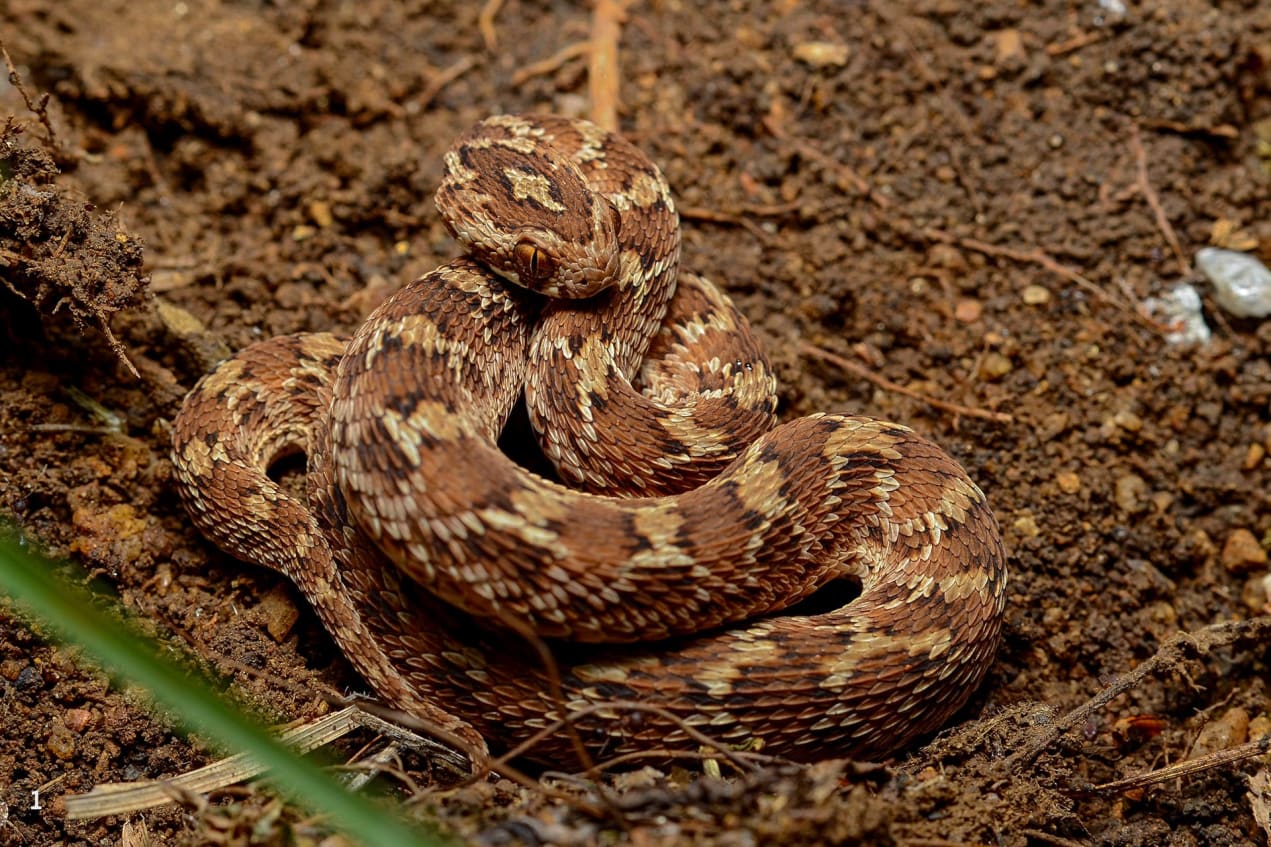
The aggressive saw-scaled viper is widely distributed, especially in drier areas, preferring sandy soils, rocky outcrops, and scrub forests. It is said to make a “sizzling” sound when threatened. Its venom (haemotoxic and cytotoxic) causes widespread tissue destruction and damages the kidneys. This species was used by the late novelist Frederick Forsyth as a killer in his short story in the book No Comebacks.
King cobra
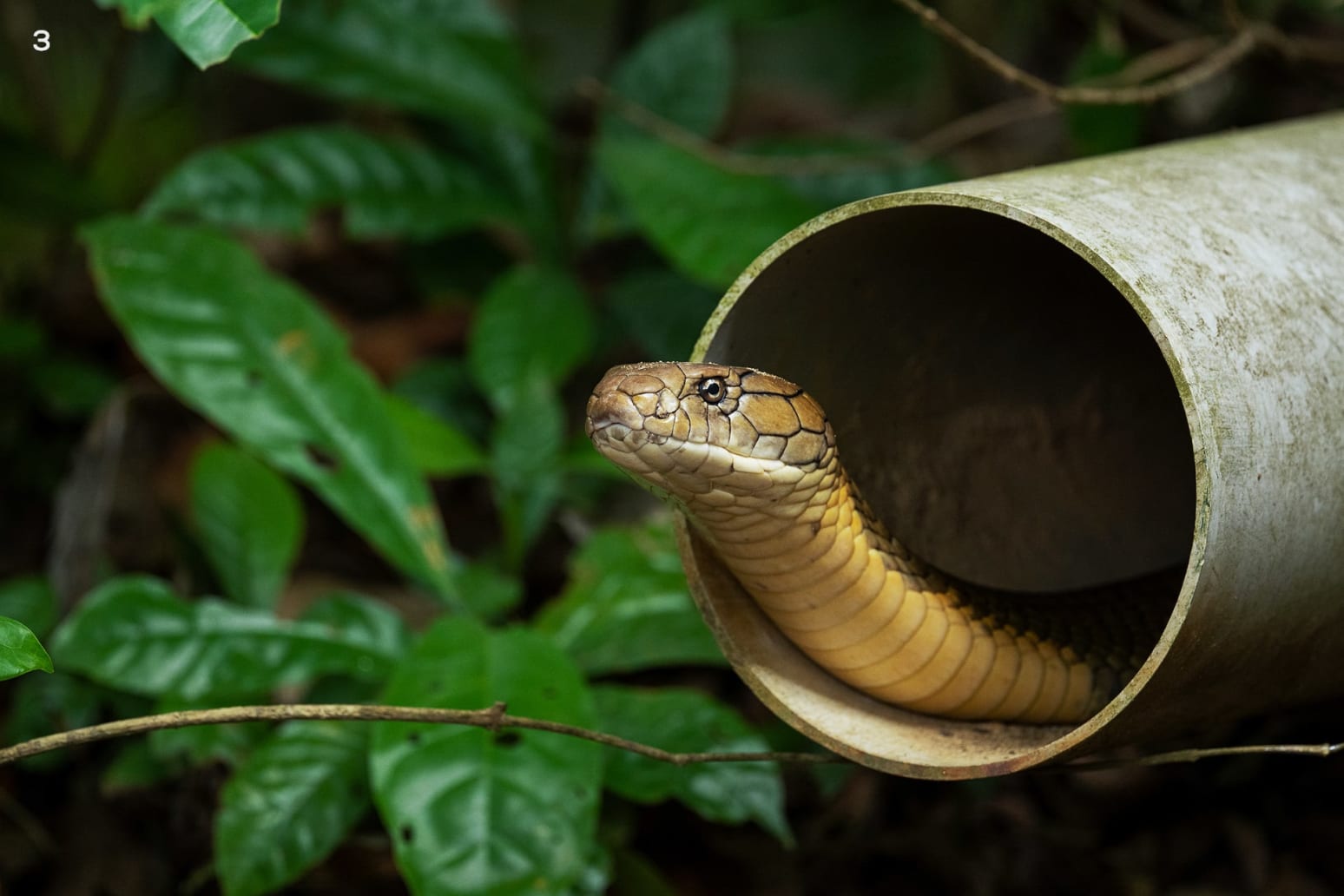
The magnificent and vulnerable (according to the IUCN’s Red List) king cobra is a shy forest dweller, also found in rural areas. It may reach 18 feet in length and is the longest venomous snake in the world. It pumps a huge amount of neurotoxin in every bite.
Indian red scorpion
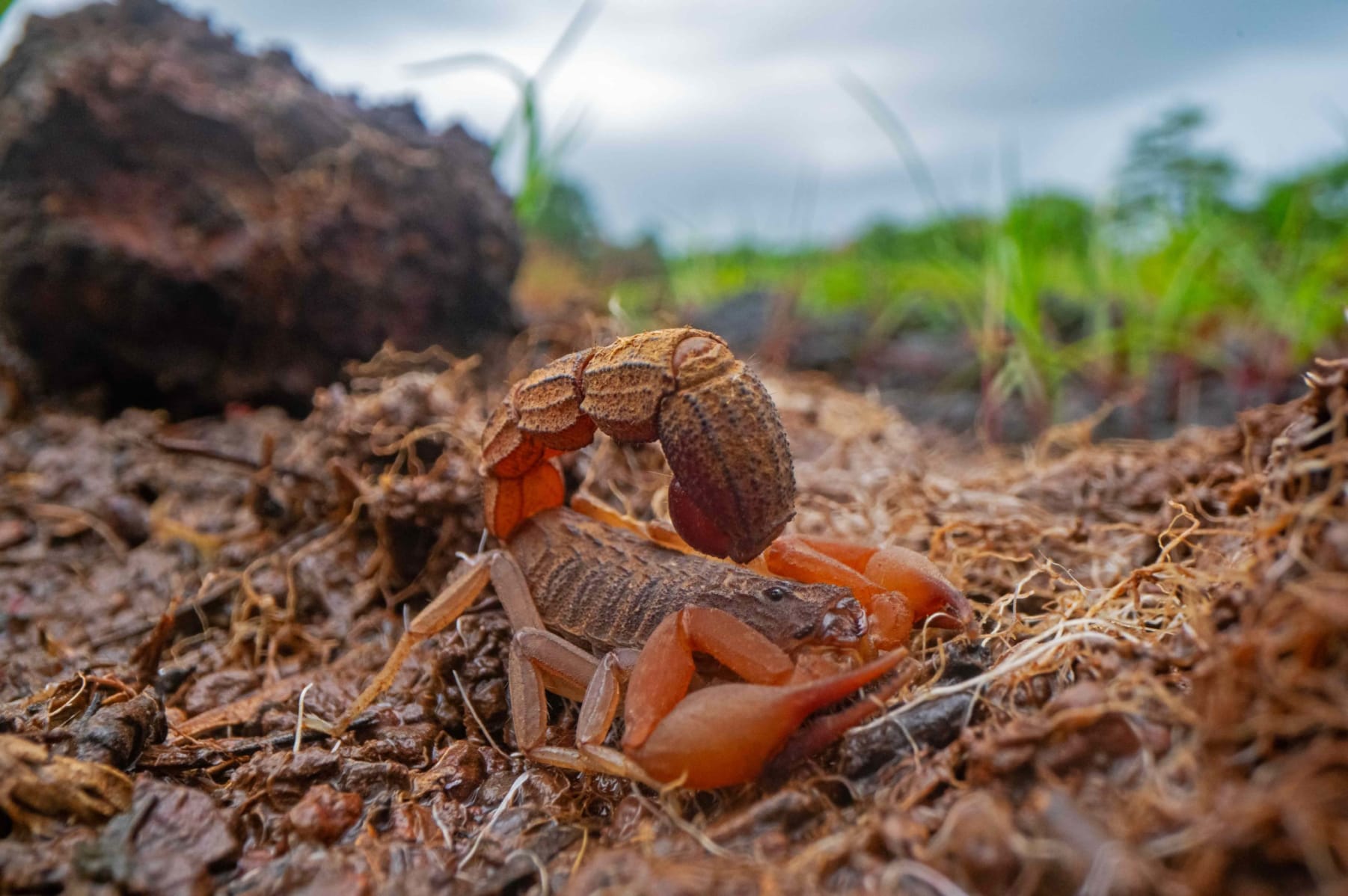
The small (usually 2.5 to 3 inches long) Indian red scorpion, in its fiery red-orange livery, its stinger armed with a powerful neurotoxin, is another sly killer (it has a fatality rate of up to 40 per cent), especially of children. It can enter your home, and maybe fall onto your bed from the ceiling, or hide in your shoes or clothes, as if waiting. But it is, of course, only hunting arachnids, insects, and small mammals. No anti-venom exists for this species, though some drugs have proven to be effective in certain cases. This species has not been adequately studied.
It is high time detailed studies are conducted regarding the breakdown of snakebites in India, considering their colossal toll of human (and animal) life, and proper education given to those who are the most vulnerable in the firing line.
Photo source: Russell's viper
About the Author