


 Listen to this article
•
15:34 min
For decades, the only way to reach Dawodi was a week-long trek from the nearest Indian town, Miao, or an expensive helicopter ride. It is India’s easternmost settlement, ensconced in the Himalayas along Arunachal Pradesh’s border with Myanmar. Its remoteness has kept electricity, water supply, and phone connectivity non-existent or intermittent. The region is part of a globally recognised biodiversity hotspot (India has 4 and there are 34 worldwide).
Since 2010, a 157-km dirt road from Miao has cut through the rugged mountains and forests, reducing travel times. However, only four-wheel drives can traverse it. On one such jeep ride, botanist Vinay Kumar Sahani first arrived in Dawodi (officially known as Vijoynagar) in April 2023 on an assignment with the NGO Society for Education and Environmental Development (SEED).
He documented its flora alone and with help from the local community, often camping in the wild. Over multiple trips, he charted the forest, took thousands of photos, and collected botanical specimens. He even found an orchid that scientists had previously documented only in Myanmar, extending its known range to India.
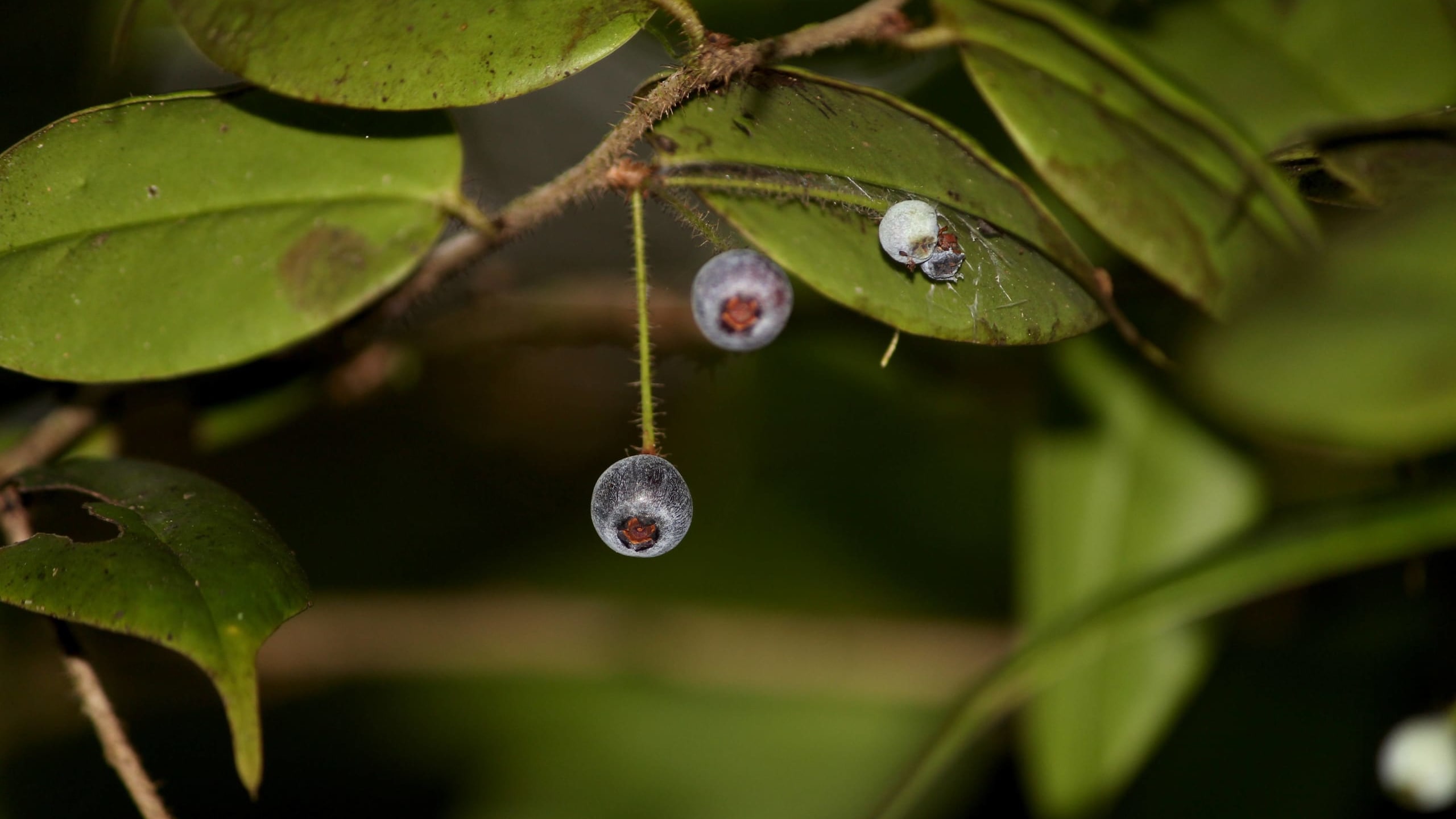
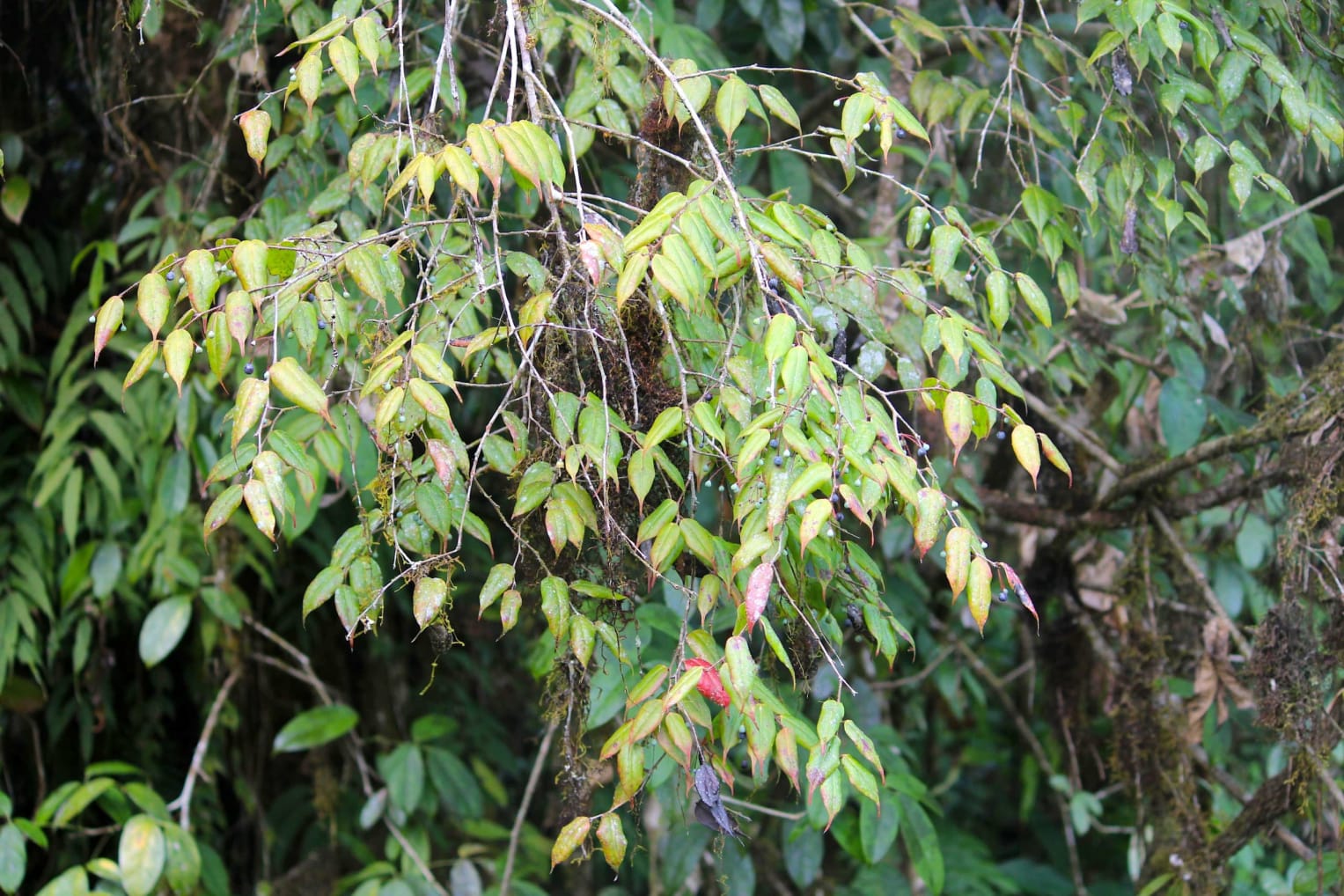
On 6 November 2024, as he was walking along a stream, he observed on its bank a plant he had never seen before. “From its leaves and fruits, I figured it was part of the family Ericaceae. But I didn’t know anything else about it,” he says. Ericaceae is a family of over 4,000 flowering plant species, including rhododendrons, blueberries, and cranberries. It is over 100 million years old, older than many of the mountains (such as the Himalayas) where it flourishes today.
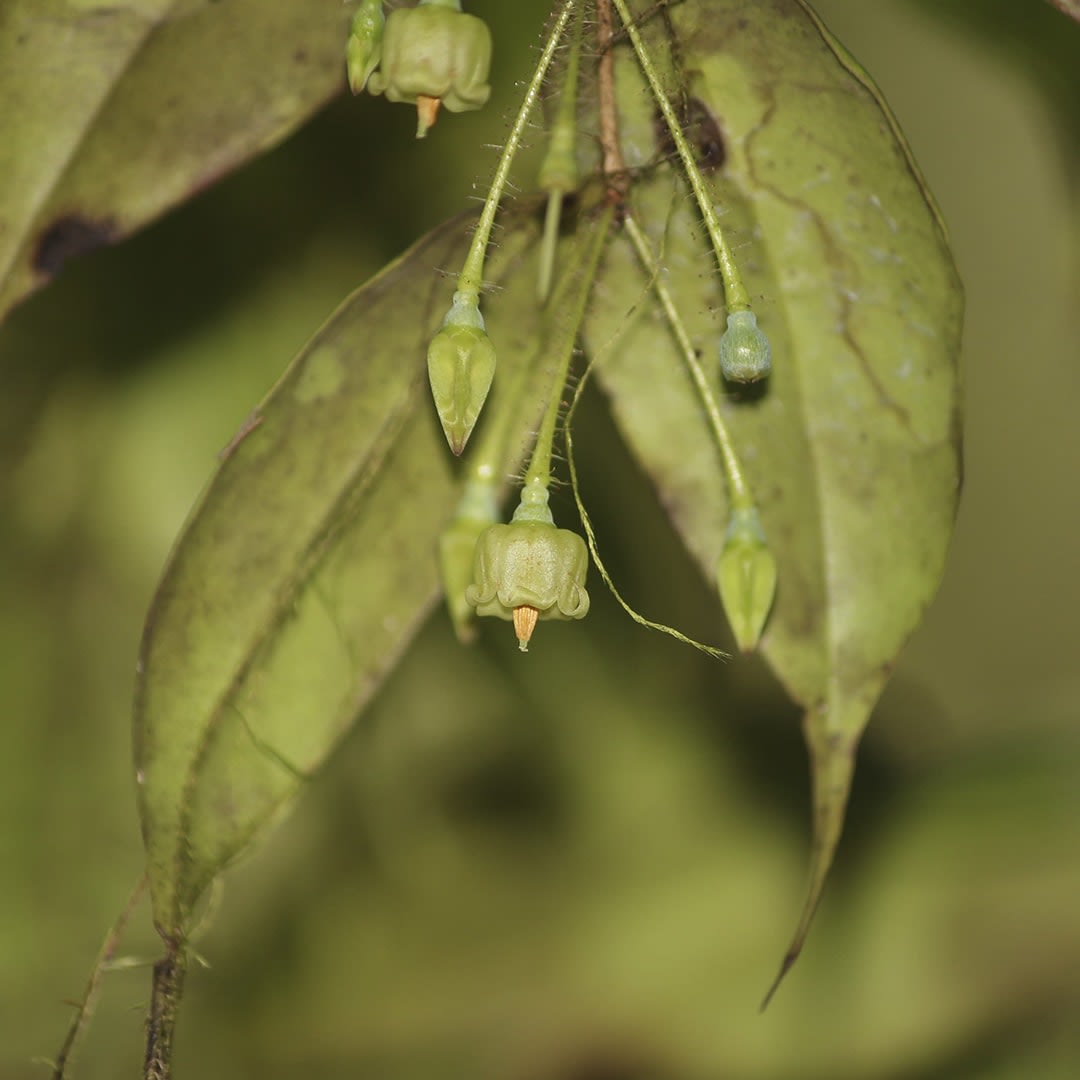
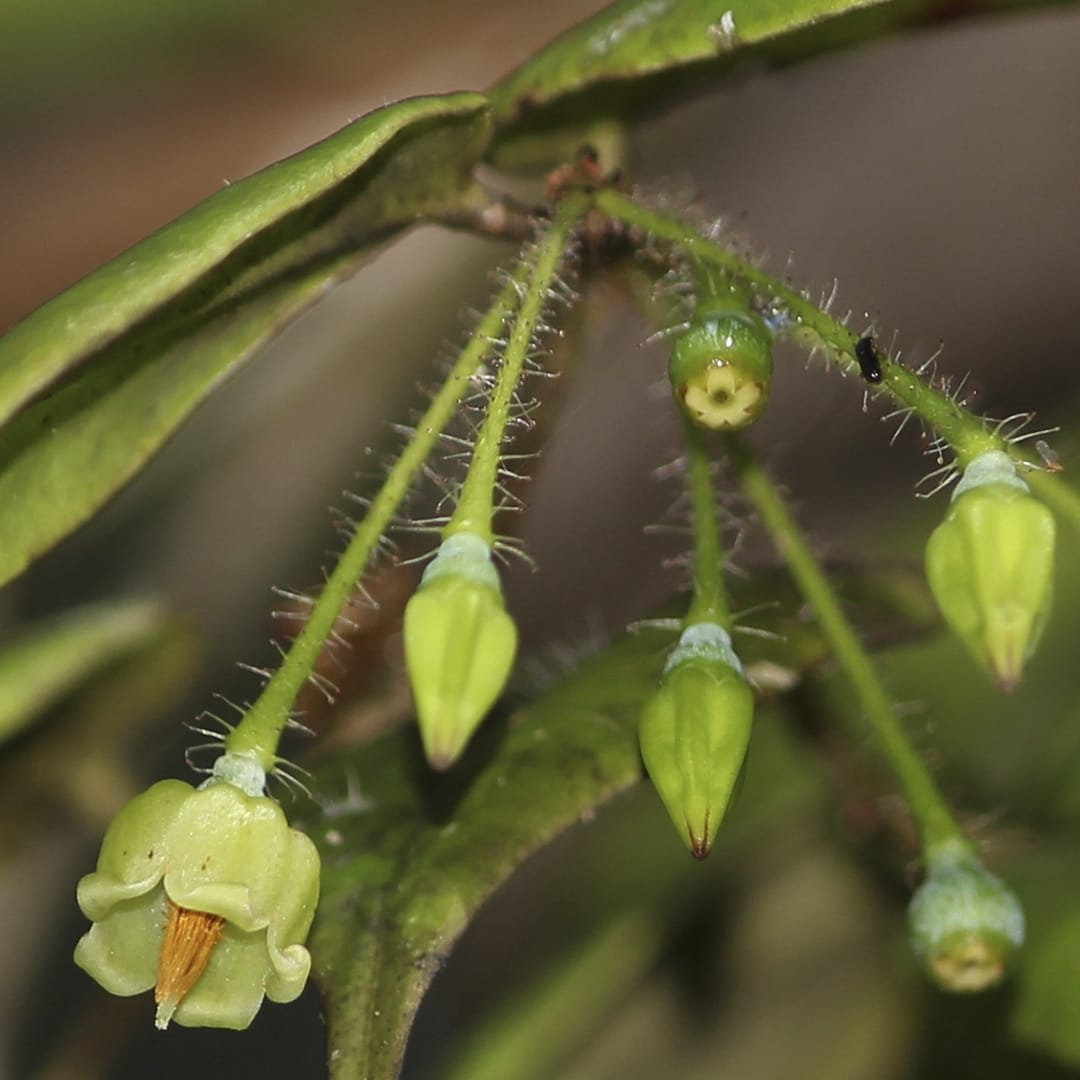
Vinay consulted Minom Pertin, who heads SEED, and other botanists to learn more about the plant. One of them was Dipanwita Banik, a scientist at the North East Institute of Science and Technology (CSIR-NEIST) in neighbouring Assam. “I had earlier collaborated with Vinay to identify multiple species, including the flowering shrub Agapetes wardii,” she says. “He shared a photo of a fruiting plant. While I have mostly worked on the genus Agapetes, I recognised it belonged to the genus Vaccinium.” Vaccinium and Agapetes are closely related and belong to the Ericaceae family.
Dipanwita connected him with Subhasis Panda, a scientist she had worked with at the Central National Herbarium in Howrah. “Between 1999 and 2004, I revised and updated the classification of nine genera in the Ericaceae family, including Vaccinium. Subsequently, I published many papers on the topic,” says Subhasis. “When Vinay shared the photographs, the plant seemed familiar, but it was difficult to ascertain without the flower. So, I asked him to return to the site and collect more specimens.”
Around six months later, Vinay observed the plant in bloom and shared specimens with them. These helped Subhasis make a definitive assessment: “Its pedicel (flower stalk) was peculiar. It had pilose hair (long, soft, and separate hairs) at a 90-degree angle, a feature unique to only one Vaccinium species: piliferum, a wild blueberry.” Piliferum is Latin for “hair-bearing”.
Subhasis also examined previously collected specimens of the plant: the British naturalist William Griffith first documented it in the Mishmi Hills of Arunachal Pradesh in 1836. In 1850, Joseph Dalton Hooker and Thomas Thomson came across it in what is now the Indian state of Meghalaya. Both are at the Royal Botanic Gardens, Kew (London, UK), which has built a collection of seven million plant specimens over the past 170 years. The 1850 specimen (collected by Joseph Dalton Hooker and Thomas Thomson) is also in the Central National Herbarium, Howrah, which has a repository of two million plants.

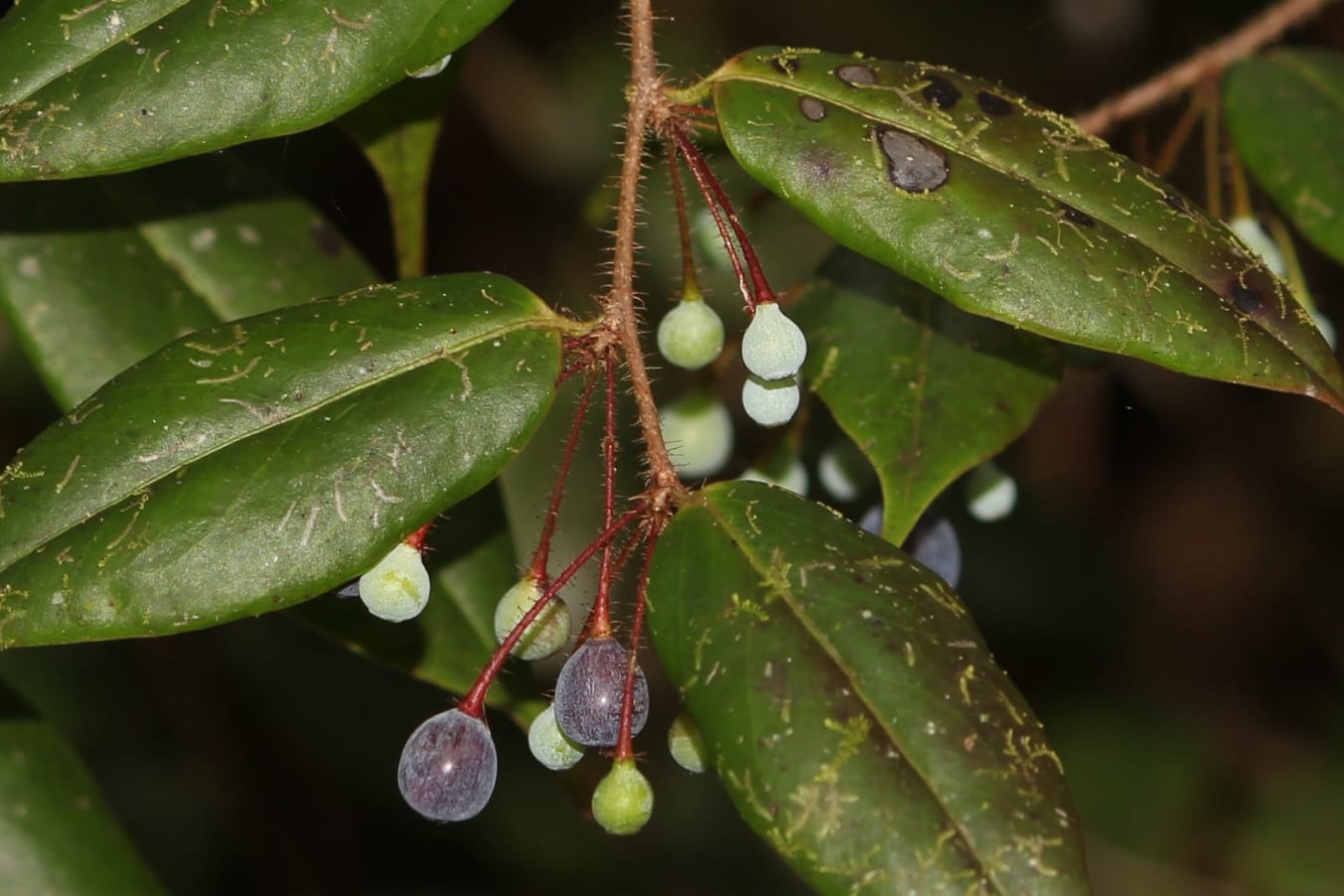
Subhasis accessed Cibachrome prints from the Kew collection and verified the Central National Herbarium’s specimen in person. That helped him establish it was the same species first documented 188 years ago.
To validate such findings scientifically, researchers typically deposit a specimen in a recognised herbarium and document their research in a peer-reviewed journal. Dipanwita has indexed a specimen at CSIR-NEIST, while Subhasis is in the process of submitting it to the Central National Herbarium.
“There is a standard protocol for preparing herbarium specimens,” says Dipanwita. She and Subhasis describe the process: Botanists typically collect three or more sets of the specimen. Each should be about one foot long and include flowers or fruits (indicating the reproductive stage) along with leaves and stems. They dry the specimen using a plant press and blotting paper, which can take 10–15 days.
Once it is fully dehydrated, they “poison” it, that is, submerge it in a solution of rectified spirit (concentrated ethanol) and mercury chloride. While this protects the specimen from insects and mould, especially in India’s hot, humid climate, many herbaria have discontinued it because mercury is highly toxic. However, the practice remains routine in India, and some herbaria accept only poisoned plants.
They dry the specimen again, mount it on herbarium sheets with glue, and add any dissected parts in a corner. They affix a label with details about the plant, its uses, where it was collected, the collector, and more. Once deposited in an herbarium, the specimen becomes a scientific record.
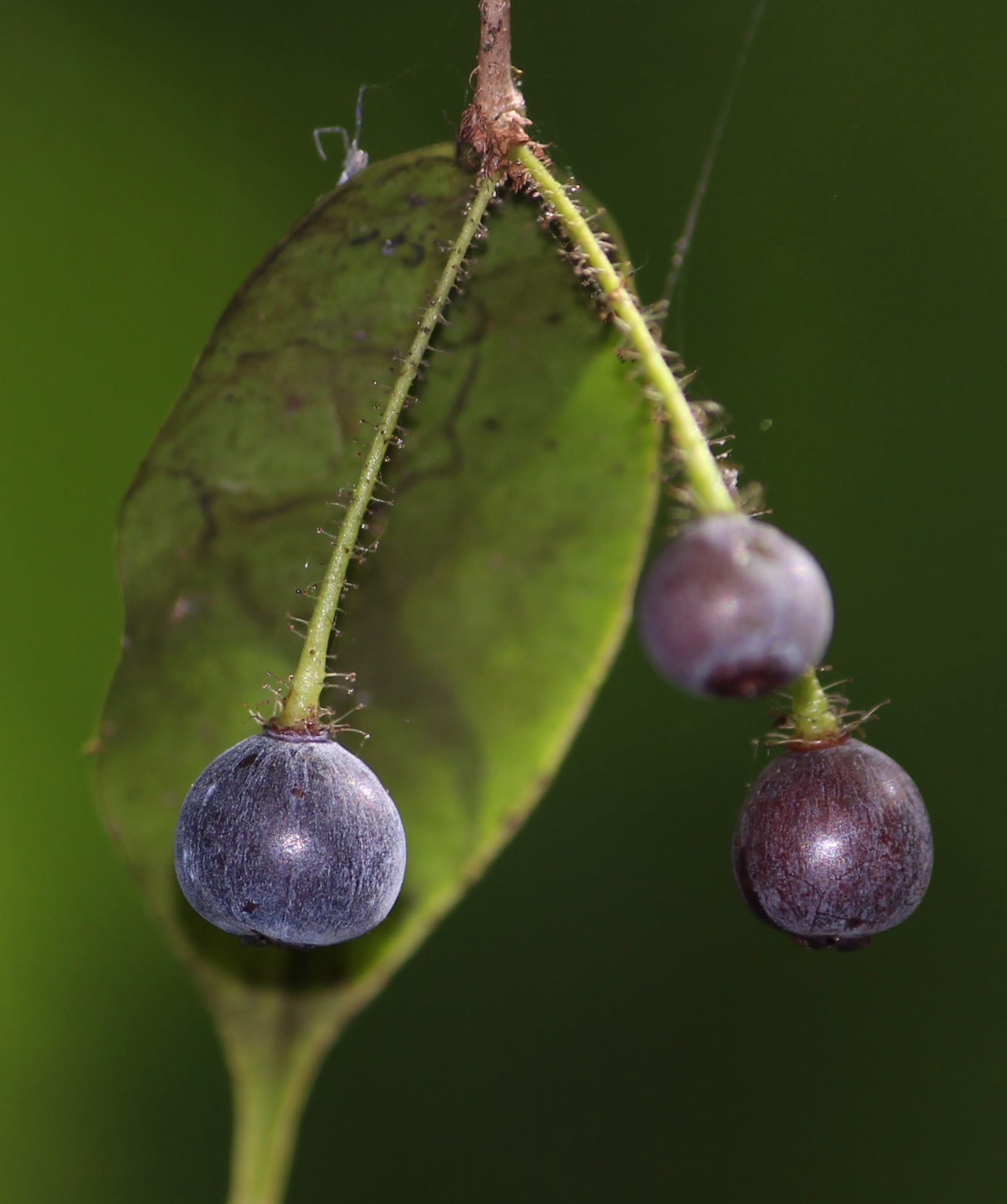
Vinay, Subhasis, Dipanwita, and Minom also coauthored a paper in the peer-reviewed journal Feddes Reportorium. It was published in May 2026 as Rediscovery of Vaccinium piliferum (Ericaceae): An Endangered Species From the Eastern Himalaya Biodiversity Hotspot. The rediscovery of 16 specimens from a 2-sq-km area was finally made public.
In 2022, the International Union for Conservation of Nature (IUCN) last assessed the species as endangered. (The organisation aims to reevaluate species’ conservation status every 5–10 years).
Does its sighting after almost two centuries mean the plant is bouncing back? Not necessarily. Such rediscoveries are common across the globe, including for species considered extinct.
Last year, Aaron Bean, an Australian horticulturist and bird bander, photographed a shrub he found interesting and uploaded it to iNaturalist, an app for recording and identifying natural observations. A botanist saw the photo and recognised it as Ptilotus senarius, a plant presumed extinct since its last collection in 1967.
A 2019 article in Nature Ecology & Evolution mentions that over the past 250 years, “almost 600 plant species have become extinct, but almost as many have been erroneously declared extinct and then been rediscovered”. Scientists David A Keith and Mark A Burgman term this phenomenon the “Lazarus effect”, after the Biblical figure who rose from the dead.
They caution against using lists of extinct plants as indicators of environmental change and note that assessments of threatened species are less reliable. In a 2003 paper, they argue that revisions to these lists often reflect changes in knowledge and taxonomy rather than the species’ population size, which can be difficult to determine. They argue for distinguishing between a change in status and a change in knowledge, with greater transparency about the uncertainties.
Yolisa Yobin, a resident of Gandhigram (about 20 km from where Vinay spotted the plant) who often accompanied Vinay on his botanical expeditions, says, “I had seen the plant many times before, but could not identify it.” Vaccinium piliferum’s “rediscovery” may be more of an advance of scientific knowledge about it than evidence that the plant has bucked the global trend of biodiversity loss.
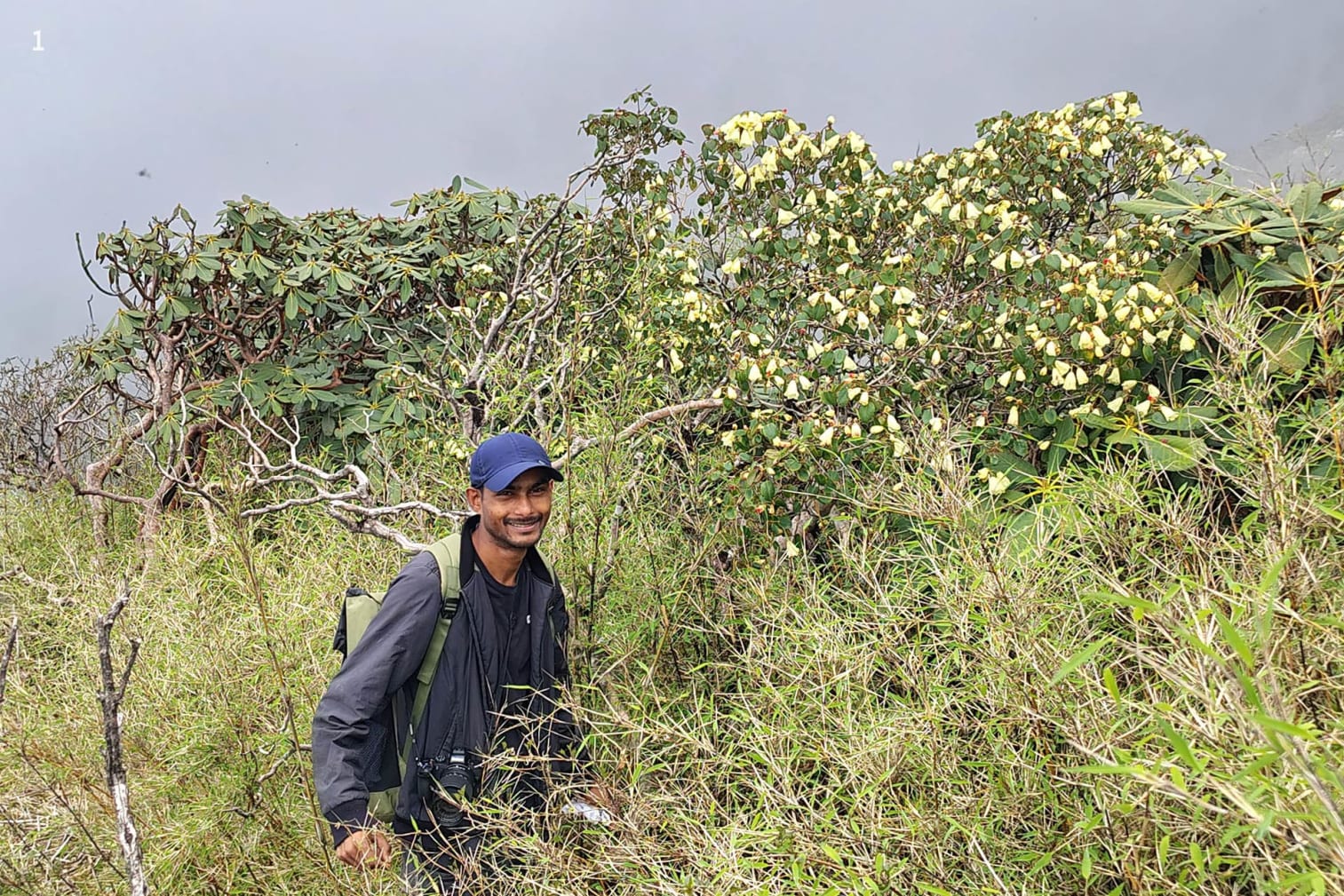
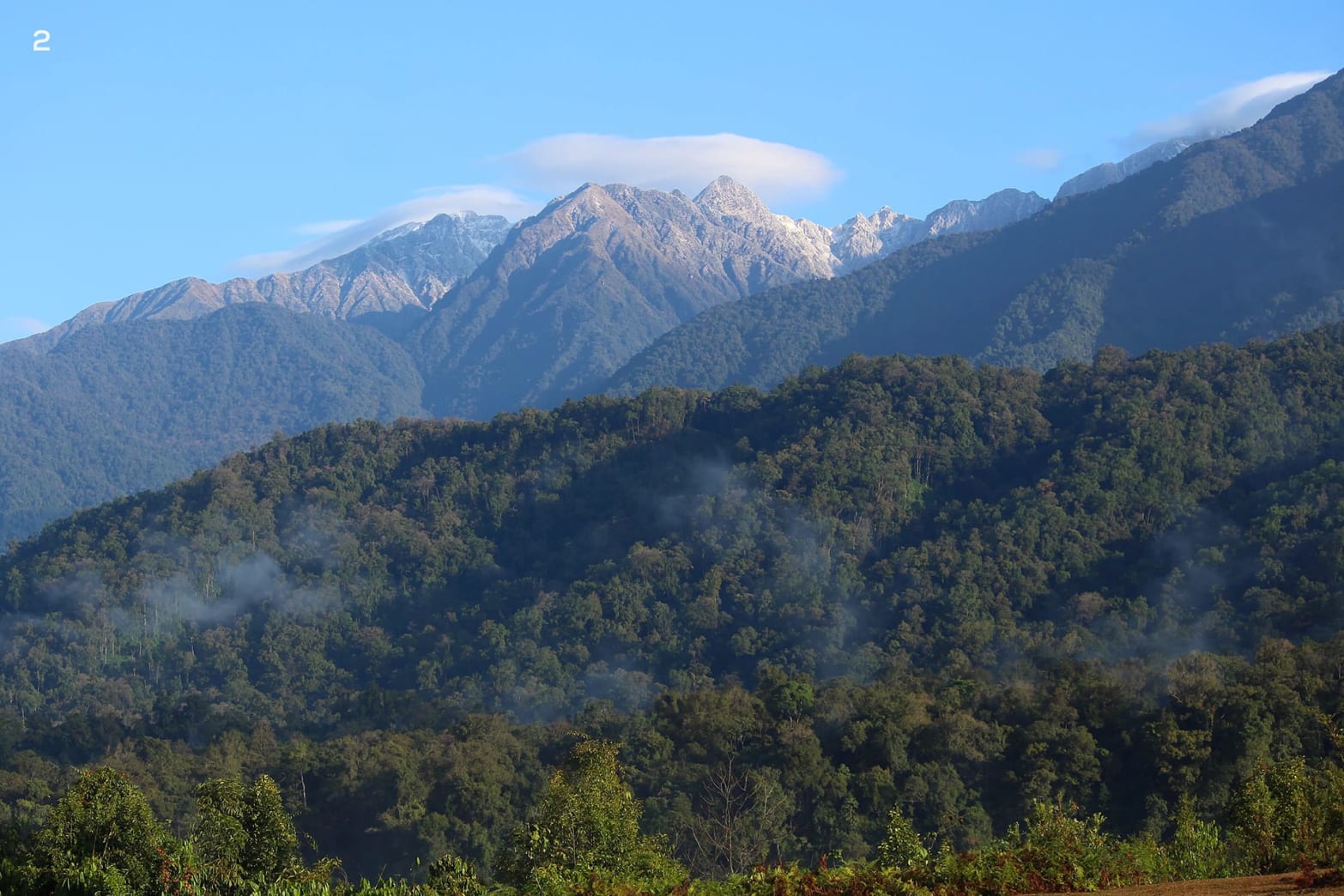
“Since there was no road, few researchers came here earlier. The area is mostly unexplored,” he adds. With more naturalists venturing into the region, there was a spurt in “discoveries”. Yolisa, too, contributed to one such breakthrough. In 2022, he accompanied birdwatchers to Mugaphi peak to spot the grey-bellied wren babbler, which was thought to have been documented only once in India in 1988. They didn’t find the bird but instead came across a potentially new species they christened the Lisu wren babbler (Lisu, also known as Yobin, is the region’s indigenous community).
Subhasis wanted to explore the area in the 1990s but did not get permission. “There was cross-border insurgency, so the place was off-limits to researchers,” he explains. Political unrest has often impacted science and conservation in Northeast India. In 2011, suspected rebels kidnapped (and later released) World Wildlife Fund for Nature (WWF) volunteers conducting a census of tigers and elephants in Manas National Park, Assam.
In 2026, the obstacles are more surmountable. Vinay contended with blood-sucking leeches, the lacerating bites of flies locally known as damdum, inclement weather, stream crossings with slippery boulders, and forged trails through dense forests. But it was all worth it once he saw the forest for the trees — or in his case, blueberries.
About the Author



