Listen to this article
•
15:34 min
Listen to this article
•
15:34 min
Imagine you’re out on a walk along the shore and you see a whale washed ashore. It’s a gut-wrenching tragedy, yet a strange opportunity to witness something extraordinary. A stranding is when a dolphin or whale (marine mammal) ends up on a beach and cannot return to sea. If the animal is still alive, it’s a live stranding; if it’s dead, it’s simply a stranding.
Marine mammals live in the ocean. They need to come to the water’s surface to breathe air through lungs, have hair, and produce milk to nurse their young. Globally, they belong to five main groups: cetaceans (whales, dolphins, and porpoises), sirenians (manatees and dugongs), pinnipeds (sea lions, seals, and walruses), sea otters, and polar bears. They are long-lived, grow slowly, and have relatively few offspring. Bowhead whales found in arctic and subarctic waters are one of the longest living marine mammals, with an estimated lifespan of over 200 years! Marine mammals are highly social, often living in groups with complex hierarchies. Because visibility is limited underwater, many rely on sounds, not only to communicate and socialise, but also to find prey and navigate.
In India, around 30-35 species of marine mammals (cetaceans and sirenians) are found. Much of what we know about them comes from current and historical stranding data. While stranding is a tragic event, it offers those studying these elusive animals access to them that would otherwise be logistically and technically challenging. Strandings are not uncommon and can provide vital information about species that are otherwise difficult to study in the vast and deep ocean.

Cover Photo: Of the 17 species of dolphins found in the Indian waters, spinner dolphins (Stenella longirostris), named for their habit of leaping and spinning diagonally out of the water, are widely distributed in our waters. Photo: Umeed Mistry
Back to the beach, if you’ve seen a stranded animal, you will wonder what happened. How did this intelligent, ocean-roaming creature, sometimes found in the farthest and deepest parts of the ocean, end up on land? The reasons are many, and sometimes mysterious.
Strandings can occur naturally or because of human activity. One of the simplest explanations is that the animal was sick, diseased, or injured. When an animal is too weak to swim properly, it can be carried towards the shore by currents and storms. You can have young or inexperienced animals, such as calves, that can become lost and stranded because they haven’t yet learned to navigate their way through the ocean. Sometimes, the topography of certain coastal areas is the culprit, trapping animals in shallow waters where they are unable to return to sea and are at the mercy of the tides. In many cases, sadly, the animal does not survive.
In places like New Zealand, mass strandings are most likely seen in pilot whales, emphasising the extraordinary social bonds they share. When one gets stranded, due to disorientation, sickness, or because of human activity, the whole pod may follow, regardless of the reason. It’s a heartbreaking testament to their strong social attachment. While some strandings do occur naturally, many others are also closely tied to human activities.

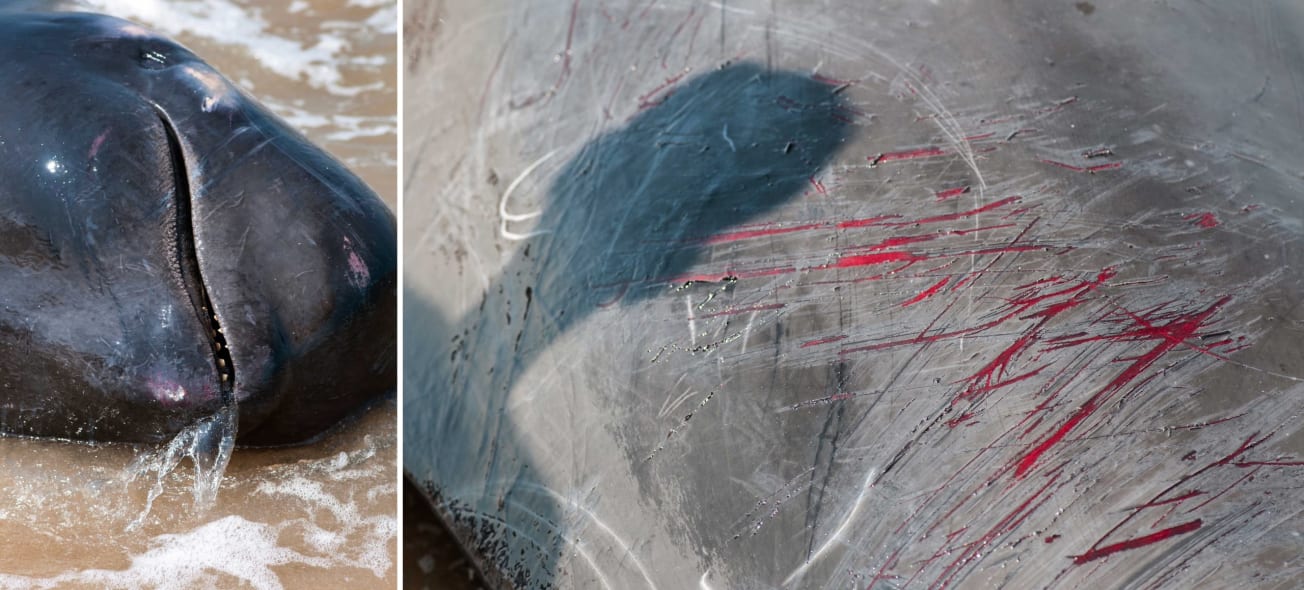
Human activities have edged far into the depths of the ocean, contributing to strandings. Some fishing practices, for example, pose real threats. While chasing fish, dolphins and porpoises often get caught in active fishing nets such as gillnets, or in abandoned or ghost nets that float in the ocean long after being discarded. Once entangled, the animals may suffocate, struggle, or sustain deep injuries that can be fatal.
Shipping traffic is another human activity that has led to strandings. With maritime routes becoming busier in recent decades, collisions with boats and ships have increased when marine mammals come to the surface to breathe and get injured or even killed. Even if the animals escape with a few physical cuts, noise pollution from these vessels can compromise their ability to communicate, navigate, and hunt.
Researchers have documented that the continuous noise from boats and ships can mask the sounds marine mammals rely on, disrupting communication and their ability to hunt. Sudden, sharp noises from activities such as naval sonars or seismic surveys can cause hearing damage, disorientation, or even death. The documentary The Sonic Sea portrays this vividly.

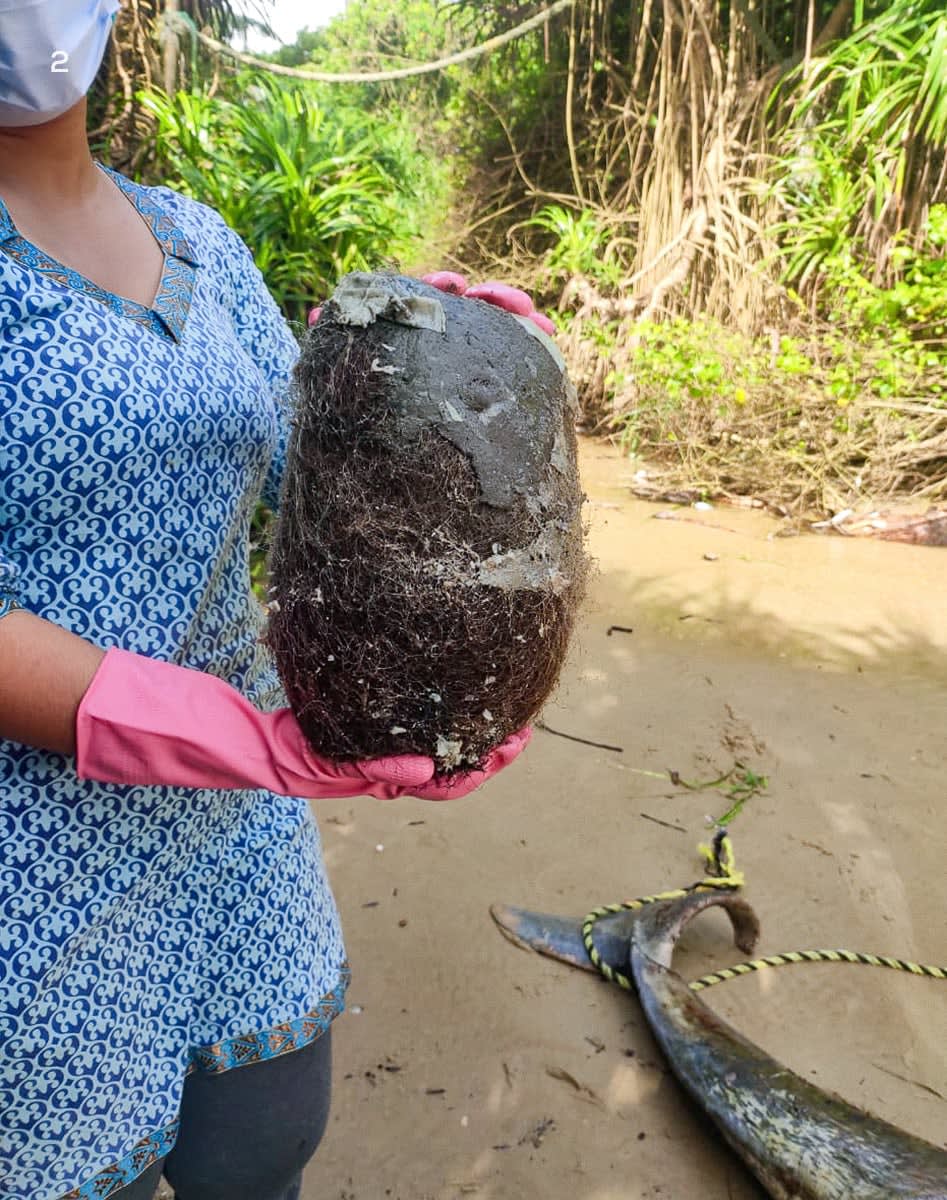
Another age-old problem for sea creatures is chemical pollution, including oil spills and toxic industrial runoff. This can further weaken animals, making them more vulnerable to disease, injury, or predation. All these human-related factors, coalescing with natural environmental challenges like strong tides, storms, and rapidly changing currents, increase the risk of stranding.
With so many suspects in this mystery, how do we know what caused the stranding? When a stranding occurs, scientists often conduct a necropsy, which is an autopsy for animals. These offer a wealth of information not only on the cause of death, but also on their structure, diet, habitat, and potentially behaviour. For instance, scars or injuries on the animal can reveal past encounters with predators or humans, such as net entanglements or boat collisions. If scientists find heavy metals and toxins, they know pollution can be implicated as the culprit. Teeth and bones tell us the animal’s age, their reproductive organs help identify the sex and reproductive status of the stranded animal, and analysis of the contents of their gut provides clues about their diet and feeding habits. For example, finding a half/fully digested squid in a sperm whale’s stomach suggests it lives in deep offshore waters where squid is found, whereas a bottlenose dolphin with a stomach full of crunched up mullet is likely to live in coastal waters. Even elusive species like beaked whales, rarely seen alive, can be studied through strandings, offering a peek into their hidden lives. Together, these findings tell us a lot about marine mammal biology, behaviour, and ecology that is otherwise impossible to study at sea.
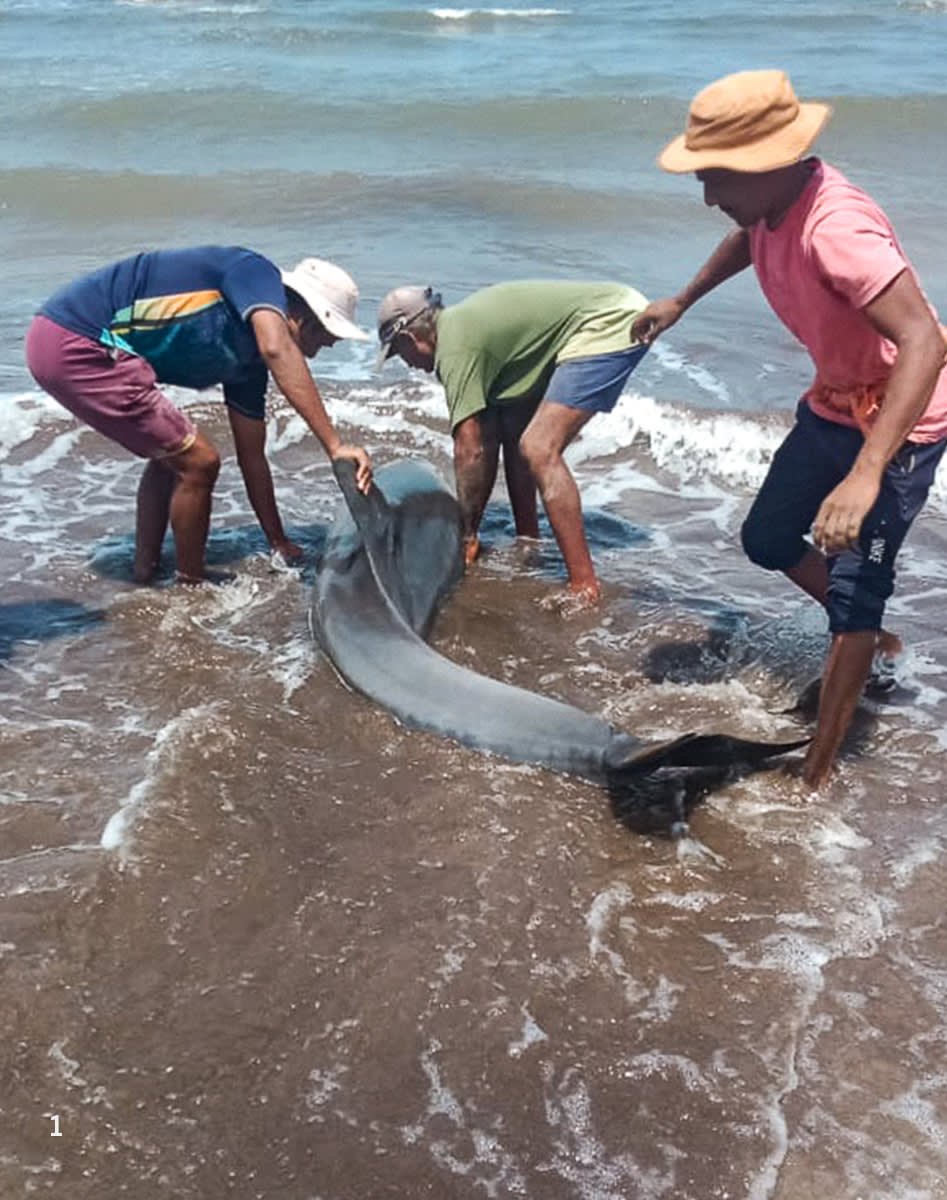

Strandings are common along coasts worldwide. Often, no one realises such an event has occurred unless someone stumbles upon and reports it. Most scientific information can be extracted only when the carcass is relatively fresh. If left unattended, the carcasses decay, fill with gases, and may even explode! This brings us to the importance of stranding networks.
In many countries, strandings are documented by well-established coastal networks equipped with research teams with advanced facilities to study and monitor these mammals. In India, although we have several passionately dedicated researchers and highly driven local groups building similar efforts, the limited infrastructure to host and study these species still poses a challenge. In India, with its long peninsular coastline, these studies tell us where marine mammals may be present even if we rarely see them. They help track their seasonal migrations, provide clues about the impact of human activities on ocean ecosystems, and strengthen our conservation efforts.
Strandings are therefore a bit of both: tragedy and opportunity. These magnificent, sentient beings may perish, but their death tells us stories of vulnerability, resilience, and the urgent need to protect them. So, the next time you see or hear about a whale or dolphin washed ashore, you might see both tragedy and a story waiting to be understood.
About the Author