Listen to this article
•
15:34 min
The idea of walking the entire length of a river has fascinated me for a while. River Koushika, originating in the foothills of the Kurudi Hills on the northern outskirts of Coimbatore, traverses east for over 50 km before merging with the Noyyal near Mangalam, Tiruppur. This was the perfect choice for my river walk given its proximity to my hometown of Coimbatore and manageable length. Our plan was to cover this distance in about 10 days, with planned stops for birding and to make checklists on eBird.
The Koushika has been drying up for decades because human activity and severe groundwater depletion have turned the river into an ephemeral channel, with occasional monsoon pools that last only a few days each year. Locals who live along its banks told us that it flowed for about three months after the monsoon in the 1960s and 70s. Local organisations are making efforts to revive the river, but the benefits are yet to be seen.
For most of our journey, we walked on this dry riverbed. We were a small group of birders who showed up diligently every morning to complete this journey on foot. We walked for about four hours every morning, from dawn to about 10 am, covering 5-6 km. We stopped every half kilometre and spent five minutes on eBird completing a stationary checklist before continuing. Stationary checklists are generated at a single point for a fixed duration of time during which all birds observed are recorded. At 10 am, we went home (since bird activity dropped after that) and resumed the next morning where we had left off the previous day.
I started this walk with no great expectations. The aim was to cover the river’s length on foot. The birding aspect was a bonus, and it turned out to be one of the most fascinating and fulfilling experiences of my life.

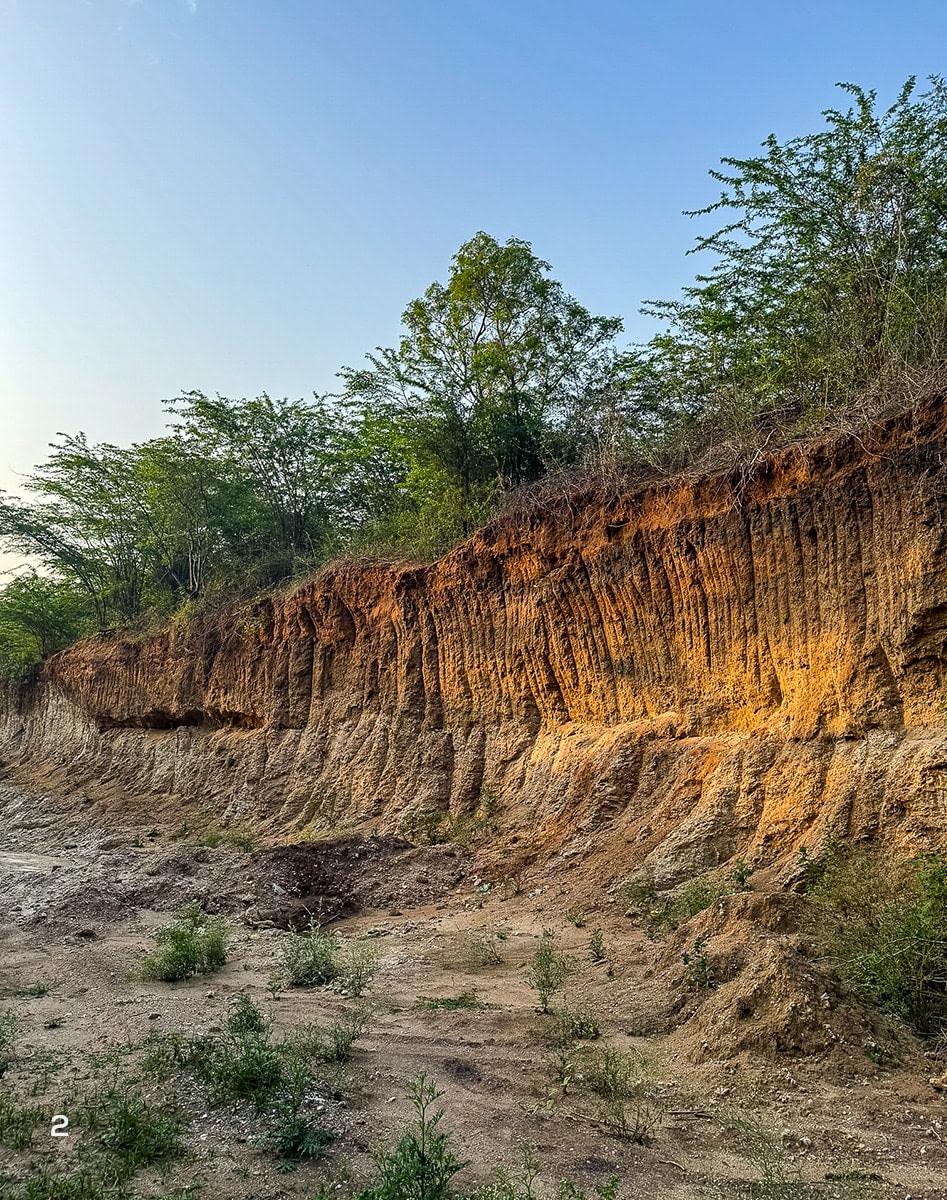
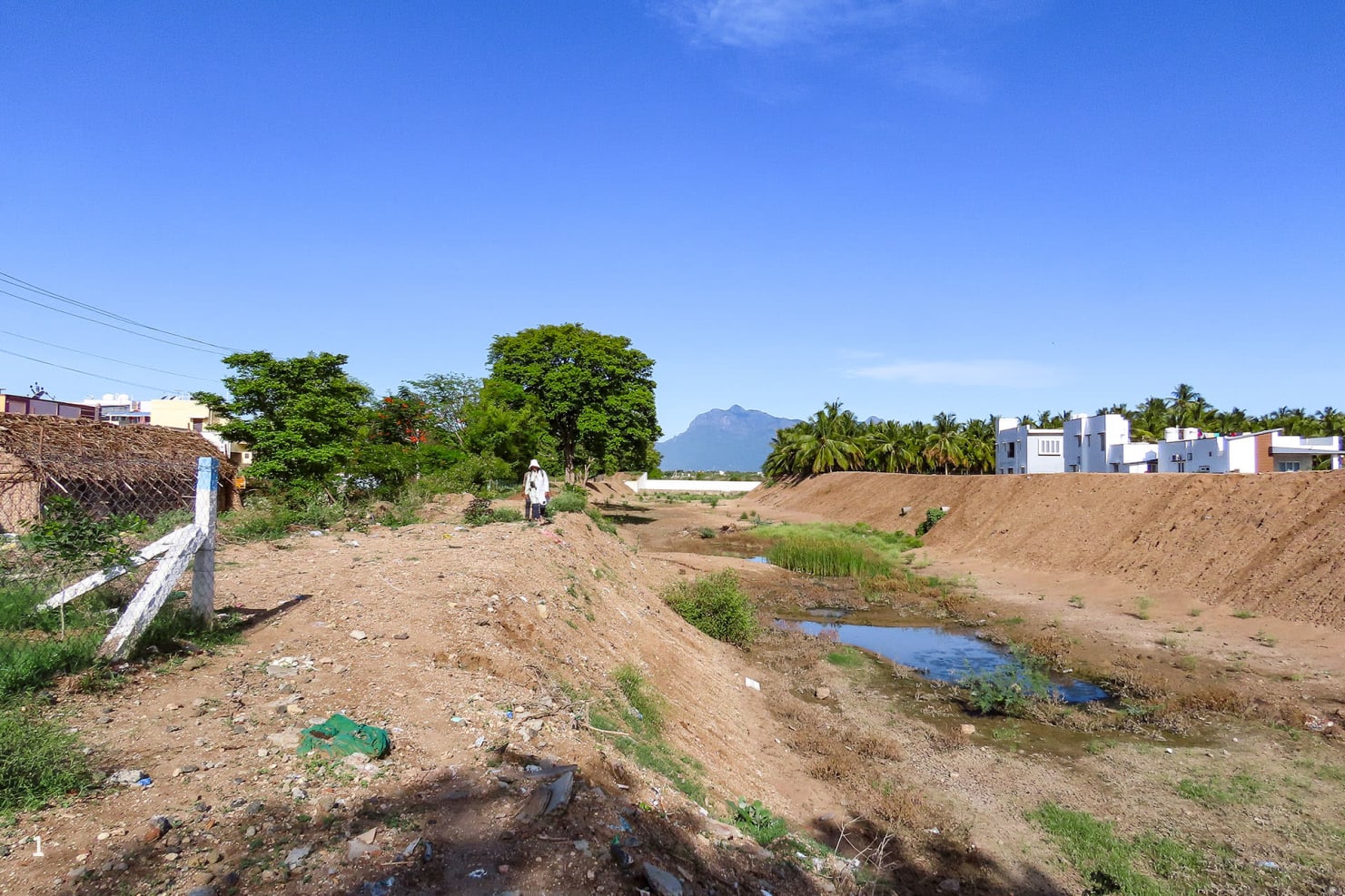
There were also many moments of frustration and sadness. The mounds of garbage we saw in Kovilpalayam were appalling. Sewage was draining directly into the river in multiple places. Near industrialised areas like Vagarayampalaym, we saw foundry waste being dumped straight into the riverbed. Unchecked quarrying was rampant near Kallipalayam. There were also many instances of encroachment.
Despite these harrowing sights, this walk was memorable for its abundant birdlife, animal activity, native plants, and my initiation into the world of insects. We recorded nearly 100 bird species, a staggering number for the dry season in May 2026. This included numerous wetland bird species, a healthy presence of raptors, and active nesting sites on abutting farmland.
On day one, amidst large boulders and rubble, we followed a deep ravine formed by seasonal rivulets from the Kurudi Hills. We followed animal and goat-herder tracks and descended into the ravine. At the bottom, the temperature dropped significantly, probably because of the lack of direct sunlight and the shade provided by the plants and shrubs growing on the ravine walls. On our way out of the ravine, we nearly stumbled upon a Russell’s viper sunning itself quietly on a patch of gravel.
The area surrounding the river’s origin was filled with bird calls and the buzz of bird activity at dawn. We heard scimitar babblers and grey junglefowl in the distance and even saw a herd of gaur making its way down the mountain slope. We heard but couldn’t spot a sirkheer malkoha; we noted all the birds we saw and recorded some calls.
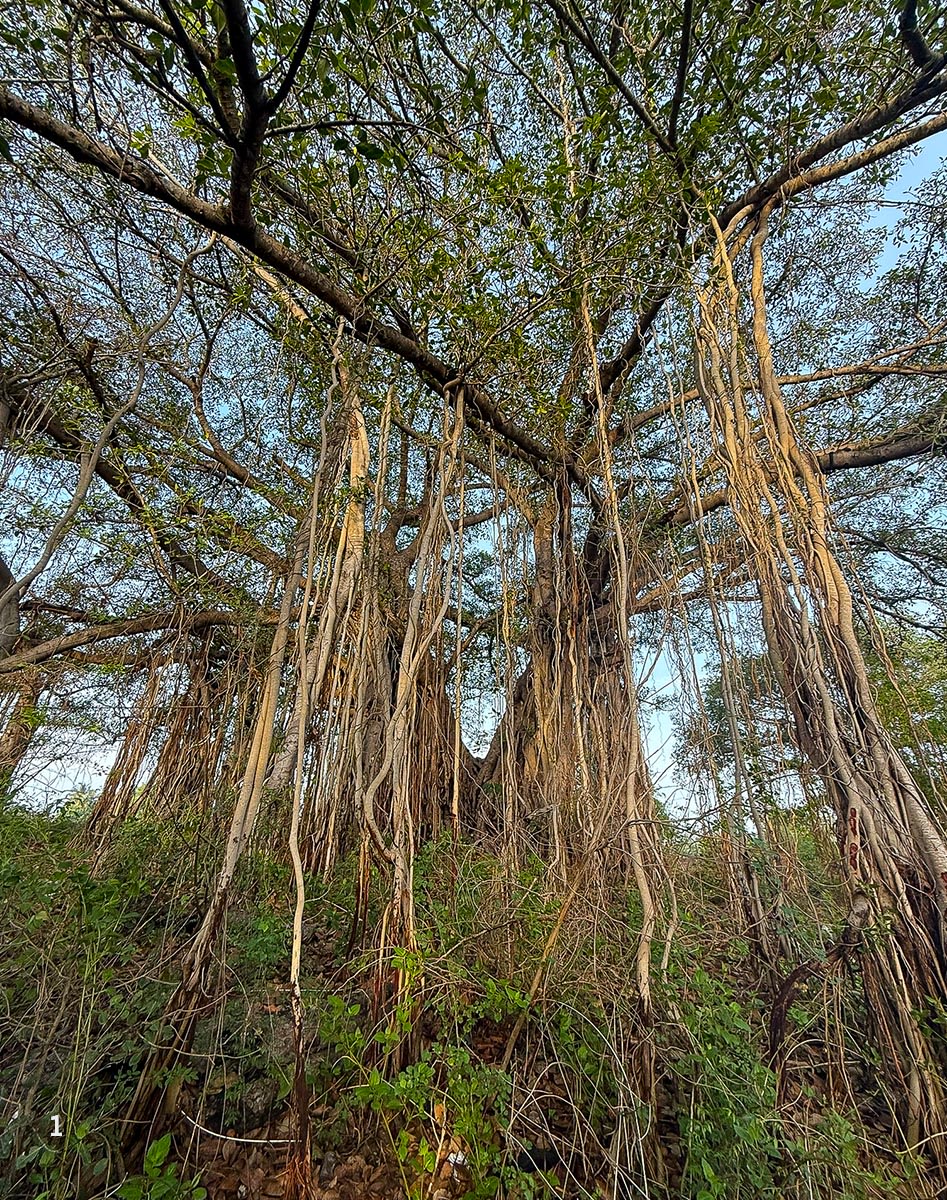
With twists and turns, the ravine snaked through the landscape. As it progressed, the riverbed flattened and widened until it became a defined channel historically referred to as Perumpallam (big trench). At times, the riverbed terrain was challenging, forcing us to shuttle between the left and right banks to find a clear way forward. About a kilometre from the foothills, farmlands and small homes appeared along the river’s edge. Footpaths and mud roads crisscrossed the river’s course. Trash started to appear. Peafowls were plentiful; loud calls marked their presence.
On the second day of the walk, the river narrowed in sections, and clear signs of encroachment appeared. Occasionally, we met a few local goat herders along the riverbed. Those we chatted with said elephants and spotted deer use the riverbed to reach villages, looking for water and fodder during the dry summer months.

There were many small shrines on the riverbanks. Near one shrine, there was a large fruiting peepal tree with hordes of common mynahs making a loud racket. Amidst that activity, we spotted an Indian grey hornbill. To our delight, we saw it take small prey to a cavity in the tree to feed its chick. We spent time watching the hornbill and then some mynahs inspecting the cavity from the outside, in the absence of the adult hornbill.
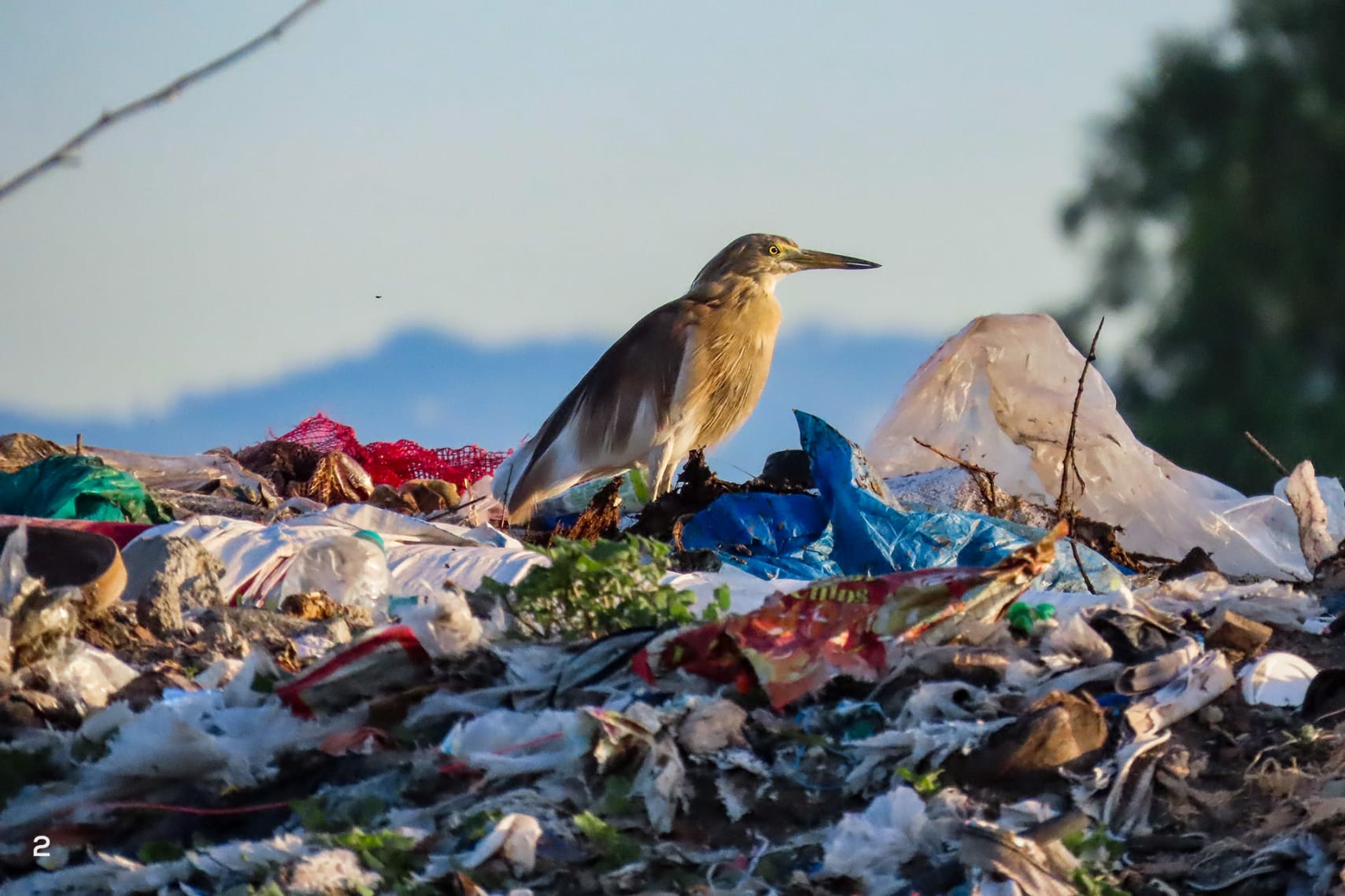
Every day of our journey was different. As the landscape changed, or became more open or arid, we recorded new bird species, and our overall count increased. We crossed highways, train tracks, crawled under bridges, and fought our way through thorny bushes. Even garbage dumped by the riverbed was dotted with cattle egrets, pond herons, pigeons, and crows. Calls of prinias (ashy, jungle and plain) filled the crisp morning air. The drumming call of a barred button quail was truly unique, almost like a moped coming from a distance.
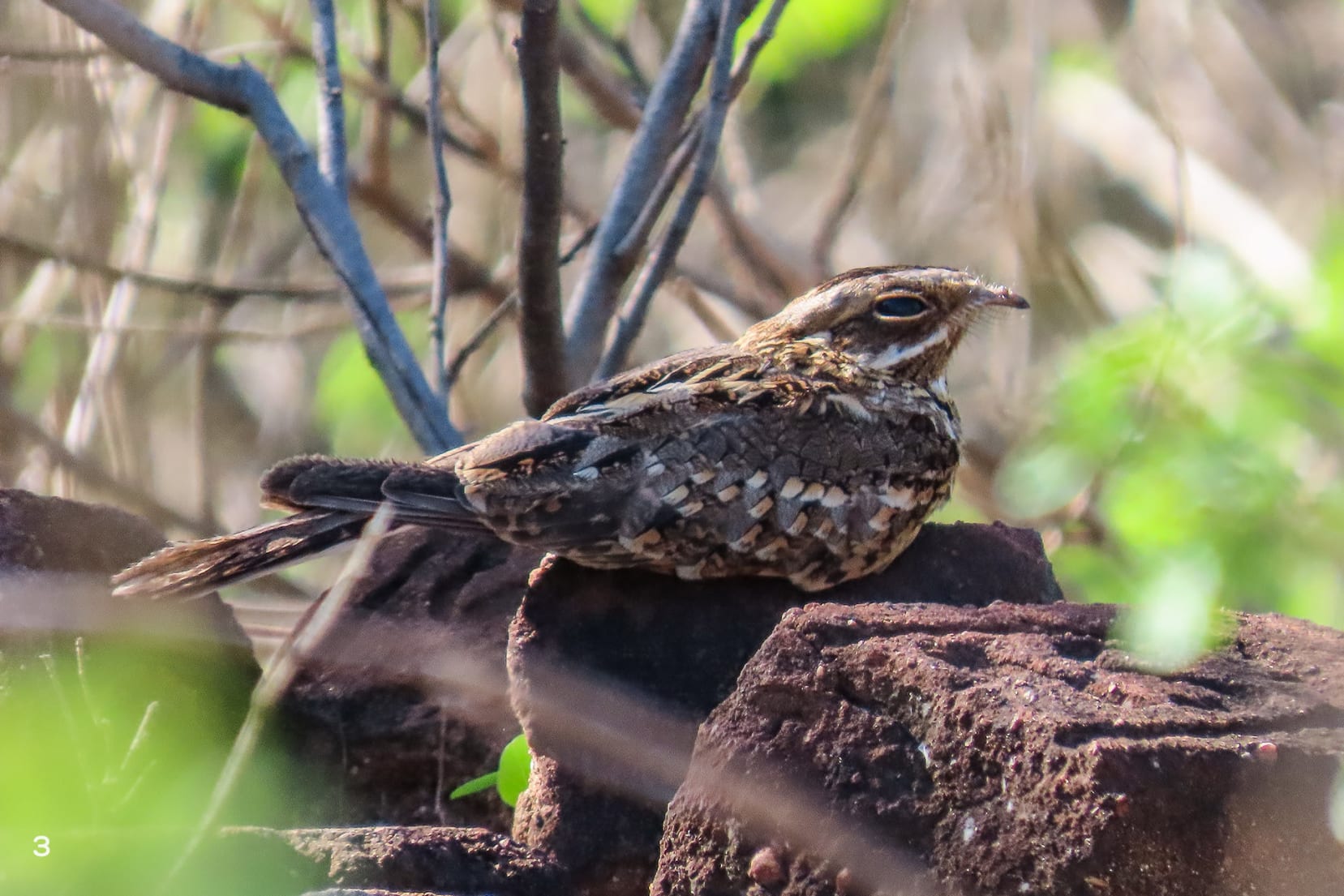
We saw oriental honey buzzards almost every day, soaring through the sky in search of a meal. Shikras were plenty, with their familiar screeching call from tree perches. White-eyed buzzards made appearances in areas that were slightly more open but with scattered thorny shrubs. We observed a black-winged kite perched on a power line. One of our most memorable sightings was an oriental honey buzzard perched on a large thorny acacia shrub, unperturbed by a couple of black drongos and a red-necked falcon trying to chase it away. Another unexpected sight was a pair of Indian eagle-owls in an area heavily damaged by illegal quarrying.

Indian elm trees (Holoptelea integrifolia) and Indian beech trees (Pongamia pinnata) were thriving in the riverine habitat. The sweet indrajao/Dyer’s oleander (Wrightia tinctoria) trees were in full bloom, and we noticed numerous pollinators around them. At one tree, we spotted a few hummingbird hawk moths, a true delight to watch.
Another interesting aspect of our river walk was recording white-tailed loras, which had been poorly documented and often mistaken for common loras. We spotted many, particularly in arid patches.
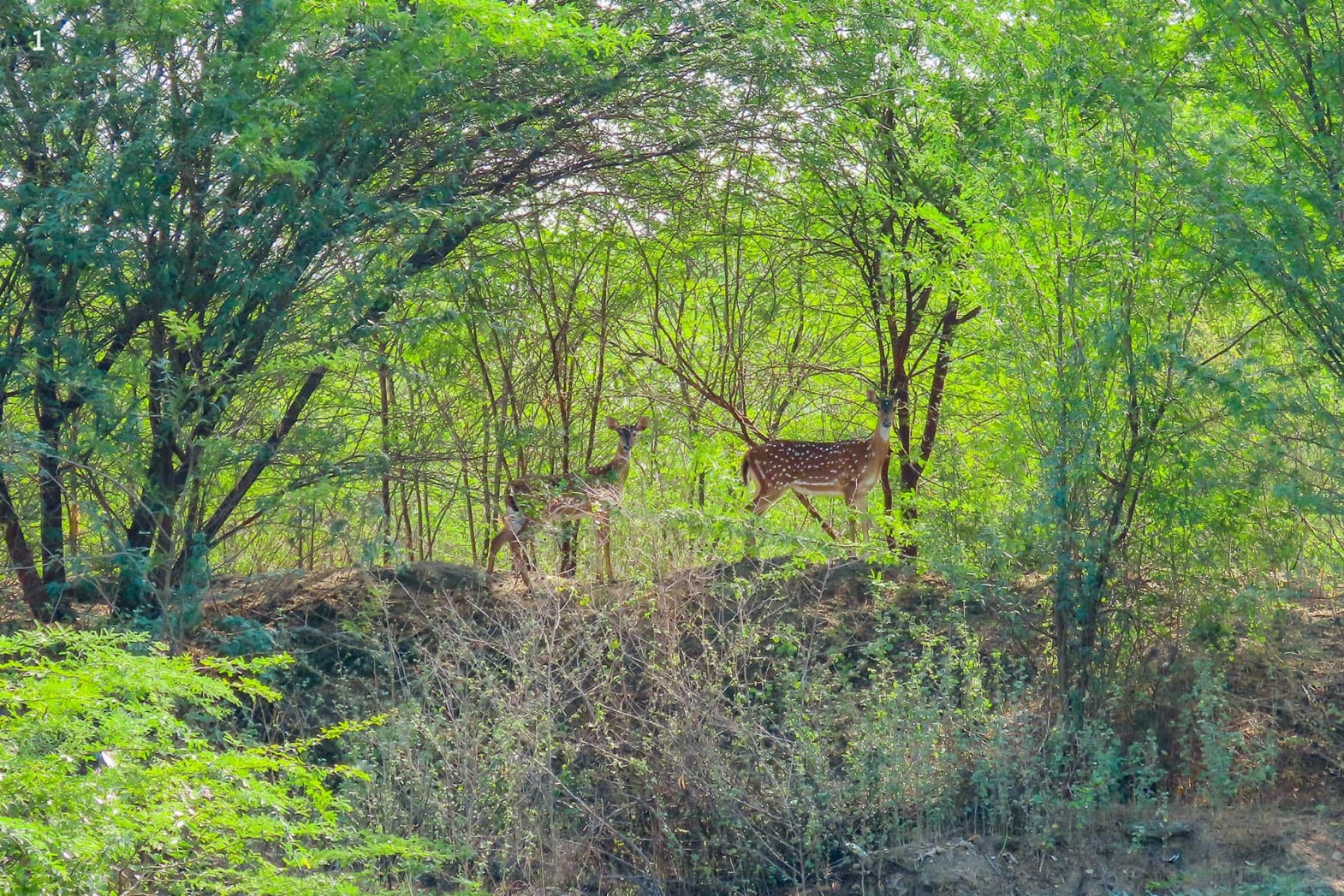
Over the years, a few herds of spotted deer have found refuge along the Koushika River. They are known to venture into neighbouring agricultural fields at night to feed and find shelter in patches of scrub forest adjoining the river. We stumbled upon small herds between Thekkalur and Tiruppur during the early morning hours of our walk.

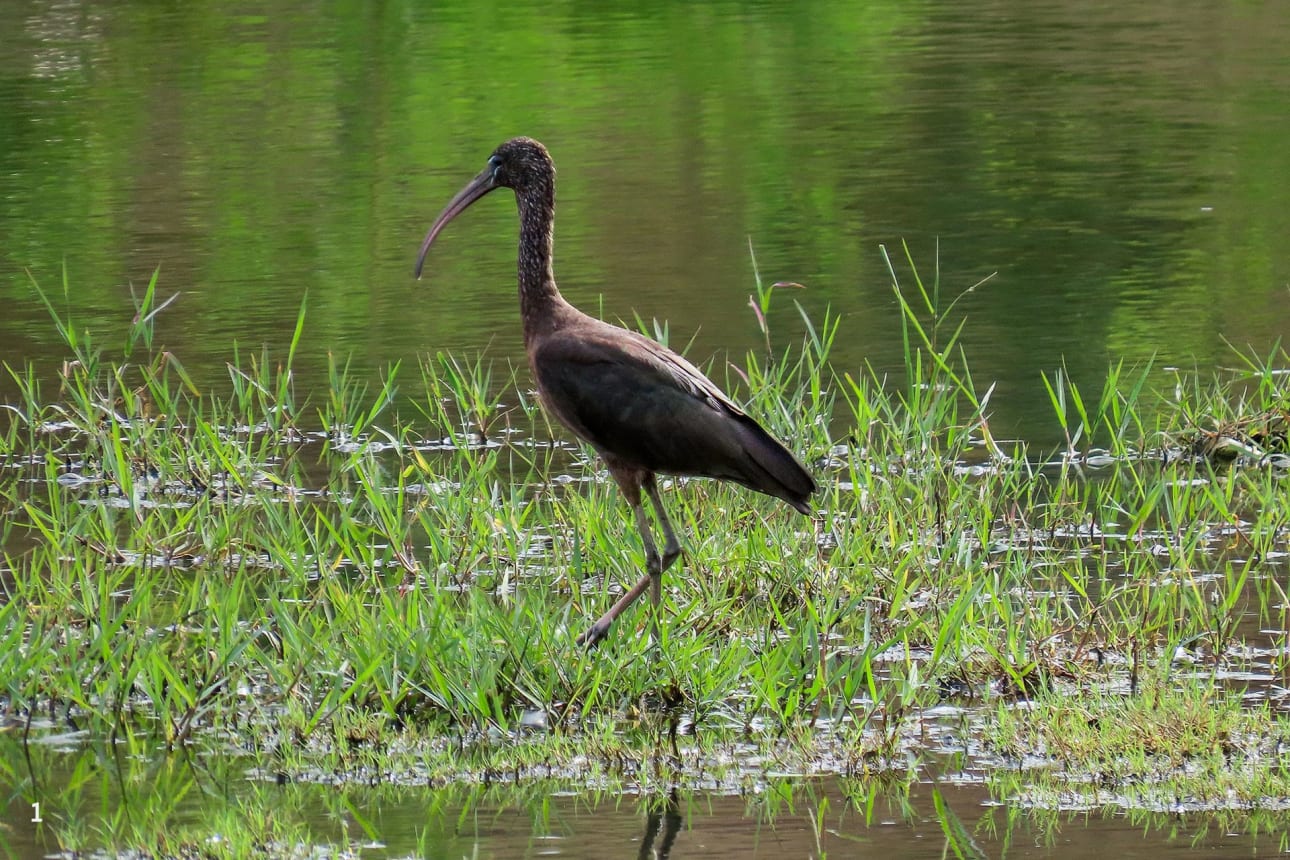
Towards the end of our journey, overnight rains had occurred. The riverine ecosystem came alive. We heard frogs and came across a freshwater crab in one of the larger puddles. The riverbed grew rockier as we neared Tiruppur. On our final day, we found a beautiful patch of wetland habitat, with reeds swaying in the breeze, and were glad to add five more species to our bird count. Towards the end, the Noyyal River travelled parallel to Koushika for a short distance before they met.
Finally, at the confluence, we saw flowing water and a green patch with grass and smooth boulders. It was a fitting end to our journey. A rather bittersweet moment: a picturesque ending, but one that made me sad as our walk ended. I could at least walk away knowing that, despite all the negligence and abuse, it was still a safe haven for so many birds, animals, and insects.
About the Author