
 Listen to this article
•
15:34 min
Listen to this article
•
15:34 min
The glittering aura of conservation so often gathers around great charismatic beasts such as tigers, lions, elephants, leopards, or snow leopards that little light remains for humbler creatures sharing the same fragile world. The wilderness, in popular imagination, has become a theatre where success is measured by the fleeting glimpse of a striped monarch or a horned giant. A journey into nature is deemed worthwhile — paisa vasool, as we say in Hindi — only when a tiger obligingly appears before the camera. Meanwhile, the quiet vanishing of a frog, an eagle, or an obscure wetland species passes almost unnoticed.
Around evening campfires, amid refined comforts and flowing conversation, concern for conservation is sometimes expressed in paradoxical terms — how landscapes might be emptied of people so that wilderness may expand into an exclusive playground. Yet irony persists: these very protected areas, however imperfectly conceived, also shelter some of the most threatened species on Earth. Among them is a bird whose decline unfolds not with drama, but with silence: Pallas’s fish eagle.
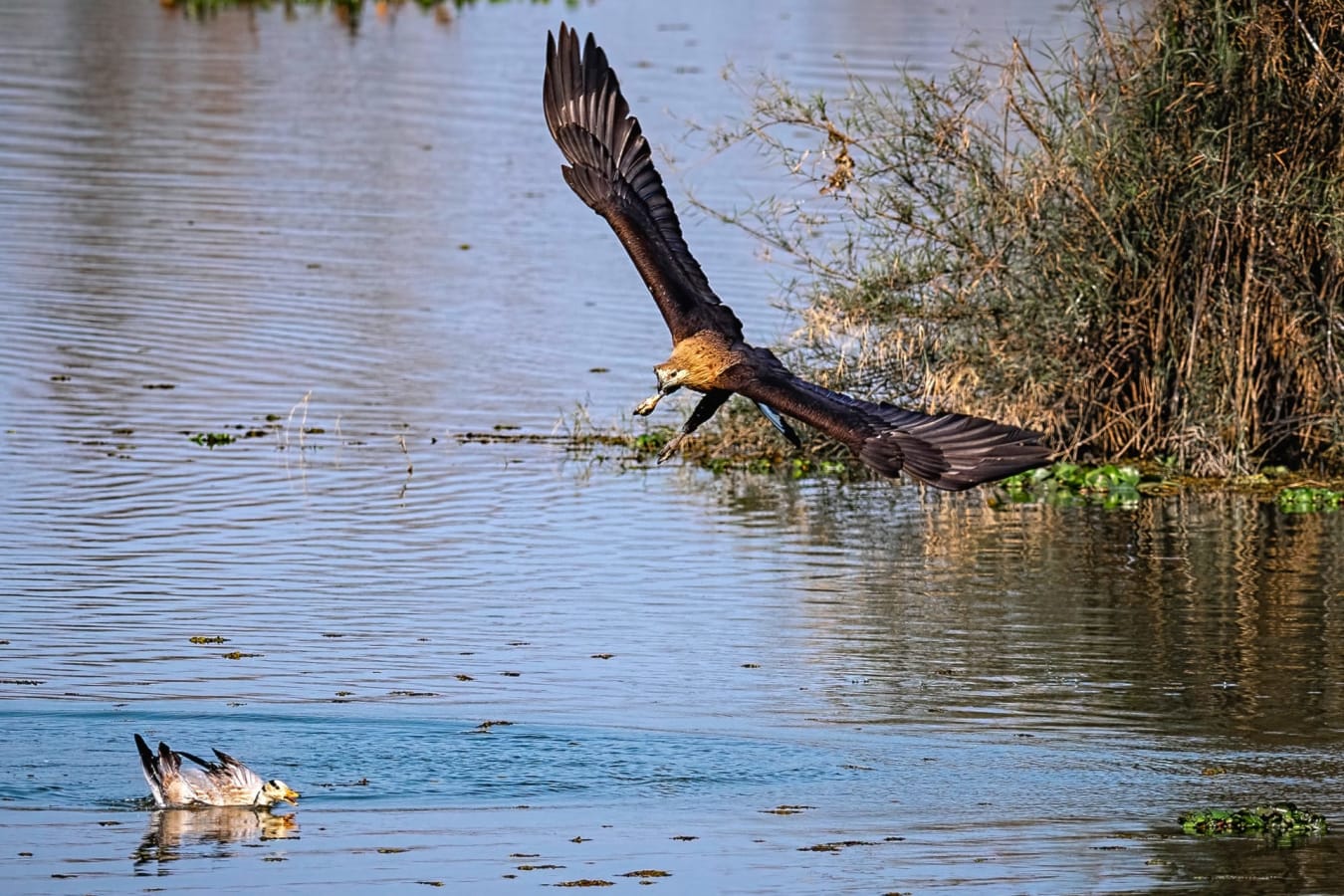
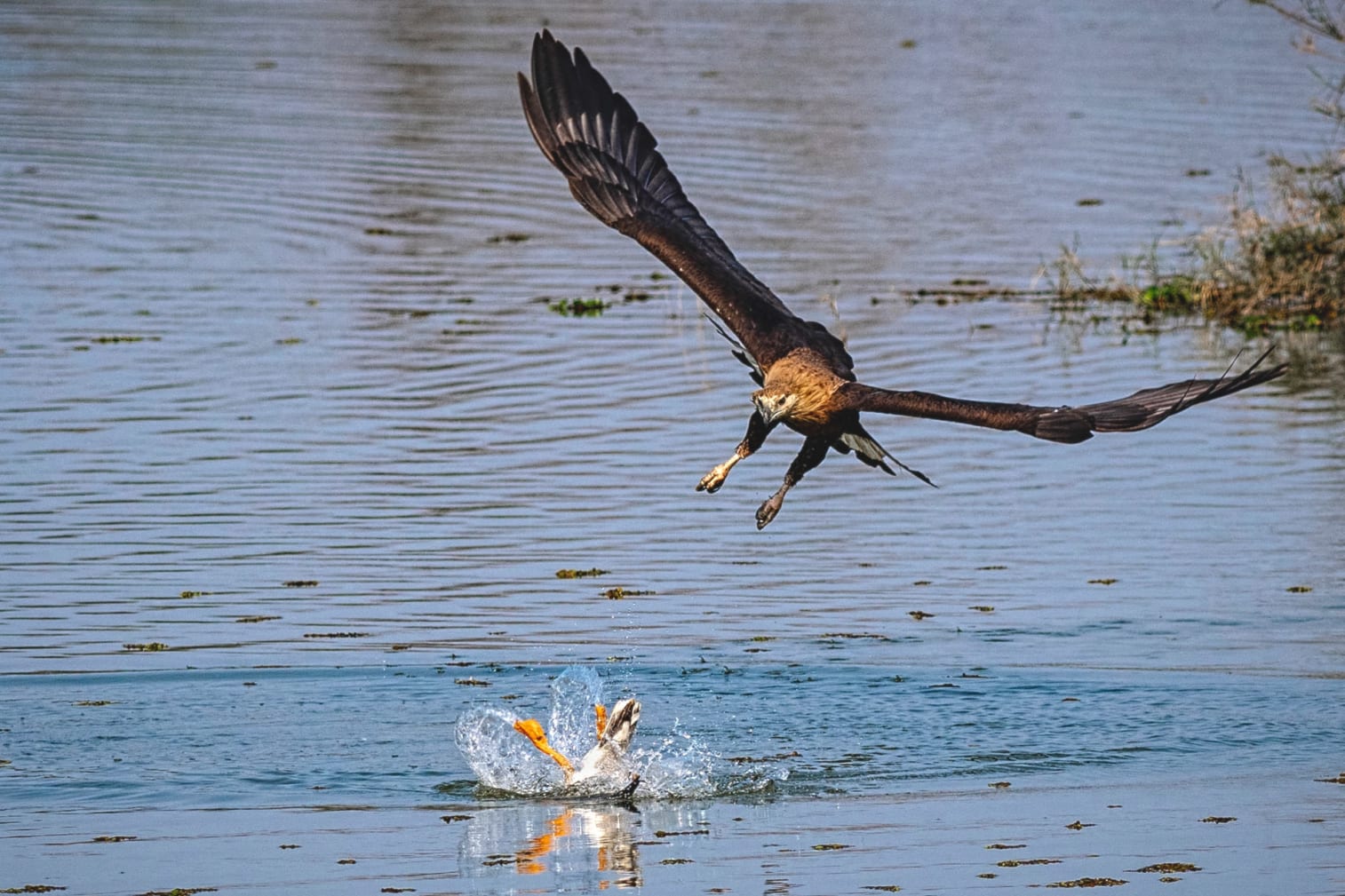
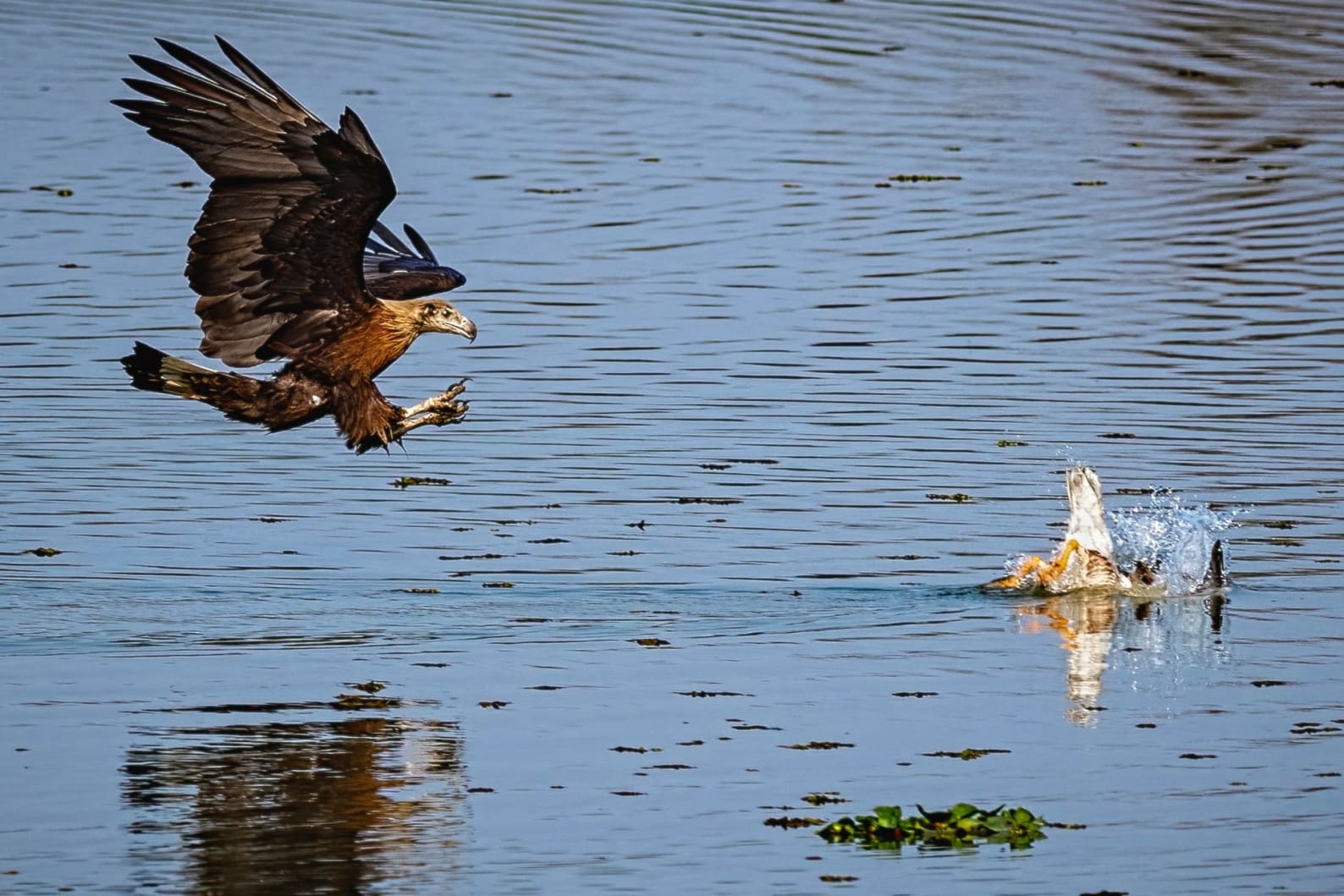
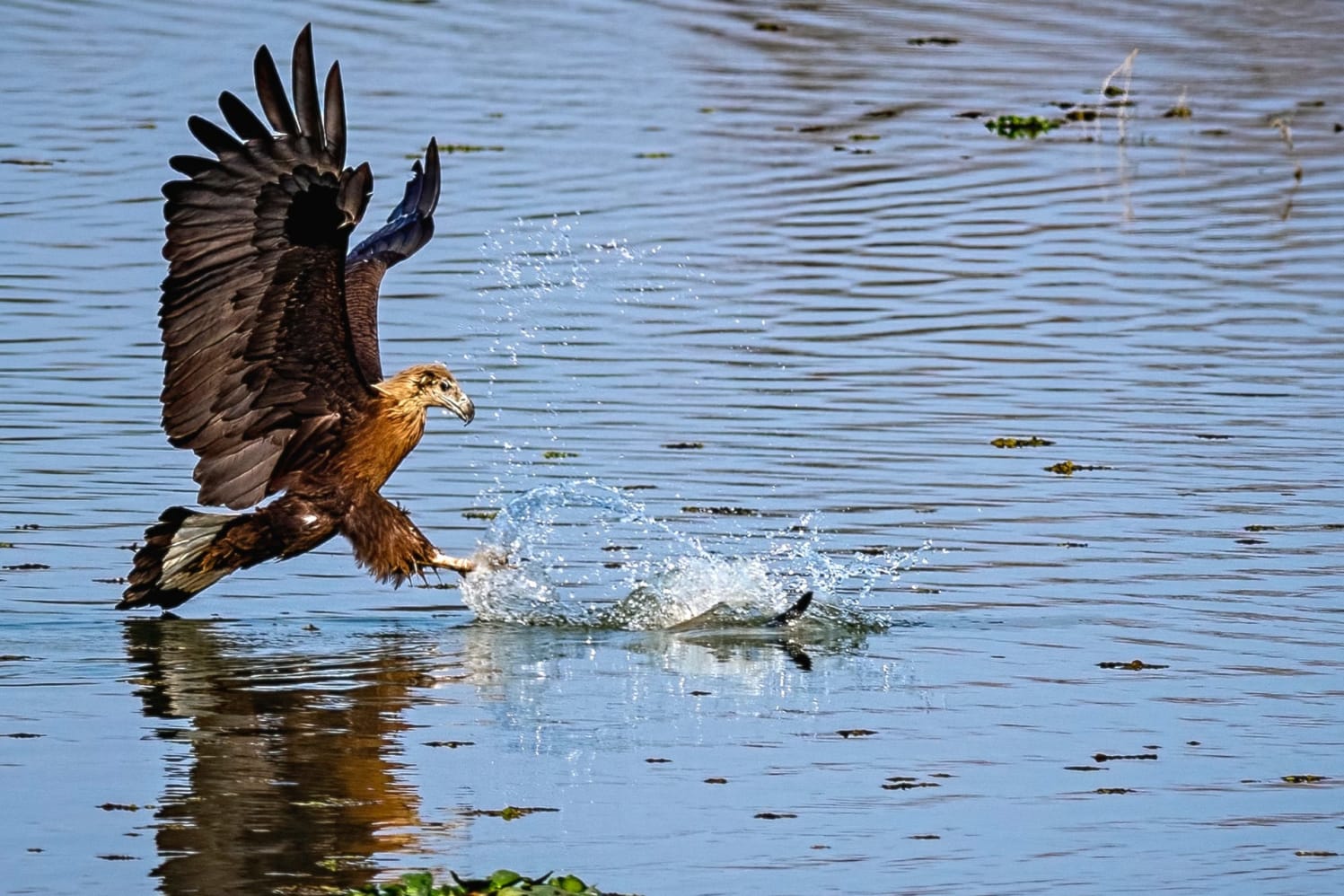
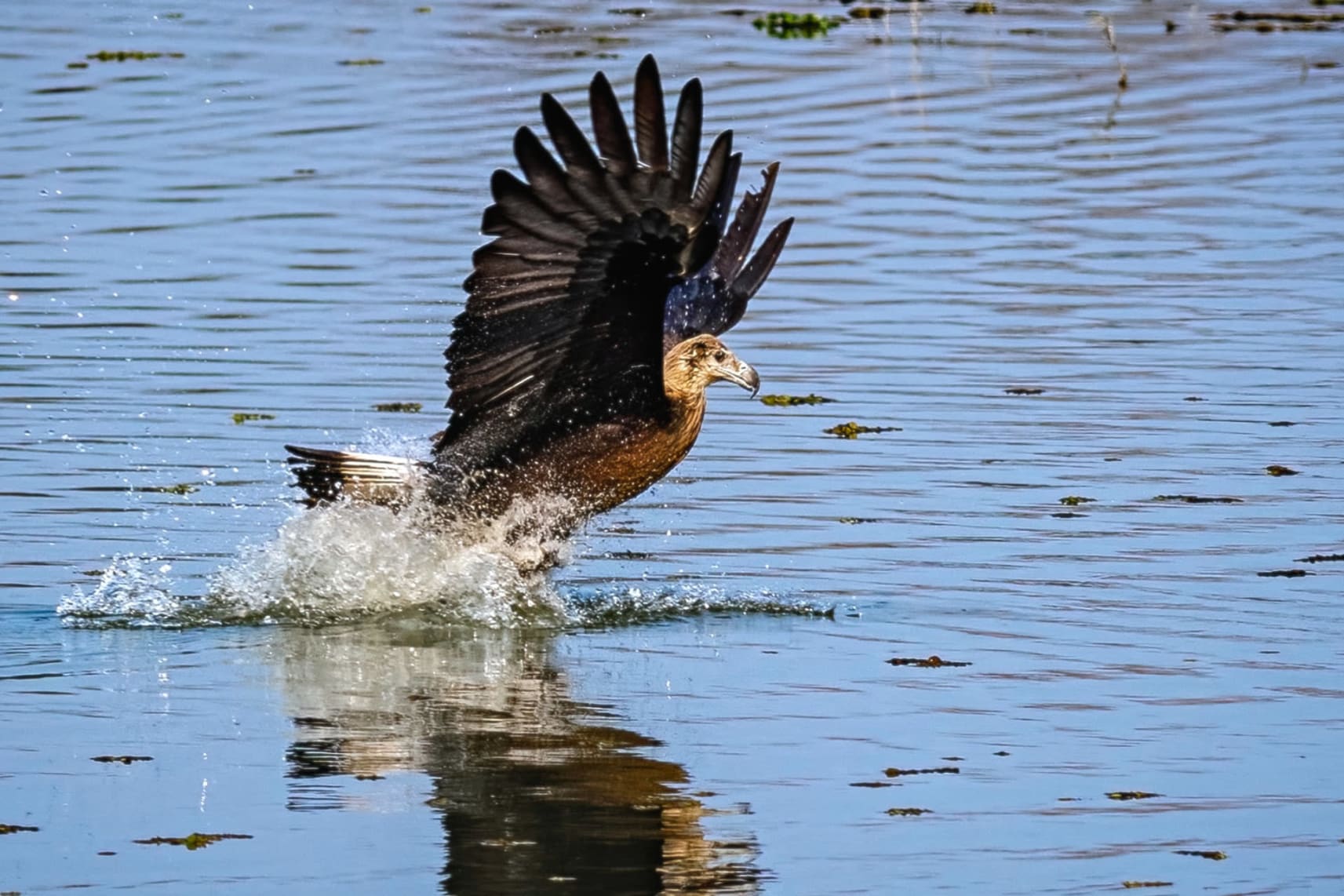
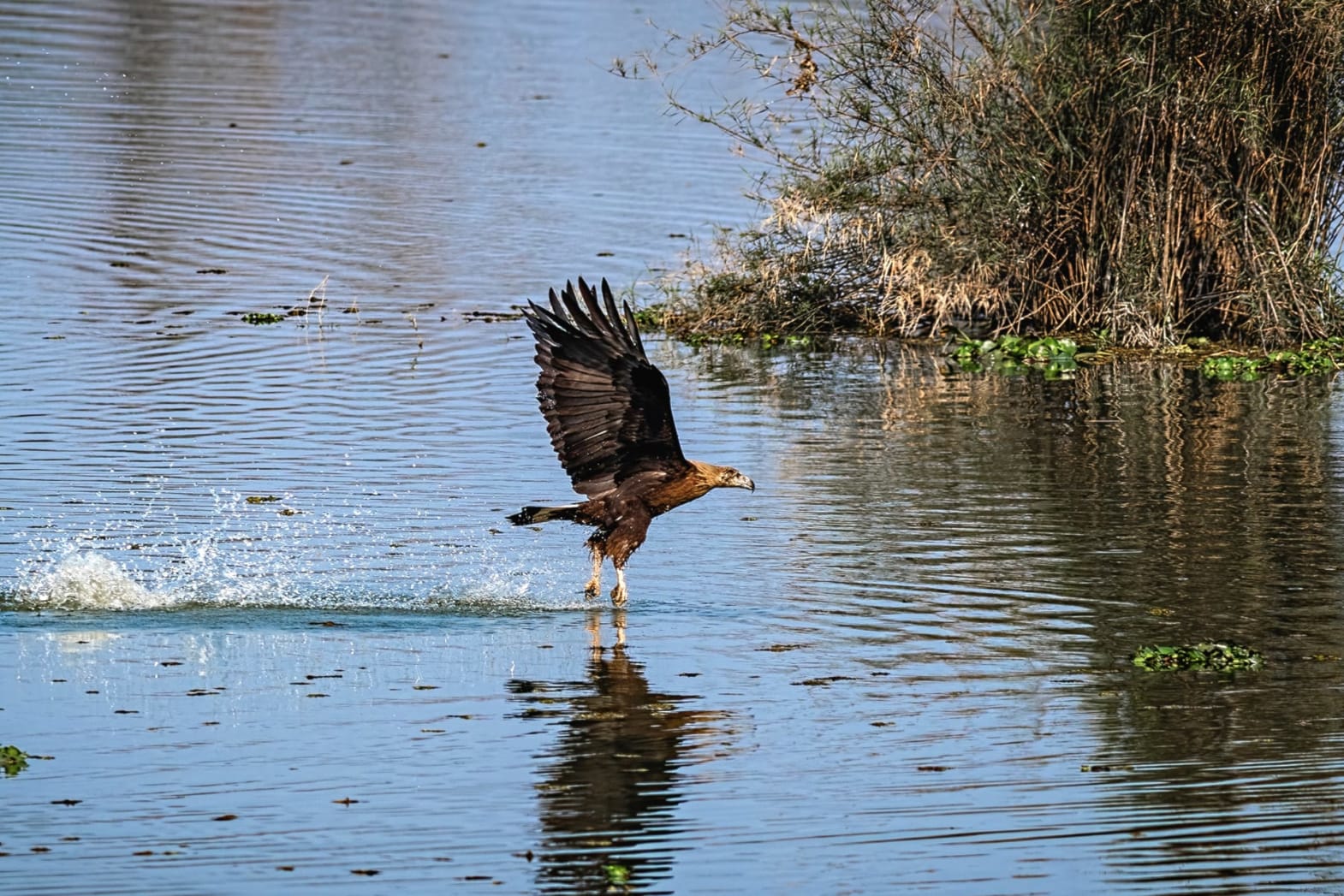
The Pallas’s fish eagle has a wingspan of about 2.2 m. When it hunts, it stretches its wings and soars over waterbodies, in search of prey. Once the prey is locked, it swoops down, snatching unsuspecting waterfowl or fish in its talons from the water’s surface. In this sequence of images, the eagle is seen targeting a bar-headed goose in Kaziranga National Park, Assam. Unfortunately, it misses. Photos: Arpan Saha
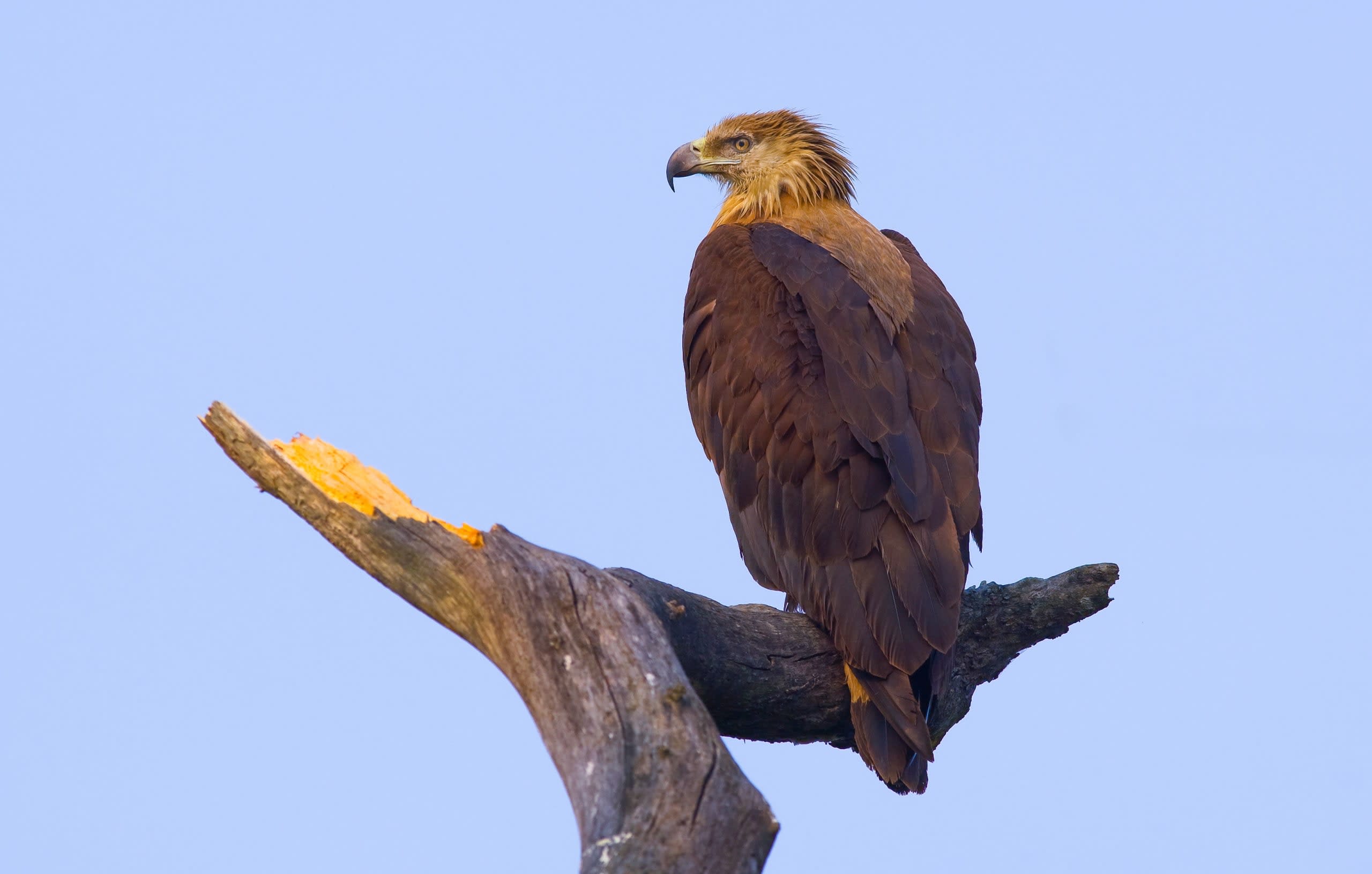
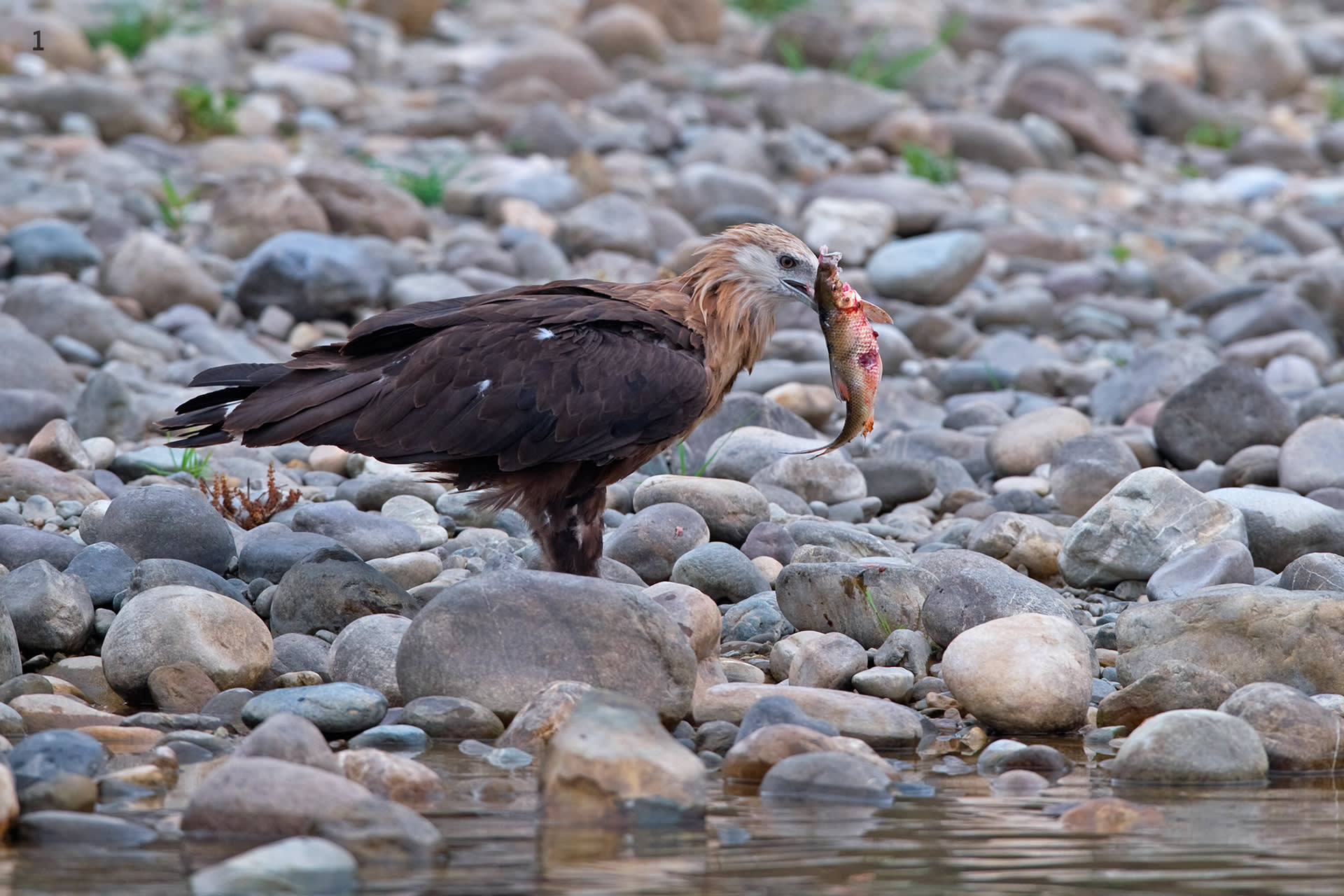
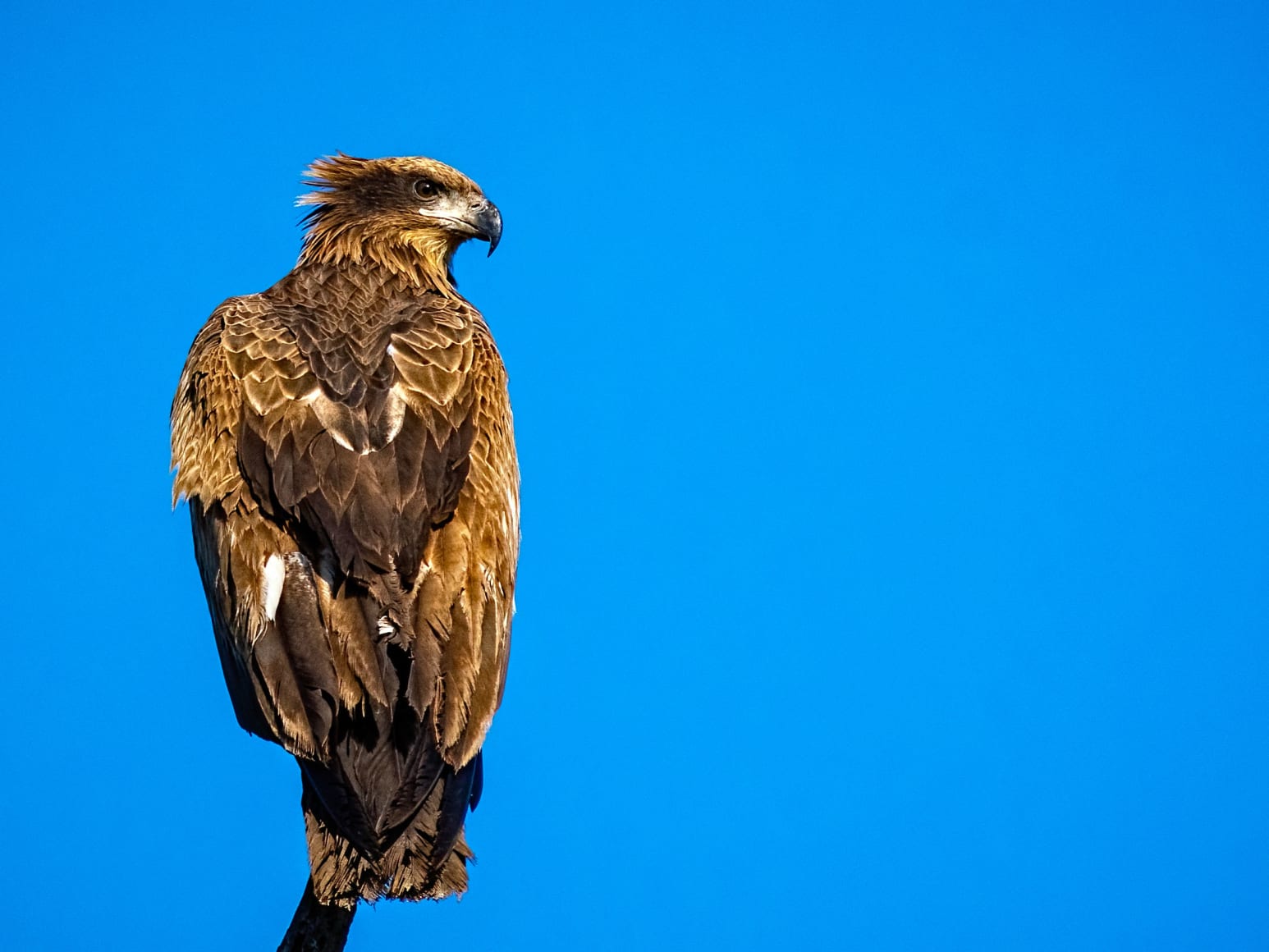
Cover Photo: The Pallas’s fish eagle lives around wetland ecosystems and rivers, and feeds mostly on freshwater fish and waterfowl. Photo: Dhritiman Mukherjee
Pallas’s fish eagle (Haliaeetus leucoryphus), also known as the ring-tailed fish eagle, is currently listed as Vulnerable by BirdLife International and the IUCN. However, given the steady erosion of its population, it may well deserve to be labelled Endangered.
Geographic range
Its range stretches widely across Central and South Asia, from Kazakhstan, southern Russia, Tajikistan, Turkmenistan, and Uzbekistan eastward through Mongolia and China, and south into northern India, Pakistan, Bhutan, Bangladesh, and Myanmar. It occurs mainly as a passage migrant and winter visitor in Nepal, where it may also breed, and as a non-breeding visitor to Afghanistan. The principal breeding populations are believed to lie in China, Mongolia, and parts of the Indian subcontinent. Across this vast range, the species is thought to have declined markedly throughout the 20th century, with fewer than 10,000 mature individuals likely remaining.
On the Indian subcontinent, the eagle arrives with the cool breath of winter, frequenting large rivers, lakes, and wetlands of northern India, Bangladesh, southern Nepal, and southern Bhutan. In India, it is usually seen from late October or early November until early March. Remarkably, it is among the few large eagles that breed here during winter.

Vanishing sites
Pallas’s eagles tend to breed at the same nest year after year, or make a new one on the same tree. I know of five sites from which it has vanished as a breeding bird: two nests that were once active in Keoladeo National Park in Rajasthan; one each in Samaspur and Katarniaghat Wildlife Sanctuaries in Uttar Pradesh; and another near Asan Barrage in Uttarakhand. Each disappearance marks not merely the loss of a nest, but the fading of a long ecological memory. Interestingly, they use the same nest year after year or make a new one on the same tree.
Last stronghold
Today, Bangladesh stands as one of the species’ principal strongholds. The bird breeds there during the winter dry season and departs with the monsoon, moving northward toward the Tibetan Plateau, Mongolia, and other Central Asian regions. Though recorded across the country, nesting is concentrated in the vast seasonal wetlands (haors), especially in the districts of Habiganj, Moulvibazar, Netrokona, Sunamganj, and Sylhet, with occasional records from the Sundarbans in the southwest.
During winter, when the surrounding land is cultivated or grazed, permanent waterbodies (beels) are alive with waterbirds. These wetlands shimmer with movement: flocks rising at dawn, wings flashing silver in low sunlight, calls echoing across mist-laden waters. Such abundance provides rich sustenance for the fish eagle.
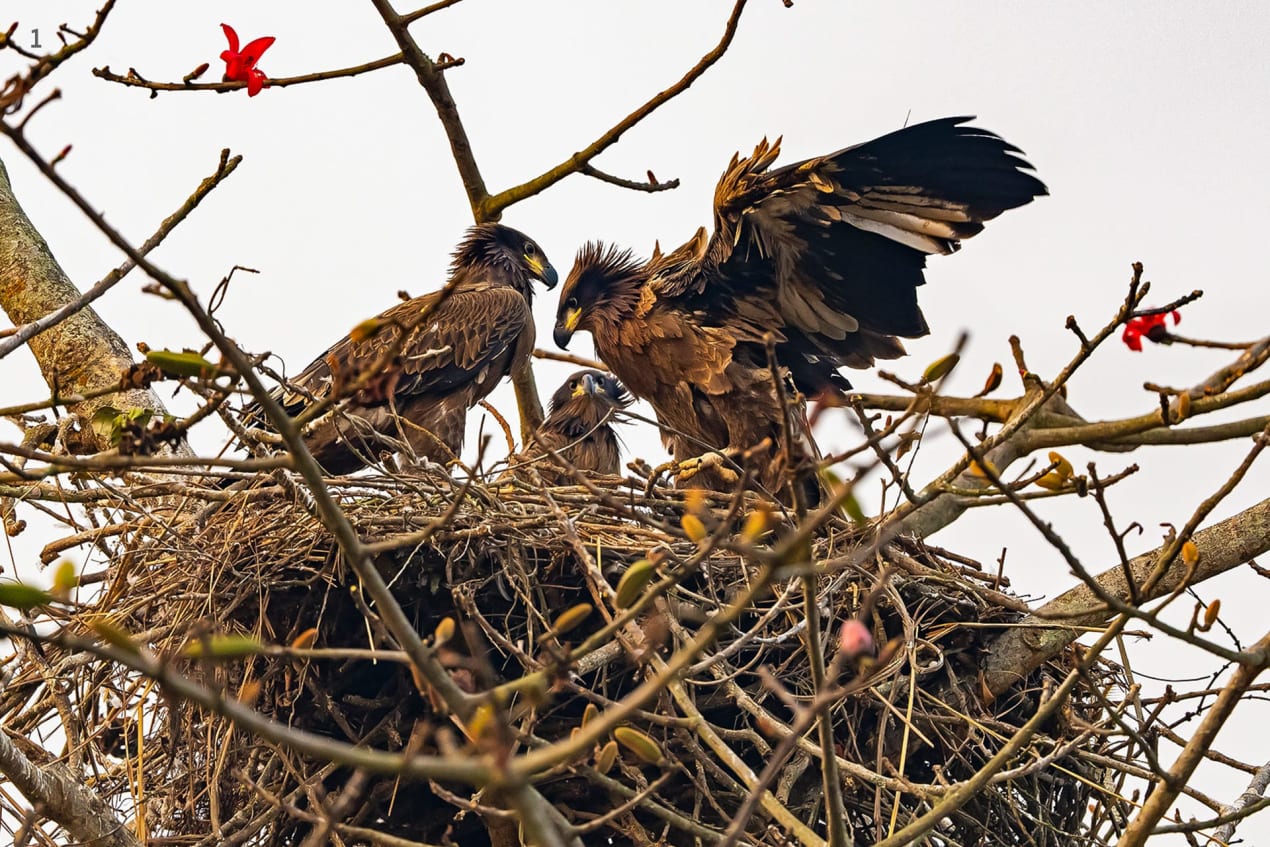

According to ABM Sarowar Alam of the IUCN in Bangladesh, a study in the northern Haor Basin recorded approximately 53 breeding pairs within a 4,150 sq km area between 2017 and 2020, suggesting this is one of the largest known breeding concentrations globally. Long-term fieldwork indicates that roughly 80-100 active nests currently exist across Bangladesh, primarily in the northeastern wetlands and also sparsely in the southwest.
Situation in India
In India, the species persists along major rivers and wetlands of the north, though in precariously small numbers. In 2022, I conducted surveys with Dr Bivash Pandav of the Wildlife Institute of India, whose familiarity with the Corbett landscape comes from more than three decades spent among its forests and floodplains. Across the terai and bhabhar regions of Uttarakhand and Uttar Pradesh, we located about 15 nests, all clustered near the Dhikala reservoir and the main Ganga River. Later, in January 2026, together with Bivash Pandav and Varun Kher, we surveyed the Kaziranga and Manas landscapes of Assam and documented 12 nests. Detailed findings will appear in a forthcoming research paper, but it is likely that only another handful of nests (perhaps 5-10) remain scattered across northern India and the Assam Valley.
We hope that publication of these results will draw attention to this fading species and inspire a sustained conservation programme. The tragedy of Keoladeo must not be repeated. For decades, two traditional nests there contributed two or three chicks annually to the global population. Today, both stand abandoned. Occasionally, an immature bird appears, a ghost of former continuity. Historical records by Maan Barua describe two traditional nests along the Jia Bhareli River in Assam, active at least until 2002, though their present status remains unknown.
Fading light
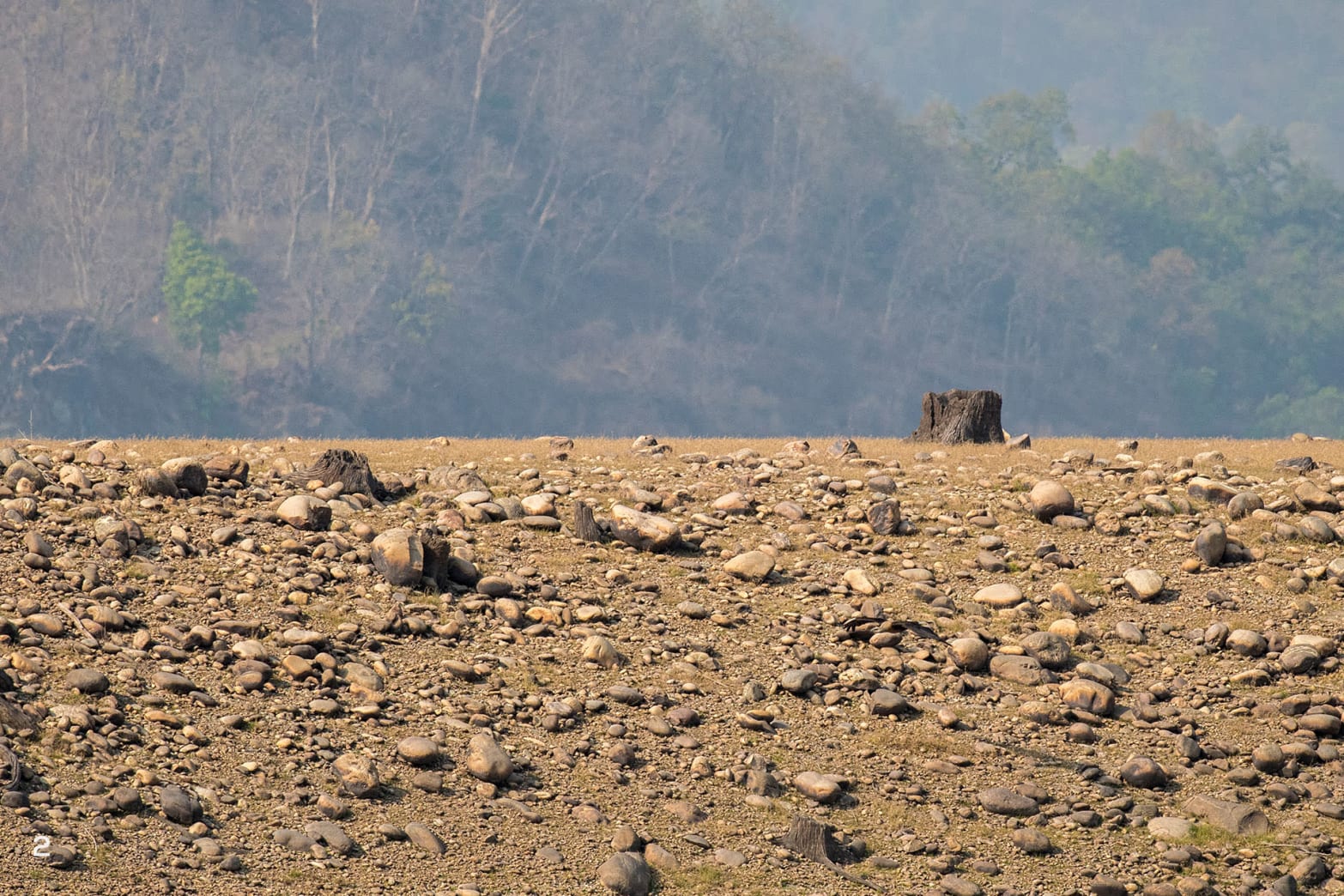
Earlier reports documented nesting or sightings in Arunachal Pradesh, Manipur, West Bengal, and Odisha. A century ago, the species bred commonly along the rivers and wetlands of the Kashmir Valley. For the past three or four decades, only rare migrants have been recorded. In Ladakh, it survives merely as a scarce passage migrant during spring, moving through valley bottoms and high-altitude wetlands up to 4,600 metres, with isolated observations near Leh-Thiksey, Tsomoriri, and Chushal.
Raptor’s diet
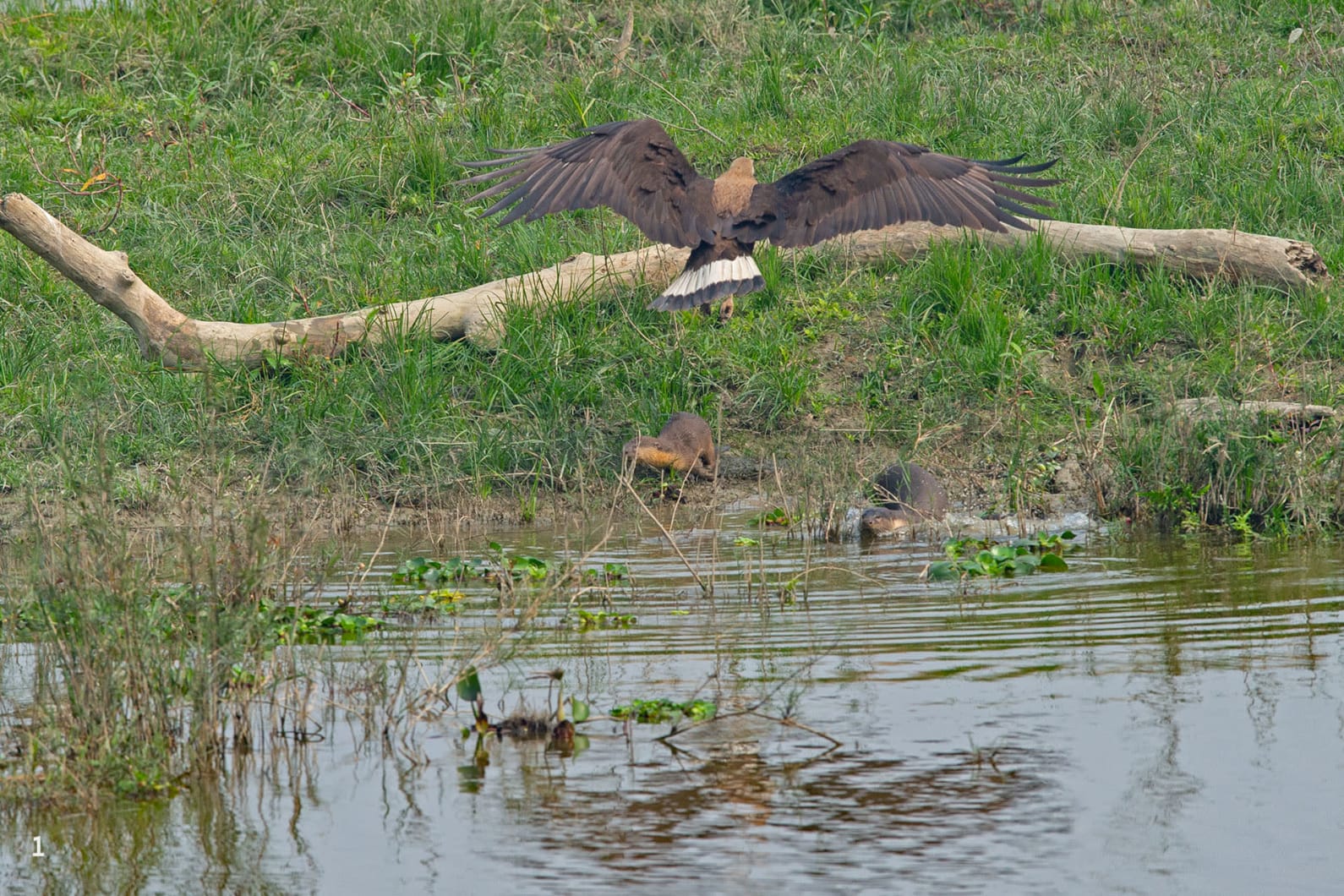
The Pallas’s fish eagle is inseparable from water. From lowland marshes to high Himalayan wetlands approaching 5,000 metres, it inhabits expansive aquatic landscapes. Its diet consists primarily of fish and waterfowl, sometimes so heavy that the bird struggles to lift it. A formidable aerial pirate, it relentlessly harasses ospreys, marsh harriers, Brahminy kites, and other raptors until they relinquish their catch.
In heronries, it may prey upon chicks of cormorants, oriental darters, egrets, ibises, and Asian openbills. It can subdue birds as large as the common crane or bar-headed goose. Earlier literature reported heavy predation on young bar-headed geese in Ladakh’s lakes, yet during repeated visits between 2005 and 2024, we did not encounter a single fish eagle there. The silence speaks volumes.
The species nests in tall trees near water, typically within 50-200 metres of a wetland. In India, it breeds from October to February. Our preliminary observations suggest that successful breeding depends upon three essentials: abundant large fish, plentiful waterfowl, and mature trees suitable for nesting. However, extensive fishing has rendered large fish increasingly scarce. Nearly every active nest we located occurred either within strictly protected areas, such as Corbett, Kaziranga, and Manas, or along relatively undisturbed rivers where commercial fishing is restricted.
The mystery
What is driving the bird’s decline? Only careful ecological and behavioural studies can reveal the answer. Could diminishing food availability be responsible? Or is it the invisible burden of pesticides accumulating through aquatic food chains? At several sites where the species has vanished over the past three decades, habitat quality appears largely intact. Keoladeo National Park remains well managed; the Girwa reservoir in Katarniaghat and the wetlands of Asan Barrage still support rich birdlife. If the eagle can survive and breed in the densely populated and heavily used wetlands of Bangladesh, why is it disappearing from protected landscapes in India?
For now, the question remains unanswered. Perhaps ongoing scientific investigations will illuminate the causes behind this quiet decline. Until then, the Pallas’s fish eagle continues its slow retreat from our skies, the emperor of wetlands fading not in catastrophe, but in silence.
About the Author