Listen to this article
•
15:34 min
Listen to this article
•
15:34 min
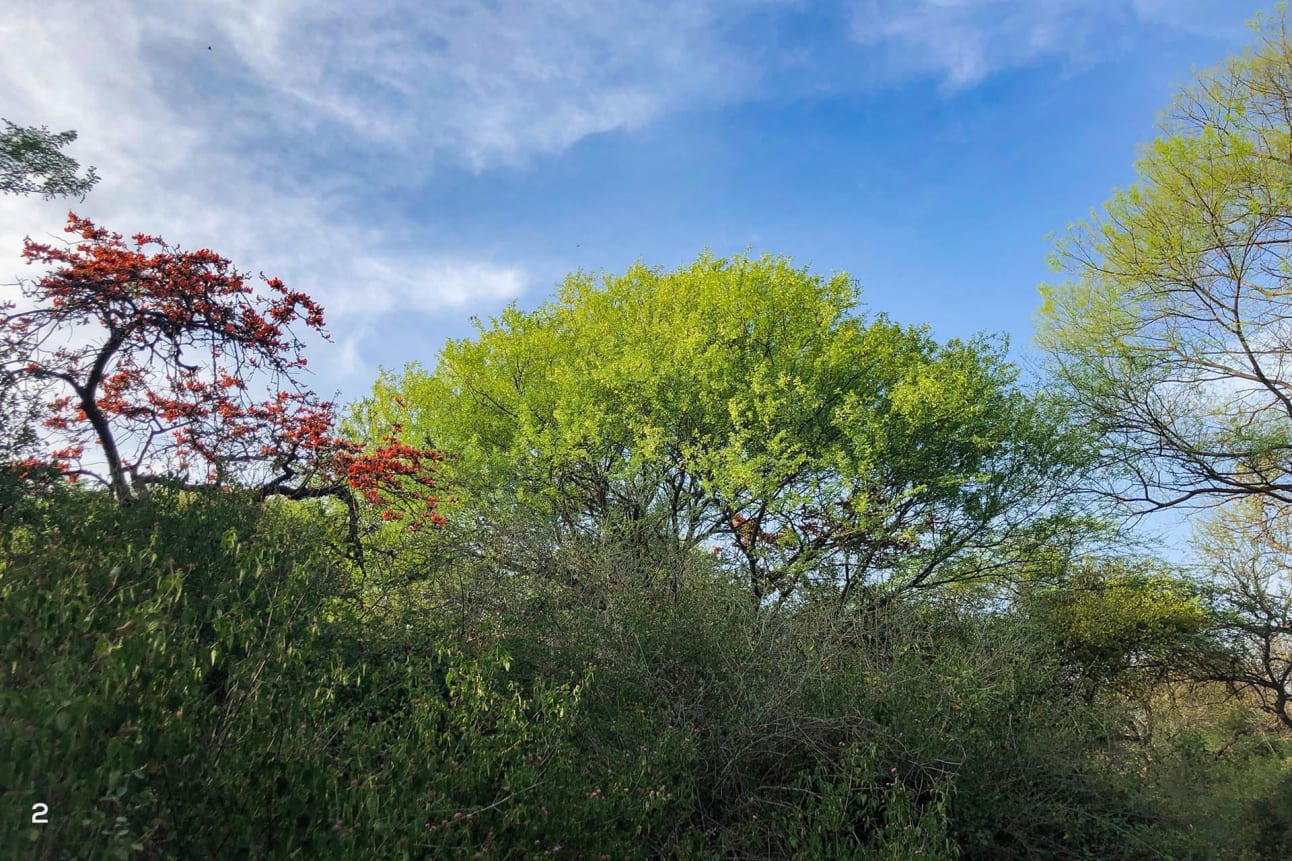
The Central Ridge, an offshoot of the Aravalli Hills, lies in the heart of Lutyens’ Delhi, famed for both its natural and cultural heritage. A boon for any urban centre, the Central Ridge is an 864-hectare hilly mosaic of thorn-scrub savannah, dry deciduous forest, grassland, seasonal streams, and rocky outcrops that supports immense biodiversity. However, this area has historically experienced a range of interventions, starting with the planting of vilayati kikar (Neltuma juliflora) in the early 20th century. As in many other parts of India, this invasive species spread across the Ridge over the last century, leaving the native forests in tiny fragments.
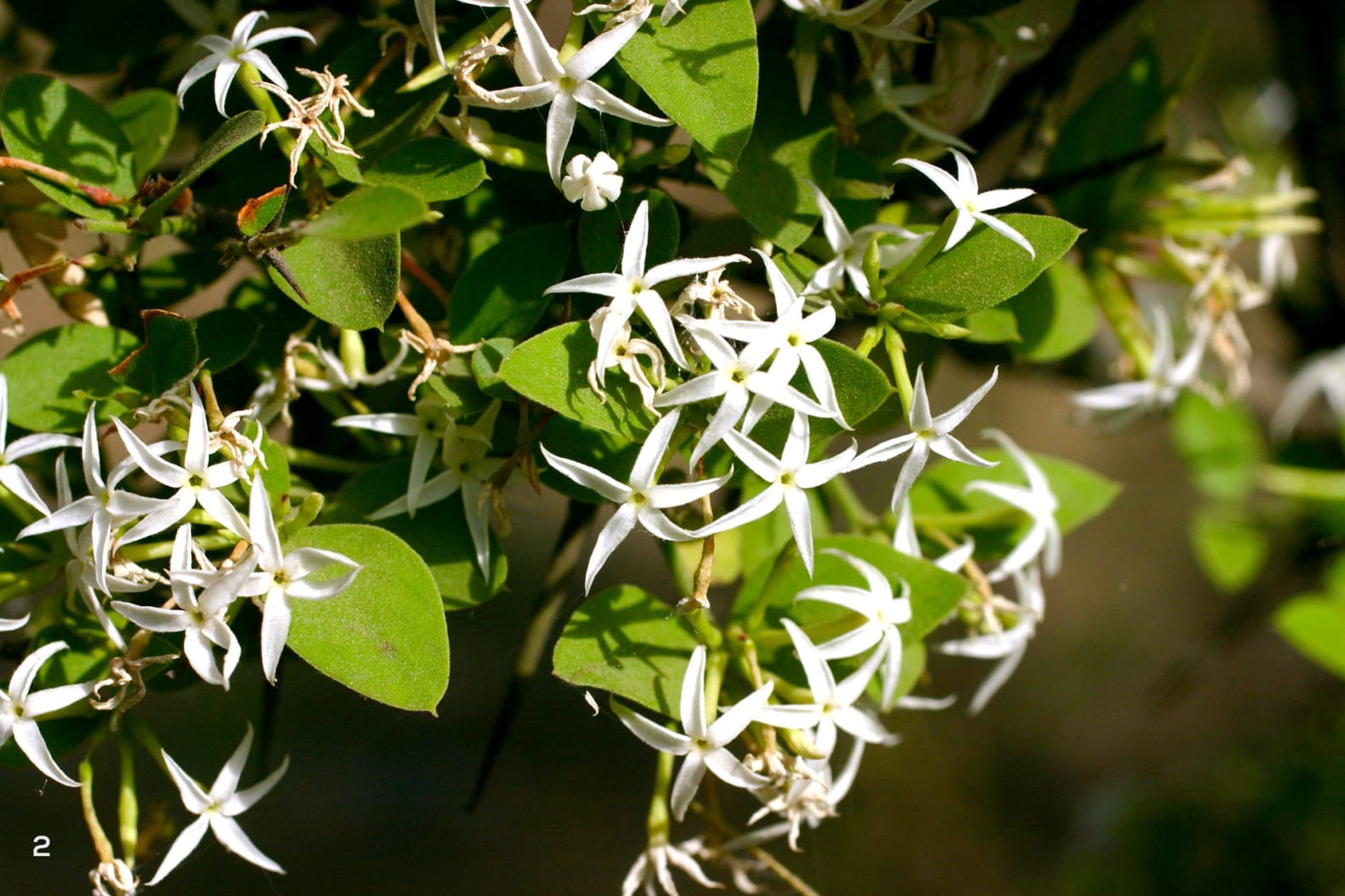
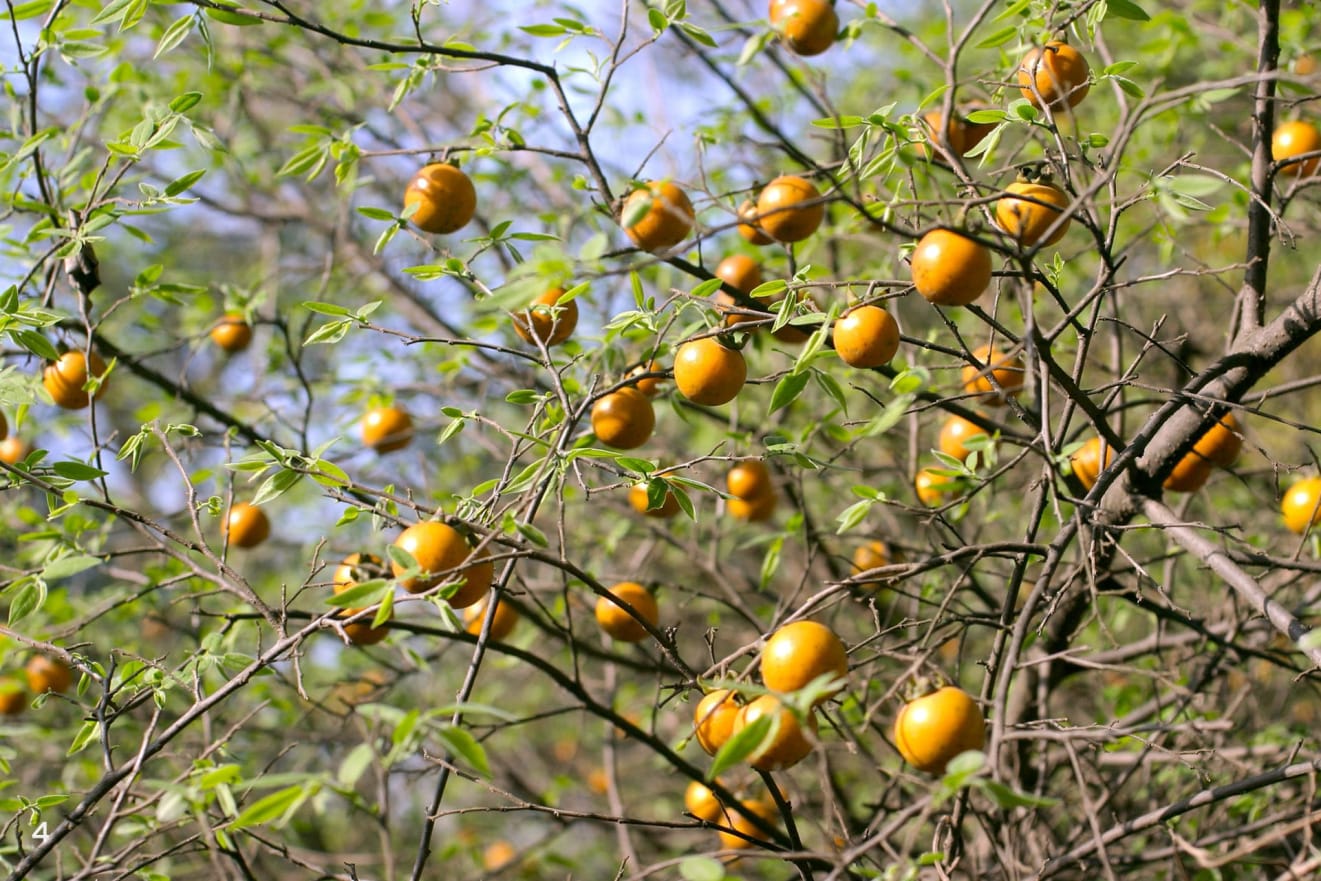
After decades of citizens’ campaigns to safeguard this forest patch from urban encroachments and conversion, “restoration” plans have recently been implemented. Several “theme forests” have been created and others are planned, rapidly converting the Ridge from a forest habitat into sanitised parks. Towards this purpose, uprooting and clearing of trees and shrubs is being undertaken on a large scale. While the trees being removed are the invasive vilayati kikar and subabool (Leucaena leucocephala), the collateral damage has been the dense undergrowth, comprising a variety of hardy, native shrubs such as heens (Capparis sepiaria), kair (Capparis decidua), and gangeti (Grewia tenax), and native saplings that have also faced the axe. In place of the more than 100-year-old forest, orderly rows of saplings, a large proportion of which are not native to the Aravallis or even to the Delhi region, have been planted. Most were not planted in appropriate microhabitats, resulting in high mortality rates within a few months. While clearing the trees, the rich forest soils have been upturned and exposed to the sun, destroying soil fauna, rootstock, and microorganisms. Rather than restoring the native floral and faunal communities, the current projects are likely to destroy whatever native plants remain.



Cover photo: Golden jackals are among the last surviving mid-sized carnivores in Delhi, thriving in the ridge’s scrub forest despite the shrinking green cover. They are opportunistic omnivores that thrive on rodents, fruits, insects, and even garbage along forest edges. Photo: Pradip Krishen
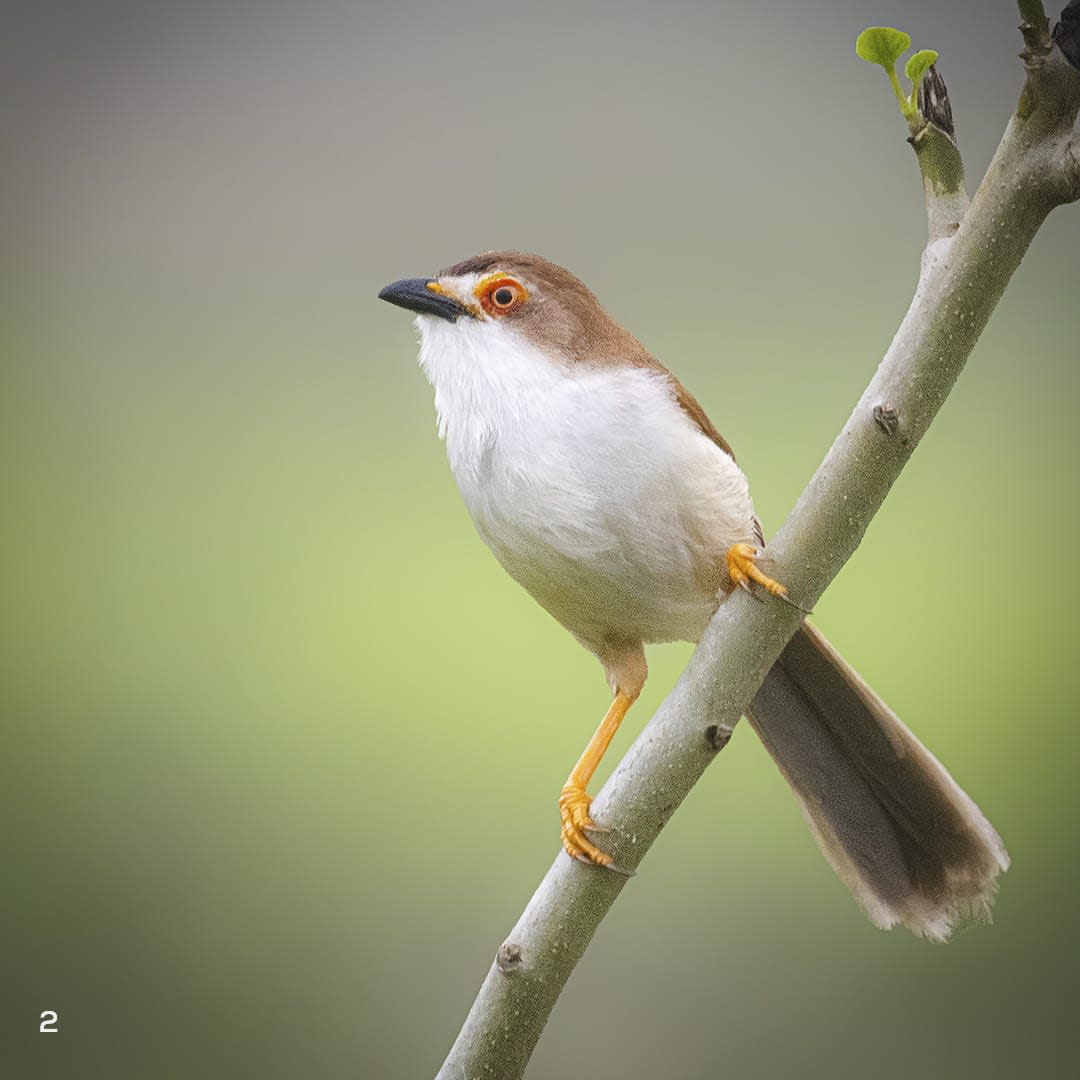
The Central Ridge is a relatively large forest patch with considerable potential for nurturing biodiversity. For instance, its forests and grasslands are extremely rich in birds, contrary to what most people believe. Many species are gradually being squeezed out of the Delhi NCR, as natural habitats are fragmented and modified, converted into malls, residences, and city roads. Even now, as many as 155 bird species have been recorded in and around the Central Ridge, including the crested serpent eagle, sirkeer malkoha, Asian tit, grey-breasted prinia, and yellow-eyed babbler, which are otherwise rare in Delhi.
Research by Arnav Gupta, who currently leads the Delhi Bird Atlas, underscores the importance of preserving Delhi’s scrub and deciduous forests for the species that prefer forests over parks and gardens. Based on spatial analysis of eBird data, he found that the white-bellied drongo, small minivet, yellow-crowned woodpecker, Tickell’s blue flycatcher, common woodshrike, white-browed fantail flycatcher, and sulphur-bellied warbler are now largely confined to a few patches that remain of the wild and semi-wild forests of the regional Aravallis, such as Sanjay Van and Mangar (southern Haryana). For these insect-eating birds, wild, dense shrubbery, native vegetation, and natural tree structure are critical, all of which have been lost in recent times due to the kind of “cleansing” practices being followed to tame forests into parks. On a landscape scale, the gradual shrinking of wild habitats and the drying up of seasonal watercourses have taken their toll.


Research by ornithologist Anthony Gaston (2024) corroborates these trends, comparing his 1970s data from detailed studies on the Central Ridge with eBird records from 2018 to 2022. Gaston documents significant declines in several forest specialists, including the yellow-crowned woodpecker, long-tailed shrike, yellow-throated sparrow, and the small minivet. These species are local residents, so their decline over the last five decades suggests adverse changes in insect life, wild seeds, and the habitat itself, besides increasing habitat fragmentation.
Gaston found the opposite pattern for synanthropic species, that is, species known to thrive in and around human habitations. Such species appear to have increased in number during the same period, including the large-billed crow, the Asian pied starling, and the bank myna. Furthermore, predominantly frugivorous birds, which are now commonly seen in manicured parks and gardens across the city, also seem to have increased. These include the yellow-footed green pigeon, brown-headed barbet, coppersmith barbet, and Indian grey hornbill.



These shifts in bird community composition across space and time underscore the importance of preserving the Ridge’s open woodlands and scrub forests, which provide critical habitats for many specialist species.
While information on mammal diversity in the Central Ridge is limited, we can infer the current fauna from recent research in other parts of the Ridge across the city. Between 2022 and 2025, the WWF Delhi team recorded the small Indian civet, palm civet, Indian crested porcupine, Indian long-eared hedgehog, black-naped hare, golden jackal, and nilgai in Sanjay Van, which lies in the South Central Ridge, part of the same ecosystem.
Early twentieth-century District Gazetteers note that a range of mammals once inhabited the Central Ridge. During the 1920s and 1930s, dozens of porcupines and hares were killed because they damaged trees and gardens. Hundreds of jackals were shot until 1940 because they were considered a nuisance, and their calls disturbed the Viceroy at night. Describing this carnage, Pradip Krishen writes, “Despite this diligent genocide, the population of jackals (I call them ‘Peeping Jacks’. Who can blame them for being so shy?) on the Ridge is still healthy. They have learnt to eat not just rotis and chana but bananas, mangoes, and tomatoes that are scattered on the road for the macaques.”

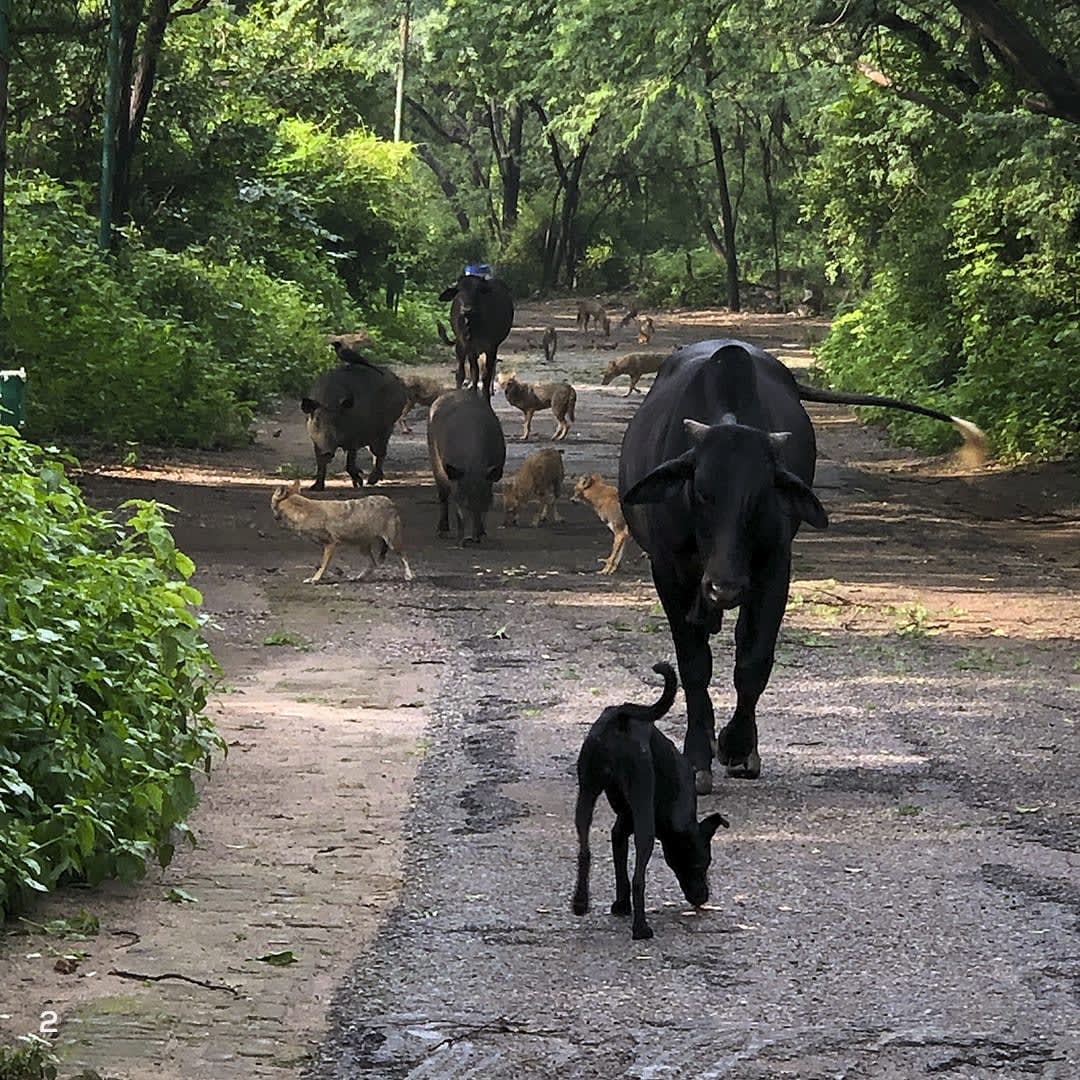
Thankfully, jackals have managed to persist. However, the black-naped hare and nilgai seem locally extinct in the Central Ridge, possibly because of the loss of open grassy spaces over time. The disappearance of the crested porcupine is harder to explain, as they are considered a more adaptable species.
The changes currently underway are likely to decimate any surviving mammal populations. However, restoring the Ridge with appropriate native plant communities may give these mammals a fighting chance and help revive their numbers.
A diverse set of fauna may be lost forever from the capital city if the existing parks and plantations in the Delhi Ridge continue to expand into the natural forest. Adopting a scientific restoration approach for these forests will be critical to retaining biodiversity in the city, alongside the other ecosystem services they currently provide, such as groundwater recharge, climate modulation, and public recreation.
About the Author