Listen to this article
•
15:34 min
Listen to this article
•
15:34 min
In 2023, Odisha’s Department of Forestry, Environment and Climate Change declared the Gandhamardan hill range, spanning Bargarh and Balangir districts, a Biodiversity Heritage Site. Rising above 1,000 metres and spread across nearly 19,000 hectares, the hills are among eastern India’s richest ecological habitats, home to more than a thousand plant species and around 500 faunal species, including 43 mammals, 161 birds and 44 reptiles. Two species, the angiosperm Ficus conccina var. dasycarpa and the spider, Peucetia harishankarensis, are found nowhere else on Earth.
Gandhamardan is also a cultural landscape. The northern and southern slopes cradle the sacred Nrusinghanath and Harishankar temples, and local lore links the hills to the Ramayana, believed by many to be part of the mountain Hanuman carried to fetch medicinal herbs for Lakshman. For more than 5,000 Adivasi households — Munda, Saura, Kondh, Binjhal, and Gond communities living in 60 villages across Paikmal and Khaprakhol — the hills are a living landscape of food, medicine, livelihood, and identity.
“The small streams of the Gandhamardan range feed the Ong and Suktel rivers, which in turn nourish the Mahanadi,” said Ranjan Panda, water and climate expert and convenor of Water Initiatives Odisha, a collective promoting community action, youth engagement, ecological advocacy, and policy influence to protect water resources and advance water rights in Odisha and across India. “Locals say there once were 154 perennial streams supporting 22 waterfalls. Now only 22 perennial streams remain. Protecting Gandhamardan is crucial for water security.”
The hills are largely composed of khondalite, a high-grade metamorphic rock that forms the backbone of the Eastern Ghats. Geological surveys estimate 10.47 million tonnes of bauxite beneath 735 hectares here, reserves that have long driven mining interests.
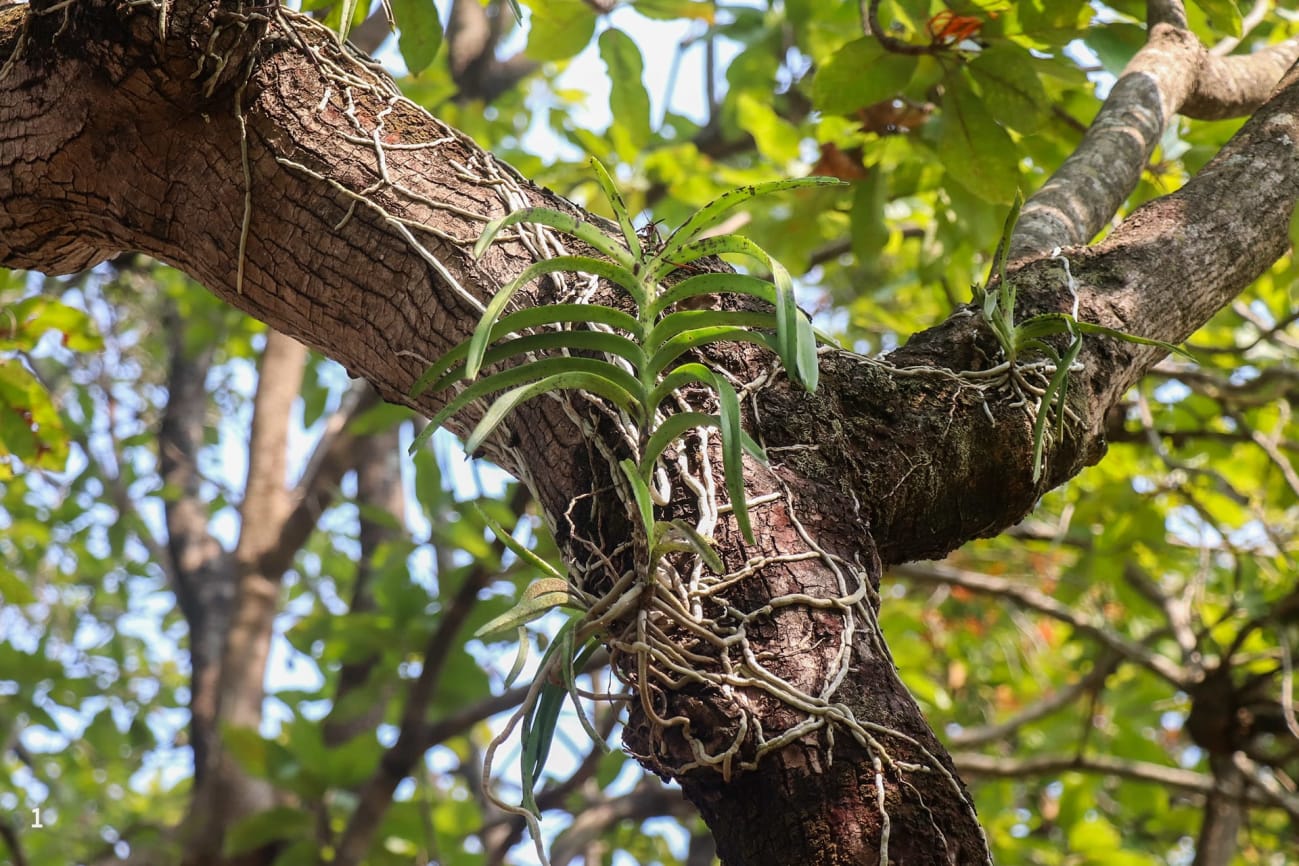
“Our grandparents knew every corner of these hills,” said Damrudhar Majhi of Kharamal village in Paikmal. “Deep inside, the canopy is so dense, sunlight barely enters. It is a treasure of roots, tubers, leaves, and bark found nowhere else.” While the Botanical Survey of India records 220 medicinal plant species in the area, local communities estimate more than 500.
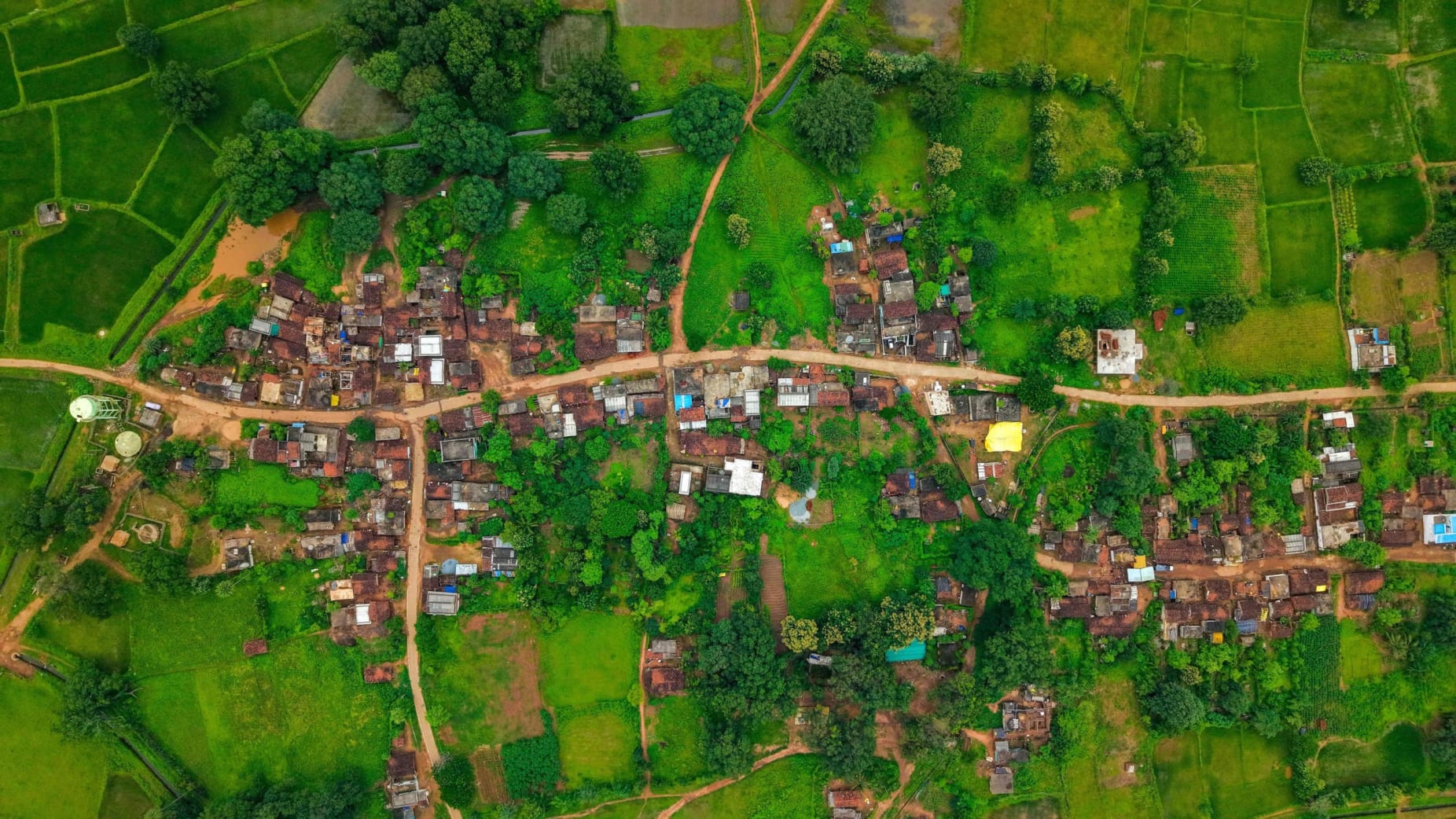
Cover Photo: Aerial view of the Gandhamardan foothills.
A Living Pharmacy
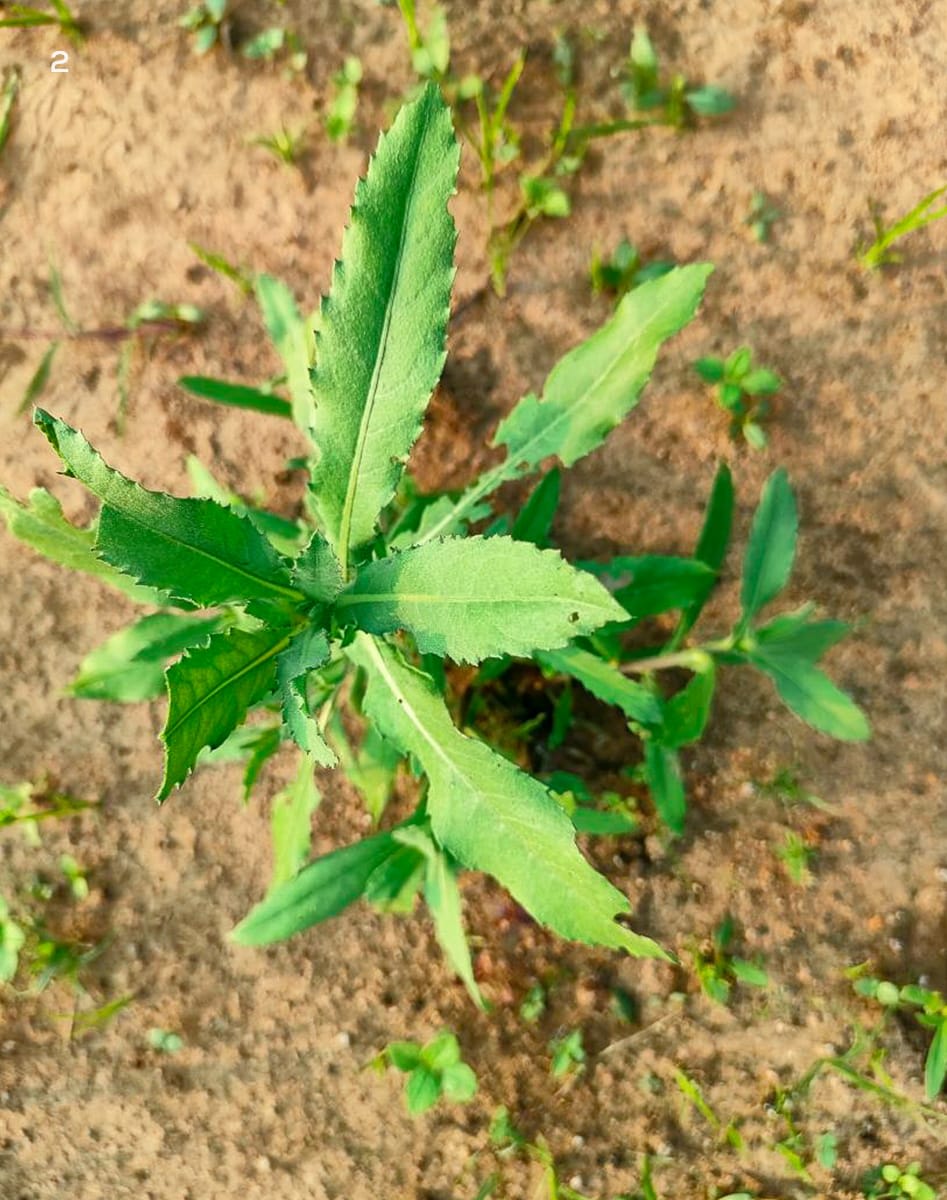
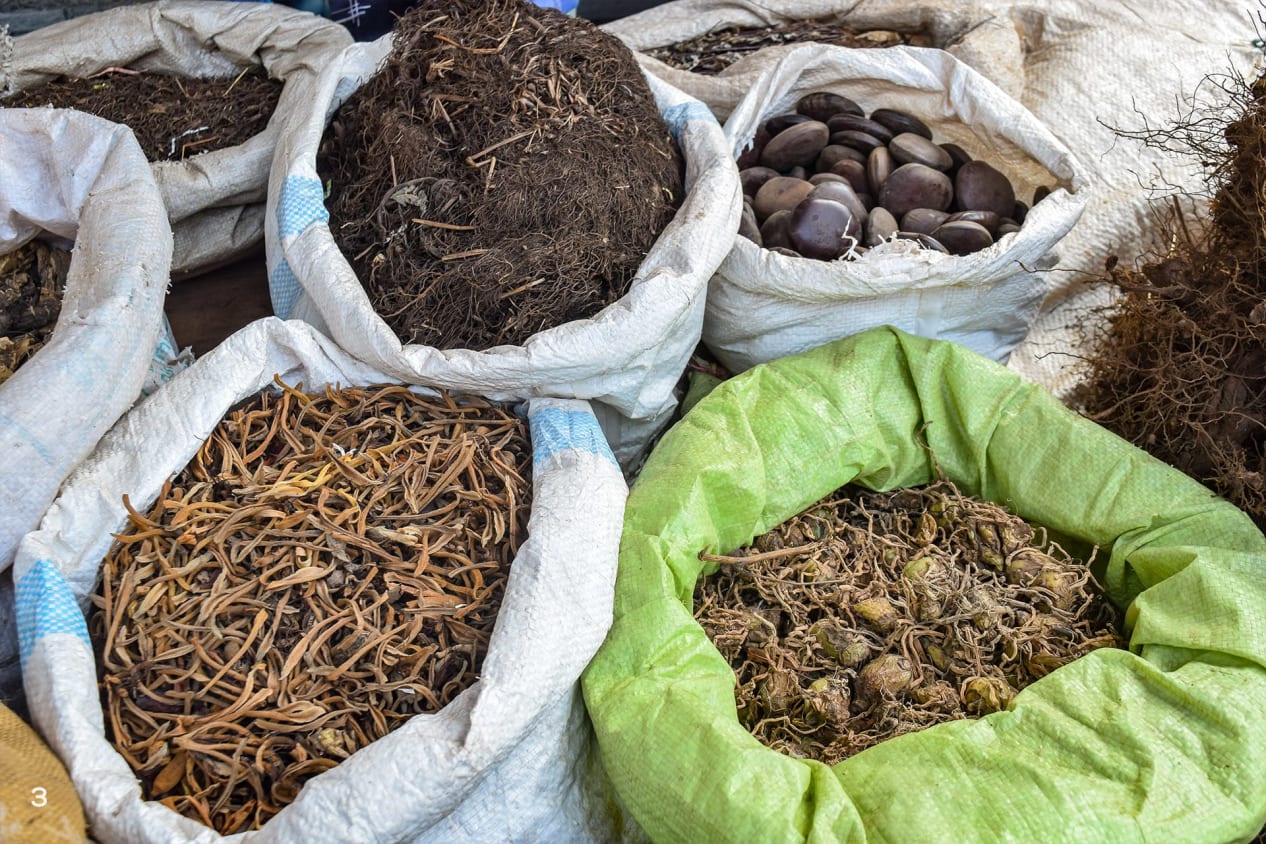
For traditional healers, this biodiversity is a living pharmacy. Parmeswar Pradhan, a fourth-generation healer from Baidapali, has treated patients for 25 years using herbs gathered from the forest. “Bhargi (Clerodendrum serratum) is rare and special,” he said. “We use it for respiratory problems and inflammation.” He added that demand for herbal medicines has surged over the past 15 years, with patients arriving from Odisha, Chhattisgarh, and Jharkhand. “Many who were advised surgery for kidney stones or gall bladder stones recovered with medicines from Gandhamardan,” he said.
But rising demand has fuelled unsustainable extraction. “Traders and agents of Ayurvedic companies uproot entire plants,” said Rajkumar Seth of the Gandhamardan Yuva Surakshya Parishad (GYSP). “Local healers harvest sustainably. Outsiders don’t. Species are declining fast.”
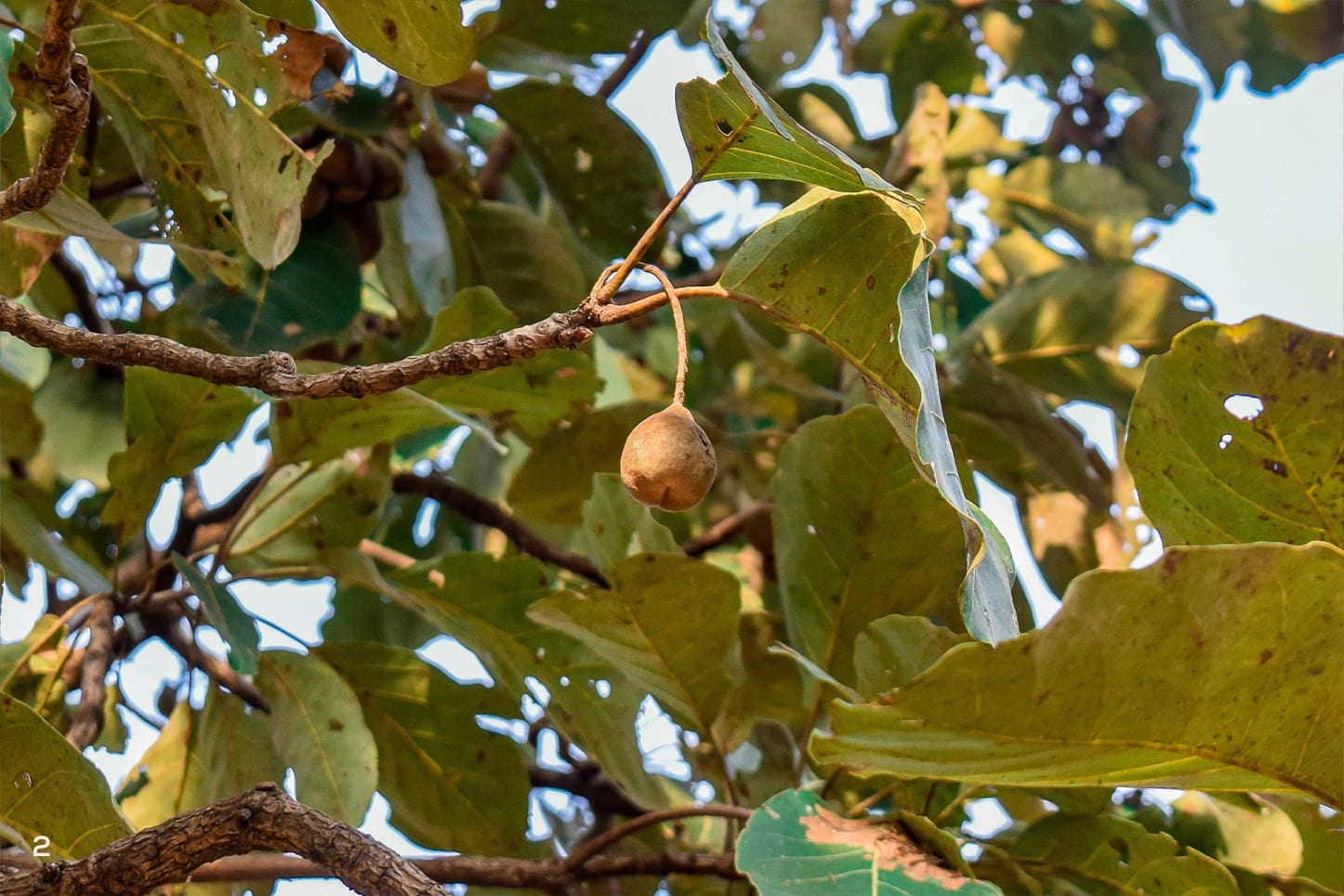
Experts echo the alarm. Gandhamardan harbours several critically endangered medicinal plants, said Biswanath Hota, former Deputy Conservator of Forests, who trains traditional healers across Odisha. Among them is patalgaruda (Rauvolfia serpentina), used to treat snakebites, malaria, and hypertension. Other threatened plant species include iswarjata (Uraria picta), used for bone injuries; bahada (Terminalia bellirica); jyotismati (Celastrus paniculata) used in gynaecological treatments; and puraphula (Gloriosa superba), used to treat skin disorders.
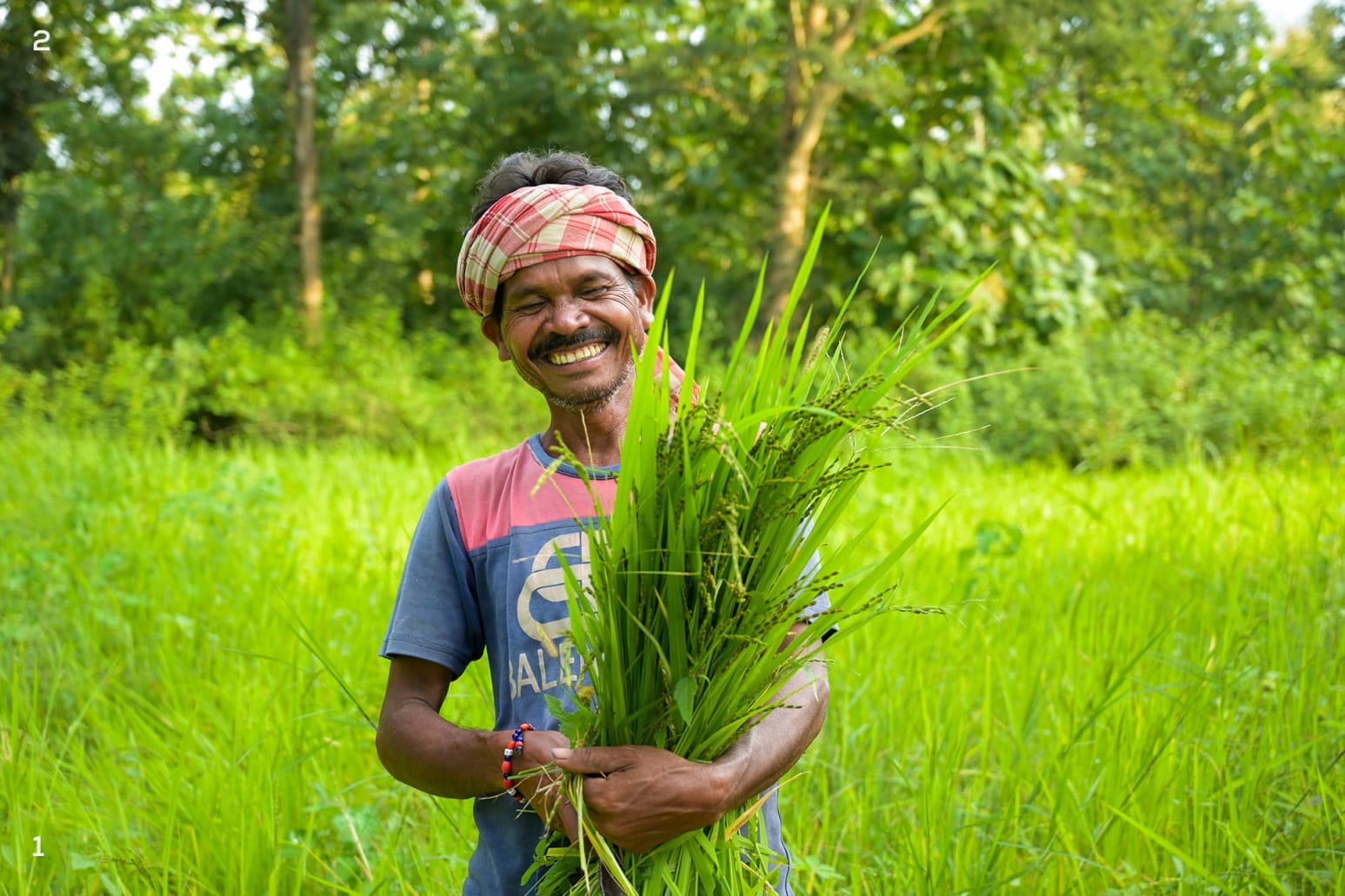
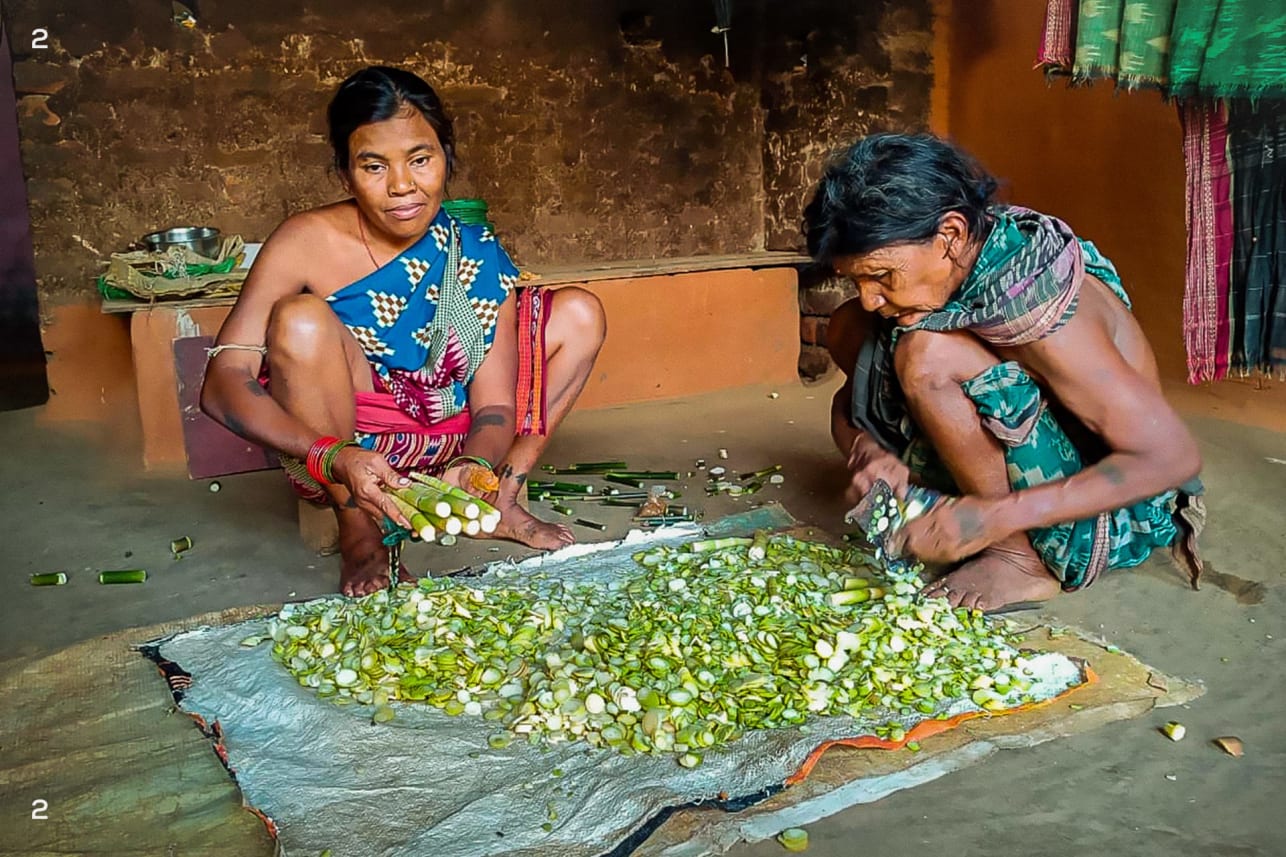
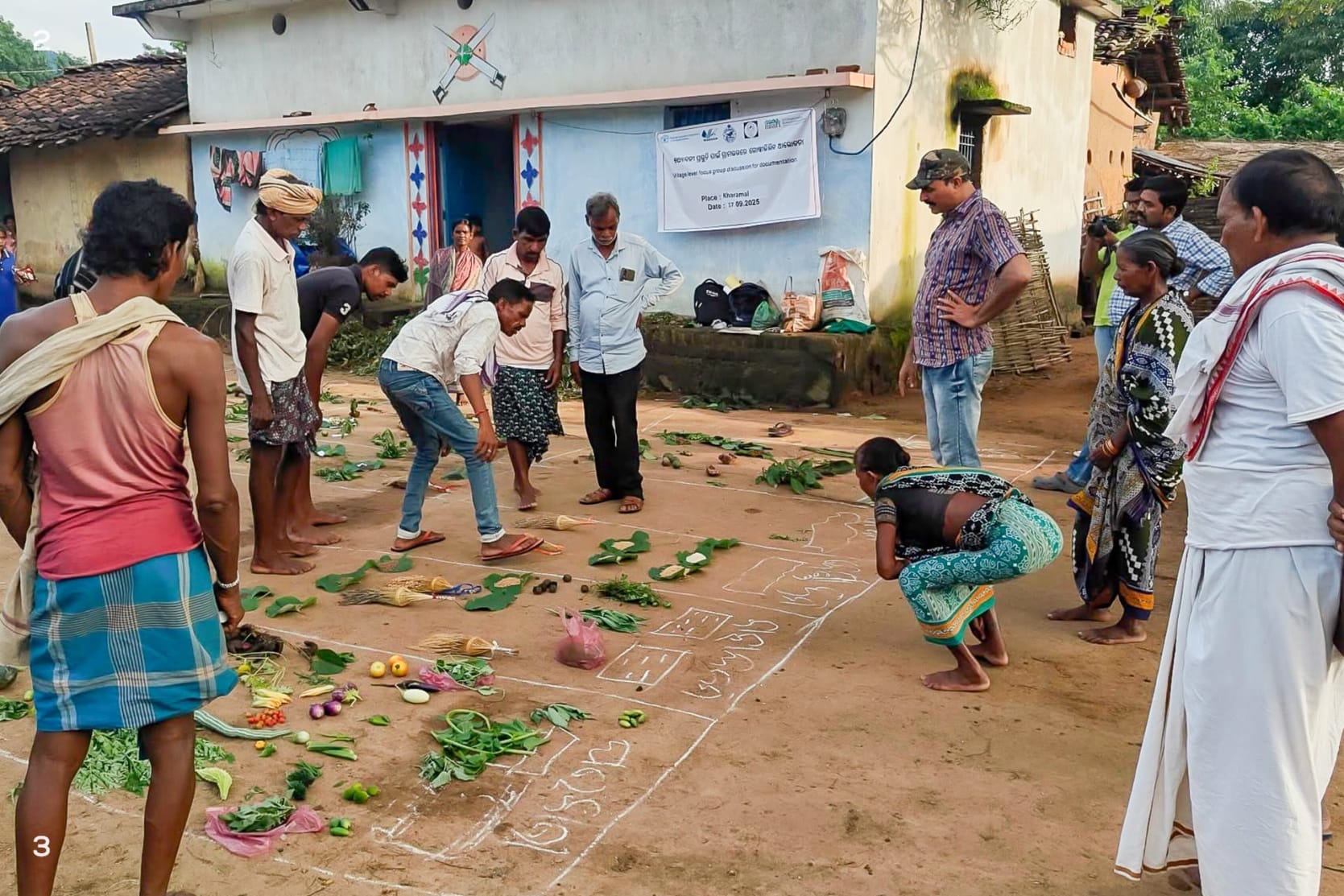
“The healing traditions of Adivasi communities evolved from generations of ecological observation,” said Siba Prasad Sahu, Secretary of Ahinsa Club, a local NGO. “We urgently need scientific documentation, herbaria, maps, and plant records. Without this, Odisha risks losing a precious knowledge system.”
Wildlife Under Stress
Wildlife too is declining as forests degrade and roads cut through once-remote areas. Frogs and lizards once commonly seen — Duttaphrynus stomasticus, Hoplobatrachus tigerinus, Polypedates maculatus for example — are now rare. Monitor lizards and skinks have mostly disappeared.
“Thirty years ago, the hills were full of wildlife — peafowls, monkeys, pangolins, foxes, even leopards,” recalled 82-year-old Ghasiram Majhi of Motipali village. “When mining explosions began, animals fled deep into the hills. Now only wild boars and monkeys are common.”
A Dark Mining History
Ecological anxieties resurfaced when 112 acres near the hills were recently acquired by Mahanadi Mines and Minerals Limited, a subsidiary of the Adani Group. The company says the land is meant for compensatory afforestation, but villagers fear it signals renewed mining interest.
Their concerns stem from lived experience. In the early 1980s, Bharat Aluminium Company Limited (BALCO), now part of Vedanta, began exploring bauxite deposits here. “From the beginning, we opposed mining,” said 70-year-old Ramsingh Majhi of Kharmal. “Because of Gandhamardan, rains come, our crops grow, women gather food, and healers find herbs.”
BALCO would use dynamite to blast the hills in order to extract bauxite. Ramsingh remembers the blasts vividly. “The explosions shook our roofs. Children cried. Our cows and goats ran in panic. We realised we had to stop mining at any cost,” he said. Adivasi communities, supported by student unions, GYSP, environmentalists and activists, sustained a five-year anti-mining movement. In 1988, the state government cancelled its MoU with BALCO. Findings from the Naga-Raj Committee (1987) and Botanical surveys documenting 912 vascular plant species further strengthened the case against mining.
A Living Agroforestry Heritage
Beyond its forests, Gandhamardan is a cradle of indigenous agroforestry. Generations of Adivasi families have foraged and cultivated a mosaic of native horticultural crops, wild edibles, tubers, and more than 100 traditional paddy varieties, blending farm and forest into a resilient food system.
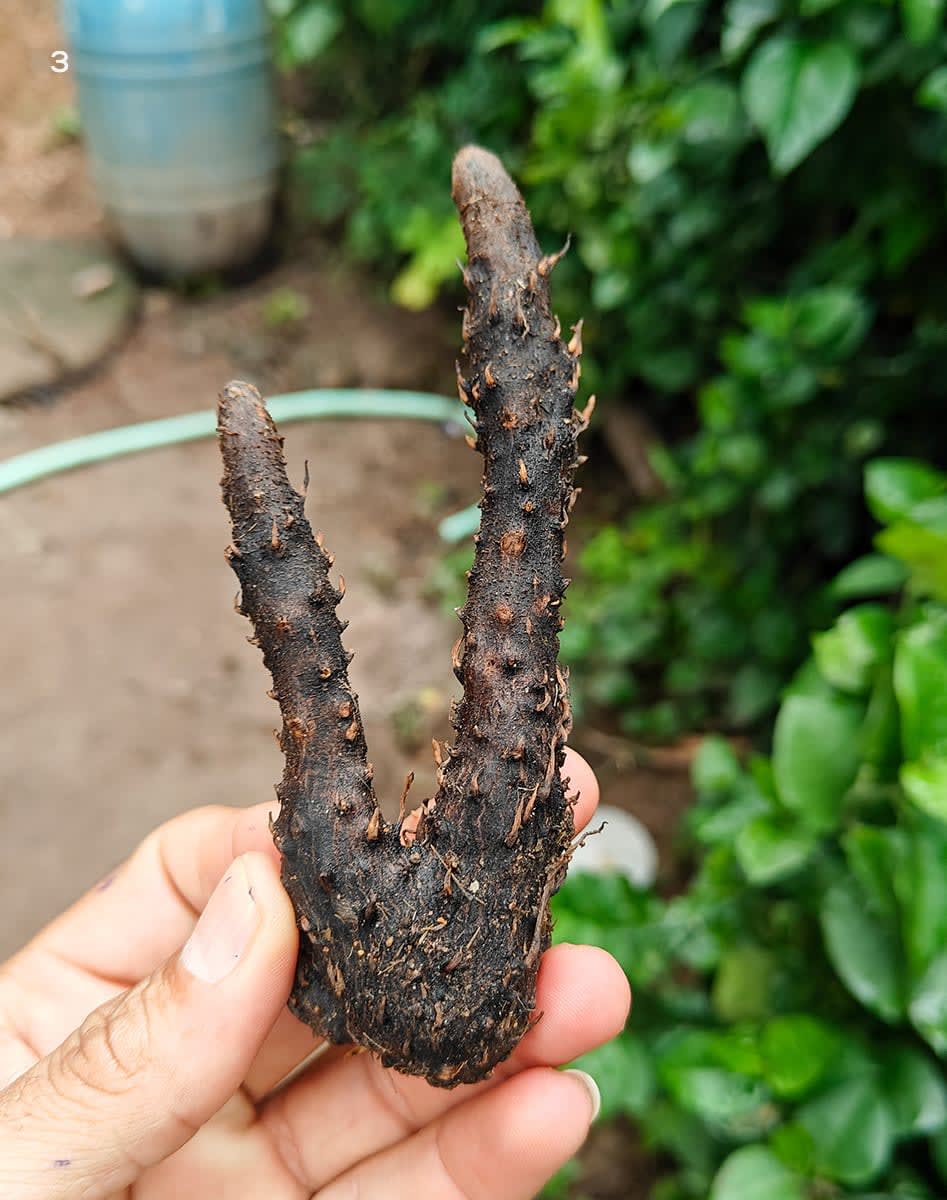
Tubers lie at the heart of this system. More than 15 varieties — chel kani konda, pit konda, julka konda, kasa konda and others — are consumed. “Konda is our survival food,” said Dharam Singh Dharua of Chaulbanji. “We store it for months when other crops are not ready.”
Monsoon brings mushrooms, locally known as chati, including putu chati, hati binua chati and bhoda mongala chati. Over 50 varieties of wild greens like chakada saag, laal saag and gadar saag, remain dietary staples.
“We never overharvest,” said Shashi Rekha Dharua, 51, of Chaulbanji. “We take only what we need. The forest feeds us every season, and we protect it so it can feed our children, too.”
Traditional paddy varieties such as bhoda kaker (red rice), mugdhi, kusum kali (aromatic rice), kalabati (black rice), and sunaharina (long-grain rice) have been preserved for generations. Forest fruits such as wild banana, jackfruit, mahua, mango varieties like kalia ladu and dudbheli supplement nutrition and livelihoods.
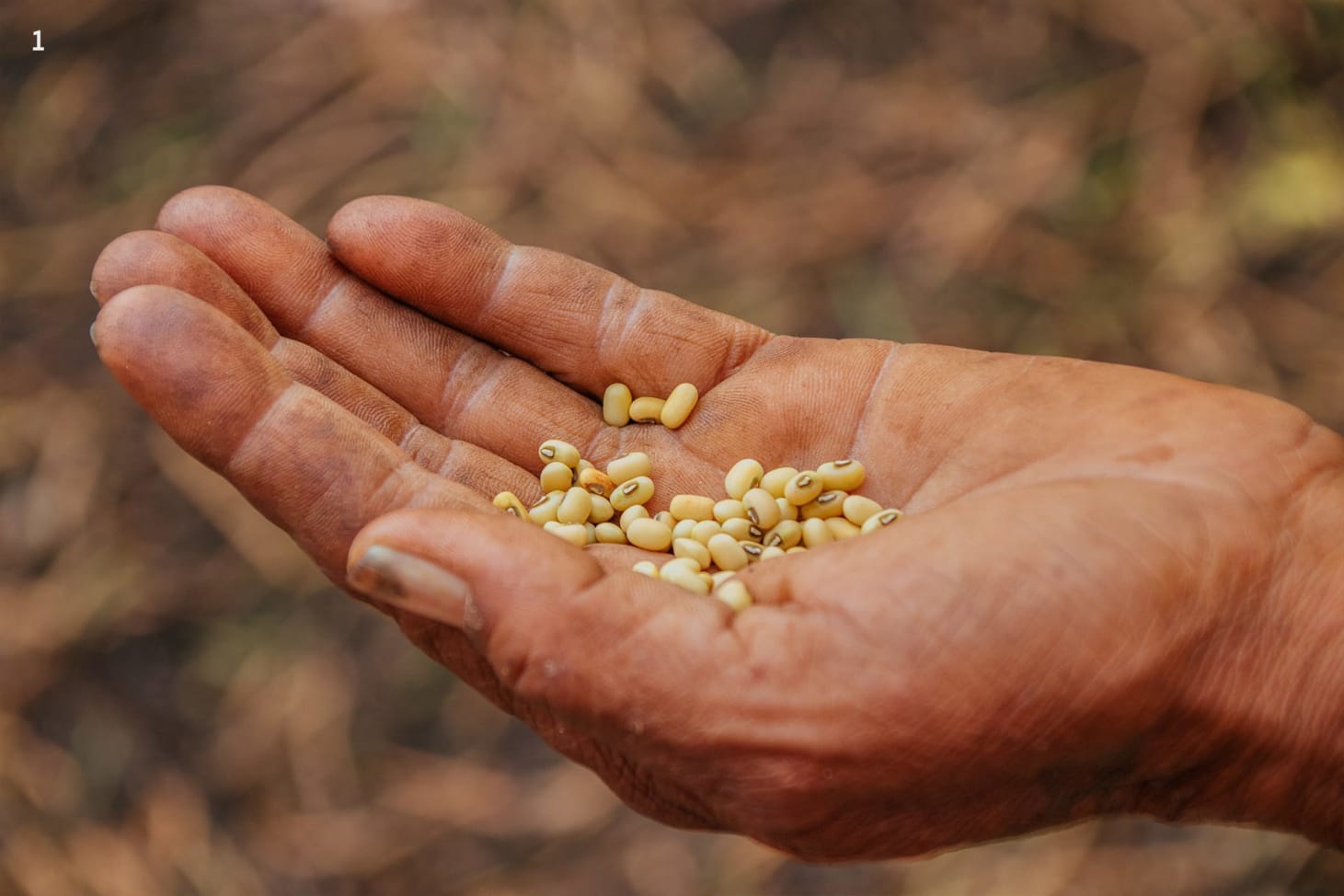
Protein-rich pulses are equally important, including green gram like kharseli mung, black gram such as laha biri, and red gram varieties like bada rahadi. Oilseeds such as sesame and mustard complete the agroecological mosaic.
“These crops are climate-resilient and grown through organic mixed and intercropping systems,” said Abhishek Pradhan, agricultural expert at Watershed Support Services and Activities Network (WASSAN). He noted that Adivasi agricultural festivals play a key role in maintaining crop diversity. During the Mutchua Jatra (festival), farmers exchange seeds; Kado Jatra celebrates collective labour during weeding and transplanting; Magsir Jatra, the harvest festival, reinforces cultural ties to the land.
A Bid for Global Recognition
Recognising this intertwined landscape of ecology, culture, and food heritage, the Department of Agriculture and Farmers' Empowerment (DA&FE) has initiated efforts to nominate Gandhamardan as a Globally Important Agricultural Heritage System (GIAHS). In collaboration with local NGOs and academic institutions, participatory field documentation is underway. Ahinsa Club, in partnership with WASSAN, has conducted focus group discussions, farmer interviews and consultations with tribal representatives, environmentalists, and civil society groups.
“The Gandhamardan landscape embodies centuries of indigenous knowledge and ecological stewardship,” said Arabinda Kumar Padhee, Principal Secretary, DA&FE. “Documenting these practices is essential not just for GIAHS recognition, but for safeguarding the agroecological heritage that sustains local communities.”
About the Author