 Listen to this article
•
15:34 min
Listen to this article
•
15:34 min
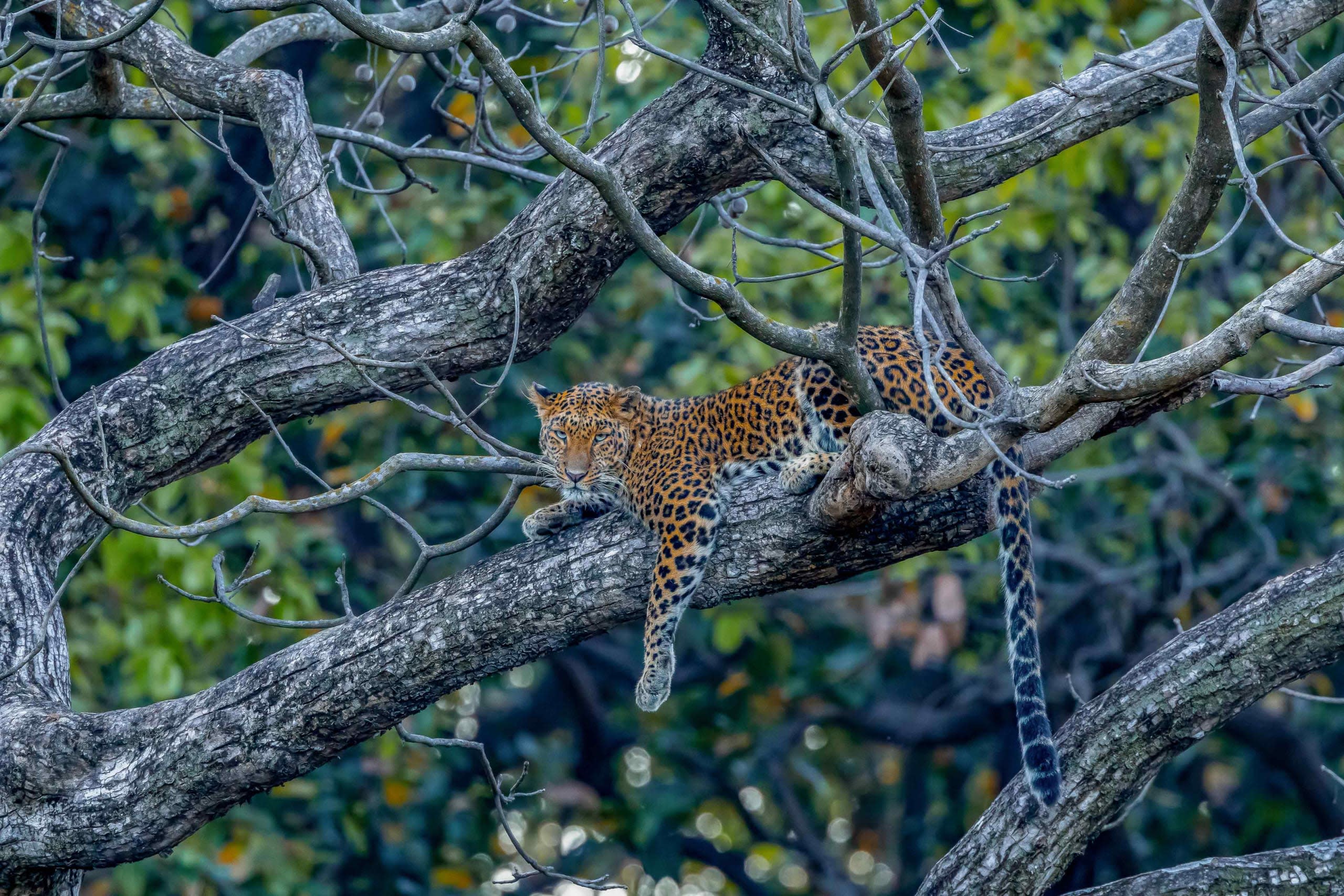
Weeks after returning from my visit to Rajaji National Park, I was cataloguing images on my laptop. Photos of numerous birds and leopards awaited review. Though I began by reminiscing over exciting safaris and sightings, my attention soon drifted from the animals on my screen to the trees in their environment. A monitor lizard nestled in the fork of a tree trunk, the curved branches near it creating an intriguing pattern. A jungle owlet seemingly staring at me with piercing yellow eyes, set against a dull, brown bark. A beautiful leopardess lounged on a tree, thick branches framing her.
The trees and shrubbery were composing my photographs, but unfortunately, I did not know their names. Before that moment, I had not even thought about the vegetation that surrounded the subjects in my photos. Numerous videos, blogs, and workshops on wildlife photography had dutifully mentioned how a deep understanding of animal behaviour would help me take better photographs. Somehow, flora had been missing from this discourse. Wouldn’t knowing which animals prefer which trees to perch or feed on help me take better photos?
Cover photo: The Mohand-Chillawali zone of Rajaji National Park is known for its leopards, often seen lounging on tree. Due to their adaptability, they are well-adjusted to the forests and forest edges near Dehradun.
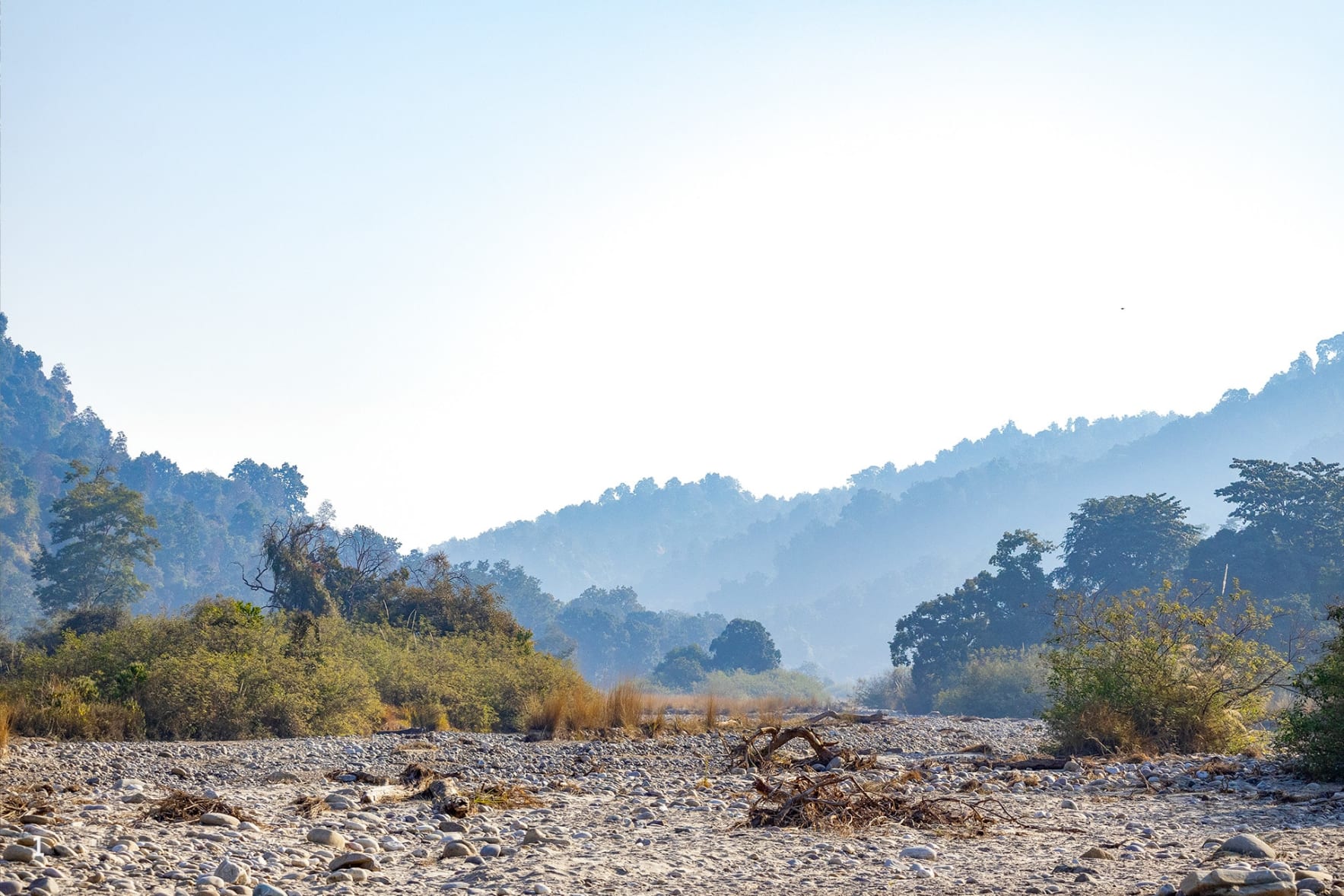
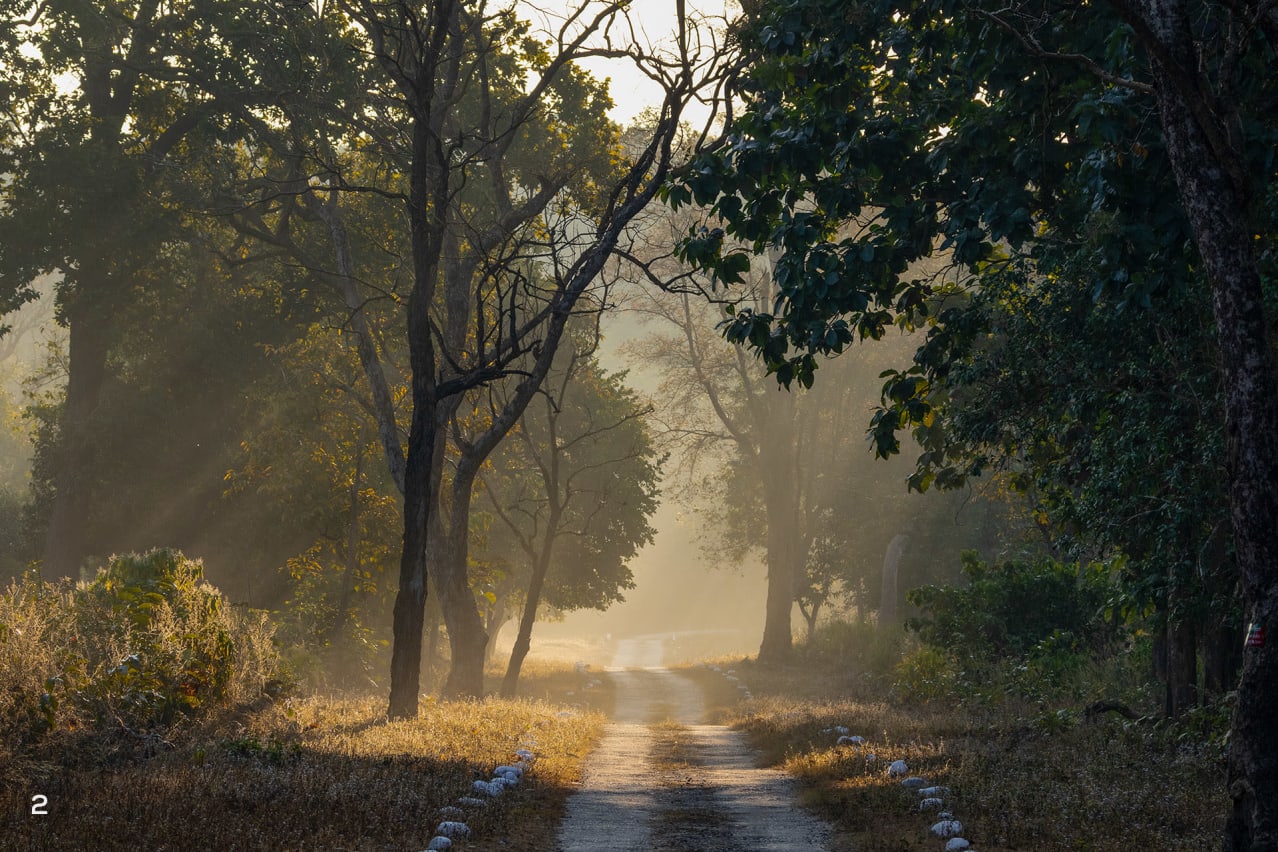
In April 2025, while packing my camera bag for my first visit to the park, I was preoccupied with the wildlife I would see on my safaris. I was prepared to assess pugmarks, scat, and alarm calls; I was ready to track leopards with guides; and I hoped elephants would cross our paths. The Mohand-Chillawali zone in southwest Uttarakhand, which I was visiting, spreads across the foothills of the Shivaliks and the Terai plains that begin at their base. Though most tracks in the forest are on flat land, the hills provide a backdrop to the scenery. You drive through scrublands, grasslands of tall Terai grasses and broadleaf trees, interspersed with single-species patches of sal.
Rajaji is a visual treat. As we enter the gates, towering teak trees (Tectona grandis) sway in the breeze, their leaves rustling. The green scenery contains spots of floral red, pink and yellow, interrupted by the pristine white of the rocks in the streambeds (locally known as naalas or raus). The sun paints the forest golden.
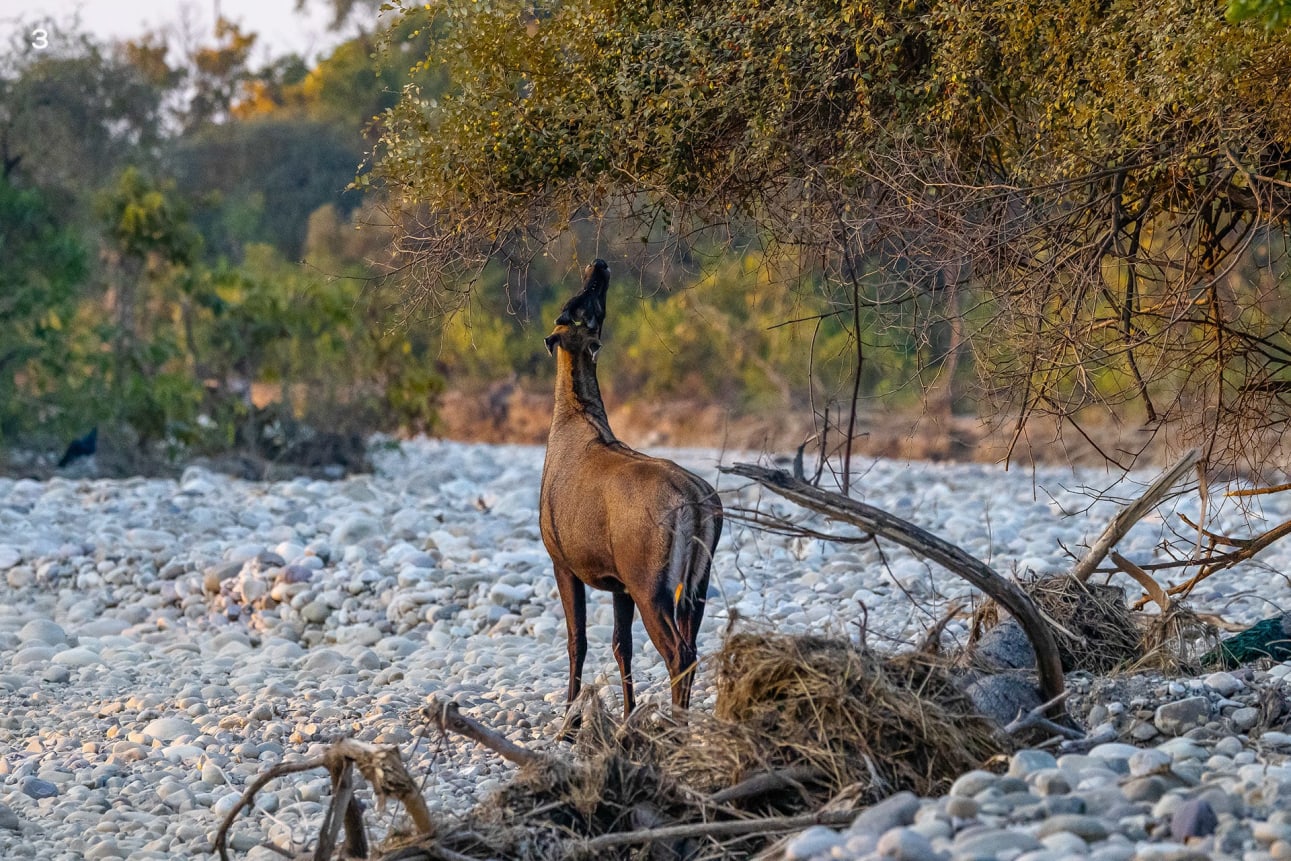
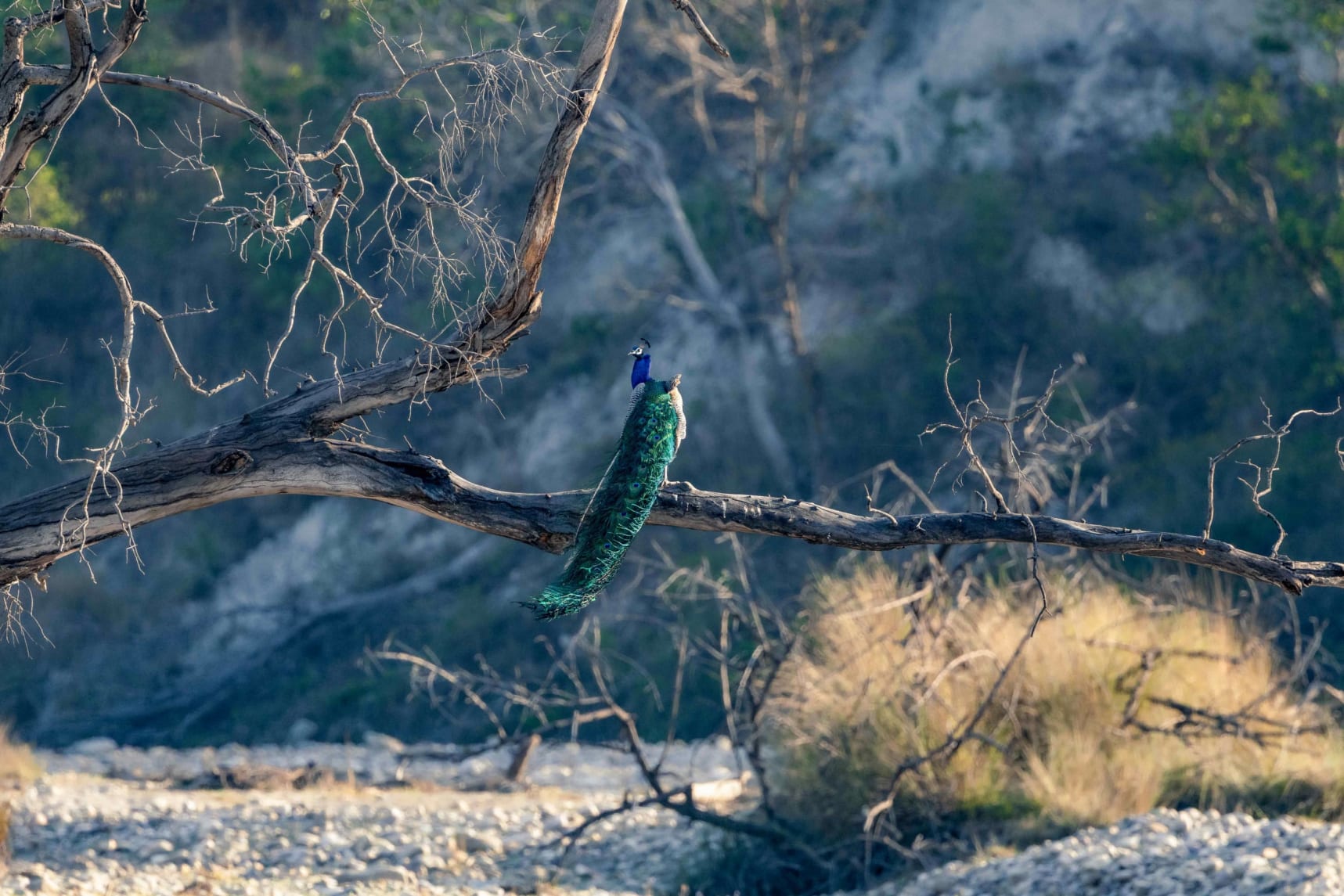
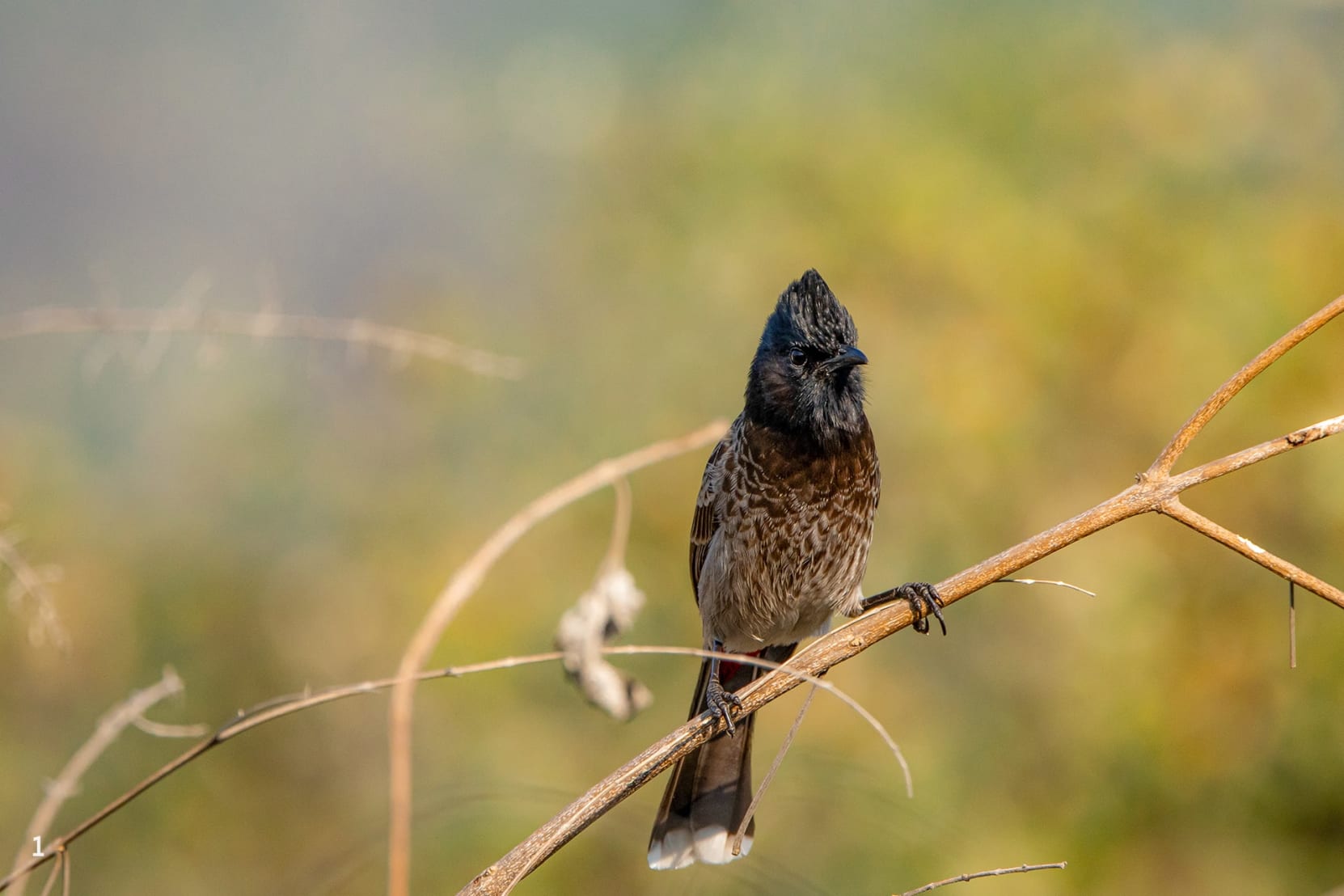
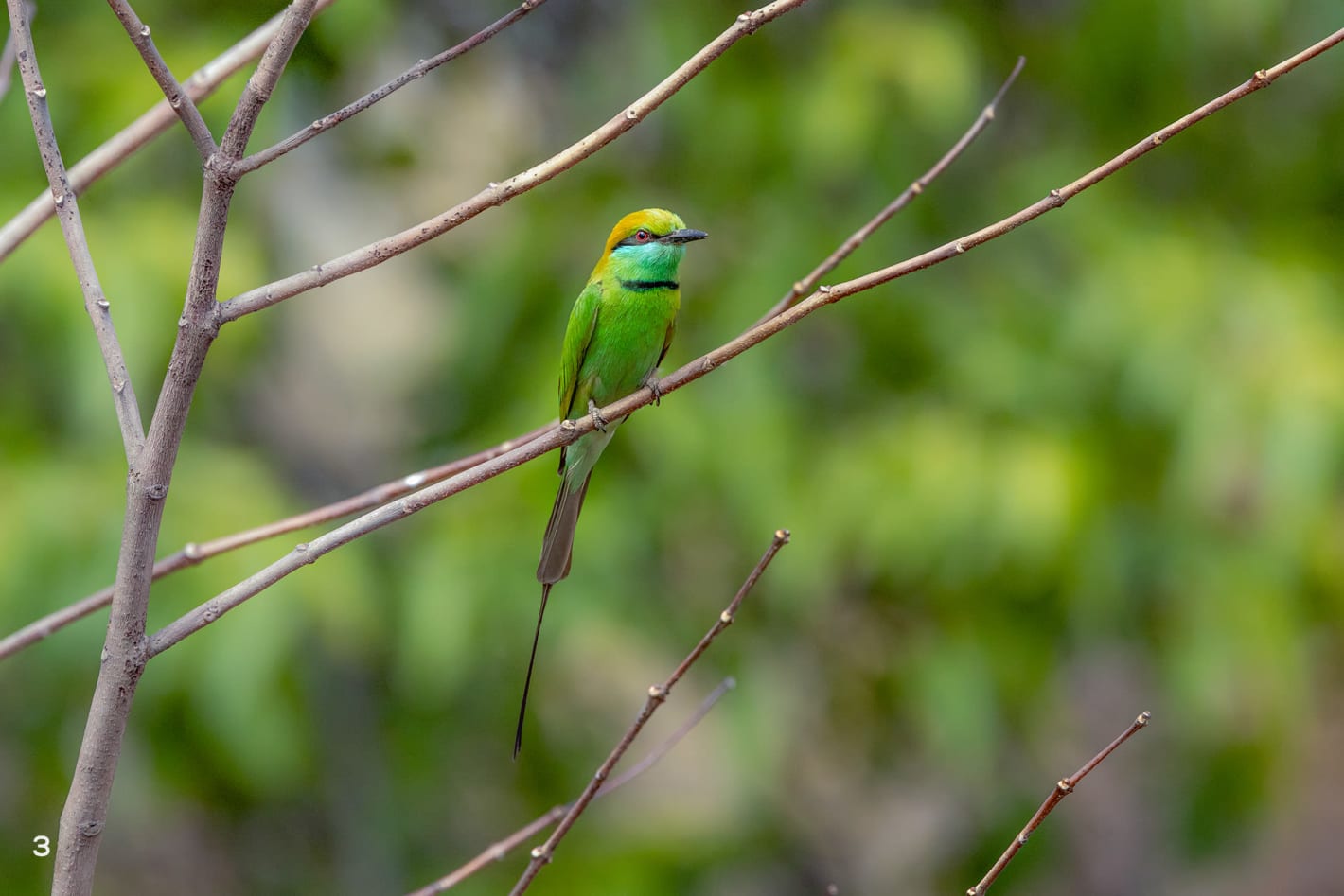
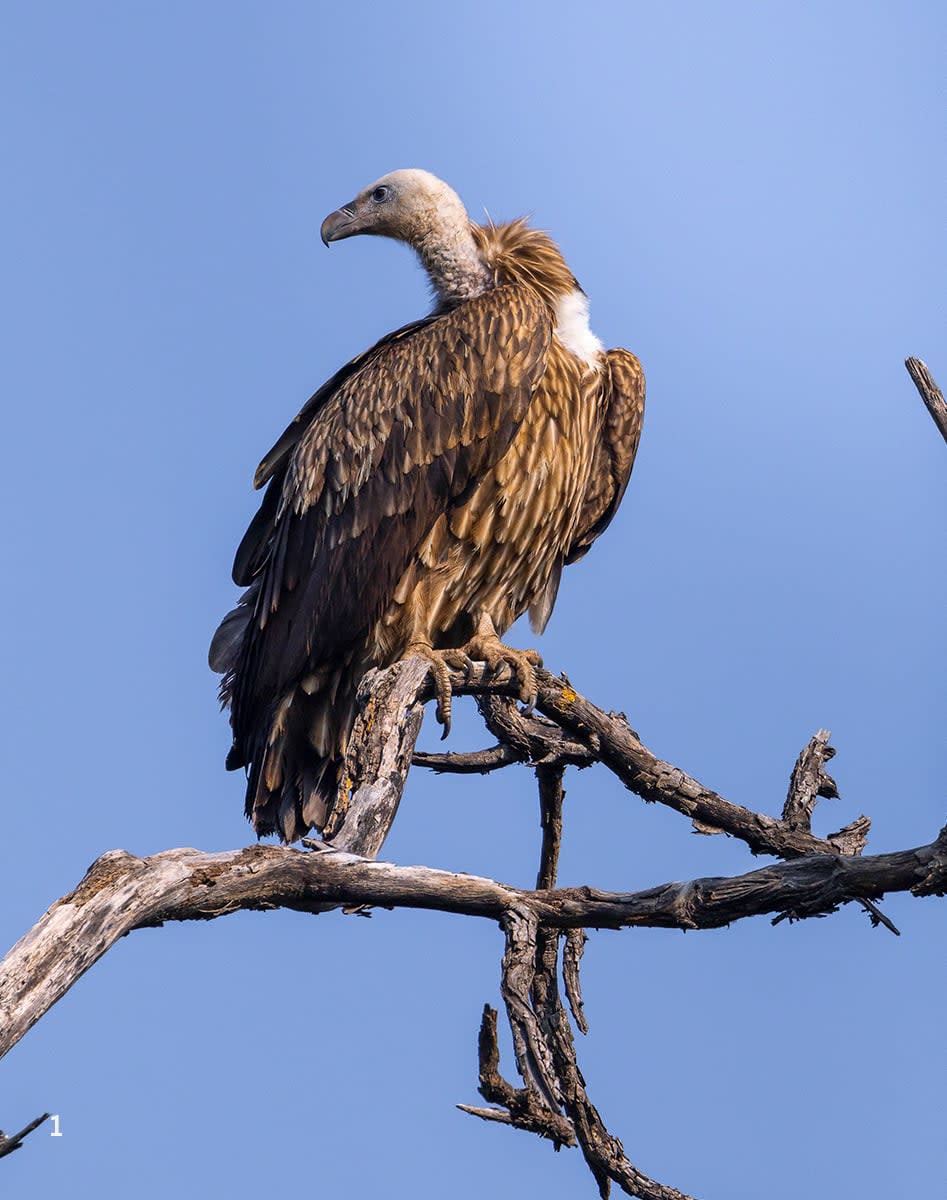
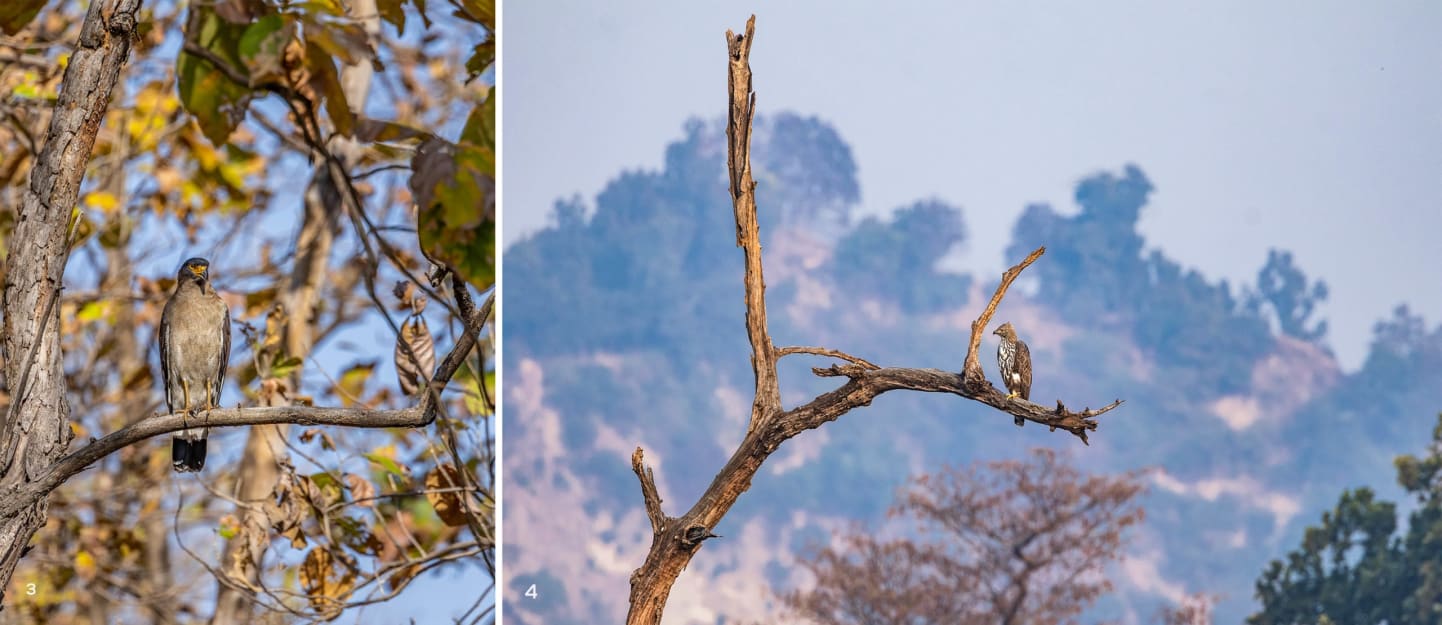
In addition to fantastic leopard (Panthera pardus) sightings, the forest offers numerous opportunities for birdwatching. I saw scowling crested serpent eagles (Spilornis cheela) perched high. Peacocks flaunted their trains of green and blue. Pairs of red-vented bulbul (Pycnonotus cafer) darted around in the grass and shrubbery. Pipits, robins, and bushchats foraged nearby. Bee-eaters and martins zoomed over thin streams. The loud, fast-paced “ke-ke-ke-ke-ke” of the rufous treepie (Dendrocitta vagabunda) echoed over the slopes. Herds of spotted deer (Axis axis) grazed along the forest floor while large-bodied sambar (Rusa unicolor) and nilgai (Boselaphus tragocamelus) lingered further away.
I was slotted in a safari jeep with three others, guided by Farid. He showed us a tree that in recent years has become the favoured nesting site for a pair of great hornbills (Buceros bicornis). Their nesting period had begun, and the female was already inside the hollow with just her beak visible.
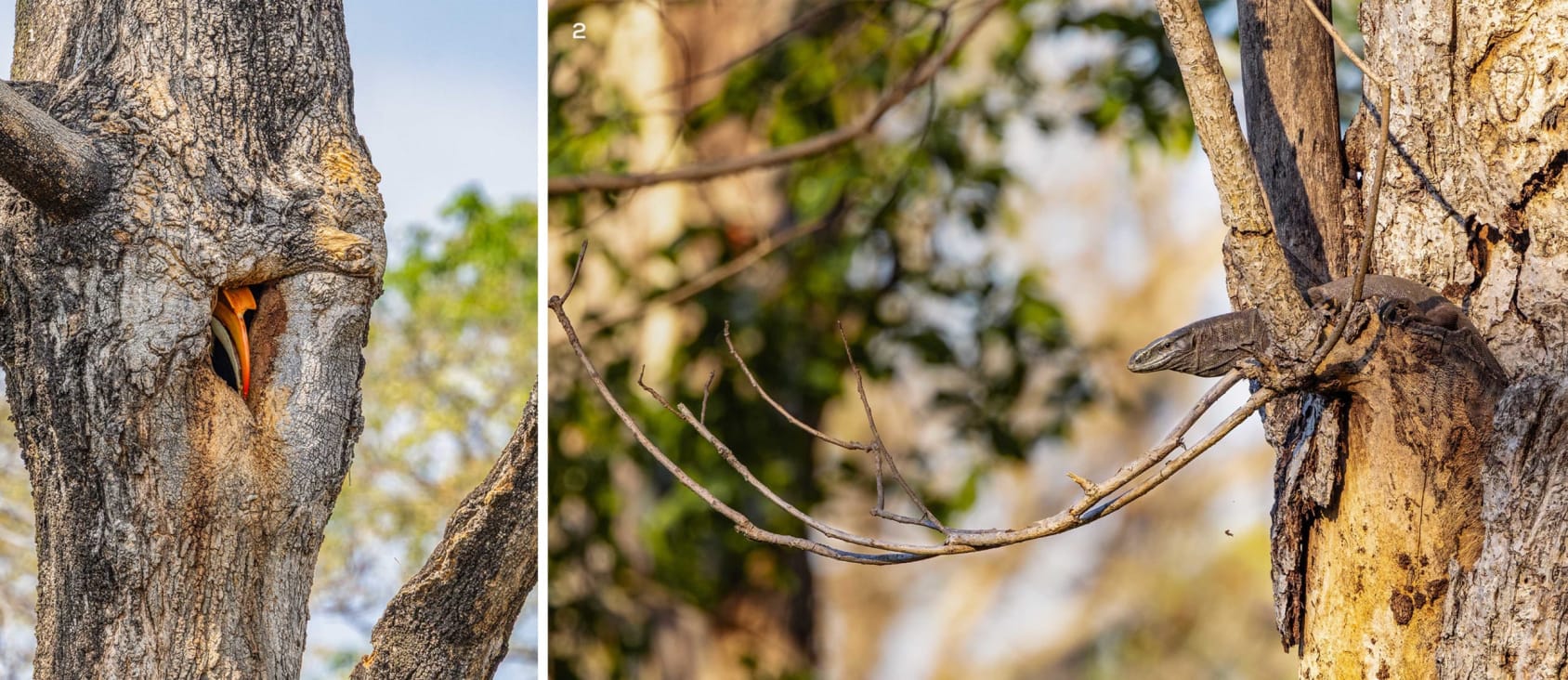
Disappointed that I had not seen the male hornbill, I had failed to appreciate seeing the female. But now, as I looked at the photo on my laptop screen, I was consumed by regret and curiosity in equal measure. The female was carefully applying mud to the hollow opening to seal herself off in the cavity where she would stay for months to raise their chick. Now I wanted to know what tree it was. I wondered if the hornbill pair returned to it because it had the fruits they liked or because it offered them safety like no other tree.
These and other questions accompanied me when I returned to Rajaji in December of the same year. Trees had captivated me, providing new avenues for understanding the forest and its inhabitants.
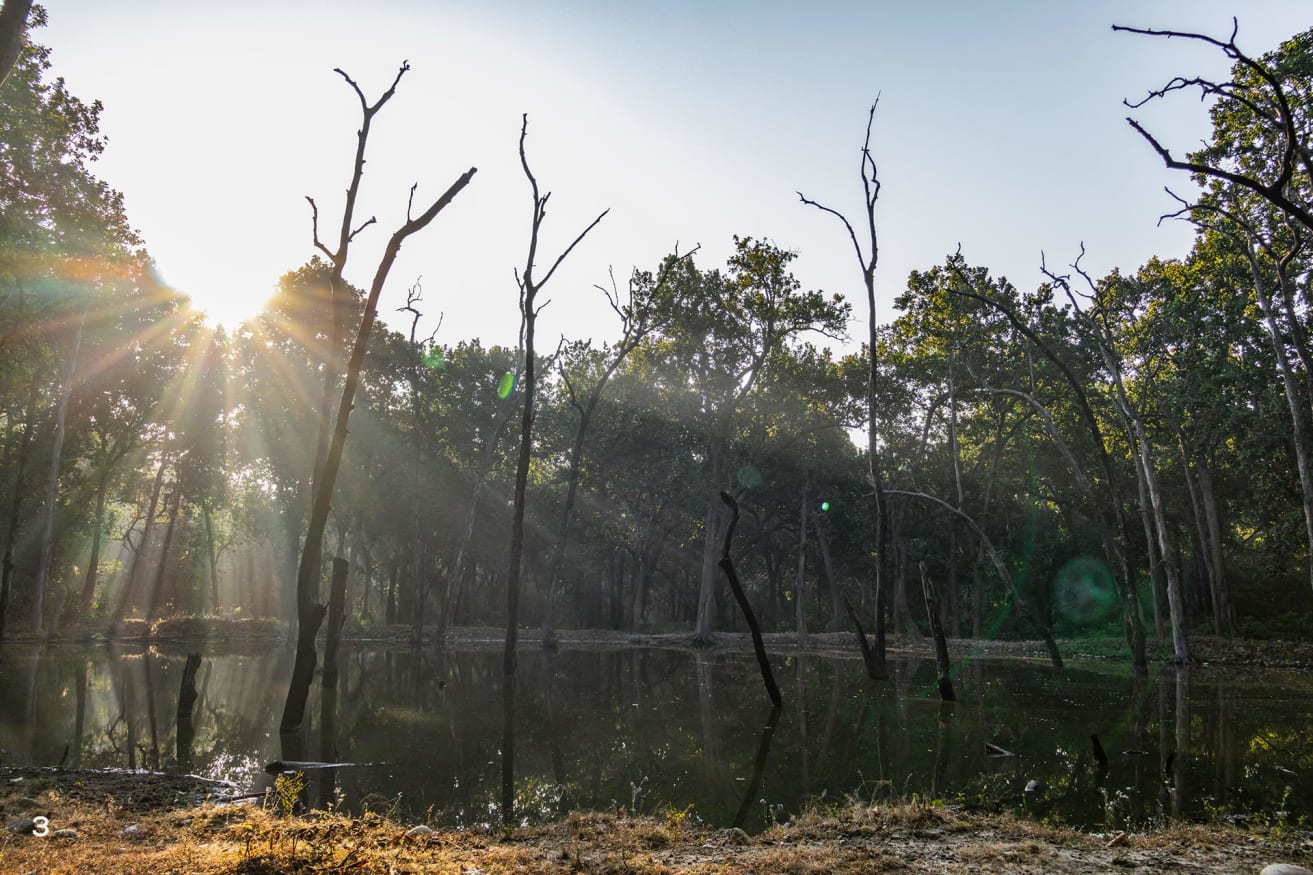
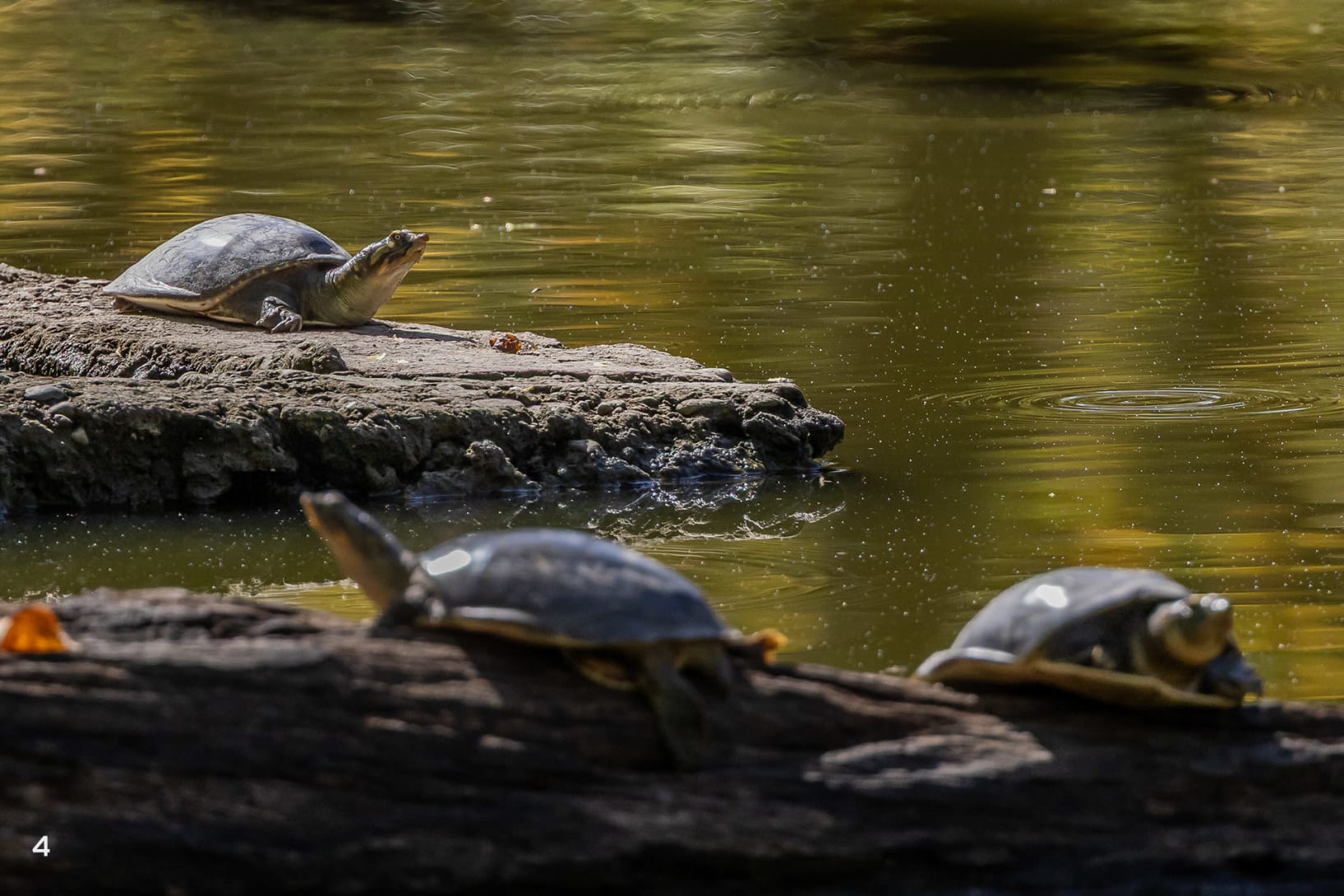
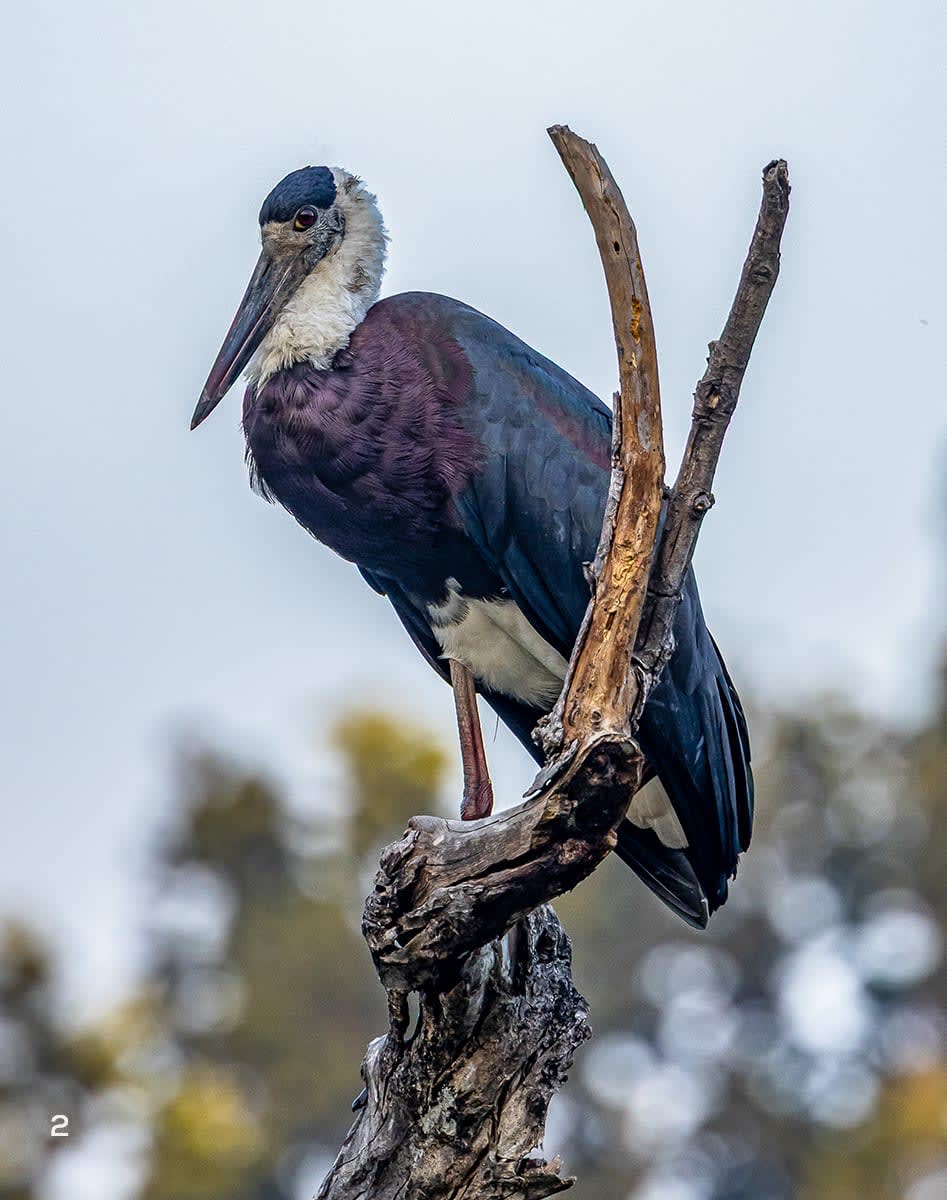
Since I appreciated Farid’s familiarity with the forest, I ensured he was my guide again. I requested that he take me to the “anti-poaching” water point, a small reservoir with dead sal trees protruding from it like candles on a cake. The waterbody is favoured by brown fish owls (Bubo zeylonensis), woolly-necked storks (Ciconia episcopus), and white-throated kingfishers (Halcyon smyrnensis). The trees in this pond provide basking spots for chelonians (turtles, tortoises, and terrapins), including the Indian flapshell (Lissemys punctata).
However, on this occasion, there was nothing in sight at the pond, so Farid began to turn our jeep around, but I told him to wait. “Iss baar pedo ko bhi dekhna hai” (This time I want to look at the trees, too), I stated while switching from a zoom lens to a wider-angle lens. Farid’s face had a confused frown. What followed was a safari that tested his patience to the limit. Instead of putting his excellent leopard tracking skills to use, I quizzed him on each form of vegetation that fascinated me.
I began to make a list of the trees we saw — sal, teak, arjuna (Terminalia arjuna), khair (Senegalia catechu), pilkhan (Ficus virens), semal (Bombax ceiba), amaltas (Cassia fistula), kanju or Indian elm (Holoptelea integrifolia). The bare branches we were seeing were due to Rajaji being a semi-deciduous forest, and numerous tree species shed their leaves. Through research, I learnt that sal leaves begin to fall in January and continue to do so until the flush of new leaves arrives in April. Semal blooms around March with the fire-flame bush (Woodfordia fruticosa), glowing red interspersed through the jungle. Teak is bare from January to March. The forest looks different in each season.
Driving ahead, we saw a changeable hawk-eagle (Nisaetus cirrhatus) perched on a tree in a rau in the same place we had seen one earlier. I wondered if it was the same bird I’d seen both times. Later, I learnt that birds of prey may develop a preference for certain perches as they offer a good vantage point.
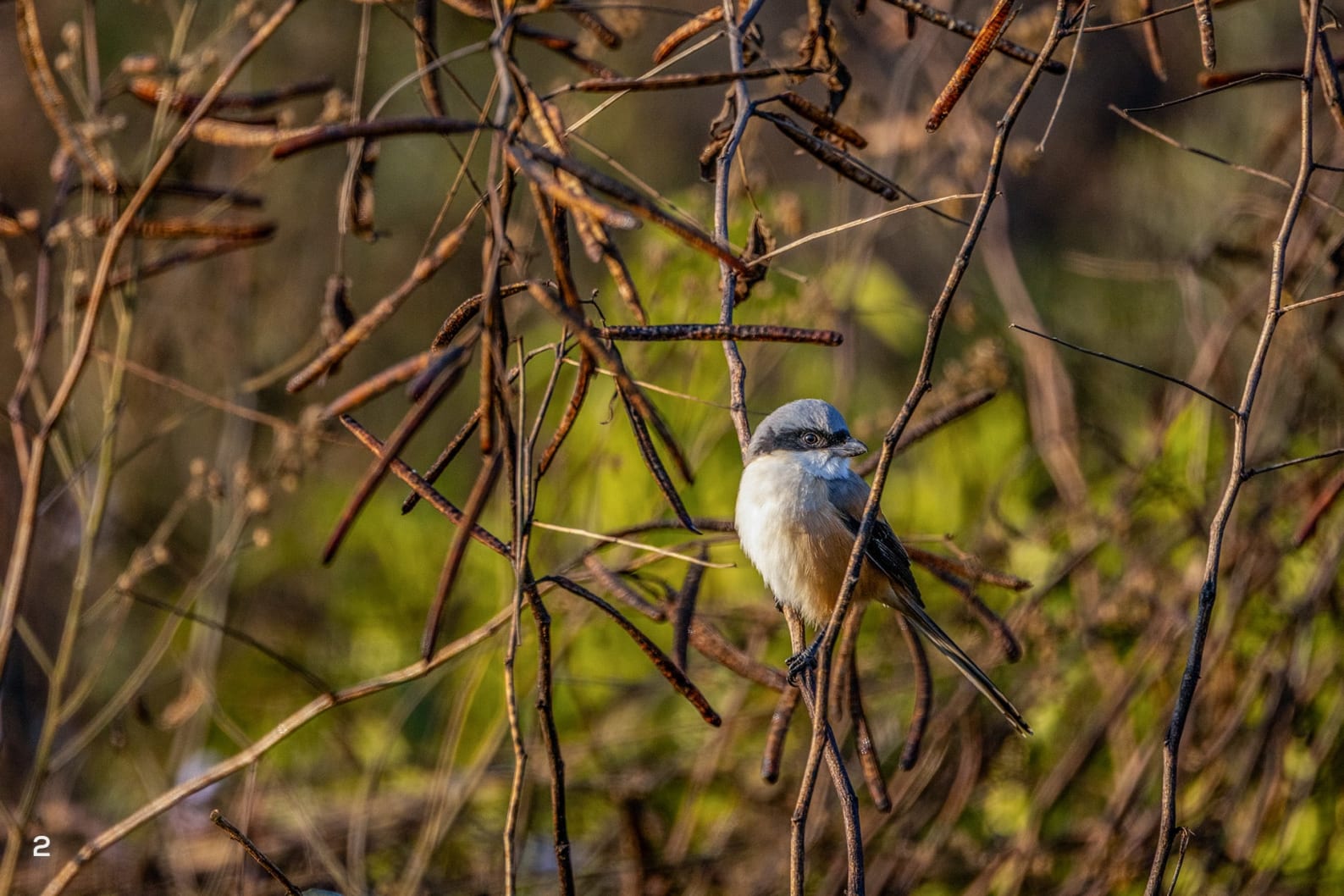
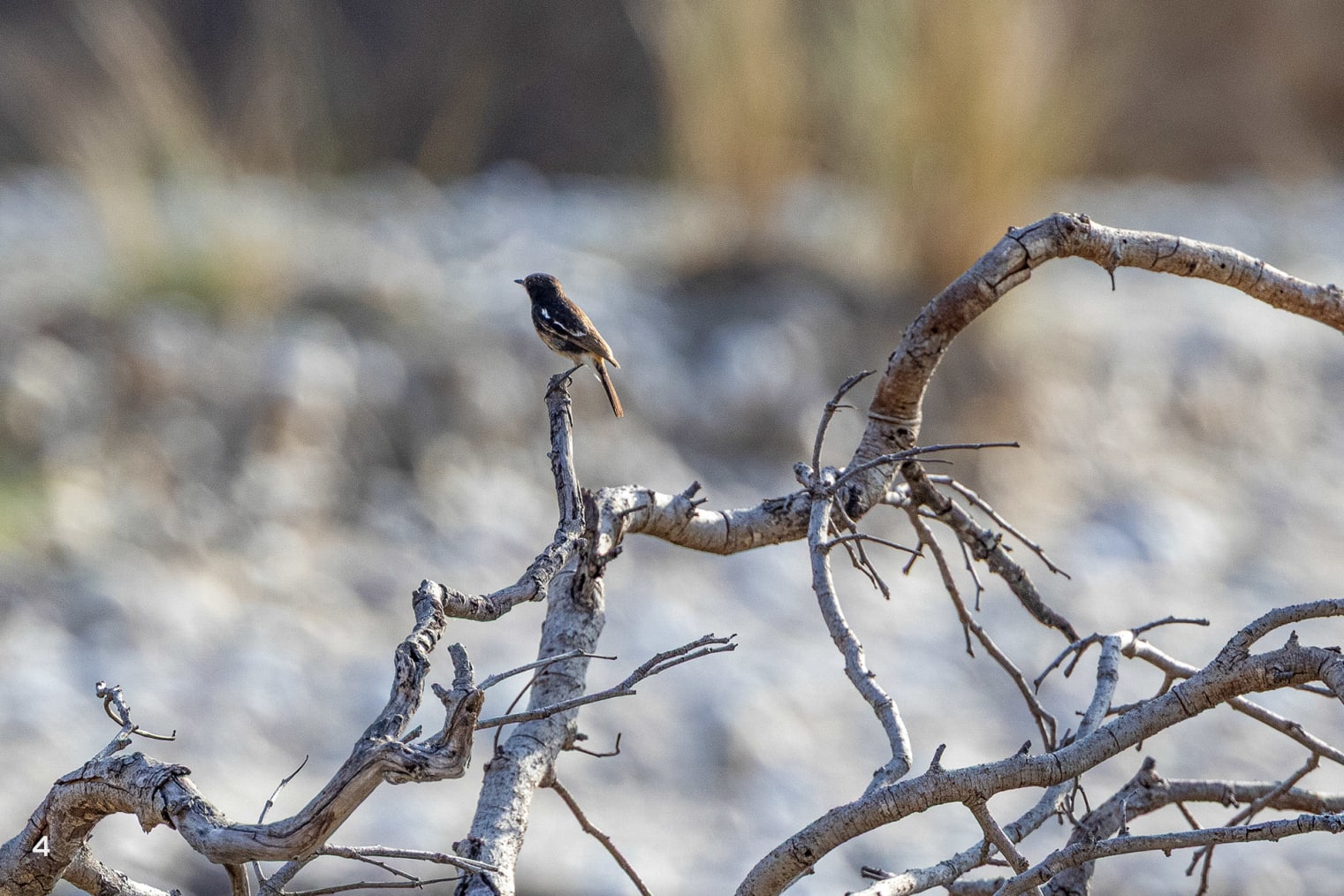
Above us, griffon vultures circled a nilgai carcass, assessing trees for suitable waiting areas. We observed a green bee-eater (Merops orientalis) fly around, then return to the branch it had been sitting on. Bee-eaters, as their name suggests, eat bees, which have venomous stings. Through conversations with photographers and my own observations, I knew that bee-eaters return to their pre-hunt perch to strip the stinger and release venom from their catch.
Small purple flowers spread across the forest floor. Closer scrutiny pushed me to question if these were flowers at all. Farid mentioned that locally they were considered wild mint. Further enquiry revealed that it was Ageratum sp., a naturalised invasive weed. The more I looked at and enquired about the flora, the more I came to know and admire the forest.
We drove past the great hornbills’ nesting tree that I had seen in April. The hollow was now empty; the family had flown off. My questions about the tree’s identity led me to Veeru Negi, a naturalist and guide, who said it was Ailanthus excelsa, the Indian tree of heaven, named so because it grows very tall, reaching up into the sky. The sturdy species tends to develop natural hollows that are ideal nesting sites. Little wonder that the great hornbills favoured this tree.
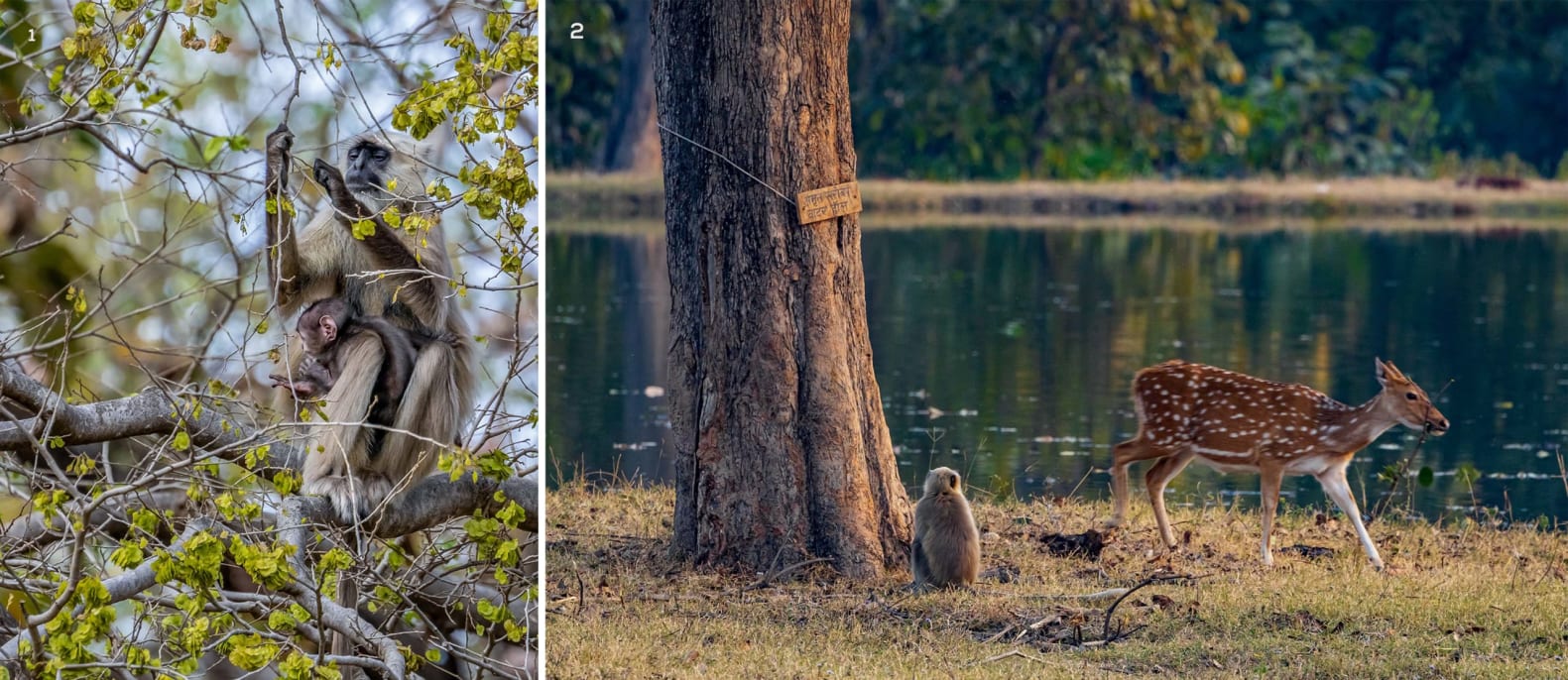
During my exploration of this forest, I observed langurs and spotted deer feeding together on fruits and flowers. I’d noticed the hour of day yellow-footed green pigeons (Treron phoenicoptera) returned to their favoured perch. I learnt that elephants may retreat to dense forests when the sun is scorching. I discovered that I had a better chance of finding woodpeckers in sal and pine-dominant pockets. Uniquely shaped trees and shrubs, like a huge banyan the leopards fancied, also became familiar indicators that helped me remember jeep tracks in the forest.
Everything I discovered through the vegetation of Mohand in Rajaji has fostered a broader view of the forest and deepened my curiosity about flora. I now have a stream of questions for any local or guide that accompanies me in any habitat. After each visit to a natural space, I locate accurate field guides and revisit my notes to connect local names to their formal ones. While earlier I would fret at leaving my zoom lens behind, now on occasion, I do so on purpose. The trees of Mohand have rewired my ways of looking and framing questions.
About the Author