 Listen to this article
•
15:34 min
Listen to this article
•
15:34 min
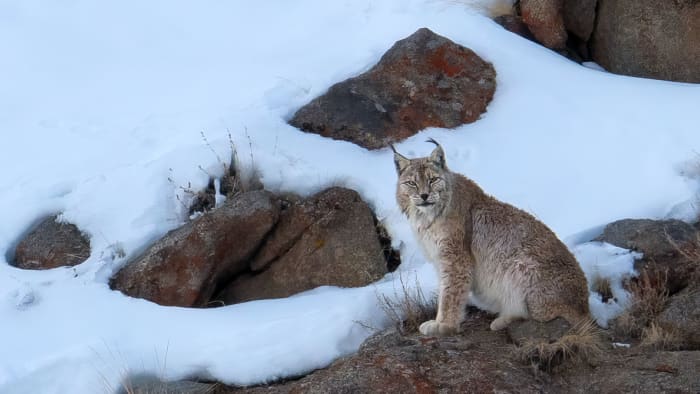
I almost missed the irregularity behind the boulder, but a faint movement caught my attention, triggering a chill down my spine. What I saw was a pair of tufts that could be easily mistaken for the shrivelled vegetation found in this desolate, barren white desert. Since 2019, I had grabbed every opportunity to pack my bags and head to Ladakh in pursuit of what I consider the most elusive cat of the upper Himalayas.
The Turkestan lynx (Lynx lynx isabellinus) is one of six Eurasian lynx subspecies that inhabit the Central Asian highlands. The Himalayan population, sometimes referred to as the Himalayan lynx, is so elusive that getting a mere glimpse is considered nearly impossible. They usually live solitary lives, pairing only during the breeding season.
Himalayan lynx are the largest of all lynx species, yet they move into villages with such stealth that they can kill livestock and slip away undetected even in the presence of a crowd. In Ladakh, they are called “eeh” and are adapted to a diverse range of landscapes from alpine forests to completely barren high-altitude deserts. Signs and confirmed sightings prove they can survive at altitudes higher than any other cat on Earth (up to 5,500m or 18,000 feet). Their survival story is nothing short of legendary. They inhabit the “Third Pole”, a term used for the Hindu Kush–Himalaya–Karakoram-Tibetan Plateau region, which contains the largest concentrations of ice and snow on Earth outside the Arctic and Antarctic. The inaccessible terrain and tempestuous weather conditions of these fragile habitats have significantly impeded research on the lynx, and we know very little about the secret life of this mysterious cat.
From 2019 to 2021, I travelled the length and breadth of these unforgiving heights in search of this enigmatic feline but returned without spotting it. However, these journeys were the most rewarding experiences I have ever had in the wild. By interacting with villagers and examining lynx signs, I noticed behavioural patterns that helped me better understand the Himalayan lynx.
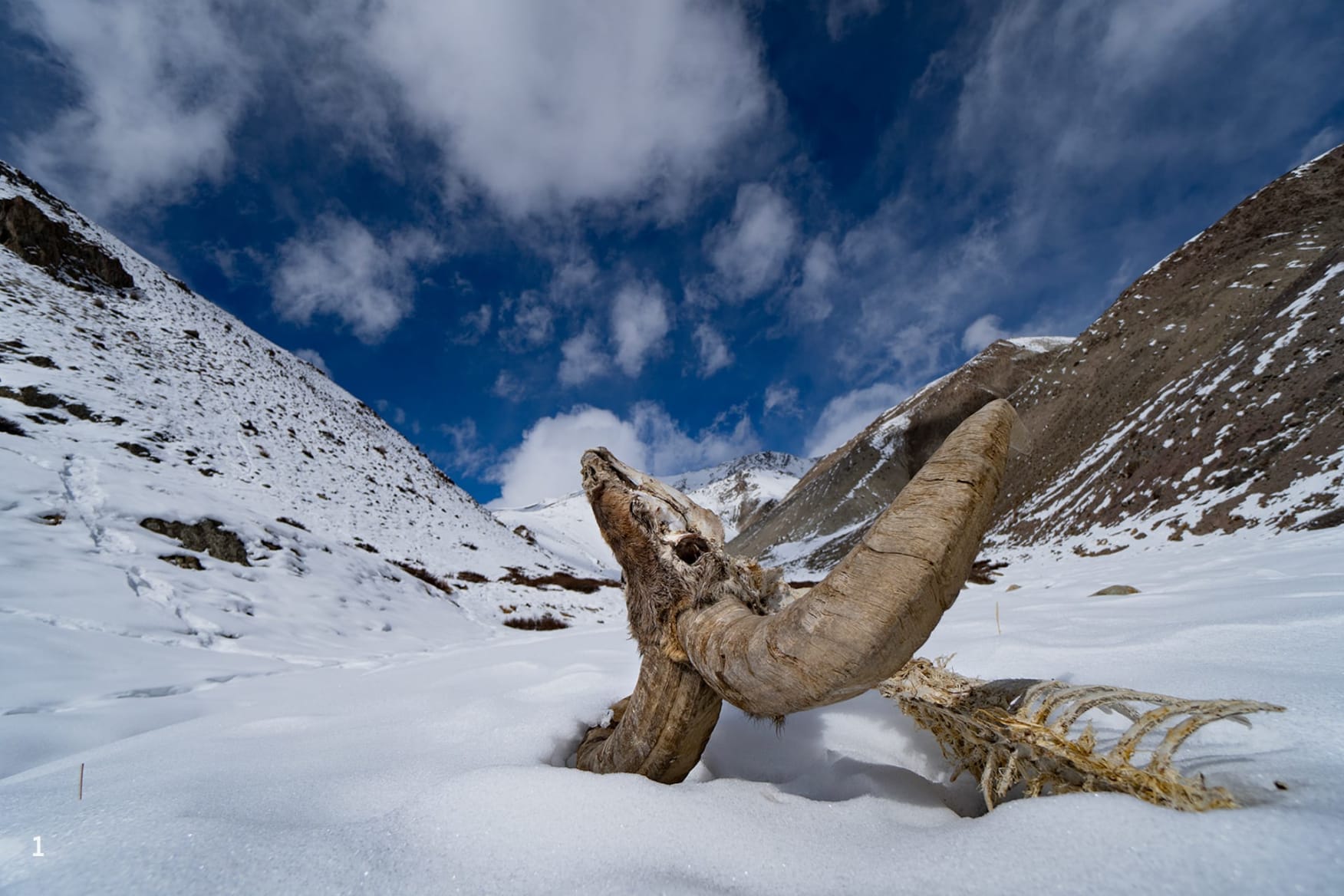
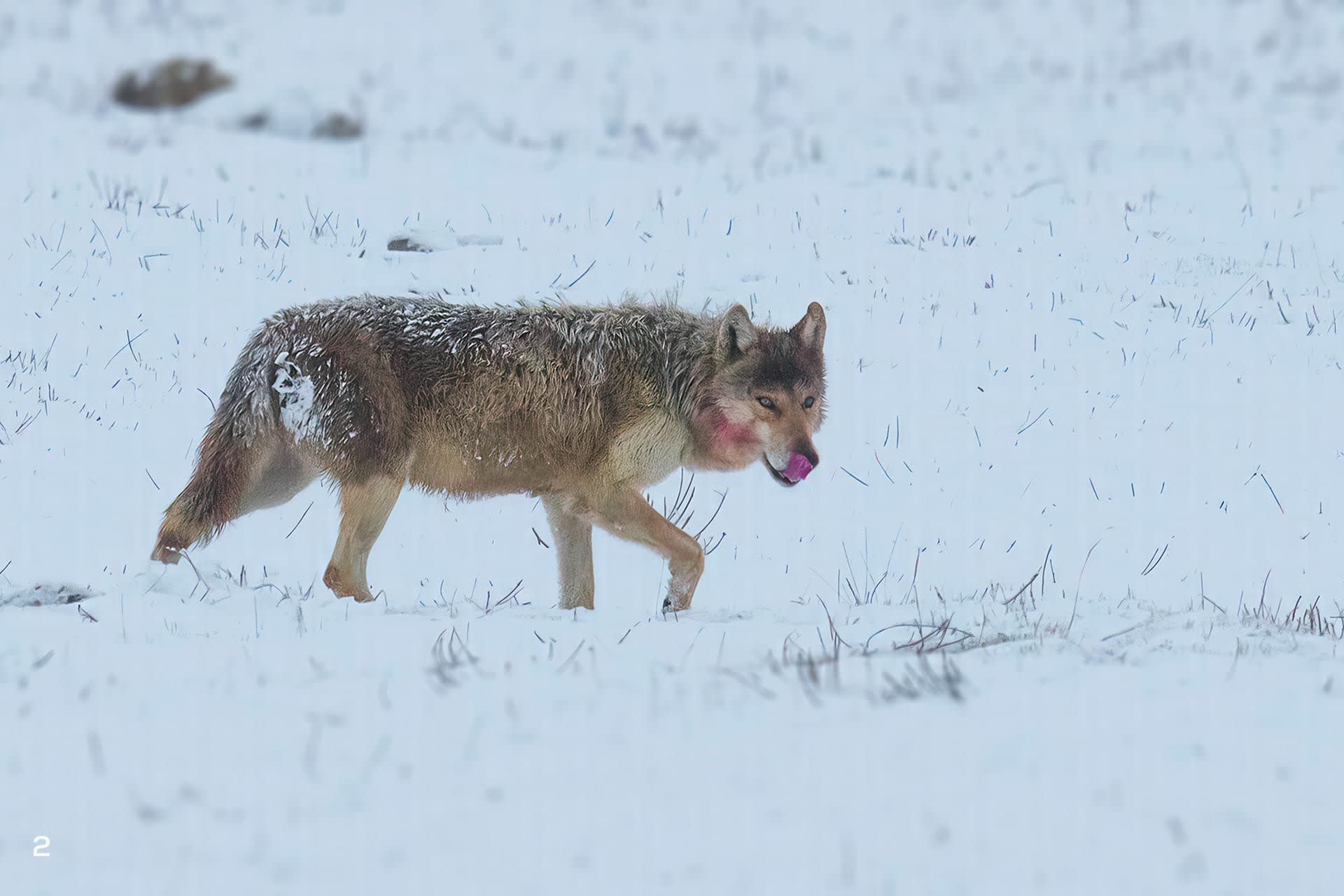
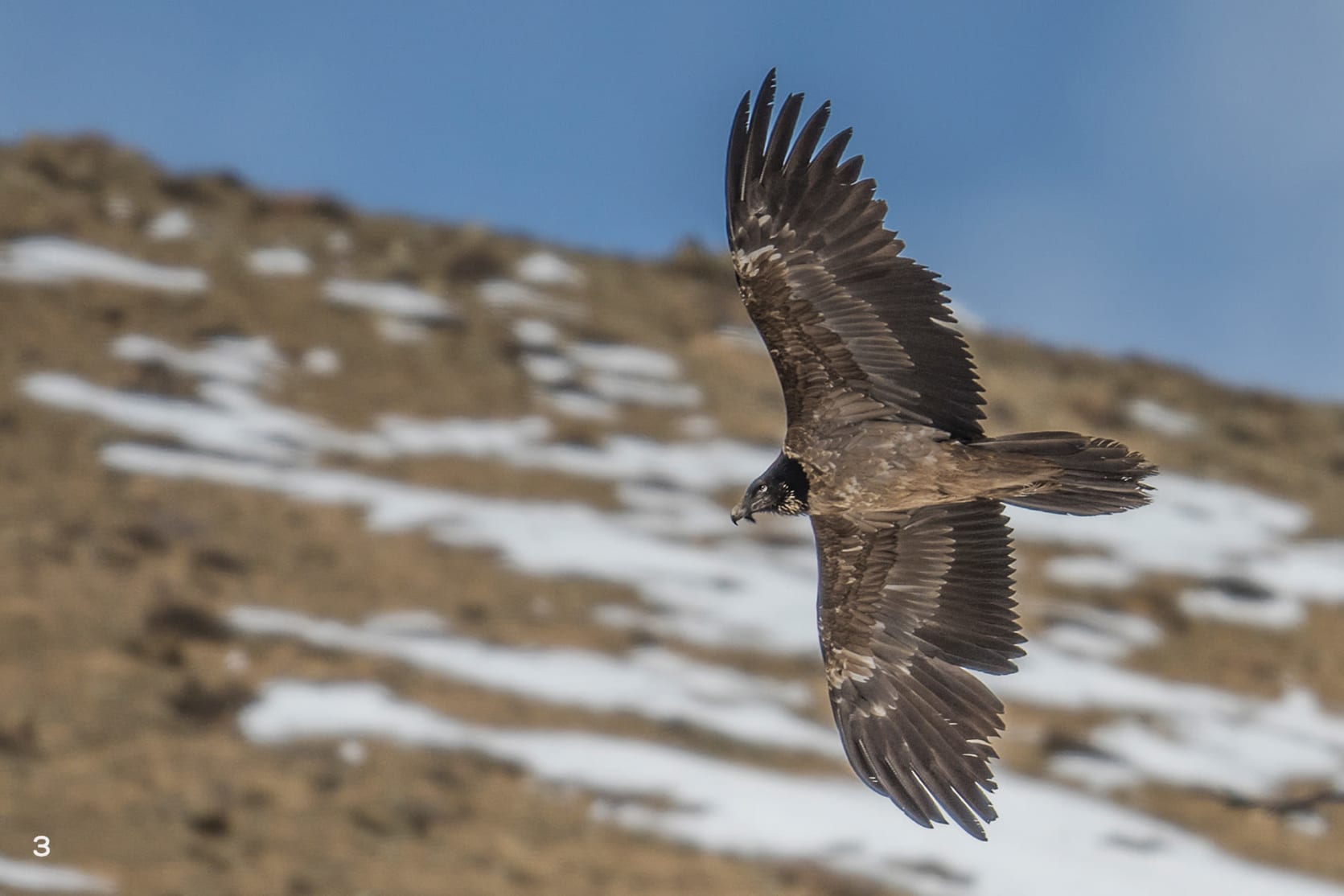
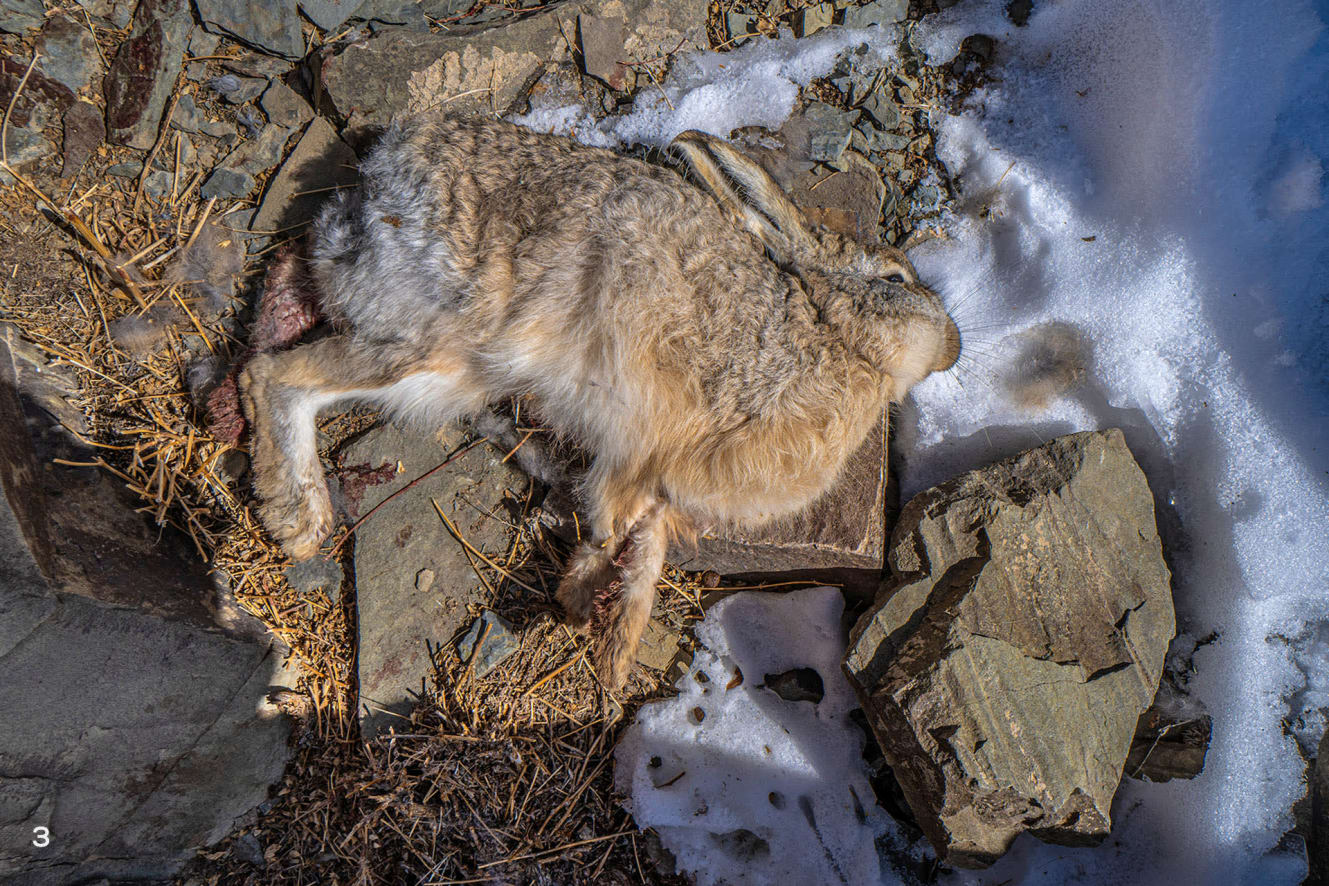
Himalayan lynx thrive at altitudes where survival itself is a struggle. They can endure extremely low temperatures and go for days without food. (1) Some sick and old animals who die of starvation at these formidable heights provide food to predators. Skilled predators and scavengers such as (2) wolves, golden eagles (not shown), and (3) lammergeiers live in this same habitat, tapping into the same resources.
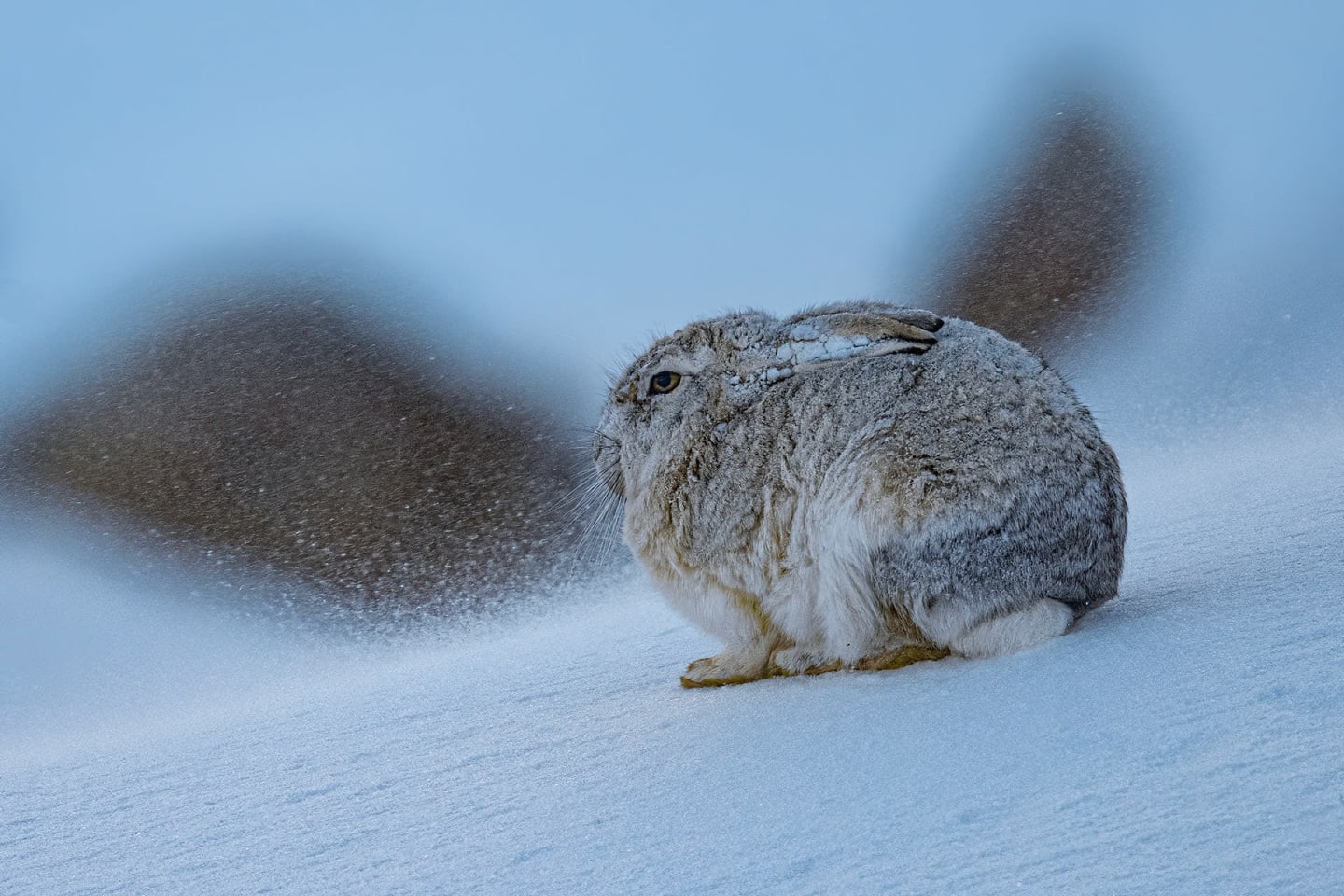
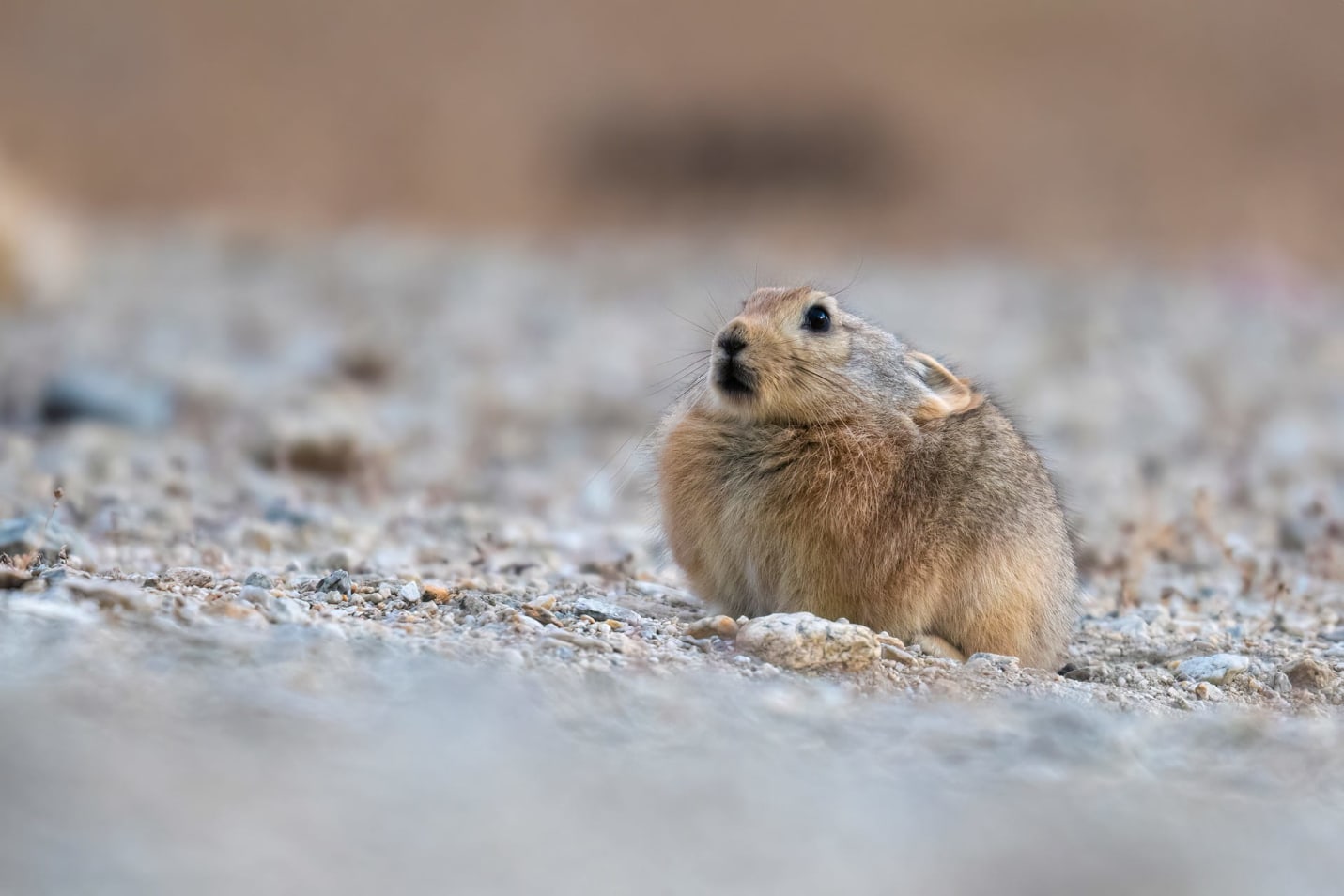
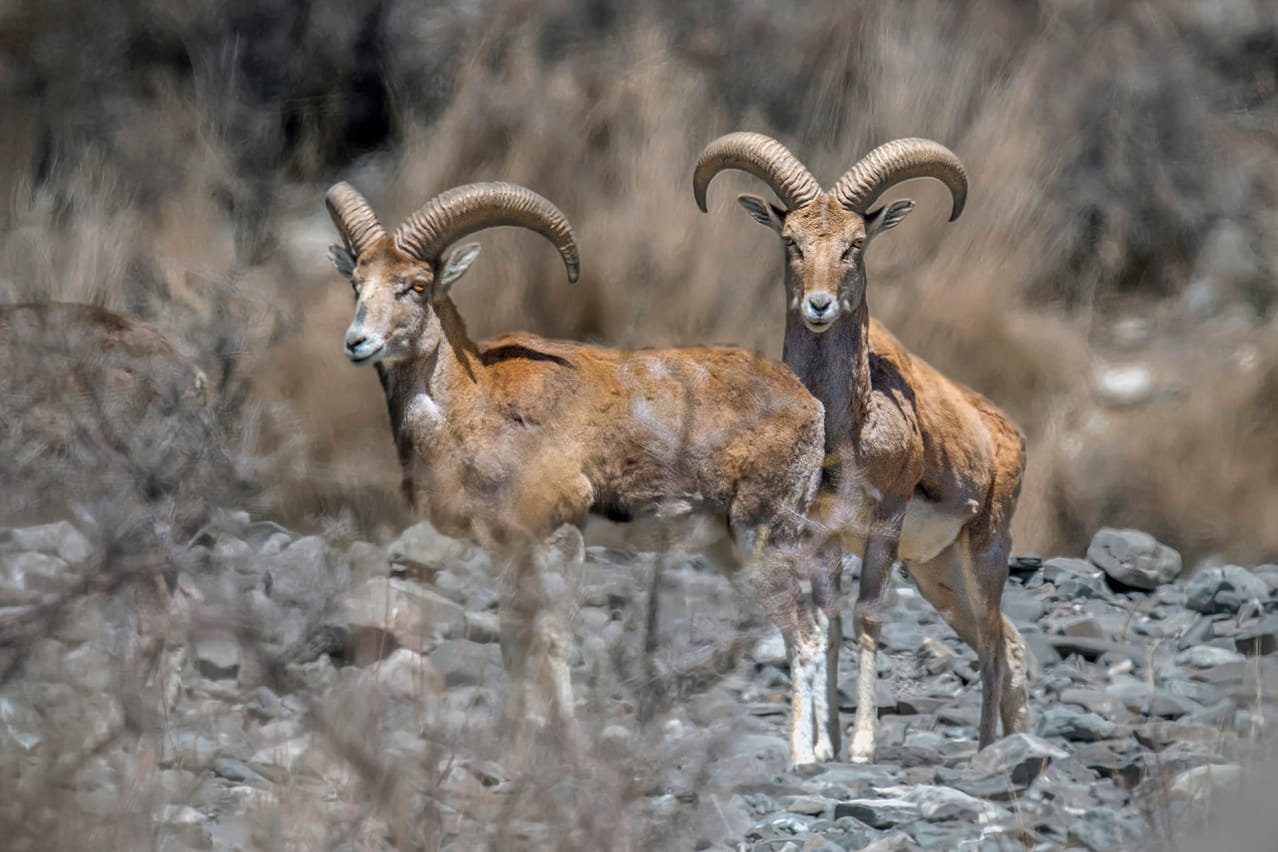
In extreme desperation, lynx may even attempt to bring down larger prey like the Ladakh urial or domestic livestock.
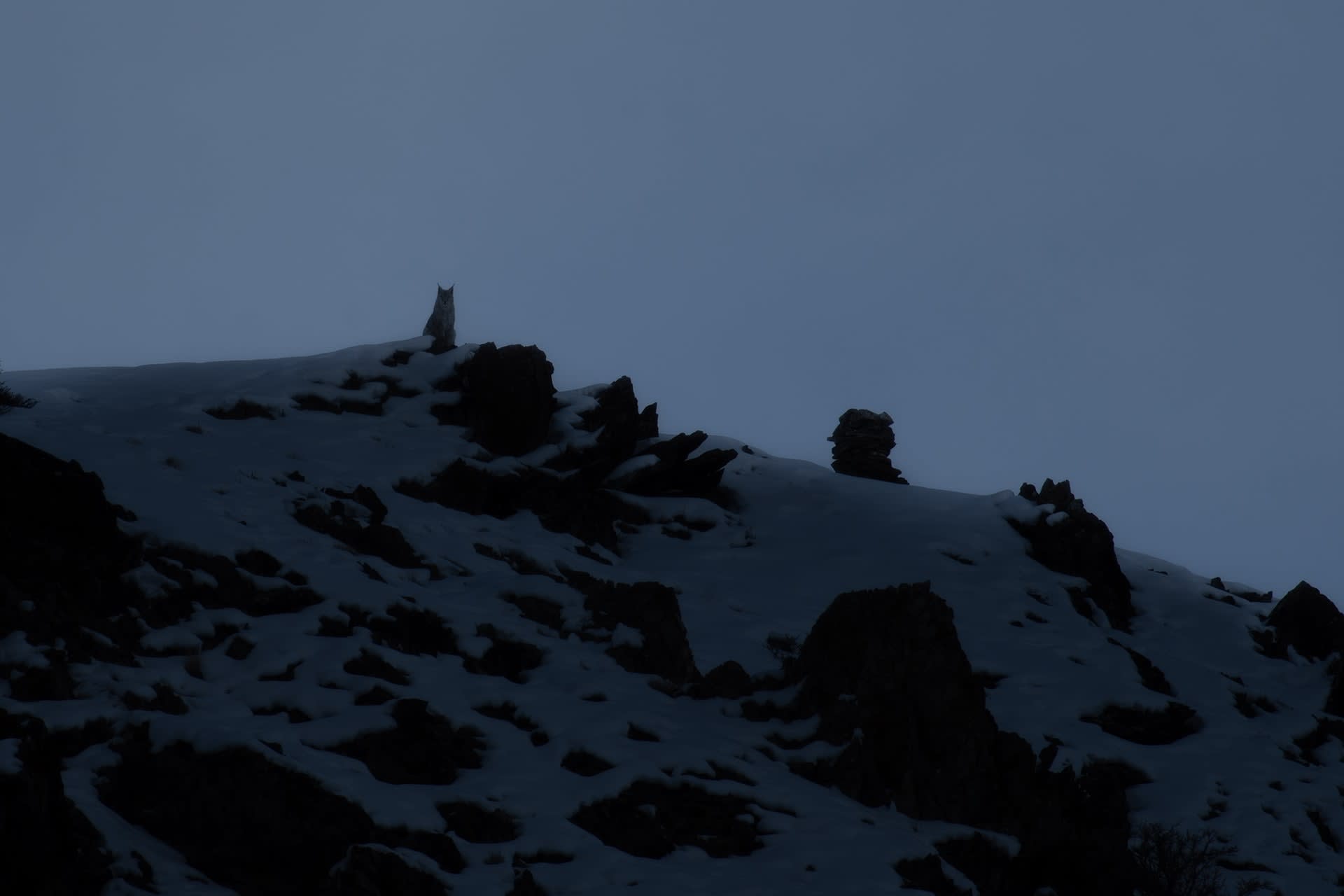
After years of search and travel, I caught my first glimpse of this enigmatic cat in 2022. My eyes were locked on a woolly hare colony on the forward slope of a ridge, near Yurutse at Hemis National Park. As the day drew to a close, a mysterious silhouette appeared on the skyline against the backdrop of fading lights. Though quite a distance away, I could see its distinguishable ear tufts. The cat watched the colony closely and then disappeared beyond the horizon. The experience left me with many questions and fuelled my energy to continue my search for a better sighting.
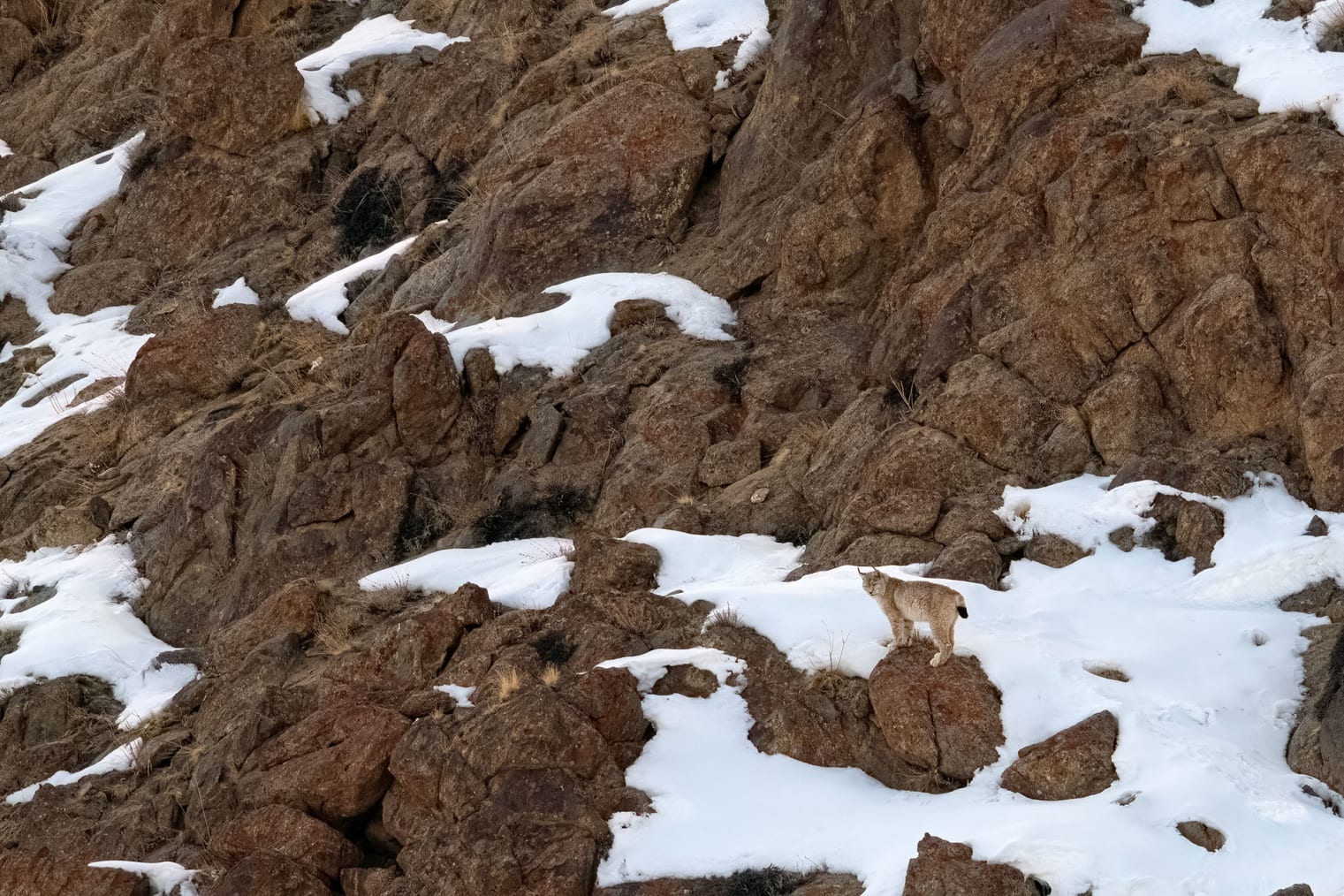
Yet they are considered medium-sized cats, primarily because they lack a long, thick tail. They probably do not require that balancing tool since they rarely take long leaps to cross boulders. They have thicker paws than any other mountain cat, which helps them meander through the snow and stalk silently. They usually wade through thick snow, sometimes even deeper than their own height. Their short tail helps them take vertical jumps while pouncing on rodents beneath the snow’s surface. Their unmistakable ear tufts give them an interesting demeanour. Though we don’t know their precise purpose, it is believed that the tufts aid their acute hearing, allowing them to pick up sound waves beneath the snow. Breaking the shape of the ears also helps the cats blend into the background. Additionally, they may help them navigate by indicating the wind direction.
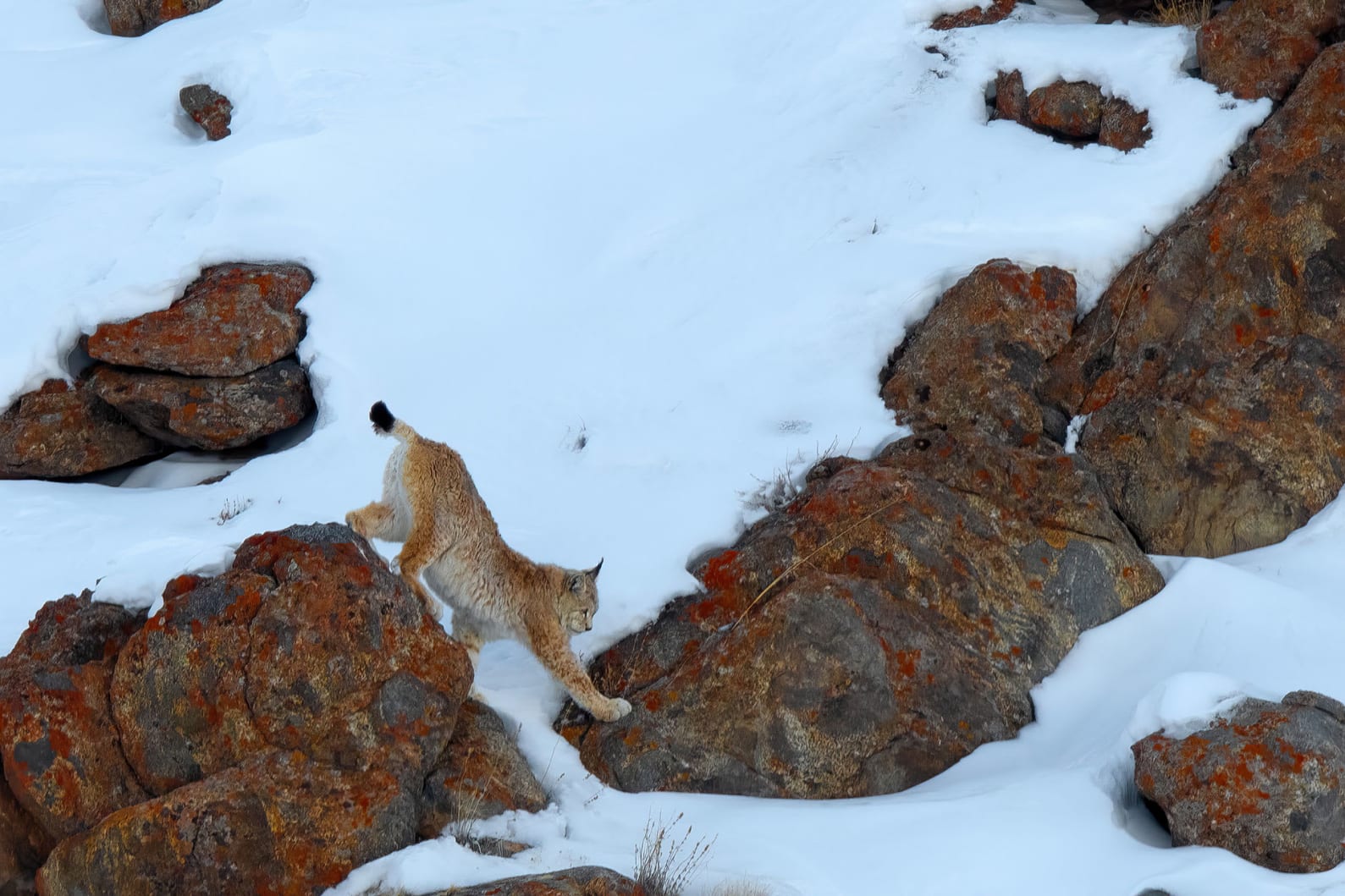
Though the Himalayan lynx inhabits a wide range of habitats, the Ladakhi population prefers treeless landscapes with a uniform mix of rock and snow. While snow cover provides thermal conditions suited to their adaptations, rocky outcrops facilitate movement as the lynx searches for new hunting grounds. Several analyses suggest that persistent snow can significantly impair mobility, thereby reducing hunting efficiency. However, the same holds true for their prey population, which puts both sides at equal disadvantage. Himalayan lynx may travel considerable distances overnight in search of food. One is unlikely to find them in the same location on two consecutive days unless they are with their mates or with a large kill that may take days to consume. In numerous instances, I have found them revisiting a particular woolly hare colony after 8-15 days. Within these periods, their tracks, signs, and sightings indicate that they have travelled 100-150 km.
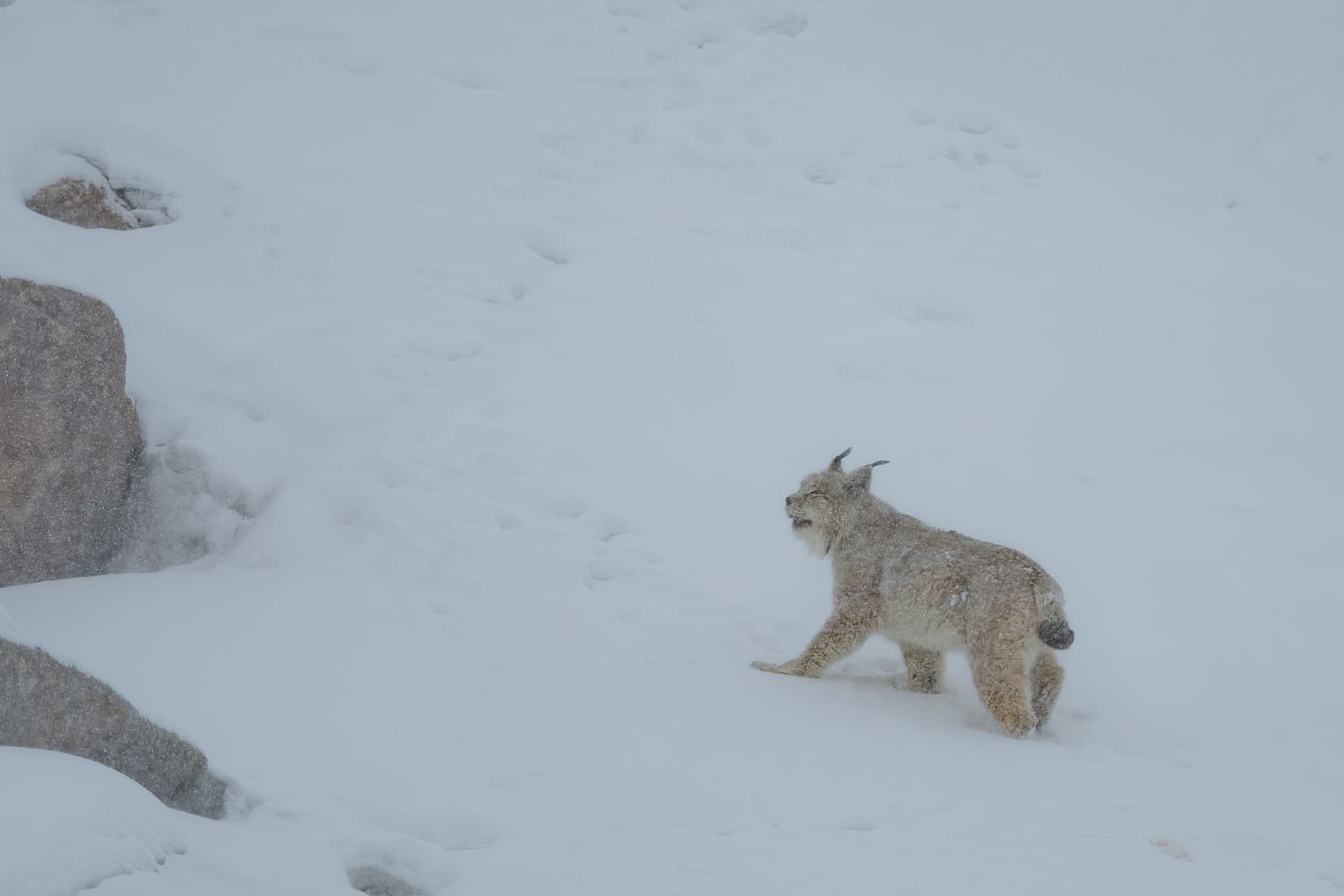
Their thick fur and heavily padded paws make them skilled in snow craft (traversing icy realms). They descend to lower altitudes of 16,000-17,000 feet only in winter, offering a short window in which to photograph them. In the summer, they mostly move to higher altitudes. There are instances of them entering villages even in the summer, in a desperate search for food. Moreover, they are so perfectly camouflaged in rocky outcrops that they seem to vanish into thin air when there is no snow cover. The best bet of seeing and photographing a Himalayan lynx comes with the challenge of withstanding some of the most inhospitable weather conditions.
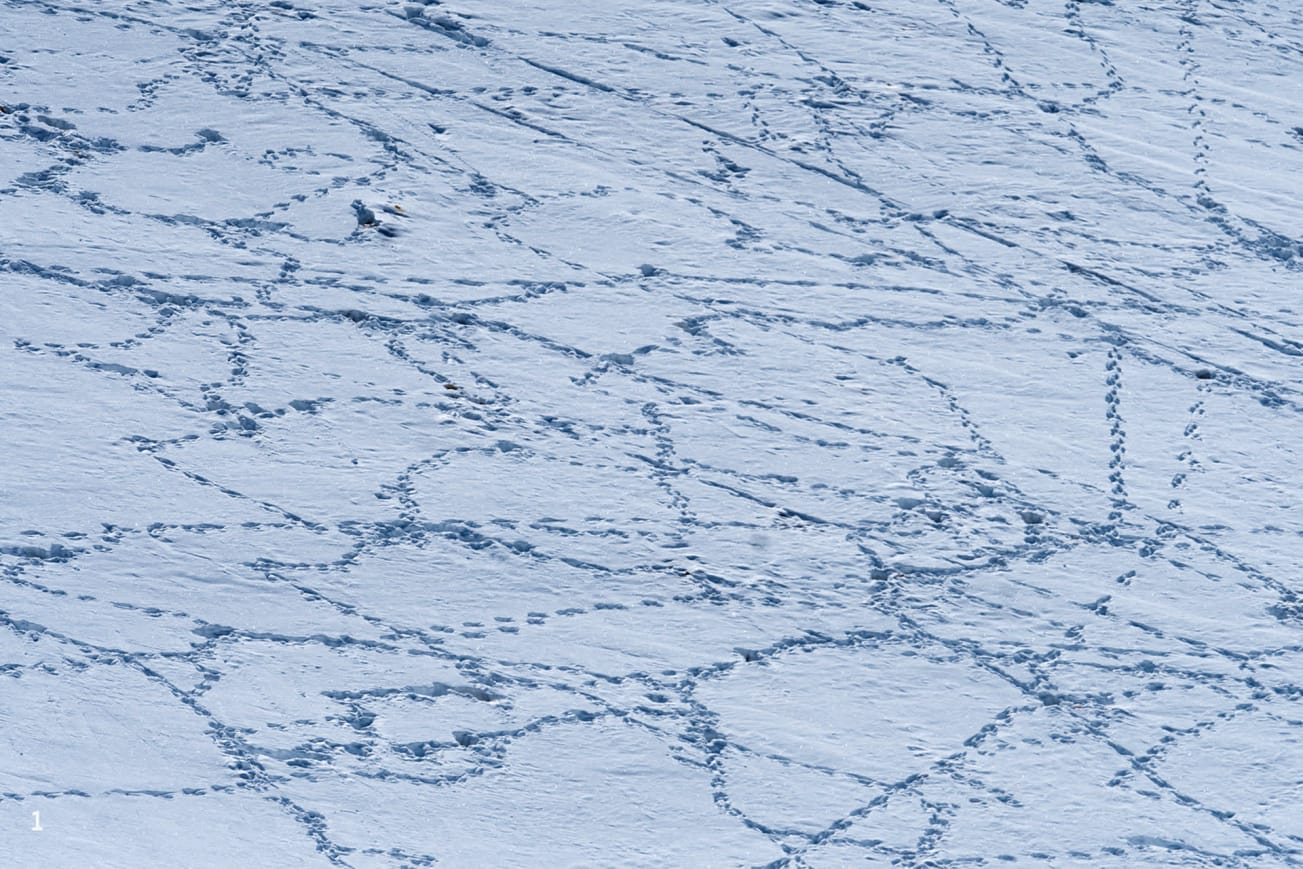
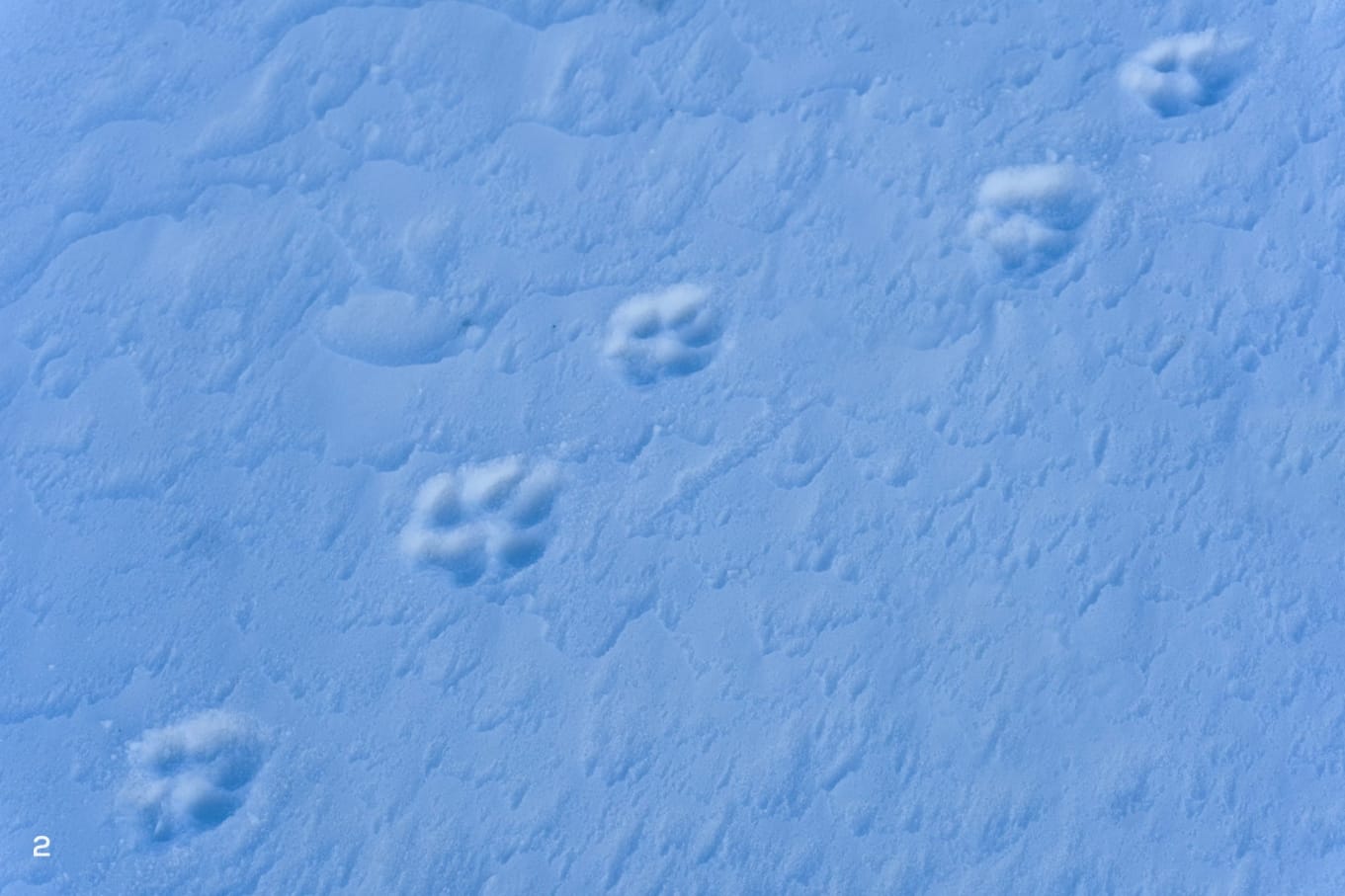
My quest for the lynx continued between 2022 and 2025, and I returned to Ladakh several times, yet the lynx remained elusive. Still, the signs kept my hopes alive. In March 2025, I received reliable information of a lynx sighting near Wari La, a high-altitude pass at 17,500 feet in Ladakh. I flew into my favourite part of the country with renewed anticipation. My tracking and spotting efforts were largely centred on woolly hare colonies; wherever (1) hare tracks appeared, (2) lynx pugmarks often followed.
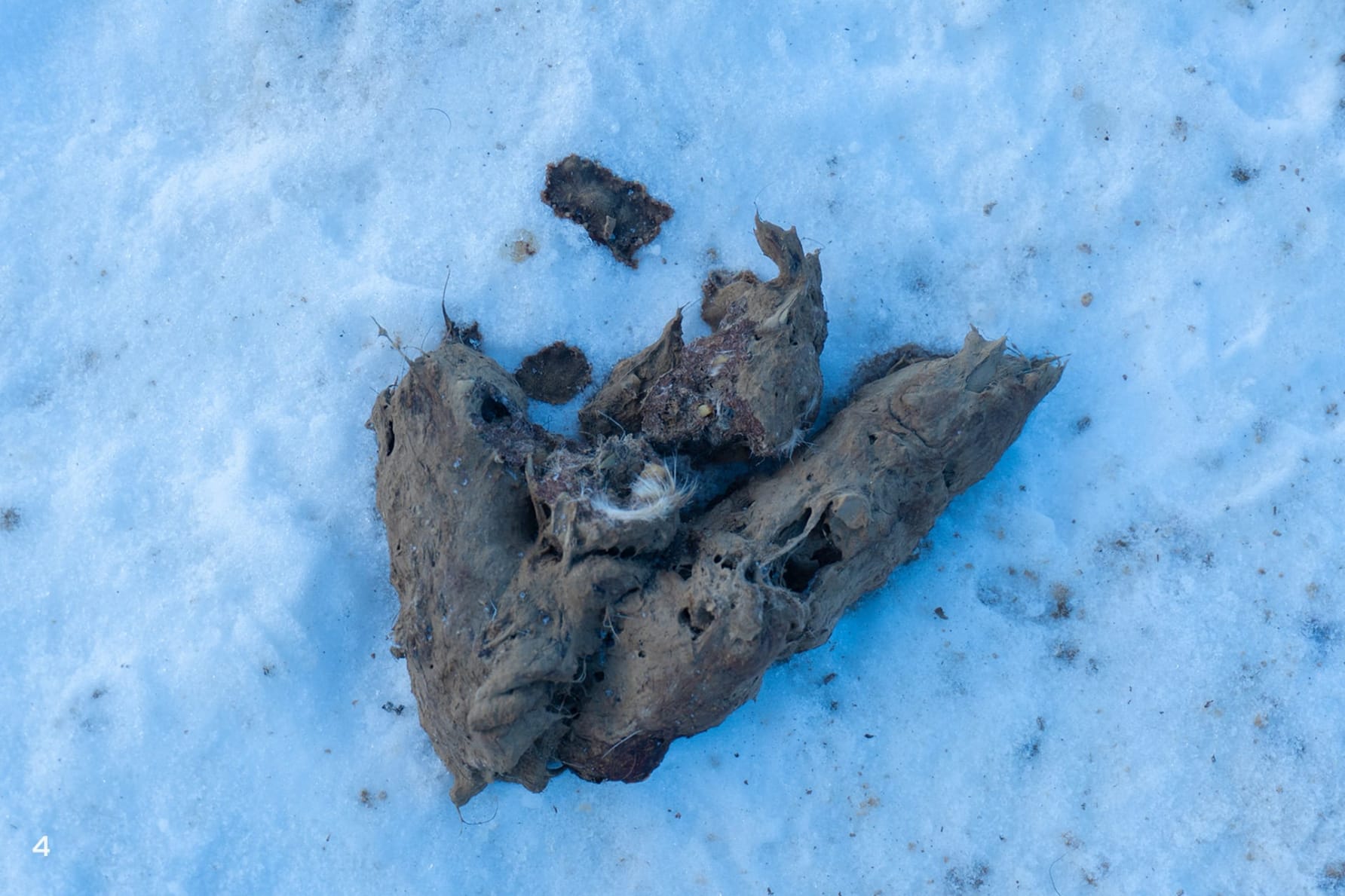
(3) One day, I stumbled upon a woolly hare carcass. The indications were that a lynx in the vicinity had hunted it. Curiously, the carcass had not been consumed and was left intact — a puzzling detail I would only understand later. (4) Moving along the same track, I found scat bearing evidence of lynx feeding on woolly hare. This connected the dots for me, and I sensed I was finally closing in on the animal I had yearned to see and photograph for so many years.
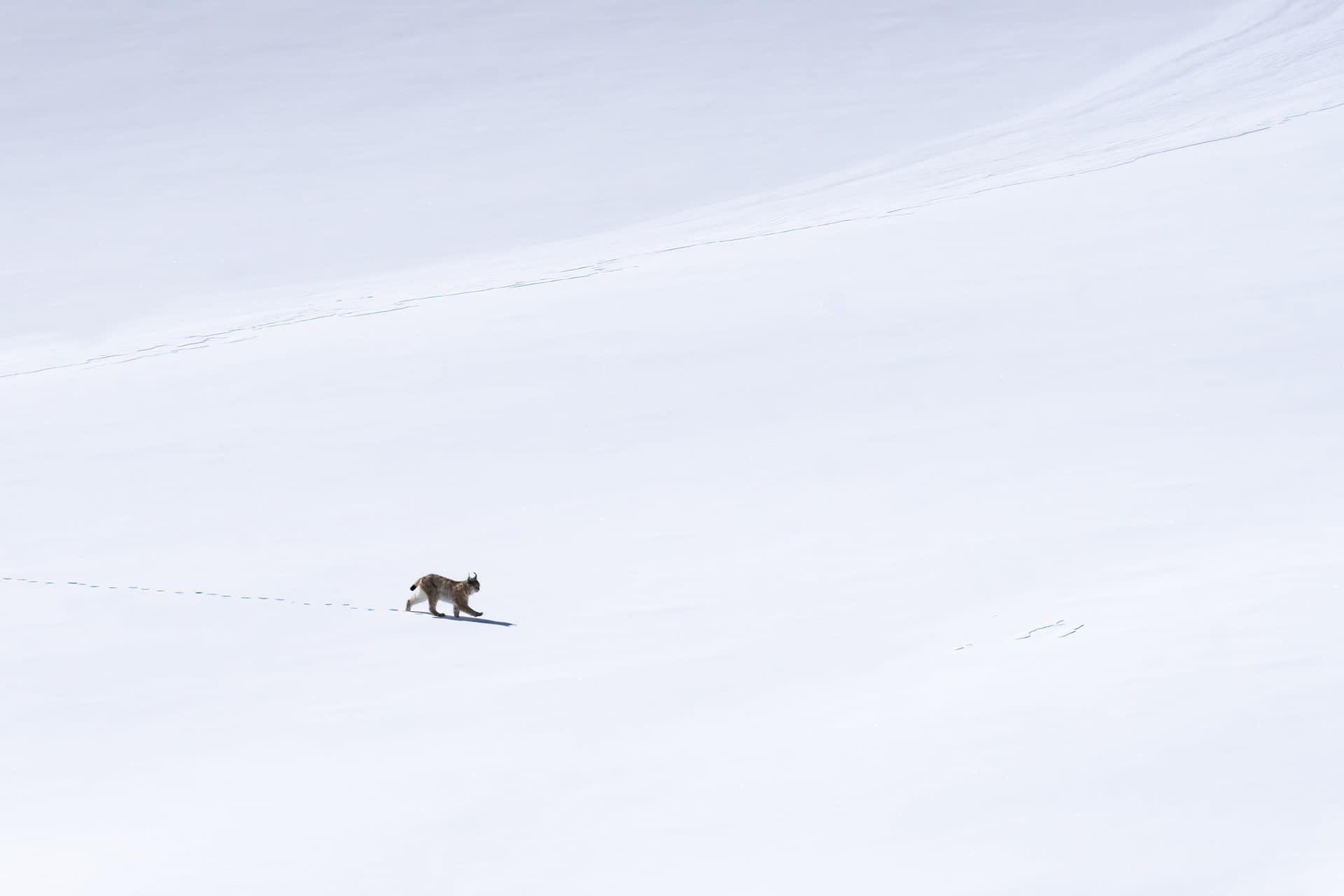
This time, I had the entire day and planned not to lose sight of the cat for as long as possible. Gradually, the cat started coming closer to the woolly hares, and I managed to frame some decent shots, including one of a successful hunt.
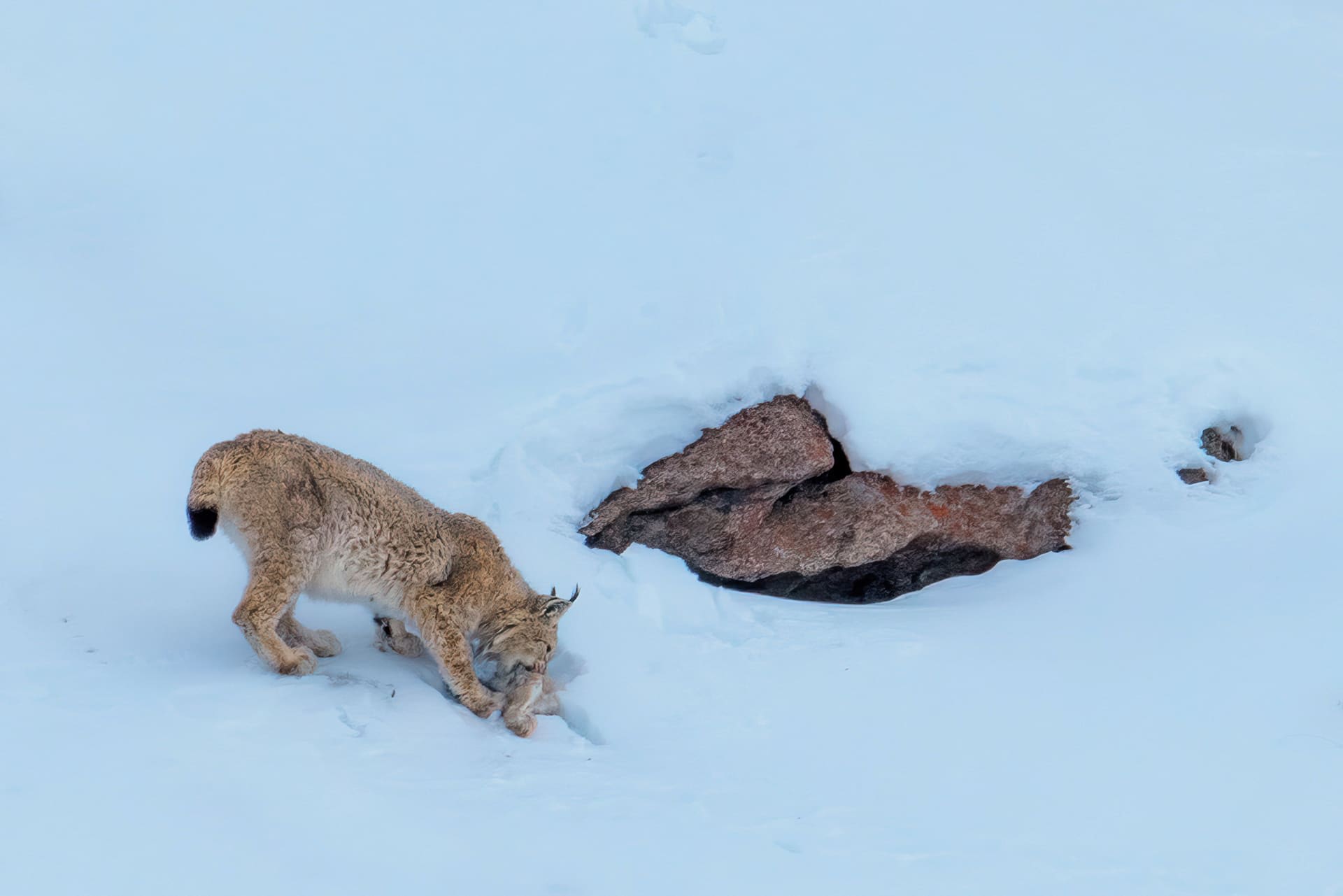
The Himalayan lynx is an extremely skilled hunter with a higher triumph rate than other Himalayan cats. Almost 20-30 per cent of their hunting attempts are successful. They approach their prey with absolute stealth and then strike with breakneck speed. Unless detected earlier, the prey gets very little time to escape those sharp, long claws. Such an enviable success rate often fetches them multiple kills a day. This is why they may sometimes preserve their feast for later consumption. They bury their kill in snow or under the soil and unearth it when hungry. The individual I spotted at Wari La killed a woolly hare and buried it neatly under the snow. After an interval of almost 12 hours, it returned to recover and devour its kill.
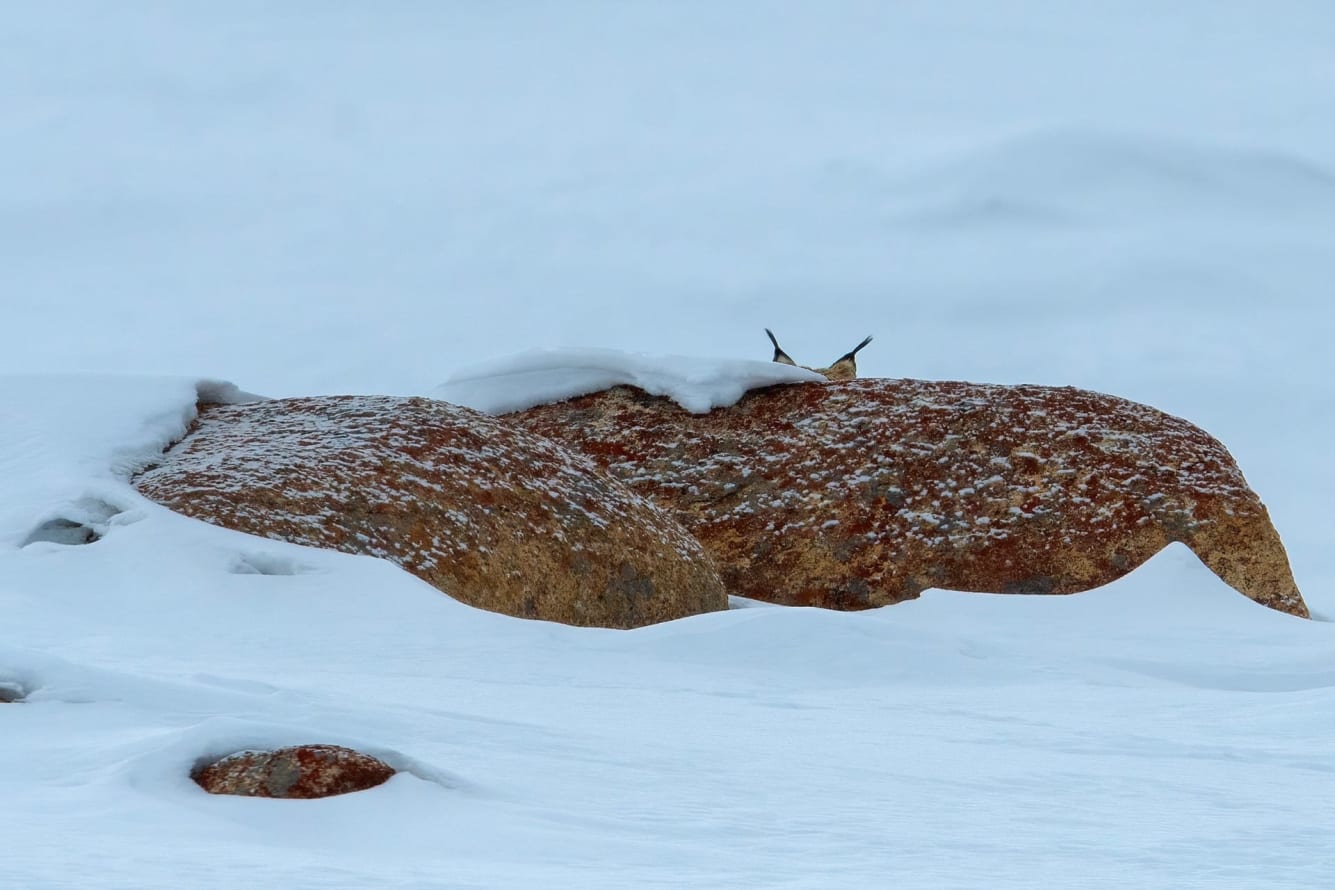
Even though a sense of fulfilment seeped in when I saw the Himalayan lynx in all its grandeur, I still longed for an even closer interaction. The next morning, I went to the valley again and started trekking towards the pass. Since all my lynx sightings were more than 100 metres away, I instinctively stopped scanning nearby rocks. This was until an unusual pair of protruding bushes caught my eye behind a boulder 40 metres from me. Immediately, my heart stopped and then pounded so hard. I thanked the snow cover, without which I would have surely missed it. A Himalayan lynx was sitting behind the boulder unbelievably close by with just the minimal presence of its furry antennae visible. I waited for it to come out.
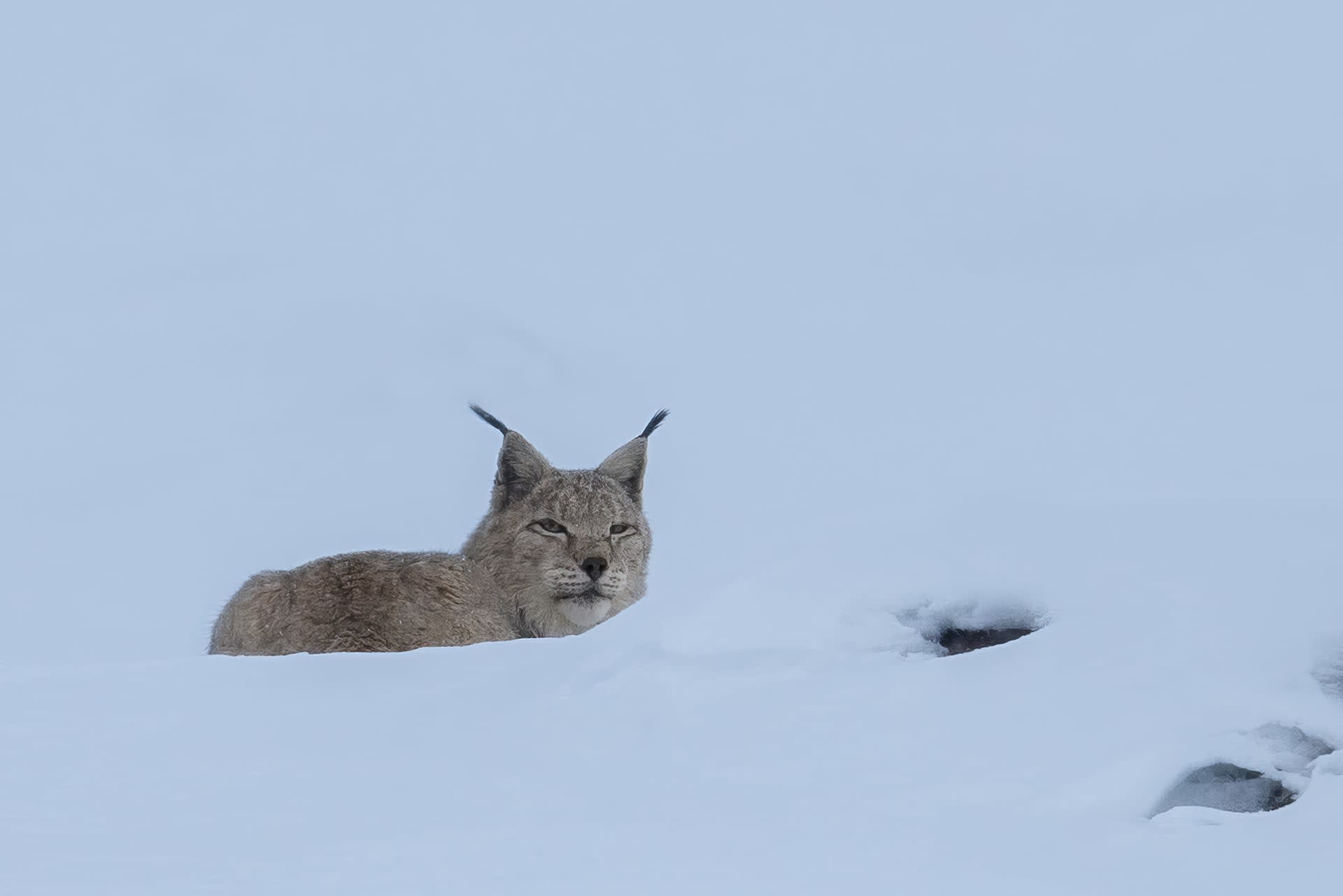
Perfectly at home in an envelope of thick snow and subzero temperatures, he started wading through the deep snow, occasionally sparing a glance my way. His behaviour showed no signs of disquiet in my presence, and that is possibly the greatest accomplishment for me as a photographer. However, this moment of trust did not last for long. It started snowing heavily, and the mystical cat disappeared into the thick mist and snow.
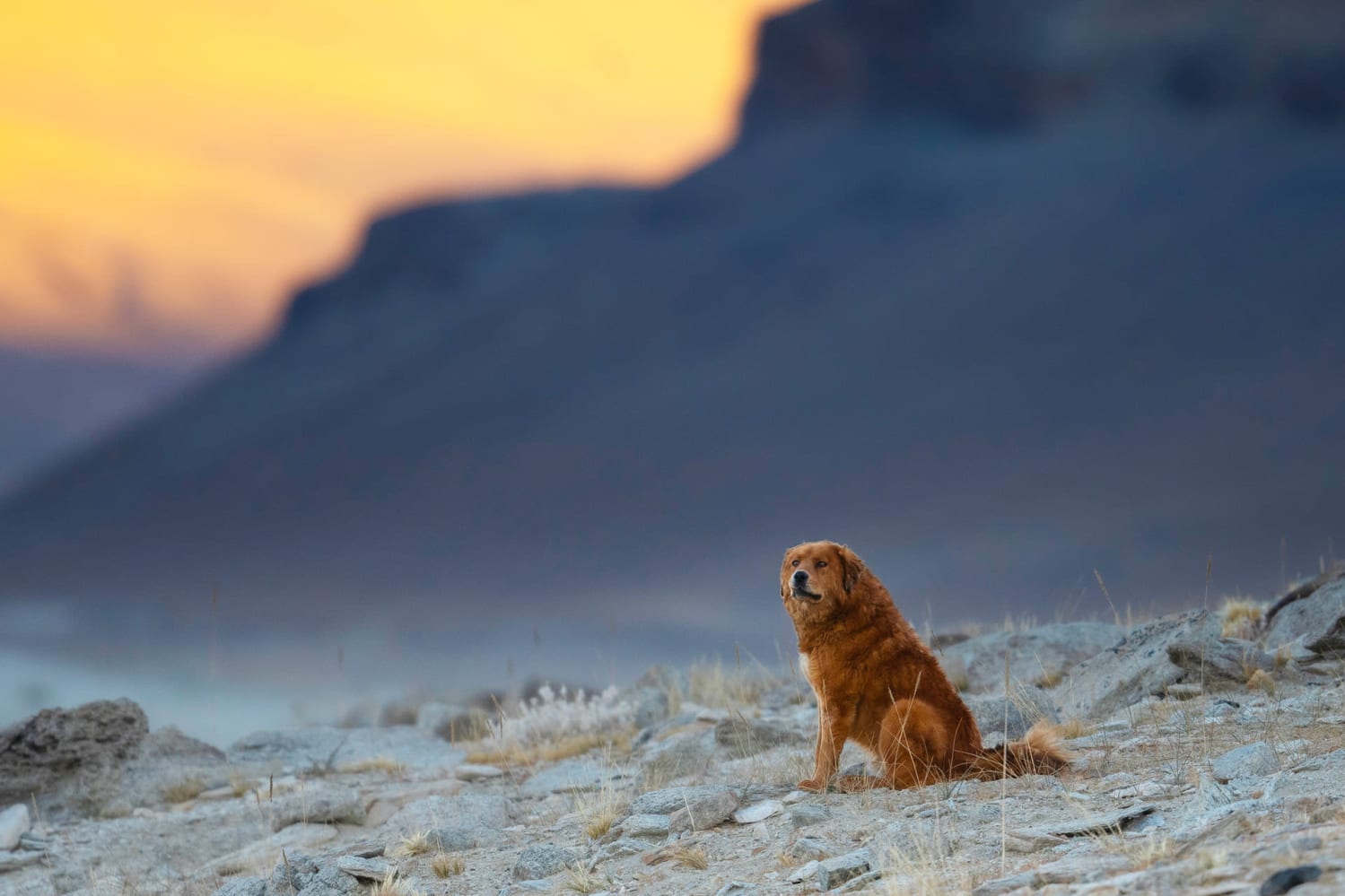
Free-ranging dogs have established their dominance in almost every nook and cranny of Ladakh. Surviving on human waste, they have multiplied exponentially over the last few decades and pose a direct threat to this ecosystem’s prey and predators. In packs, they even pose a threat to the mighty brown bears and snow leopards. If their dynasty continues to grow unchecked, the wild will disappear in no time. An effective dog management program is urgently required. Perhaps well-planned measures, such as mass spaying, neutering, vaccination, securing ownership of domestic dogs, and preventing them from straying beyond human habitation, will help control the population in the long run.
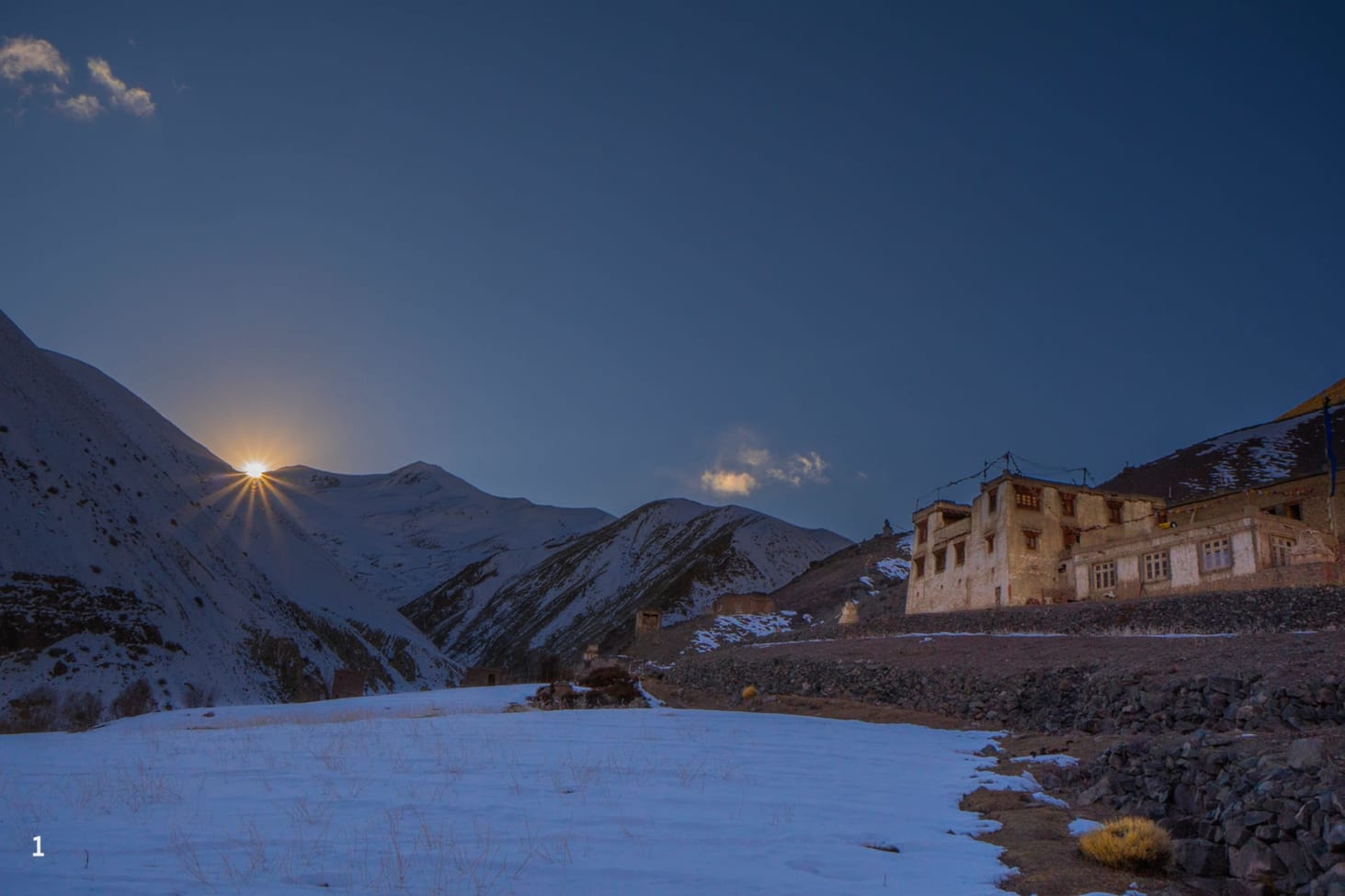
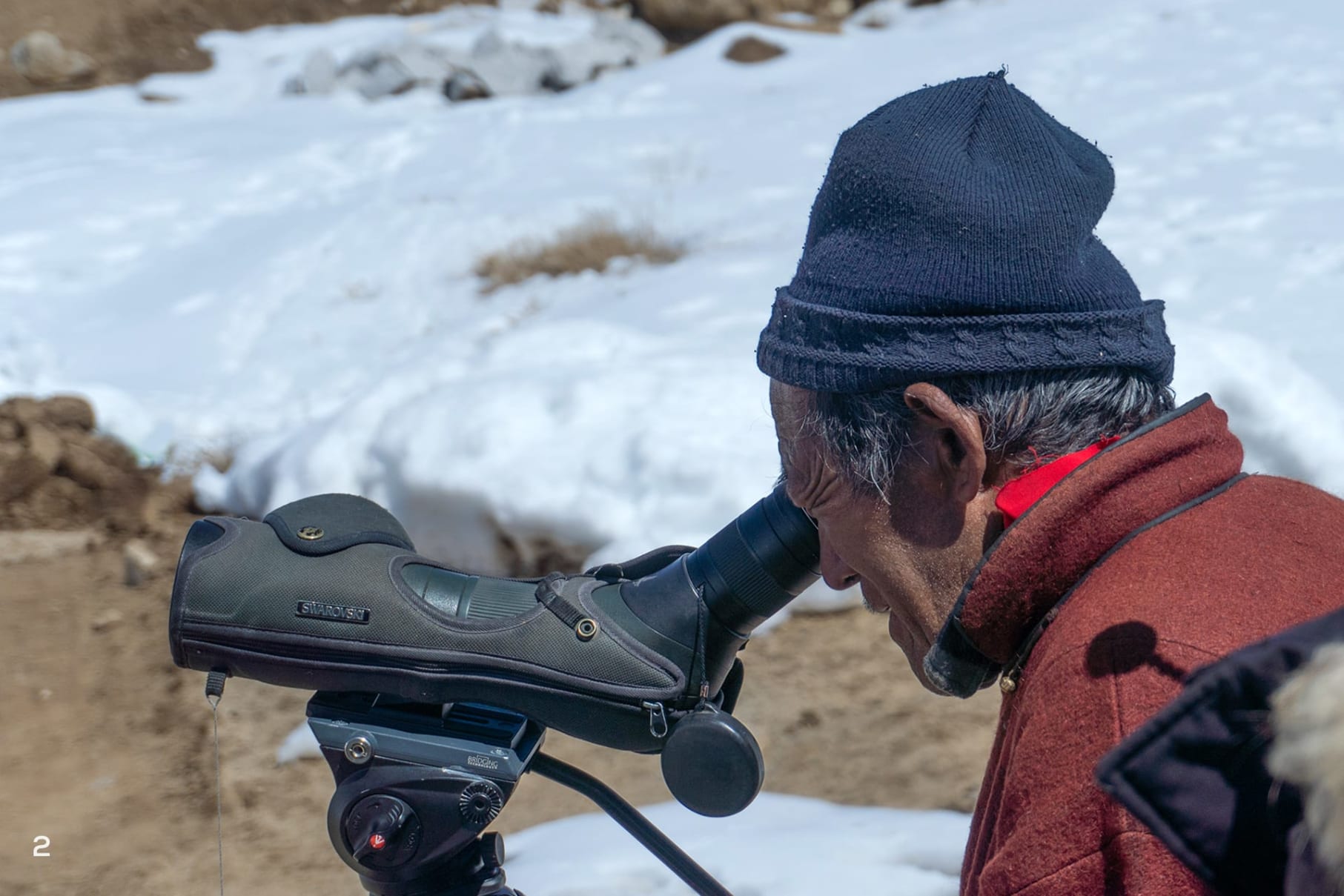
An animal once thought impossible to see or photograph has begun appearing in front of humans. This is not mere luck. The Ladakhi people have always shown exemplary love and tolerance towards wildlife. They helped me at every step of my journey, and my quest was facilitated by the untold trust and confidence they have earned from the wildlife of the land. The lynx often enters Ladakhi villages and claims livestock, but there has not been a single instance of retaliation by villagers. Instead, they have always helped the forest department in rescue and relocation plans. The people of Ladakh and the “eeh” are both integral to the landscape of this barren, high-altitude desert and complement one another in their interwoven journey of survival and coexistence. Their respect towards these enormous mountains and their inhabitants stands tall. Theirs is an indelible legacy to be emulated by other communities across the world.
About the Author