Listen to this article
•
15:34 min
Listen to this article
•
15:34 min
The Indian pitta could put a rainbow to shame. The bird packs in several striking colours — two shades of blue (sky and turquoise), a flamboyant scarlet, a leafy green, a black mask around its eyes, and delicate baby-pink feet. Despite being shy and secretive, it undertakes an arduous migration every summer from forests in southern India and Sri Lanka to the Himalayan foothills and north India, where it breeds and raises its young. It is during these migratory months that birdwatchers eagerly await the birds’ arrival in backyard gardens. Unfortunately, it is also during these journeys that many birds crash into glass windows that mirror trees and skies and end up dead or at rescue centres. “We get several cases of Indian pittas during migration season. At least 60 per cent are injured by colliding with a glass window,” says Jayanthi Kallam, co-founder of the Avian and Reptile Rehabilitation Centre (ARRC), a rescue centre in Bengaluru. “They come to the city to spend their winter, crash against a glass window, and lie lifeless. It hits you hard.” Since 2023, ARRC alone has recorded 529 collisions involving 58 species from a single centre in one city. The Indian pitta is a large chunk of that number.
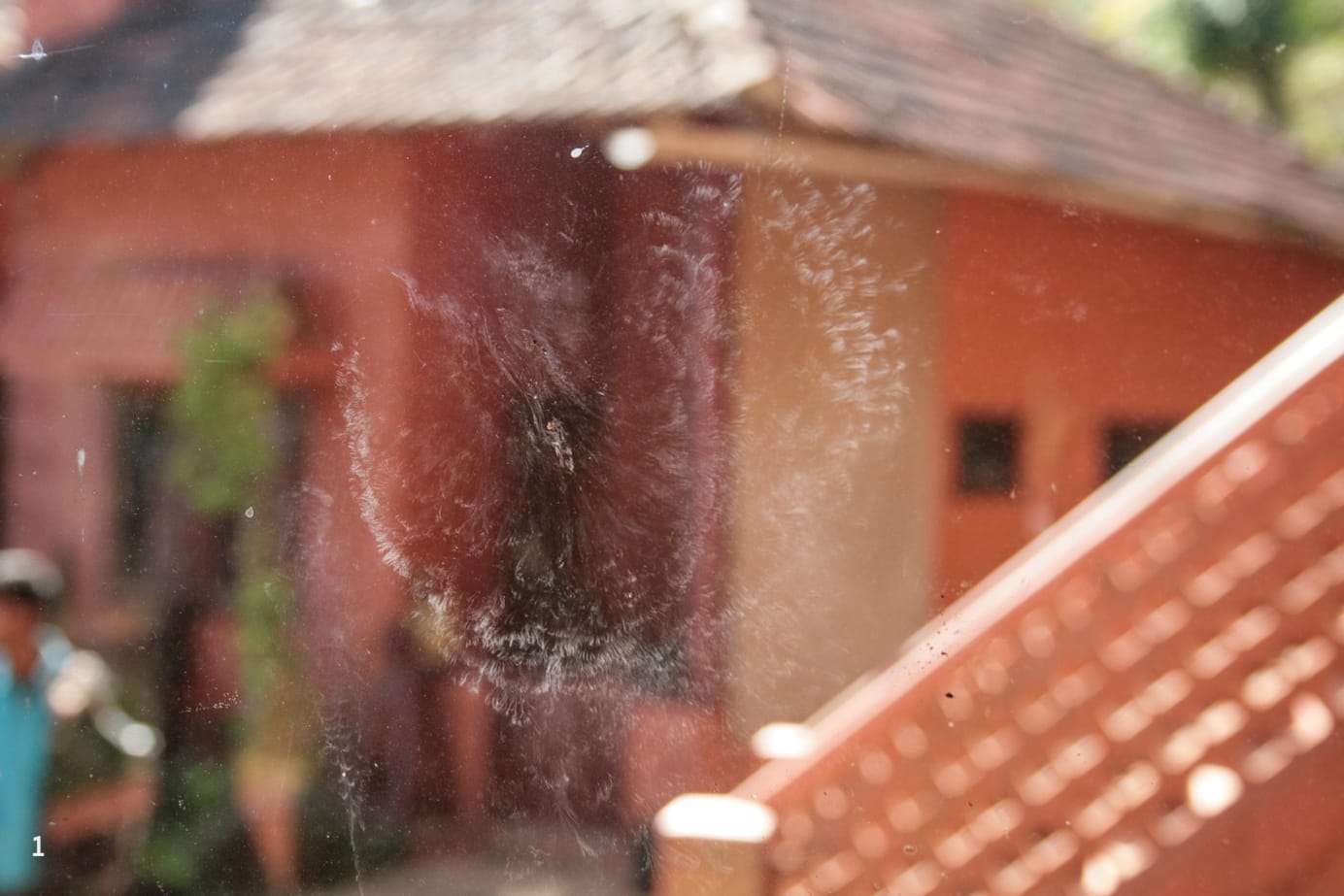

A silent killer
Bird-window collisions occur when birds mistake glass reflections for open habitat (sky or trees) or see straight through transparent panes, aiming for a target beyond. While research is in its early stages in India, studies from the United States show that collisions with buildings may kill well over 1 billion birds per year in the US alone. Scientists the world over argue that these collisions are becoming one of the leading causes of global bird mortality.
“The problem may not seem alarming in India simply because we don’t have enough data,” argues Peeyush Sekhsaria, architect and conservationist. Both Sekhsaria and Kallam were inspired to act after witnessing a bird collision firsthand. In 2007, Sekhsaria saw an Asian emerald dove crash on a glass window while he was vacationing in Honey Valley, Coorg. In 2011, Kallam saw an American woodcock collide and die on the window of a New York building. The individual incidents inspired them to act. In 2016, Kallam started an animal rescue centre in Bengaluru. In 2020, Sekhsaria started looking towards online records of bird collisions to understand the magnitude of the problem in India.


In 2020, Sekhsaria, along with Ashwin Viswanathan, an ecologist at the Nature Conservation Foundation, initiated a citizen science project called Bird Collisions India on iNaturalist, an online social network for people sharing biodiversity information, to collect information on collisions. They also scoured Facebook groups and contacted animal rescue organisations. Over the last six years, they have recorded more than 1,000 bird window collisions in India, involving more than 110 species. A large chunk of this data only comes from rescue centres in Bengaluru. “The diversity of bird collisions is staggering, and we only have reliable data from a few urban centres. The rest of the country remains undocumented,” he says.
The problem with glass
Birds don’t see the world as we do. A glass window or a building that reflects a tree of the skies, to a bird, seems like something they could fly through. A transparent glass window does not look like a barrier to a bird flying fast towards it. On the other hand, a reflective glass window may mirror the surrounding natural environment, and the bird may fly into it in search of food or shelter. Large raptors may also follow prey into the glass and sustain injuries. Some birds may also attack their own reflection to defend territory, mistaking it for a rival.
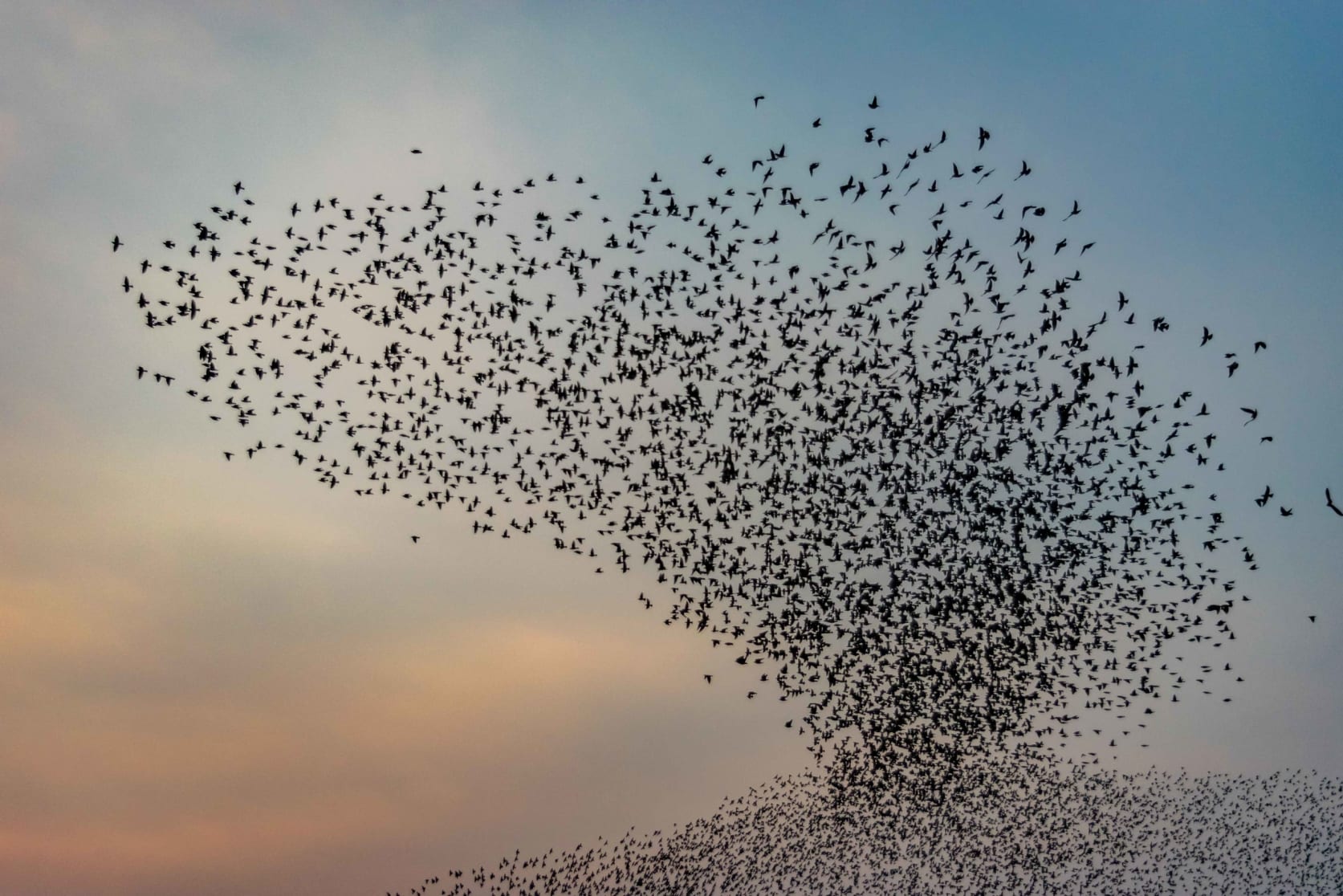
According to the project, birds that fly low and fast account for the largest chunk of victims. Their tendency to dart towards trees increased their risk of collision. The top victims documented were the white-cheeked barbet, Asian koel, Indian pitta, barn owl, black-backed dwarf-kingfisher, and Asian emerald dove. The list also includes rare and threatened species such as the Malayan night-heron and long-tailed broadbill.
Once Sekhsaria and Viswanathan started documenting instances, cases poured in from across the country — forest lodges, villages, dense residential and commercial neighbourhoods in Bengaluru and Gurgaon. Birds that travelled in large flocks were also at risk. In February 2022, as many as 35 rosy starling birds died after hitting an elevated glass shield of the co-operative bank building in Surat. In January 2026, they received a video of a flock of at least 17 dead long-tailed broadbills that had collided with the reflective glass panels of the Mahindra showroom in Mawiong, Shillong. In 2025, a first-ever study from the Nilgiris — Forestdale and Coonoor — recorded 35 collision incidents involving 22 species.

The problem, says Sekhsaria, is not cities, but the nature of urbanisation itself. “Glass technology has improved, and it has become aspirational to have more glass in your architecture. The moment you put glass and a natural environment together, you have a threat, no matter where it is.”
One of the most common misconceptions is that collisions happen around high-rises, but in fact, the majority happen from the ground up, till the third and fourth floors of ordinary buildings.
“Birds like the Indian pitta need to stop and refuel along the way, and these rest stops aren’t always near high-rises but a cluster of trees around a neighbourhood. Any building with glass can be a trap, especially those near fruiting trees,” says Kallam.
Potential solutions
In May 2026, a number of organisations brought together several stakeholders and held the first Bird-Window Collision Symposium in Delhi. The organisations included the Vidhi Centre for Legal Policy, the Indian Institute of Science Education and Research (IISER) Tirupati, the Nature Conservation Foundation, Feather Library, and the Rainmatter Foundation, among others.
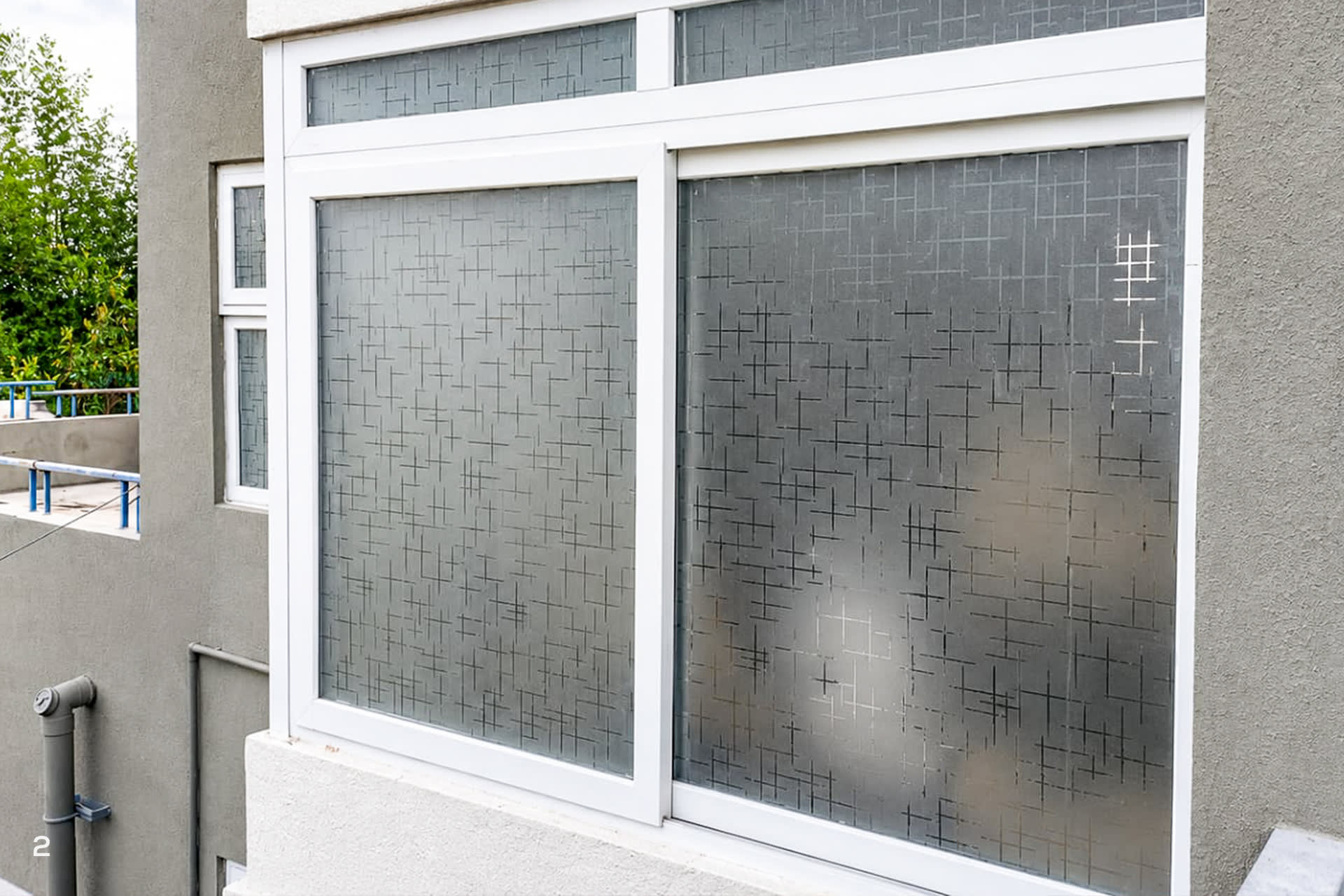
Among the many solutions presented, there was one simple solution that emerged — we must make the glass visible to birds. In several cases, a vinyl film with closely placed dots has done the trick. And while scientists document the magnitude of the data and the problem, it must not stop us from acting on what we already know.
What can you do
Fortunately, birds that reach a rescue centre alive may have a fighting chance. “At least 60 per cent of the victims that come to us survive,” says Kallam. “It depends entirely on the nature of the injury, but there is a chance the bird may return to its habitat.”

1. Contact a rescue centre immediately
2. If an expert from the rescue centre cannot come at short notice, you may handle the bird till someone from rescue team arrives
3. Approach gently using a cloth or towel
4. Place the bird in a well-ventilated cardboard box
5. Keep it in a dark, quiet place to reduce stress,
6. Do NOT give food or water
Basics for bird-friendly windows
1. Add decals, dots or patterns.
2. The decals, dots or patterns should be spaced less than 2 inches apart to be effective.
3. Use curtains, blinds, awnings or shades
4. Keep indoor plants away from glass
5. Minimise light pollution, use downward-facing lights
* Information from the ARRC manual.
Rescue centres
If you find an injured bird, here are a few rescue centres you can call:
Avian And Reptile Rehabilitation Centre (ARRC), Bengaluru: 94496 42222
People For Animals, Bengaluru: 99000 25370
RESQ Charitable Trust, Pune: 91725 11100
Besant Memorial Animal Dispensary (BMAD), Chennai: 94450 70909
Animal Warriors Conservation Society (AWCS), Hyderabad: 96978 87888
Wildlife Rescue, New Delhi: 98100 29698
Wildlife SOS, New Delhi: 98719 63535
Jivdaya Charitable Trust, Ahmedabad: 99244 18184
RAWW Mumbai: 9869780202, 76666 80202
NatureMates, Kolkata: 70446 97179
Malabar Awareness and Rescue Centre for Wildlife, Kannur: 9895 255 225
Raksha, Jaipur: 98285 00065
Rescue and Rehab Foundation, Bharuch: 84696 73934, 99989 75274, 97255 93697
* Contacts provided by Peeyush Sekhsaria