Listen to this article
•
15:34 min
Listen to this article
•
15:34 min
One thing about living in Goa that has stood out the most for me is how animals casually slip into everyday conversations. Friends mention animal sightings alongside complaints about power cuts. Talkative strangers at a thali restaurant mention a python that slithered unhurriedly across the road at night. A neighbour stops mid-rant to point at a peacock, as if it’s a normal part of evening strolls. Despite his obvious amusement, an older gentleman grumbles about the langurs breaking his roofing tiles. Like weather updates, these sightings and stories drift through the village. Before you know it, you start speaking in the same way.
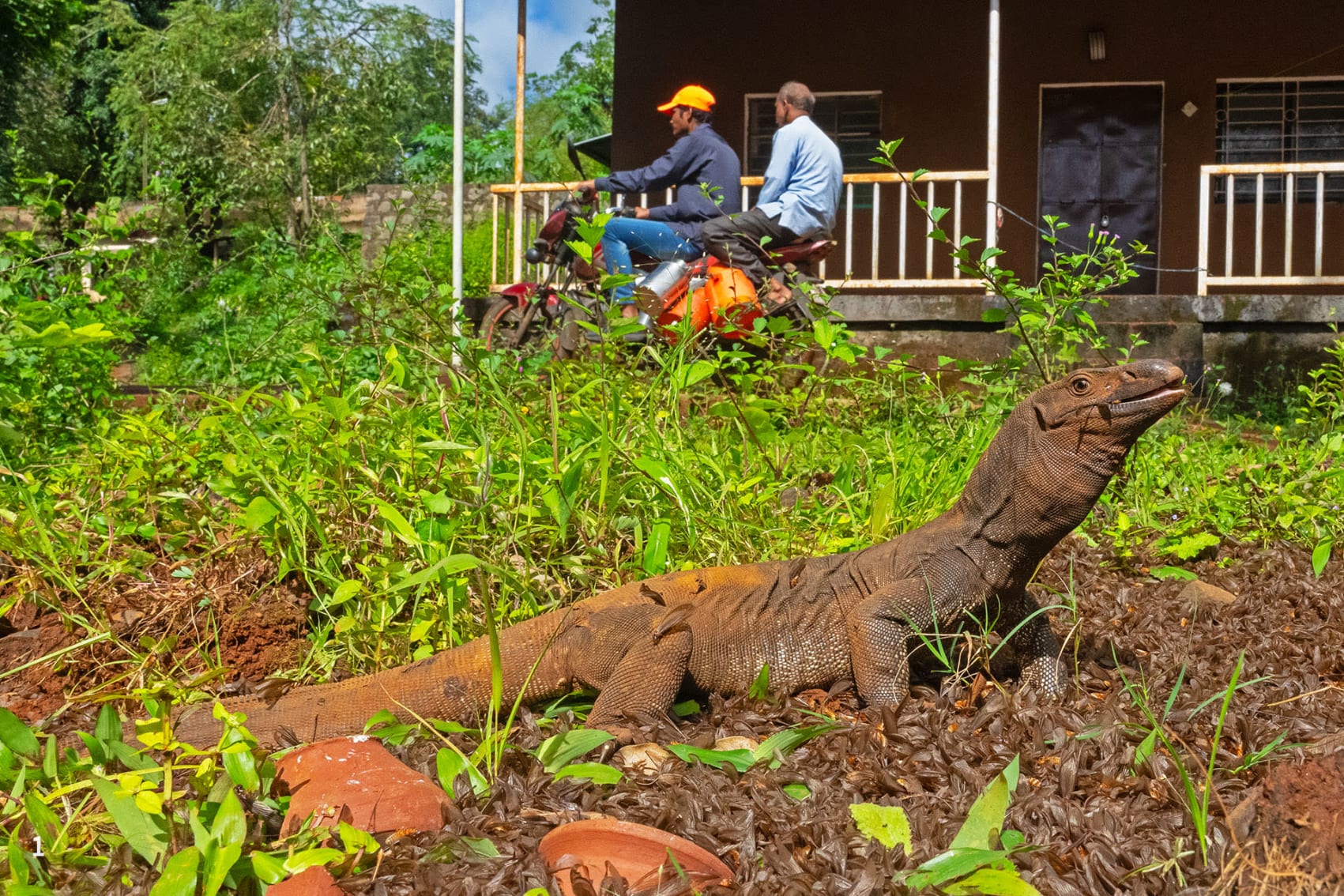
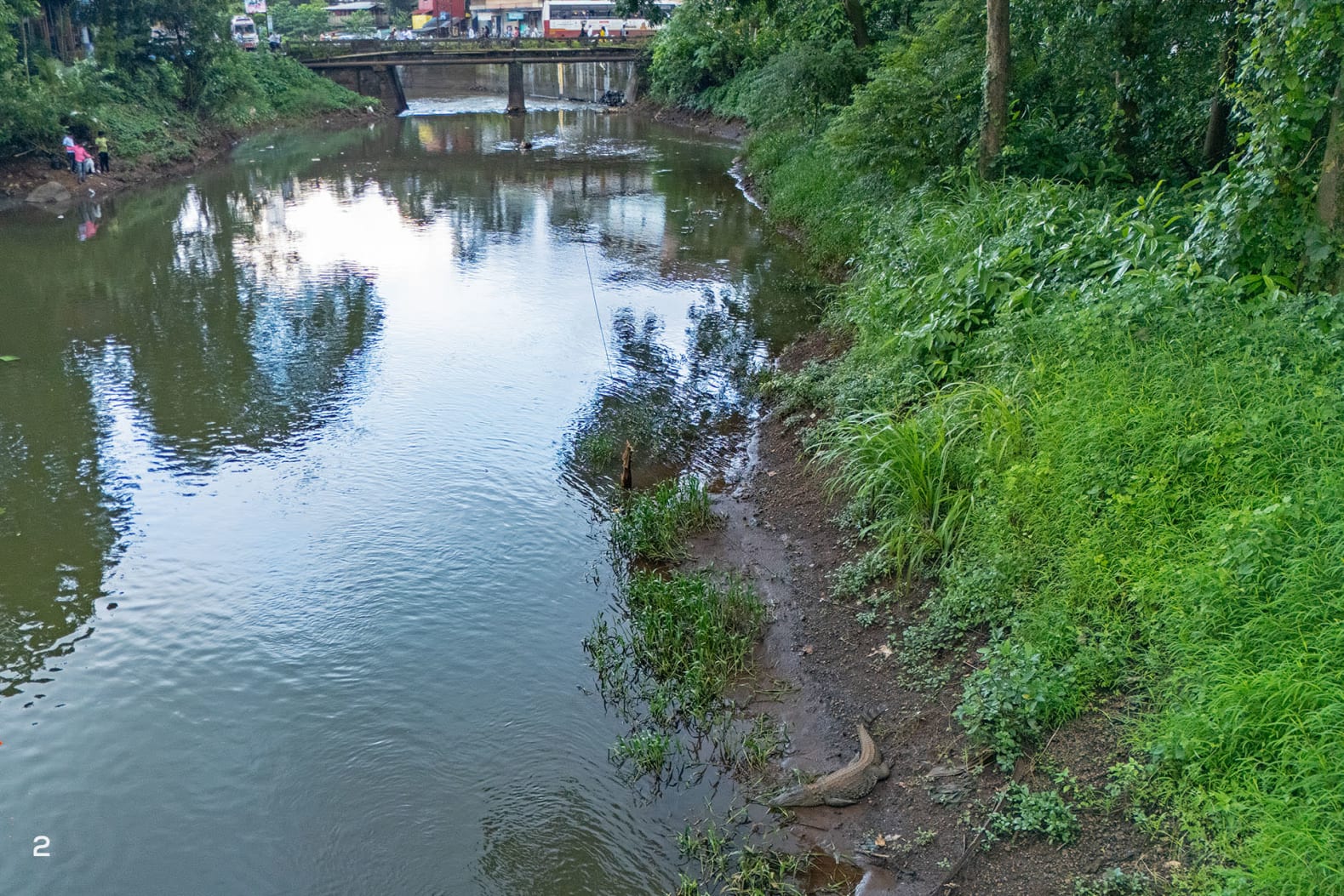
Growing up in the small Himalayan town of Kalimpong, I never thought of myself as a nature lover; that phrase was not part of my vocabulary. The mountains, birdsong, meandering rivers, even giant spiders were a normal part of our backdrop. As unremarkable as a boiled egg for breakfast.
In my 20s, I moved through different cities without ever feeling like I was missing nature. Then I landed in Mumbai, where everything moved faster than my body could keep up. Suddenly, I was looking for bits of nature everywhere: in an overlooked waterbody near my building, I was noticing birds on wires and mangroves that smelled of life and decay. A tiny part of me exhaled every time I saw something remotely wild.
Years later, that low-grade longing grew too loud to ignore. So, like many city dwellers, I moved to Goa during the COVID-19 lockdown. I didn’t anticipate how quickly it would rewire me. Before long, I was walking with my head down, scanning leaves for caterpillars. Once I held up traffic because a coucal was chasing a vine snake across the road. My phone slowly started filling up with photos of moths. I had begun to pay attention in a way I never had before. That attention gradually transformed my response — replacing indifference and, at times, fear with curiosity.
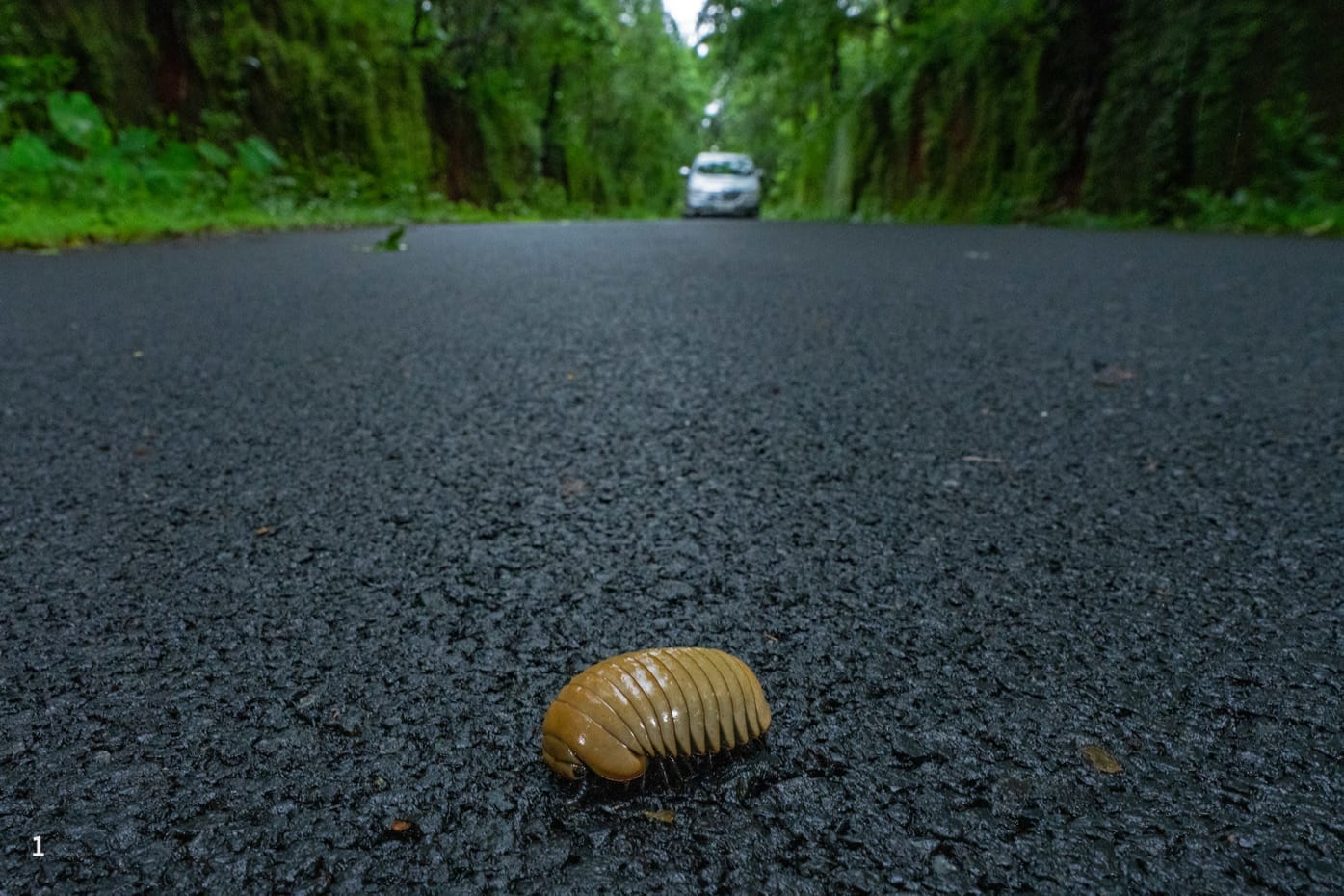
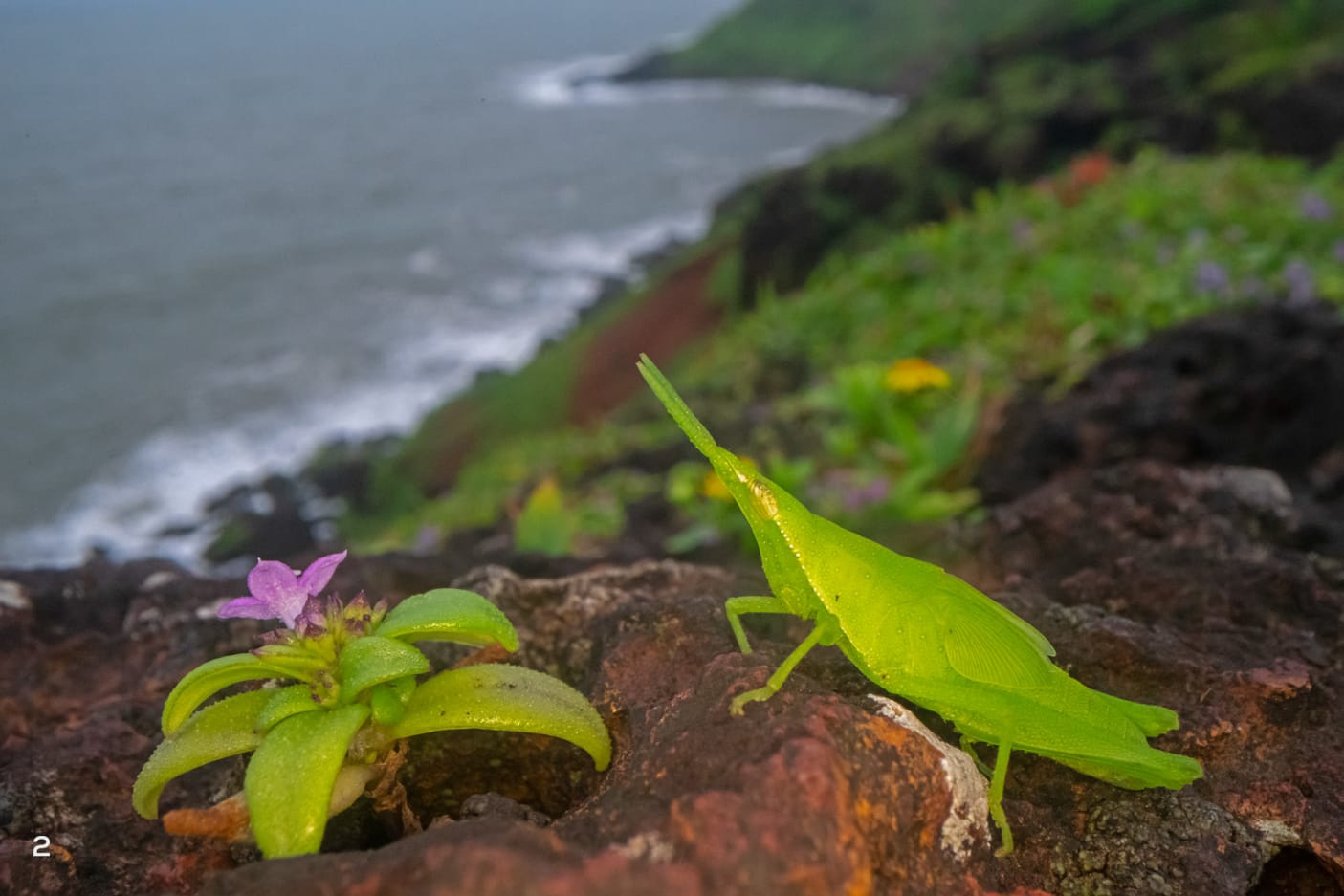
I’ve seen similar changes in others too. People who grew up in busy, brightly lit metropolises suddenly become eager wildlife observers. Screams of fear are replaced with: “Wow, look at that monitor lizard,” or “There’s a cute mongoose in my backyard,” or “God, that caterpillar is beautiful”. Appreciating snakes and spiders usually takes them a bit longer, but even there, wonder eventually creeps in. Of course, some will never get past the fear and choose violence instead of curiosity.
Why does a reptile or insect in a Goan village make people lean in, while the same creature in a big city evokes disgust and fear? What is it that shapes these different reactions to the wild lives around us?
One explanation could lie in the architecture of different spaces. In semi-urban areas, people may live in low-rise homes with open gardens/yards/farms where human and wild spaces naturally overlap and boundaries are loose. Human-wildlife encounters are frequent, and regular exposure to wildlife builds familiarity, and with it, a practical calmness. A monitor lizard in your tree or a snake in the garden is an event but not an anomaly. Research backs this up. When people are in frequent contact with wildlife, their attitudes change from dramatic to grounded.
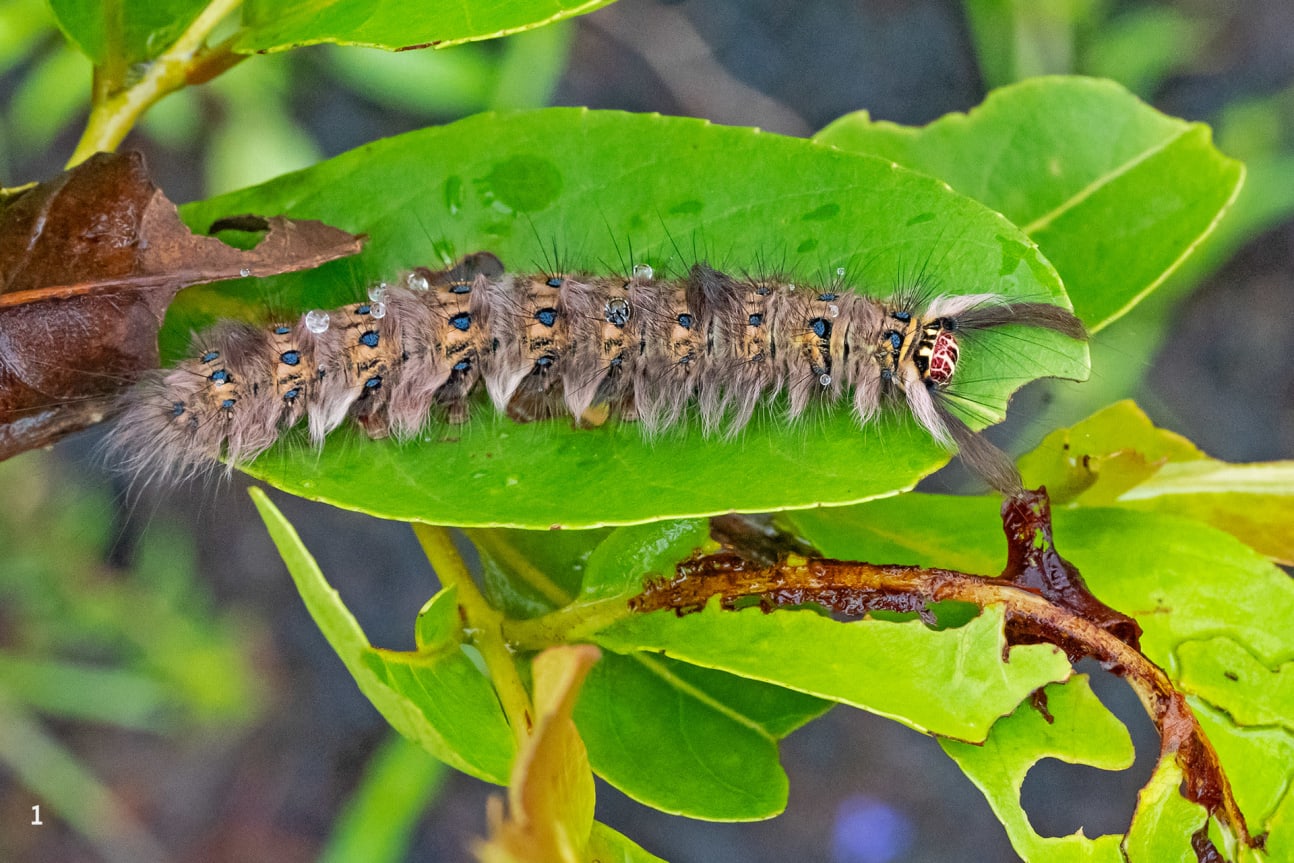
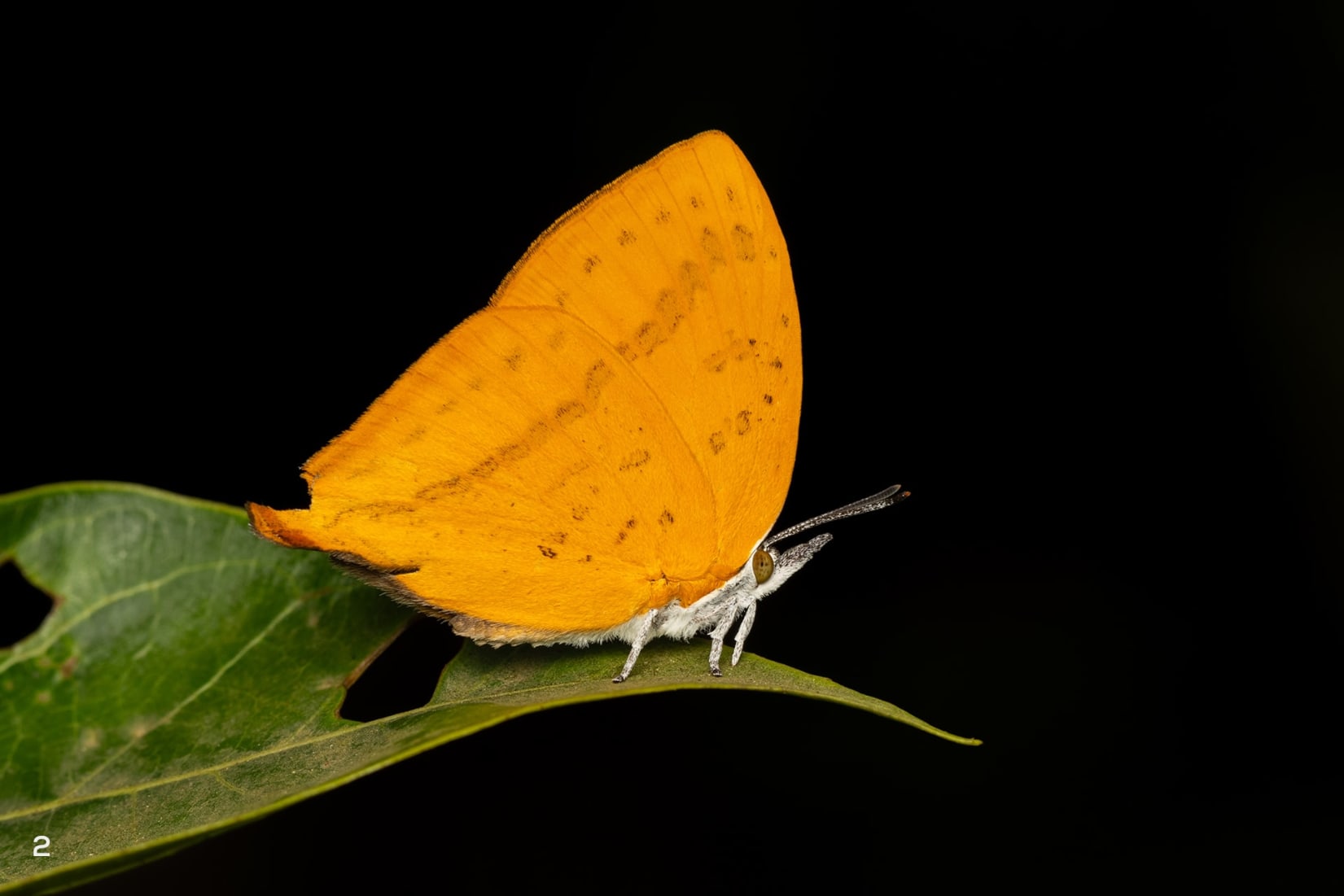
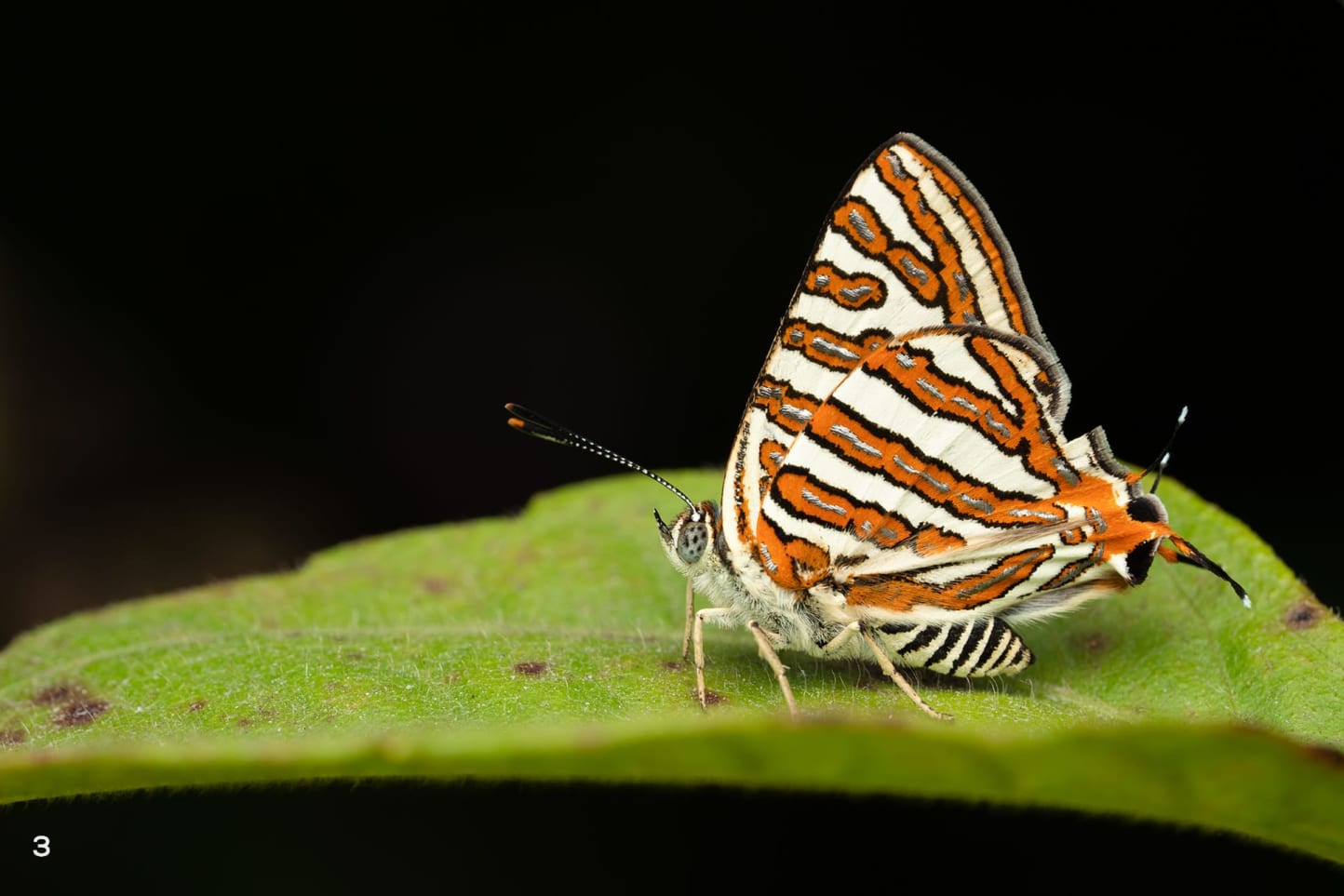
Meanwhile, folks in large cities often live in fully enclosed, controlled environments, where a wild creature becomes a security breach. It triggers a threat response and the impulse to swat or eliminate the intruder, rather than curiosity. City dwellers may rely on sporadic tales, childhood warnings, and recollection of sensational headlines that make wild creatures scary and to be feared. Most people I know have never actually had a bad encounter with a snake or insect. They’re scared because everyone around them is. Much of urban fear is inherited through social interactions rather than real-world experiences.
Researchers describe this growing distance from nature as the “extinction of experience”. This term, coined by ecologist Robert Michael Pyle, signifies the gradual loss of everyday human contact with the natural world. As societies urbanise, and digital interaction increases, our daily interactions and physical engagement with nature reduce dramatically. Our vocabulary about nature starts to shrink, as a result of our increased sensory detachment. We stop naming birds or their habitats. We forget which insects show up in which season. We struggle to name more than one native tree.
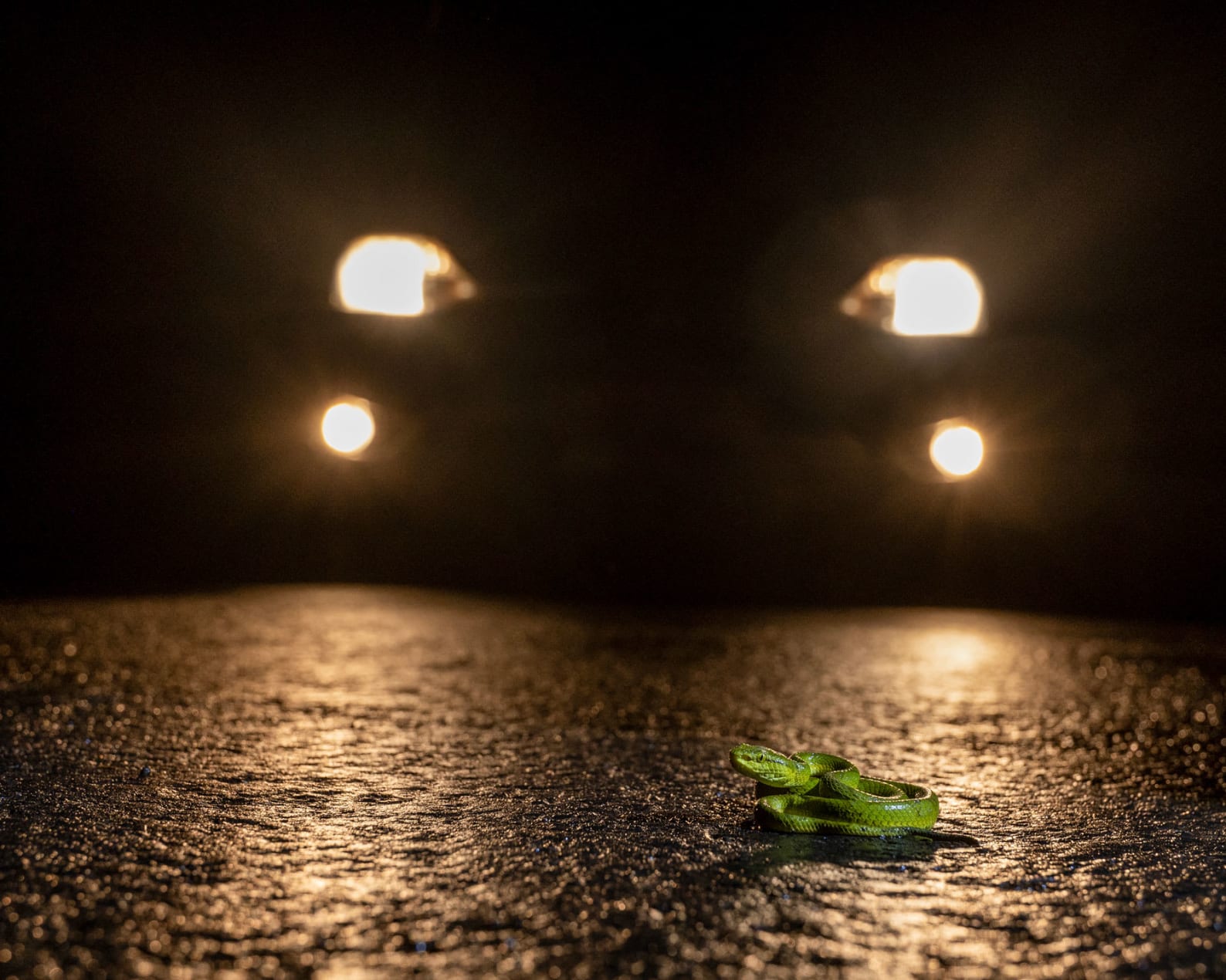
When we can no longer fully understand the things around us, our vocabulary shrinks. And what we don’t understand, we end up fearing. Spotting a harmless huntsman spider in a concrete high-rise apartment, for instance, is more likely to trigger a massive shriek (and a slipper) than wonder, simply because it is unfamiliar. These animals feel like intruders rather than neighbours because most of us didn’t grow up learning their names, stories, or roles in the ecosystem.
Our relationship with wildlife is shaped less by where we live and more by how closely we pay attention. Psychologists who study “nature connectedness” observe that unless city dwellers actively seek connection with nature, their willingness to coexist with animals wanes over time. It’s not that urban residents hate wildlife; rather, it’s that they have no genuine connection to it. Ironically, cities are home to plenty of animals. Kites, snakes, bats, parakeets, barn owls, rats, civets, and a surprisingly bold variety of insects live alongside us. Even golden jackals, mugger crocodiles, and leopards live in Mumbai. Yet many of these animals remain invisible to residents who never learned to notice them. Conservation psychologists refer to generational amnesia, where each generation accepts its own degraded, nature-deprived environment as the normal baseline. When successive generations become increasingly isolated from local biodiversity, wildlife becomes undervalued and underprotected.
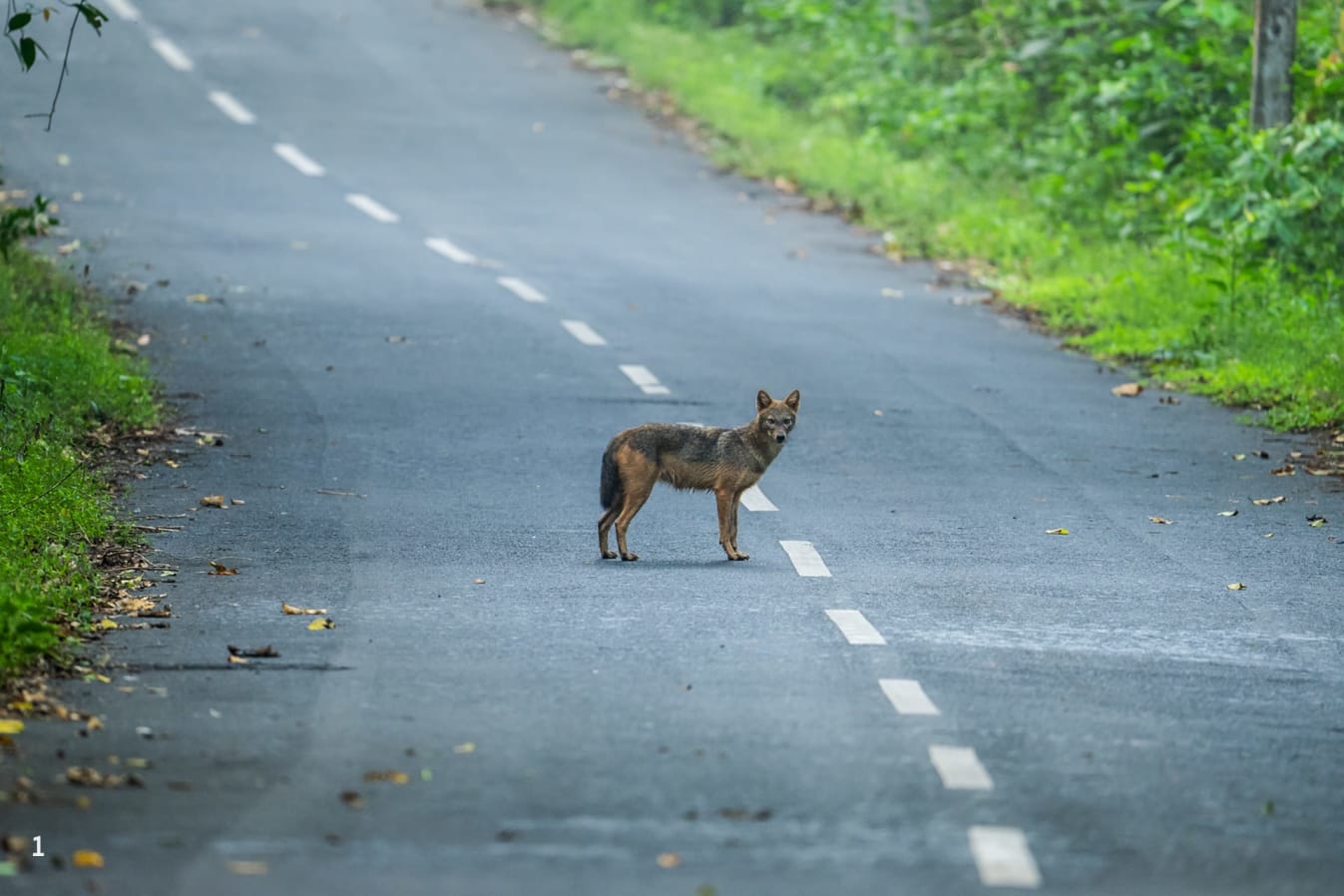
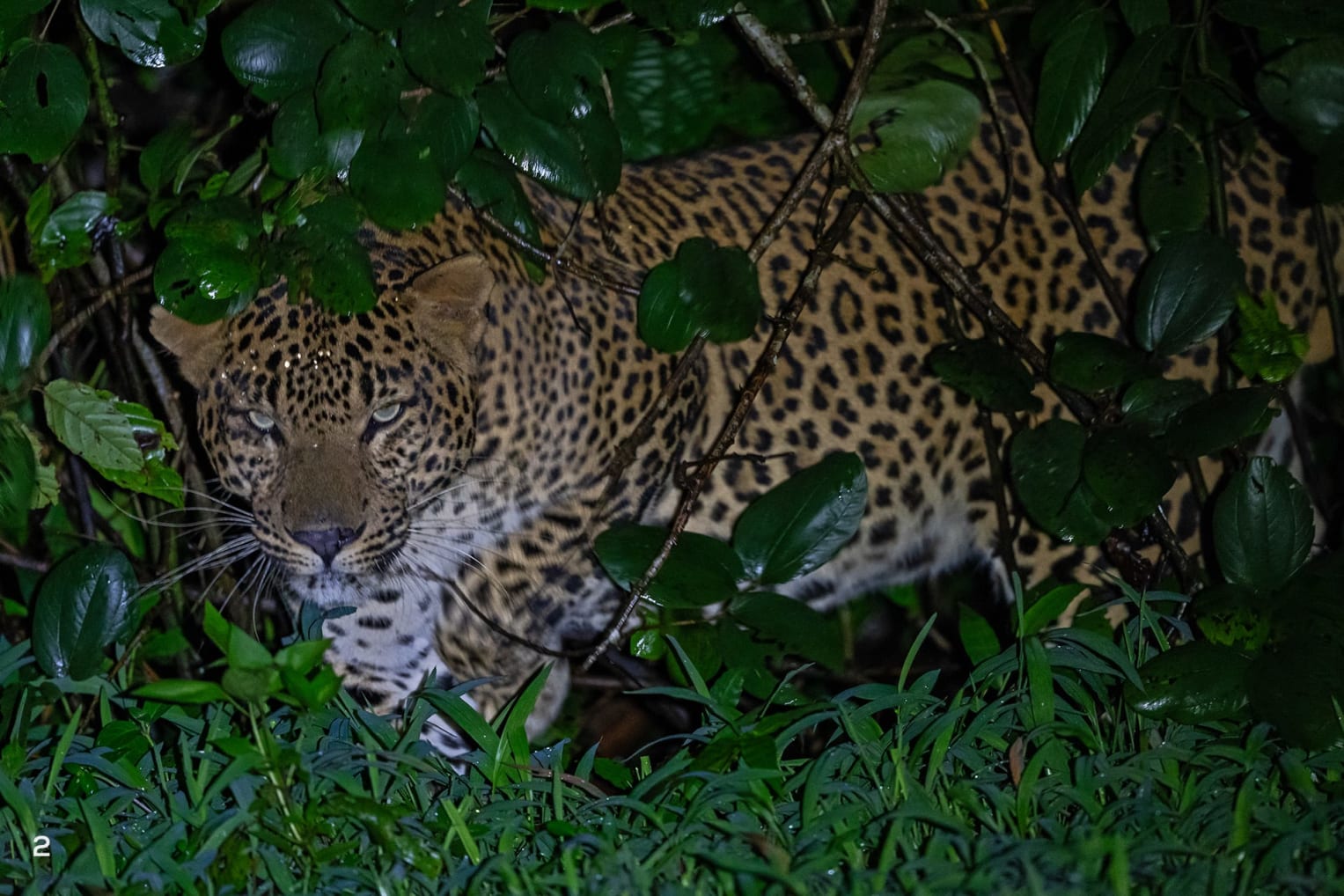
But things can change when that attention returns. Encounters that once provoked fear start to spark curiosity. Maybe what we call “wonder” is not something newly experienced, but something remembered — a response that resurfaces once the background noise subsides. We can relearn how to disrupt amnesia and replace our panic reflex with curiosity.
Goa, perhaps, offers that recalibration for some, where frequent encounters reshape perception. You find yourself pulling out your phone to photograph a bug on your door instead of swatting it. You linger a little longer on the balcony, watching an unfamiliar bird land nearby. You ask your gardener not to kill a snake that shows up.
It isn’t necessarily the untouched wilderness that alters our relationship with nature, but the willingness to notice what already exists around us. With green cover shrinking fast, there may be no more urgent moment than now to look closely and understand our natural surroundings. Because fear eases when we start paying attention. Curiosity finds space, and from curiosity may emerge care and conservation.
About the Author