 Listen to this article
•
15:34 min
Listen to this article
•
15:34 min
Long-distance bird migration is a natural spectacle on our planet. Birds of all shapes, sizes, and colours across the globe are on the move every spring and autumn. Hearing or seeing these birds brings immense joy and peace to millions of people around the world. Migratory birds also provide a wide range of ecosystem services, including pest control, seed dispersal, pollination, and nutrient cycling.
With the onset of spring, billions of birds move northward, following seasonal shifts in temperature and food availability that support breeding and chick rearing. They then return to their wintering areas in the autumn with juveniles. These birds fly along nine major flyways, including the Central Asian Flyway (CAF), which encompasses the Indian subcontinent. This flyway stretches from Siberia to the Maldives in the Indian Ocean, covering 30 countries.
Migratory birds flying through the CAF, however, face some of the most formidable obstacles characterised by high deserts such as the Taklamakan (in Northwest China), the Tibetan Plateau, and the Himalayas. The Himalayas have the world’s highest glaciated peaks, including mighty Mount Everest. The reason that hundreds of millions of migratory birds can undertake this annual epic yet perilous journey is a network of lakes (remnants of the Tethys Sea) and rivers that provide much-needed replenishing sites for waterbirds — motels for these migratory birds!


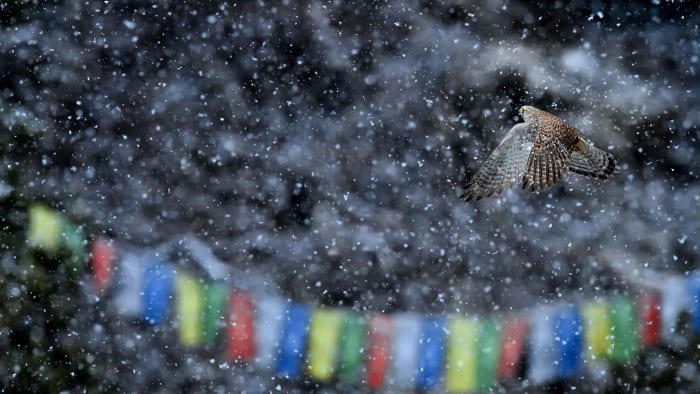
Cover Photo: The Eurasian kestrel or common kestrel is one of the most widespread species of kestrels found in the Eastern Hemisphere. It is also known colloquially as the “windhover” due to its eye-catching hovering flight. Photo: Kallol Mukherjee
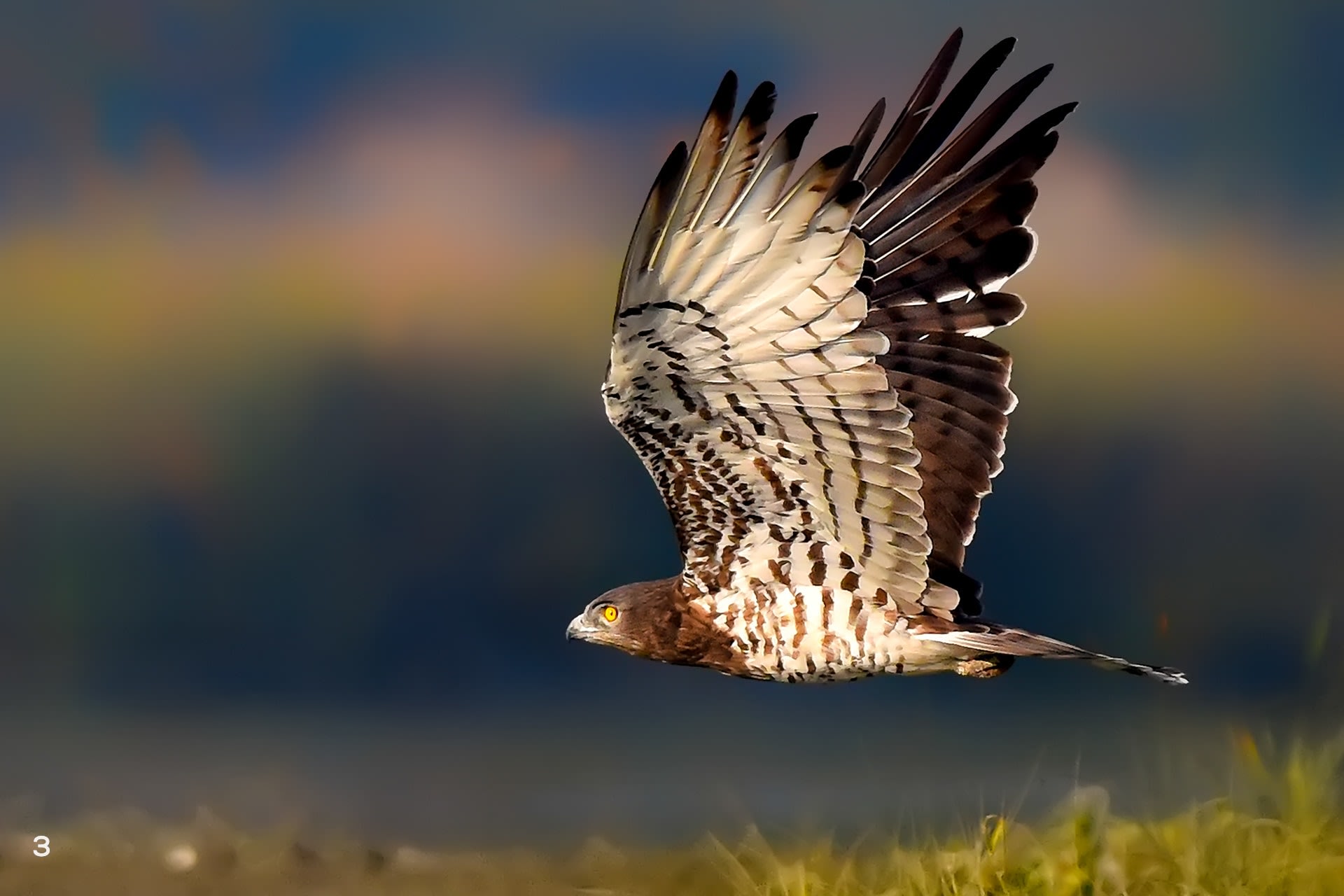
Asia hosts at least 66 of the approximately 150 migratory raptor species worldwide. Out of these, over 45 species are known to migrate through or around the Himalayas. Pallid harriers, steppe eagles, Eurasian hobbies, for example, are complete migrants to India and do not normally breed here. On the other hand, the Egyptian vulture, Himalayan griffon vulture, cinereous vulture, long-legged buzzard, upland buzzard, and common kestrel are partial migrants (less than 90 per cent of them migrate).
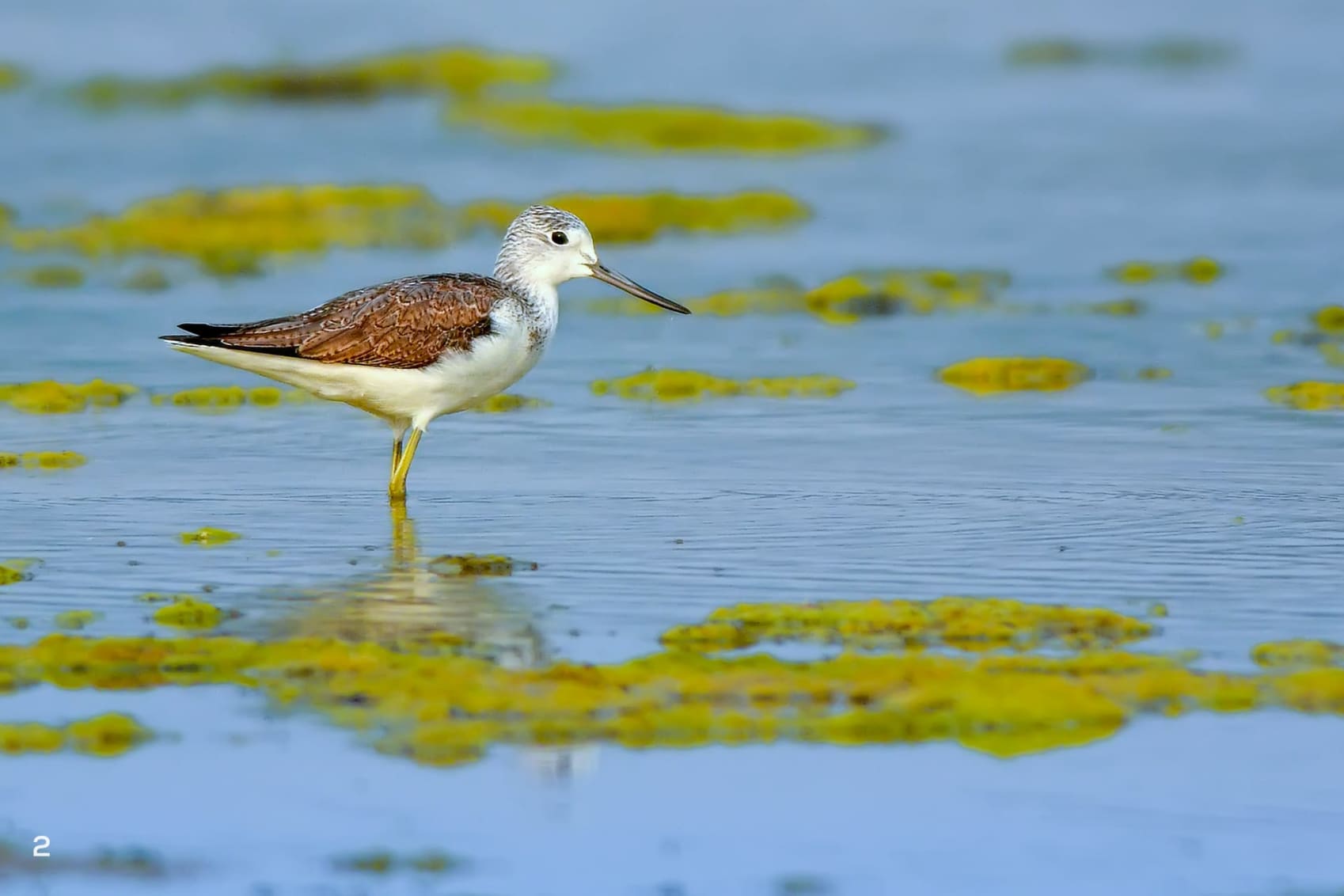
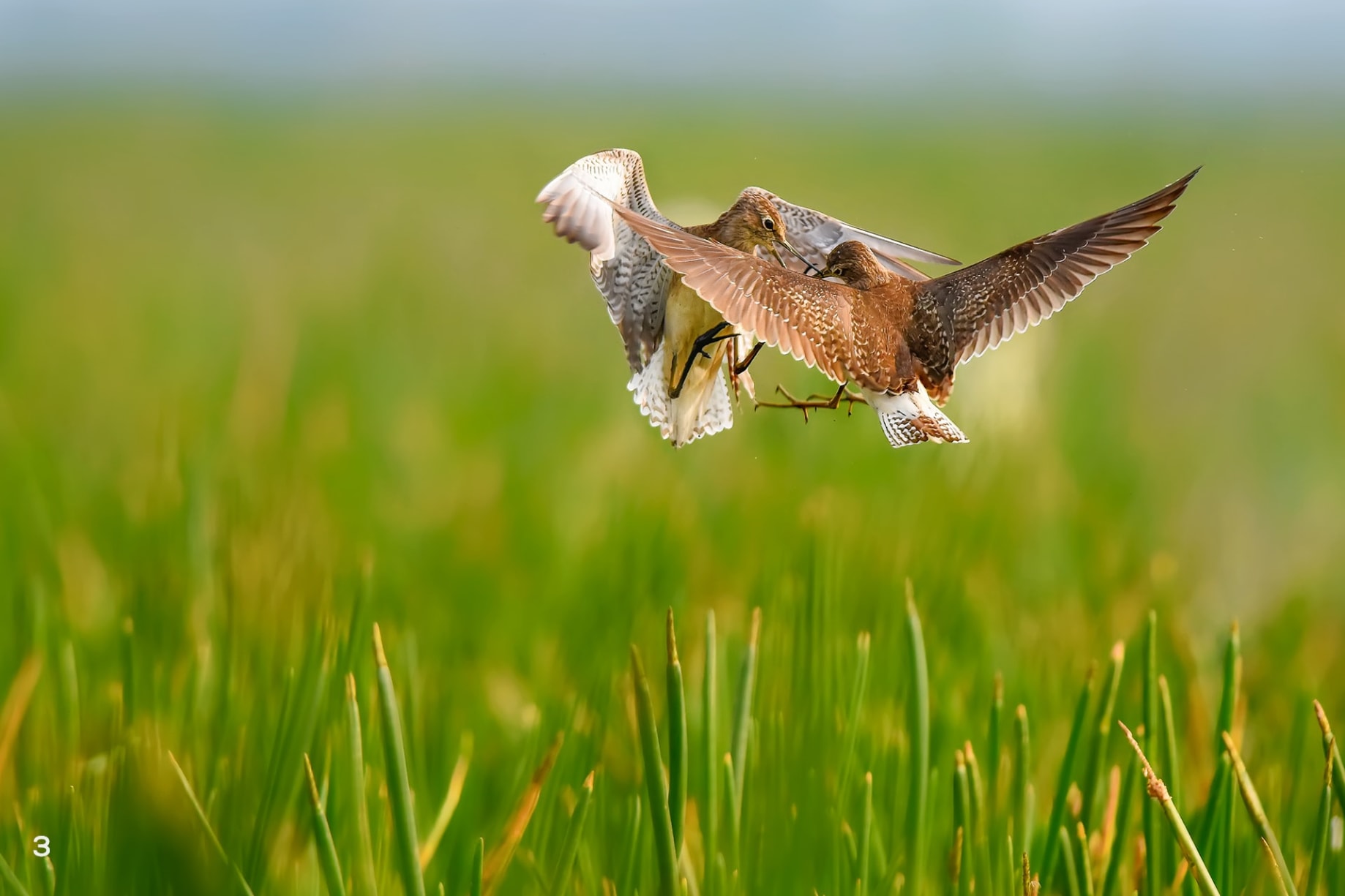
Among waders or shorebirds, at least 30 species breeding in the Palearctic region are known to migrate over or through the Himalayas using various routes spread across the mountain range. Some species, viz., green sandpiper, little stint, Temminck’s stint, wood sandpiper, and common greenshank, are the most common migrants flying over or through the Himalayas. In contrast, the black-winged stilt, pied avocet, Kentish plover, common snipe, and terek sandpiper are recorded in moderate numbers. Some waders fly at extreme altitudes (over 5,500 m) while crossing the Himalayas. There are accounts of mountaineers hearing migrant waders from their high-altitude tents near Mount Everest.


The bar-headed goose, however, is the champion when it comes to high-altitude flight. These birds fly extremely high (over 7,000 m) without using thermals or tailwinds. Rather than maintaining a steady high altitude, they go up and down like a roller coaster, following the shape of the land below, which helps conserve energy. While working with the United States Geological Survey (USGS), I had the opportunity to study the migratory routes of these birds through satellite transmitters. It was a pleasure to track them to understand their role in spreading avian influenza (HPAI H5N1).
Satellite telemetry studies conducted by various researchers, including a team from the USGS, of which I was a part, have demonstrated that millions of migrating birds between Siberia and the Indian subcontinent stop at hundreds of lakes across the Tibetan Plateau. Here, they replenish their fat reserves before continuing their journey (although some birds, especially forest birds, migrate non-stop). Similarly, they stop at riverine pastures along the Indus and Tsangpo rivers on their southbound journey, and along the banks of the Brahmaputra and Ganga rivers on their northward journey, without which many succumb to the elements while crossing the high Himalayas.


The extreme high-altitude flight of the bar-headed goose has attracted the attention of physiologists, who have found a dense network of blood vessels in the birds’ heart and wing muscles, in addition to efficient oxygen delivery to tissues. Apart from physiological adaptations, migratory birds also use other coping mechanisms, such as adopting paths of least resistance. Many birds, such as ducks, fly through river valleys and cross the Himalayan range via mountain passes used by pastoralists and traders in the past. Some, especially soaring birds such as the griffon vulture, use thermals or updrafts to cross the mountains, while passerines ride tailwinds, and yet others, such as the houbara bustard, skirt the Himalayas.
After going through these travails of travel across the Himalayas, many birds fail to propagate their progeny at the end of the breeding season. A lot of them die while crossing the high-altitude mountains and deserts. I have come across scores of bird carcasses while studying birds and mammals in the high mountains of Ladakh. This issue is exacerbated by the installation of high-tension cables along river valleys and wetlands, which increases the risk of electrocution. Similarly, umpteen numbers of birds fall prey to raptors such as eagles, hawks, and falcons that ambush them along their migratory routes. The ordeal does not end there. Once they reach their breeding sites, terrestrial predators such as foxes and wolves, prey on eggs and chicks.

Furthermore, the wetlands that these birds rely on are threatened by several emerging issues, including climate change and mass tourism. Himalayan glaciers, the source of water for many high-altitude lakes, are melting rapidly due to global warming. Habitats along the shores of many lakes are being inundated by the rapid melting of glaciers and frequent floods. Glacial Lake Outburst Floods (GLOFs) also wash away grassy habitats along streams and rivers, which are so important for the success of migration across the Himalayas.
Currently, the issue of free-ranging dogs is the elephant in the room when it comes to threats to the replenishing and breeding sites. Since the Himalayas are a sensitive border area and an important tourist destination, there are thousands of military and tourist camps on both sides of the India-China border. Dogs breed at these camps and then disperse into surrounding areas, preying on the eggs and chicks of birds like the black-necked crane. As a 2005 WWF-India survey report revealed, the breeding success of this iconic species plummeted by 50 per cent over an eight-year period from 1995 to 2003. Free-ranging dogs also breed with wolves, as shown by a survey conducted by the Snow Leopard Conservancy India Trust, and the hybrids are more vicious when it comes to killing wildlife and domestic livestock, which is the genesis of human-wildlife conflict.
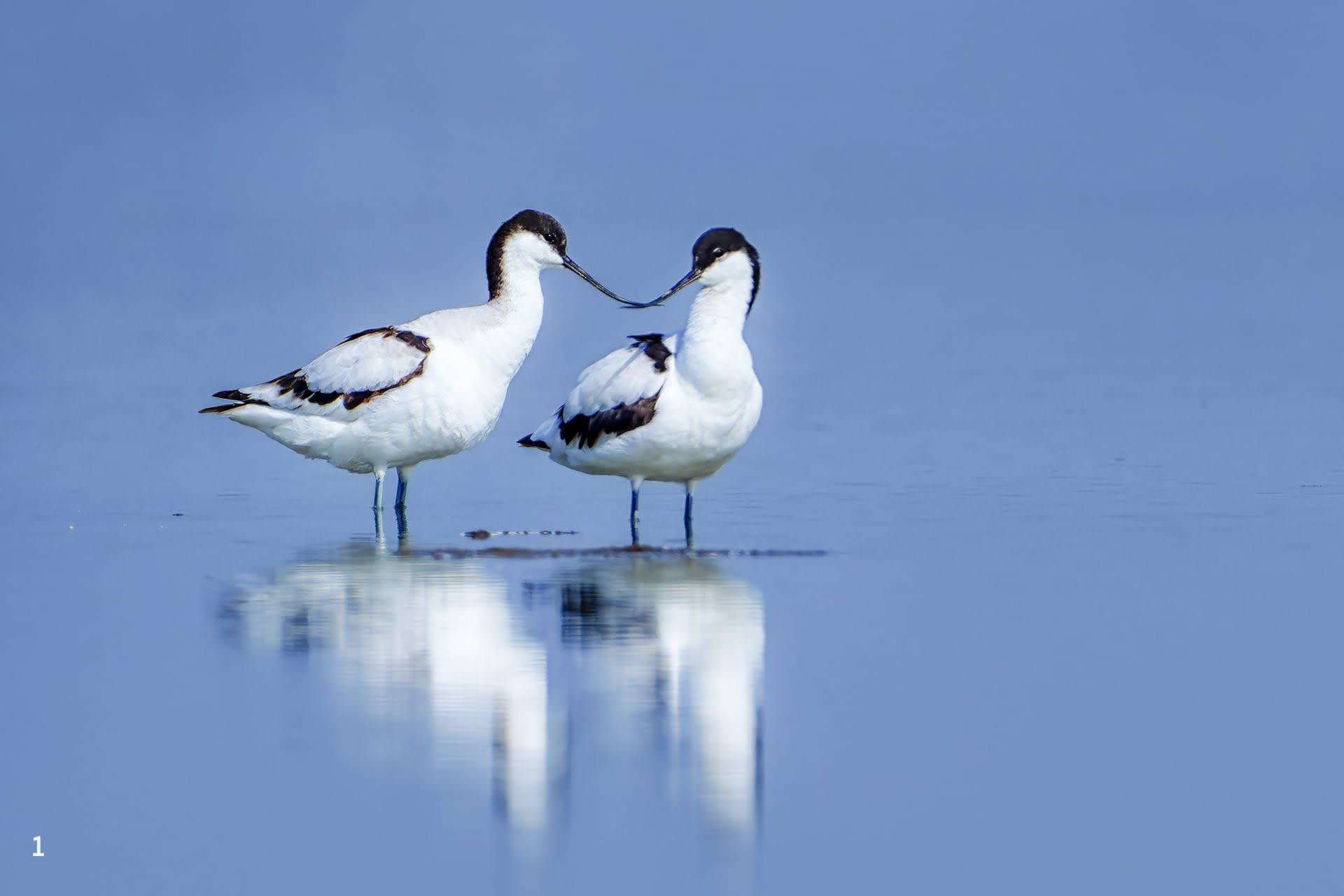
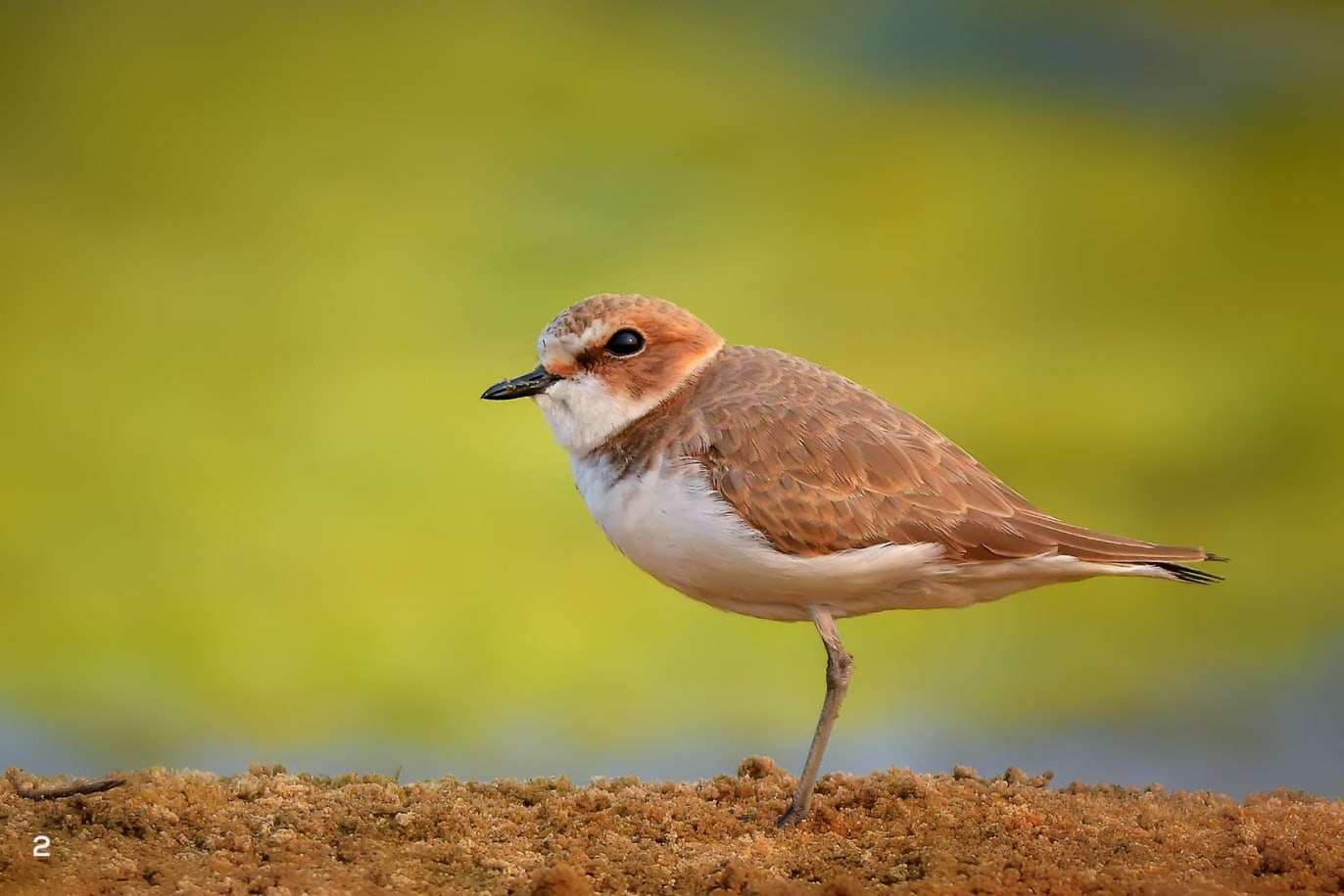
The challenges migratory birds face, therefore, are increasing multi-fold, as humans encroach on wildlife habitats across the Himalayas. In some places, their habitats are being transformed beyond recognition. Being located between the two most populous countries in the world, which together hold almost one-third of the world’s population, the pressure on Himalayan habitats will only increase.
People often do not change their behaviour because of the uncertainties associated with change. As the saying goes, humans prefer the certainty of misery to the misery of uncertainty. For these birds, however, the opposite appears to be true: they embrace uncertainty and continue to undertake this epic journey across the world’s highest mountain range. There is uncertainty not only about their breeding and wintering destinations, but also about the fuelling stations they rely on enroute.
Given these and other threats, including hydropower projects along rivers to supply energy to the increasing human population across the Hindukush-Himalayan region, the future seems quite bleak. These spectacular feathered friends will not be able to sustain this natural spectacle if effective conservation measures are not put in place in time. Therefore, we must make a concerted effort to create safe zones that safeguard these feathered travellers and ensure that this natural spectacle continues with future generations.
About the Author