 Listen to this article
•
15:34 min
Listen to this article
•
15:34 min
Amid South Kolkata’s urban sprawl, surrounded by the noise and chaos of the busy Gariahat market area, a rare patch of greenery and tranquillity is very popular with local residents, and brings bird enthusiasts from afar. Dubbed the “lungs of South Kolkata”, the sprawling 192-acre Rabindra Sarobar lake and its adjoining park area serve as a vital carbon sink and ecological hub for humans and a plethora of resident and migratory birds.
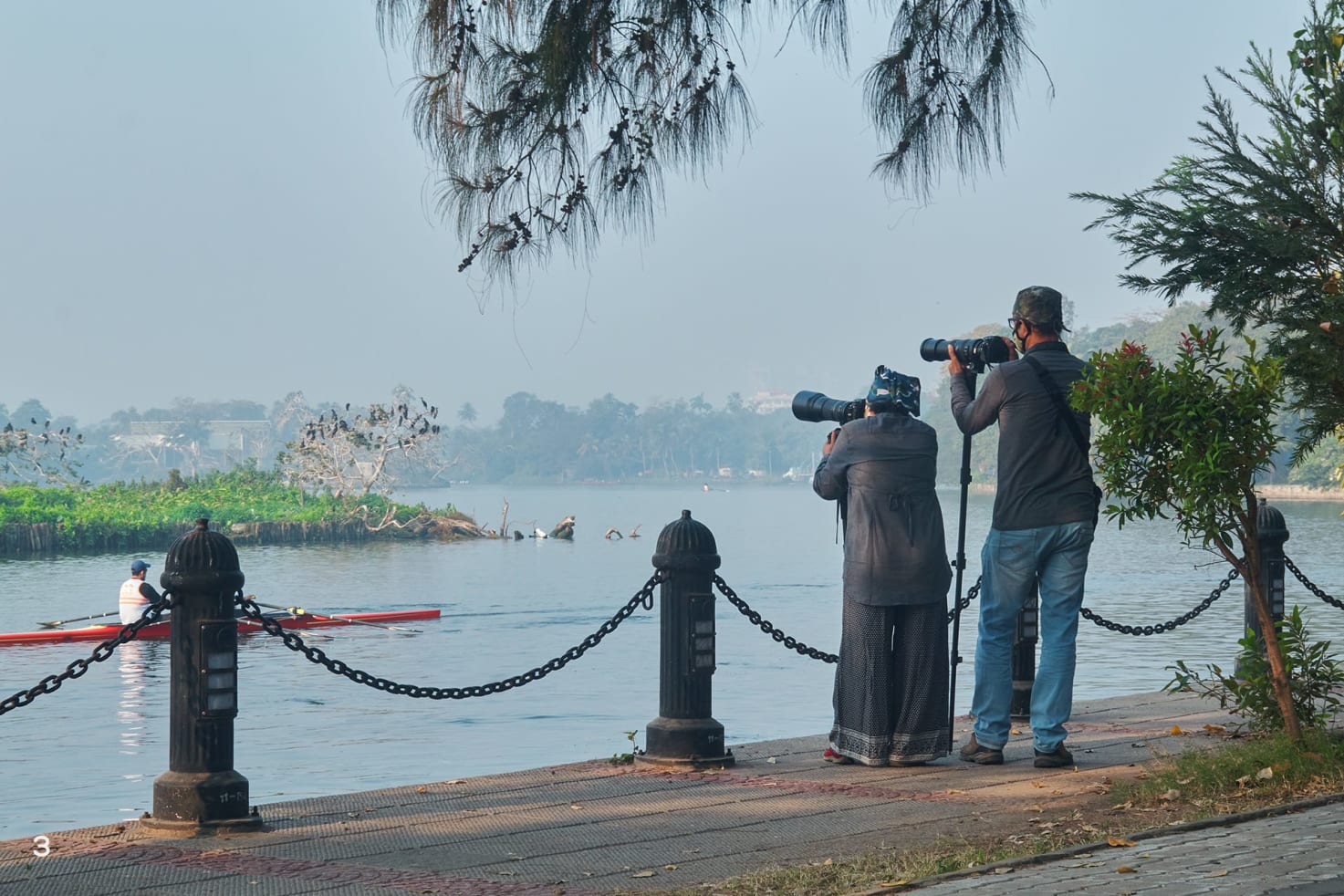
On a cool, breezy winter morning, the park is abuzz with walkers and joggers, and a handful of birders who juggle between binoculars and cameras. A couple of members from the adjacent The Bengal Rowing Club silently glide on the lake, their oars making a soft sound as they rhythmically splash into the water. Apart from snatches of conversations, the air is thick with the sounds of birds seen and unseen.
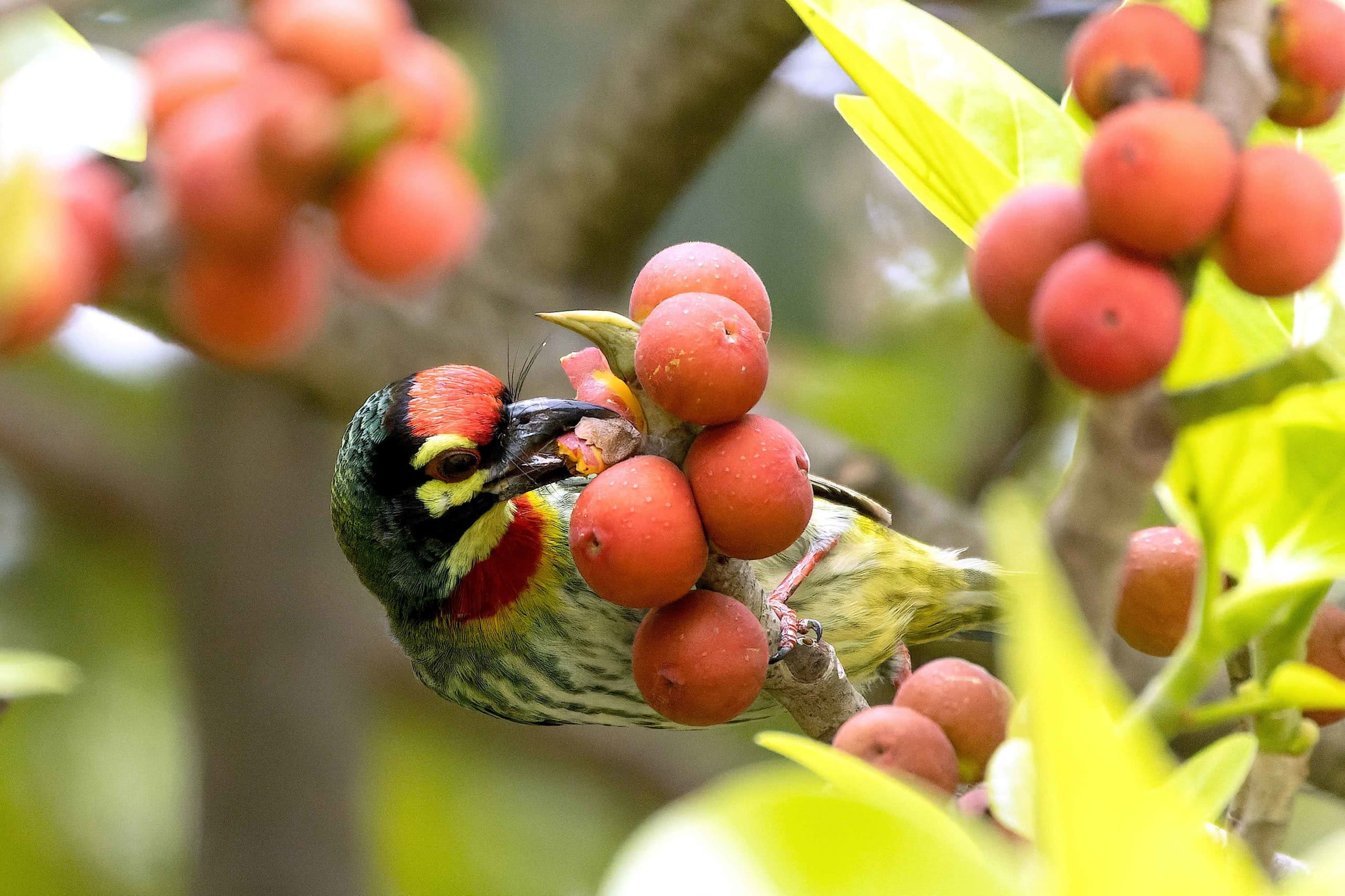
Cover photo: The coppersmith barbet is a frugivore usually found feeding high up in trees. Photo: Tisha Mukherjee, CC BY-SA 4.0
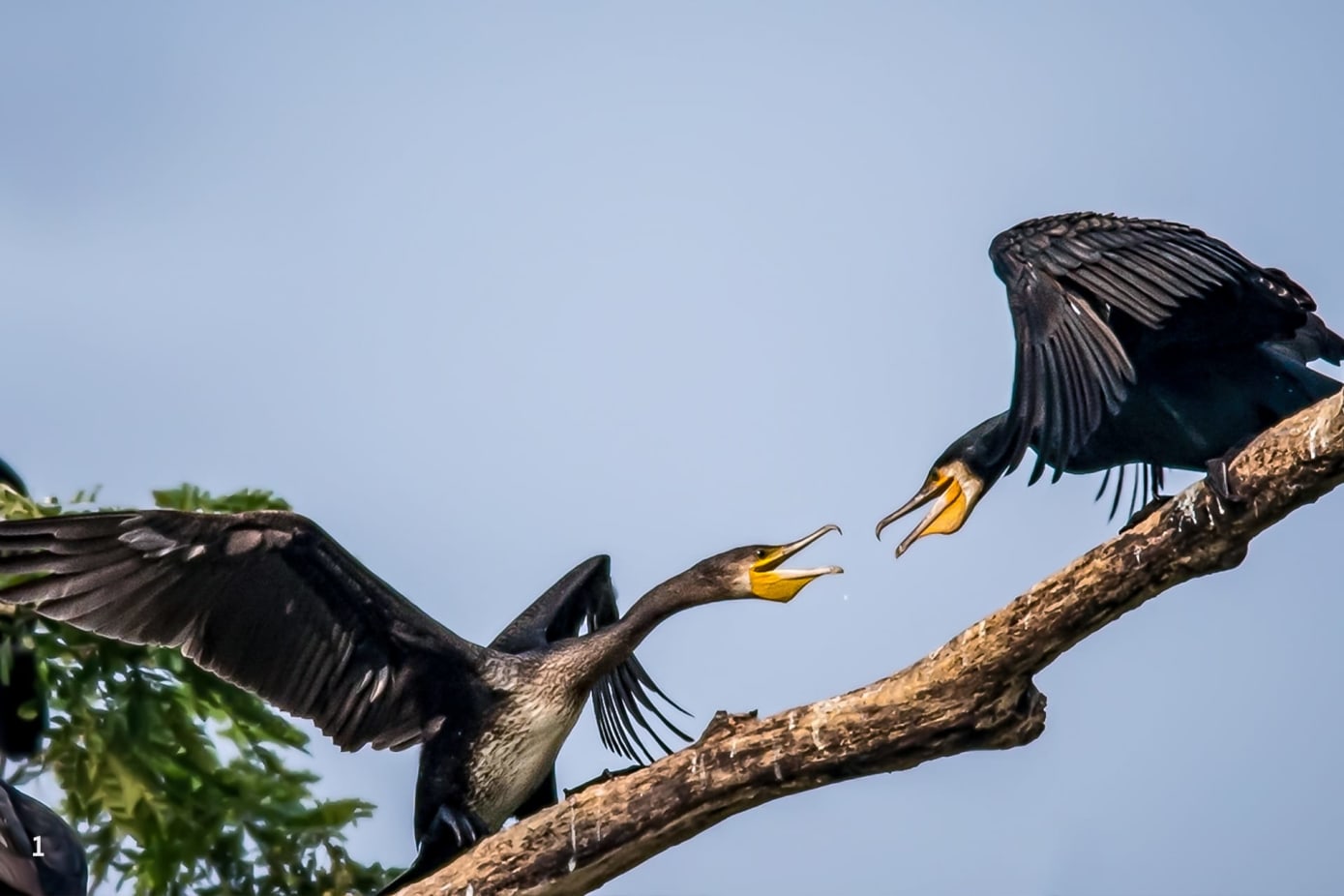
It is easy to spot waterbirds such as cormorants, painted storks, egrets and pond herons. A stroll around the park will likely also reveal common kingfishers, wagtails, bulbuls, mynas, drongos, flycatchers, green bee-eaters, black kites, chestnut starlings, barbets, babblers, parakeets, koels, and greater coucals. For a park encased by a heaving city, the avian abundance is astonishing.
The lake began life very differently. In the early 1920s, during colonial rule, the city’s local body, the Calcutta Improvement Trust (CIT), acquired about 192 acres of marshy jungle to create a waterbody, parks, roads, and a residential area. A portion of that land was excavated, and a waterbody created. It was called Dhakuria Lake after the neighbourhood in which it is situated. But nothing much was developed around it.
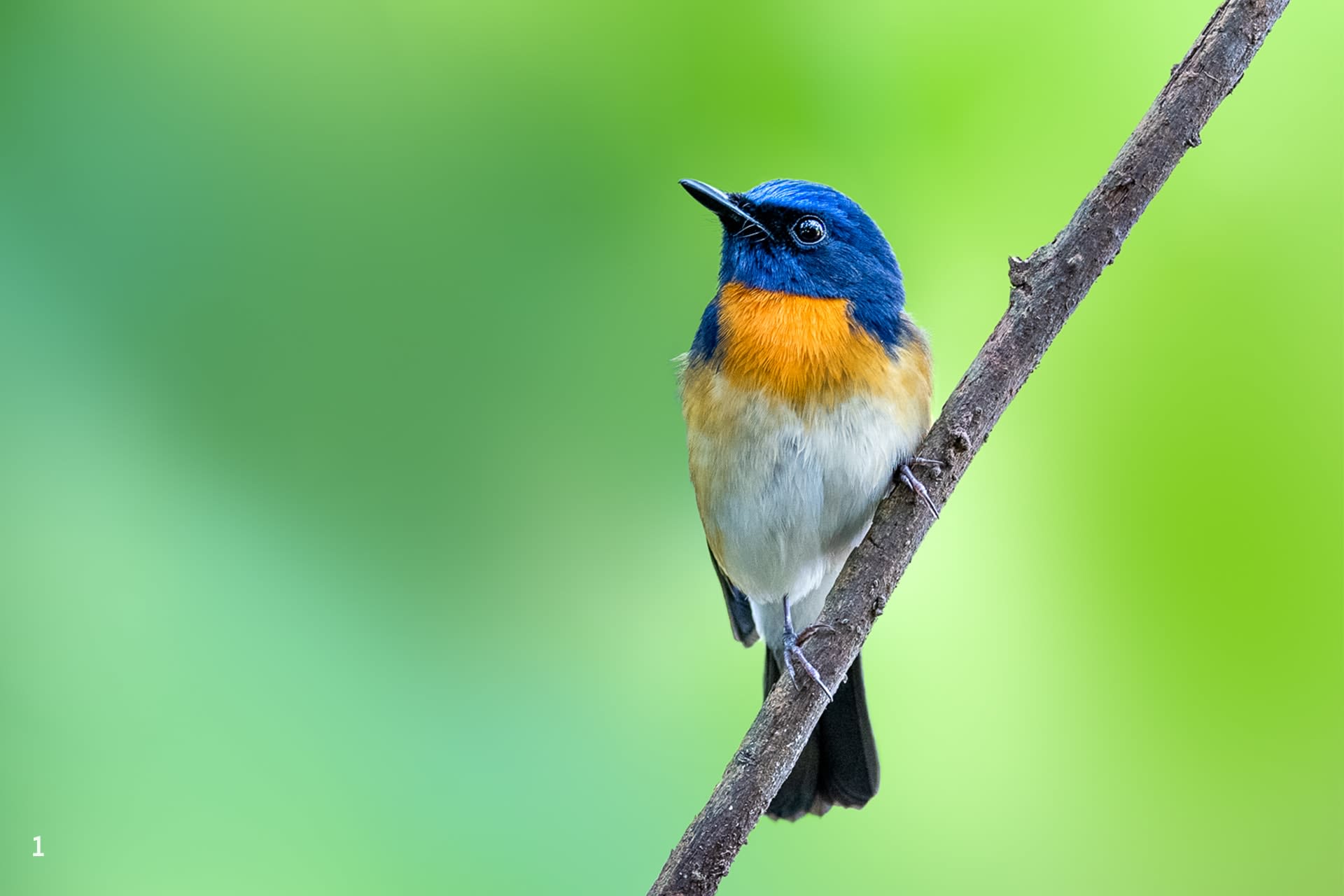
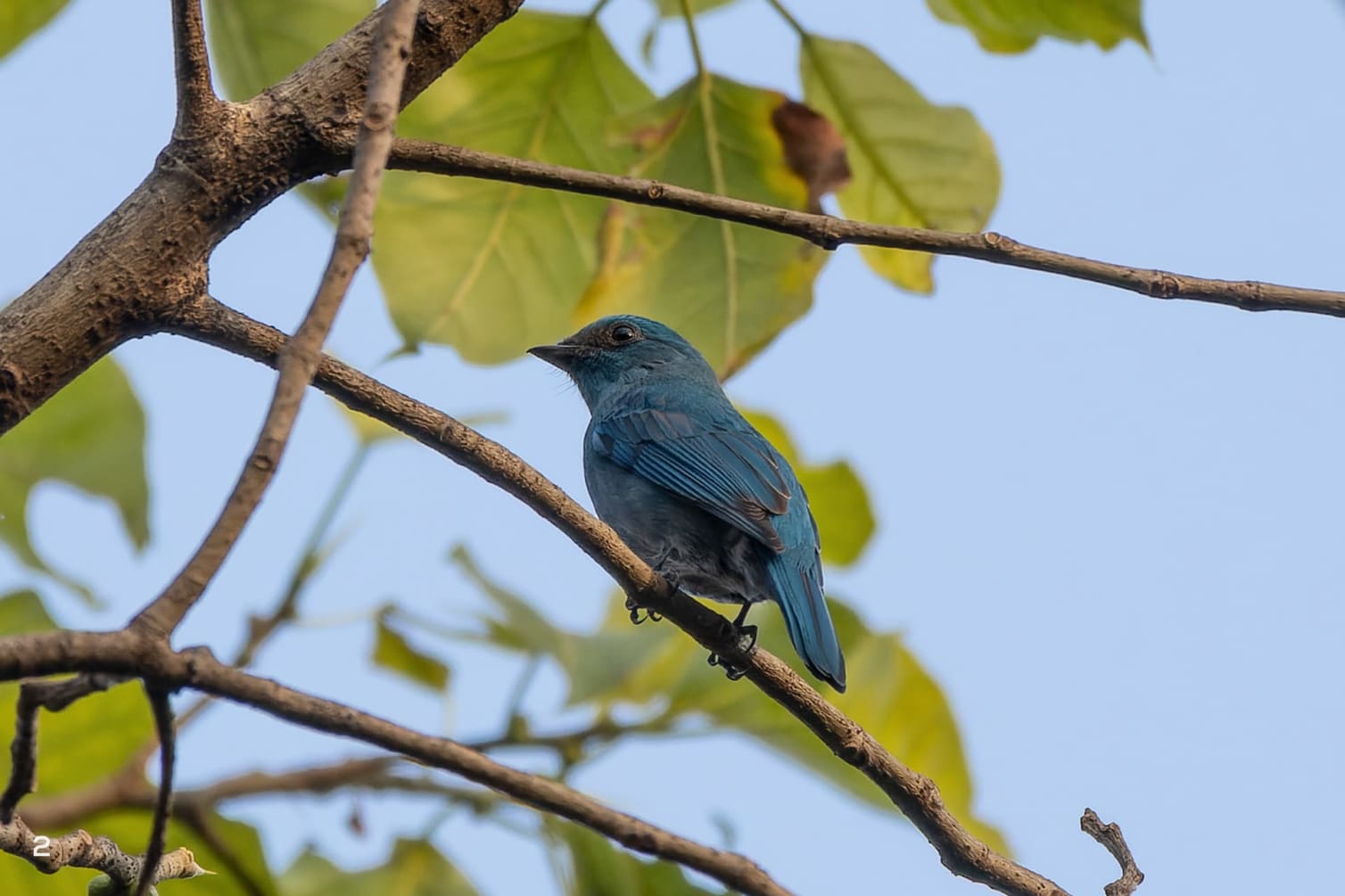
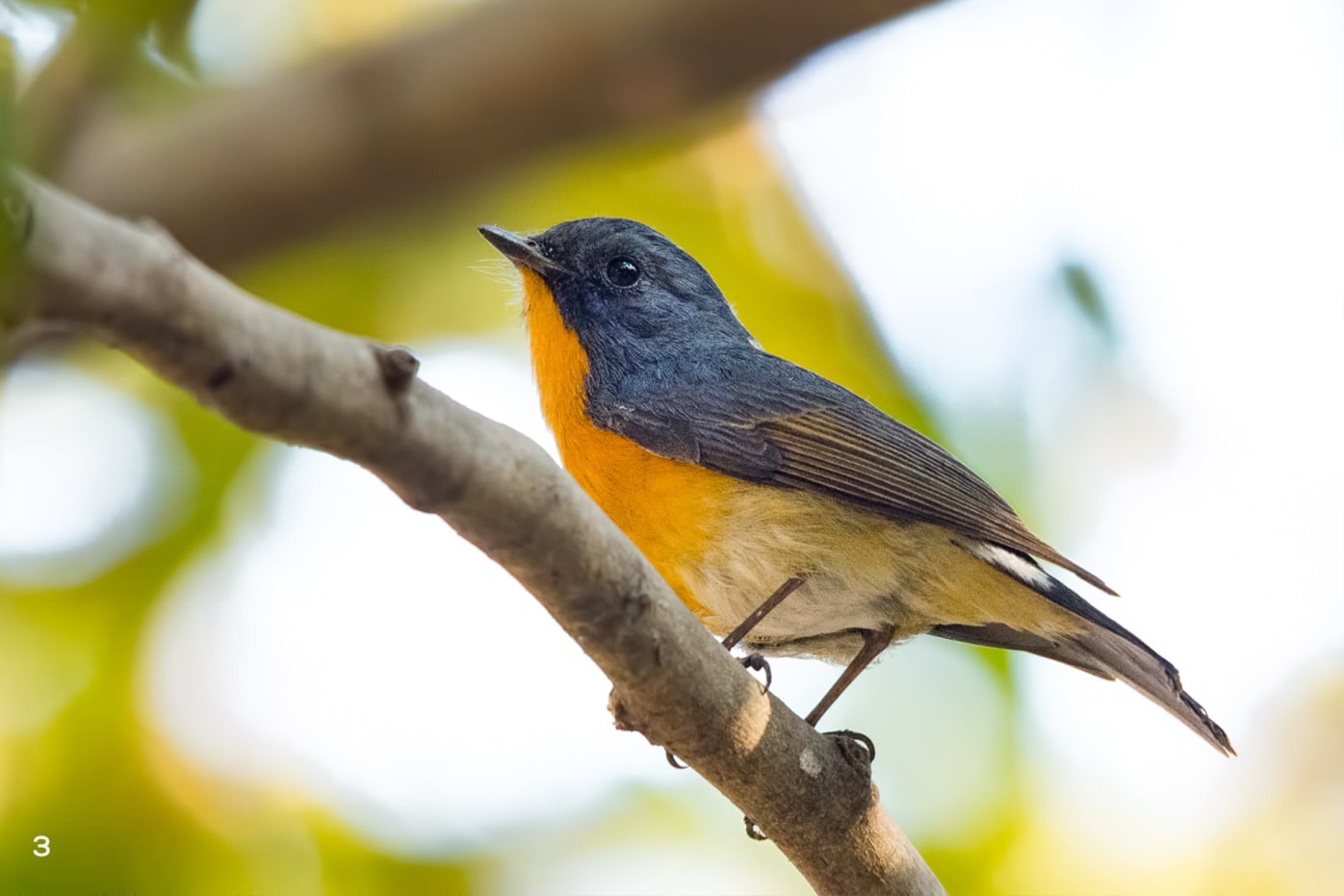
In 1958, CIT renamed the lake after Rabindranath Tagore and developed a park and recreation areas around it. However, it continued to be neglected and forgotten. Worse still, it turned filthy and smelly, especially during festivals when the devout came for a dip and left behind rubbish. That was until a couple of decades ago, when citizen activism forced local authorities to ban such activities and spruce up the whole area, bringing it to its current state — a complex of waterbodies and greenery, and a haven for birds.
“There are two lakes, one of which is a small lotus pond. The lakes have two large islands, and it is these islands that have a lot of breeding birds,” says Sujan Chatterjee, founder member of the Birdwatchers’ Society, who has been associated with the place for a few decades. “Birds include grey herons, painted storks, night herons, etc. At least 6-7 species live and breed on these islands year-round,” he says.
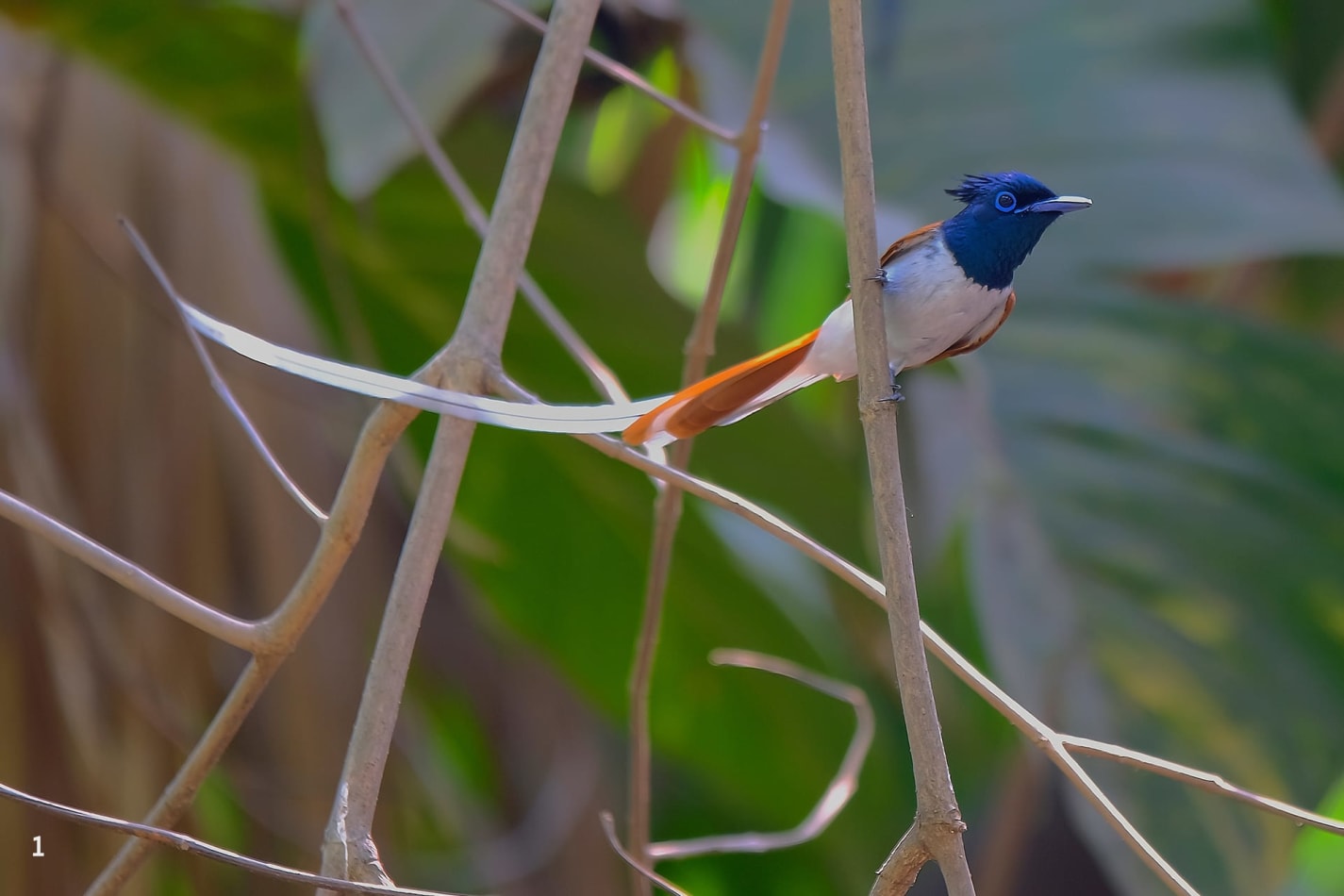

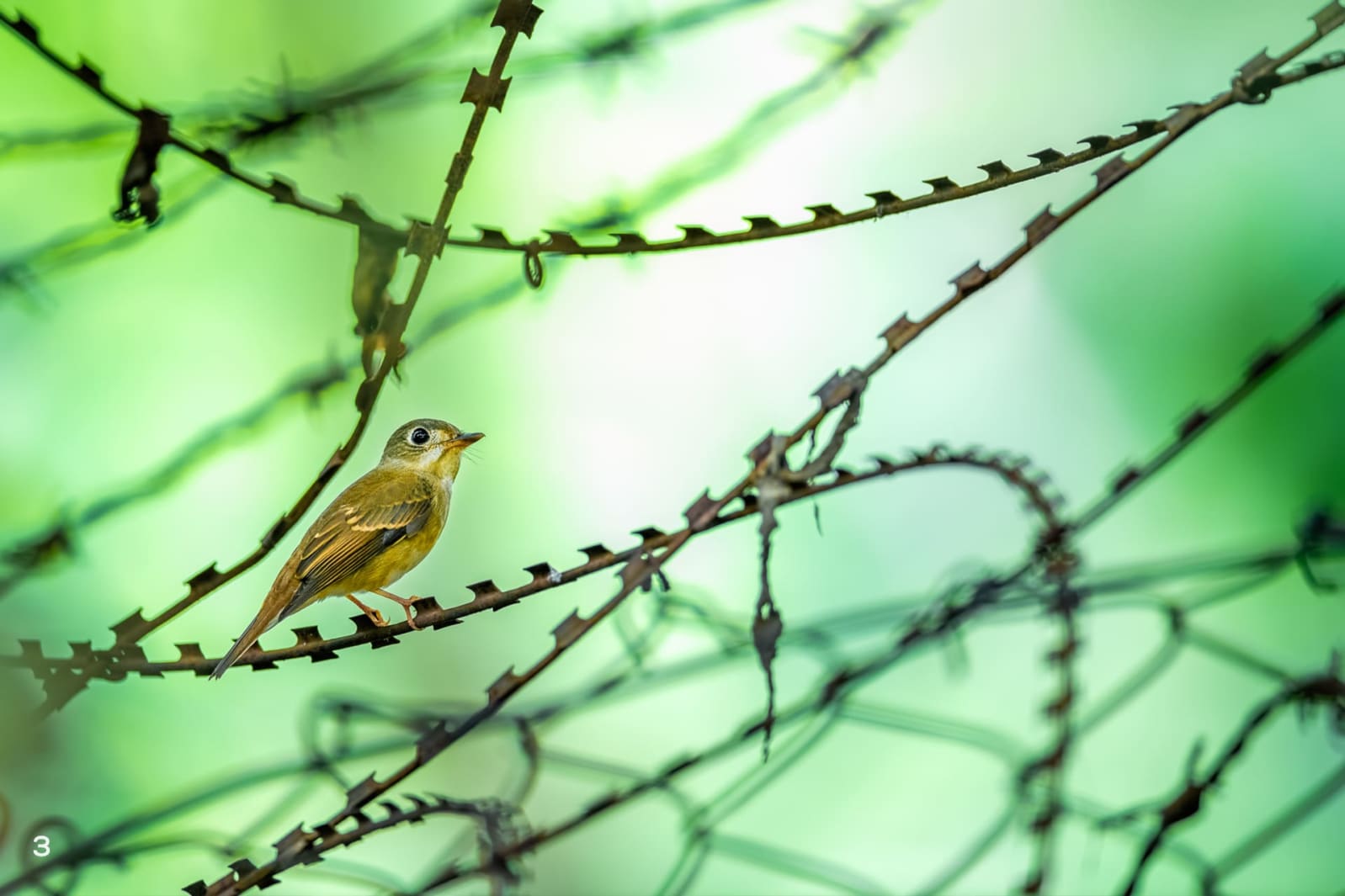
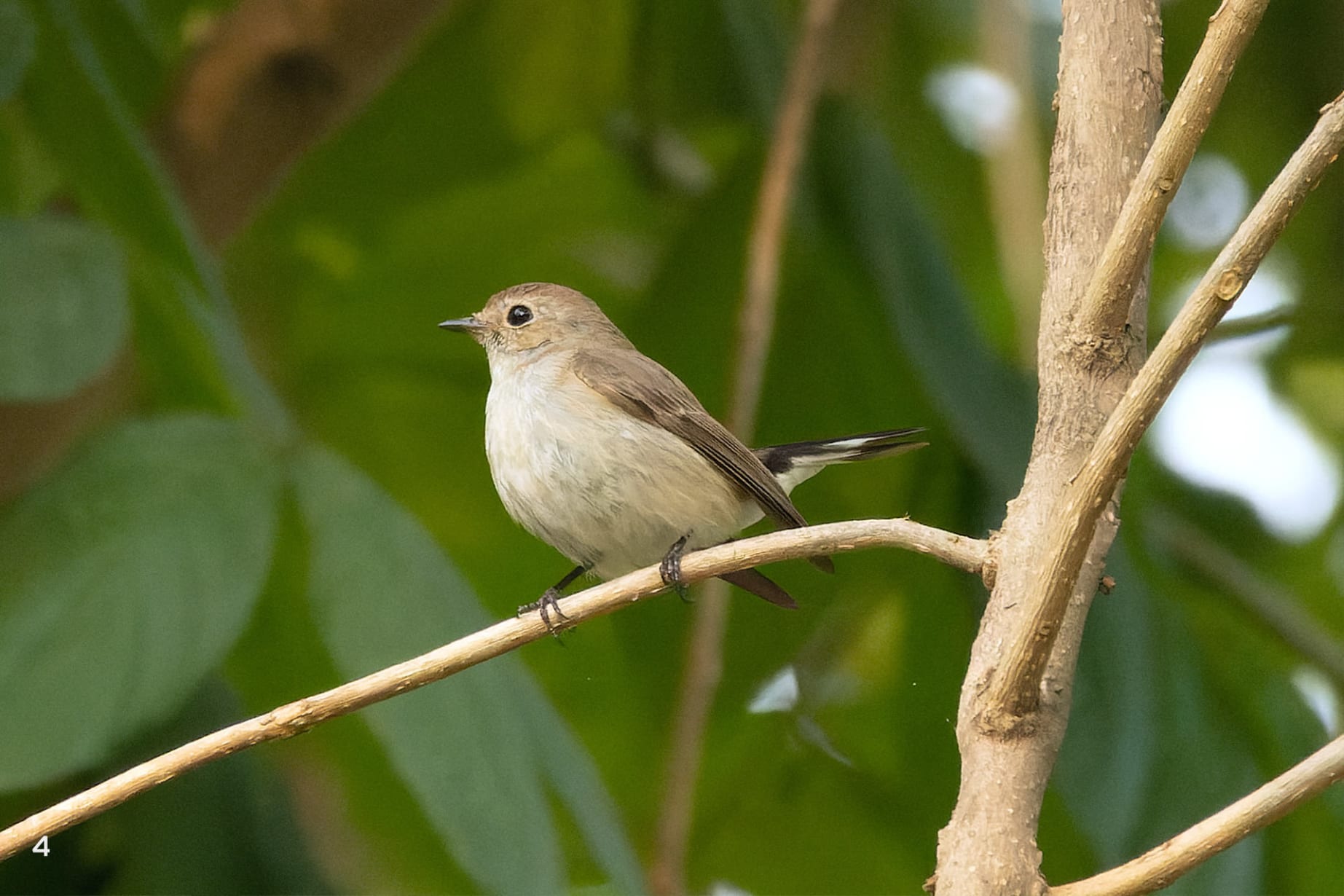
The main lake spans over 73 acres and is surrounded by wild growth, a park, and walking areas; over 10,000 walkers and joggers use the park each day. There are an estimated 11,000 trees and plants; over 75 per cent are believed to be more than 70 years old and harbour many birds.
Chatterjee says a portion of the park is very wooded; it is full of undergrowth, leaf litter and wood debris as the local birding community has stopped anyone from clearing it. “This forms a natural habitat for birds that come around the year, when they are passing through Kolkata,” he says.
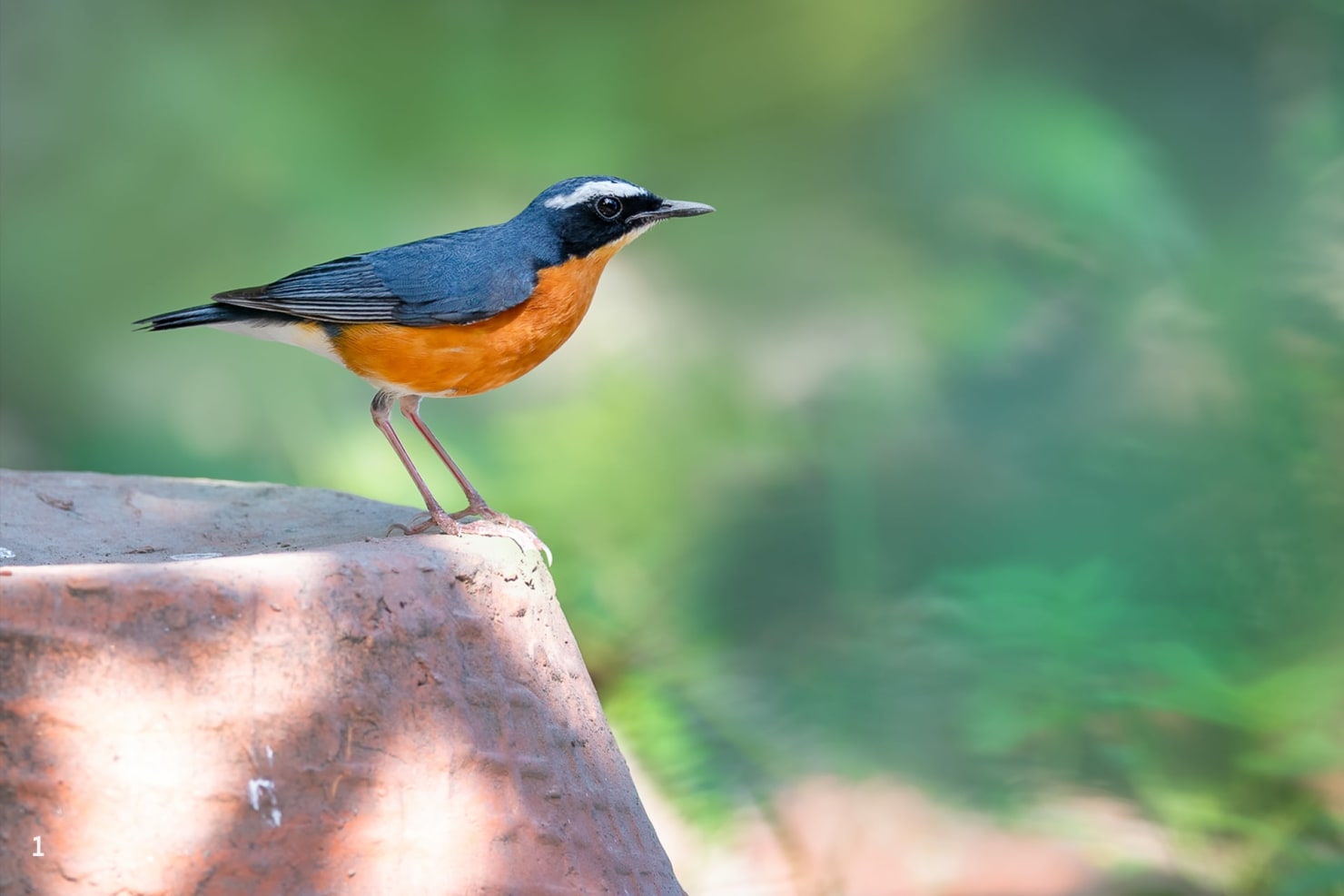
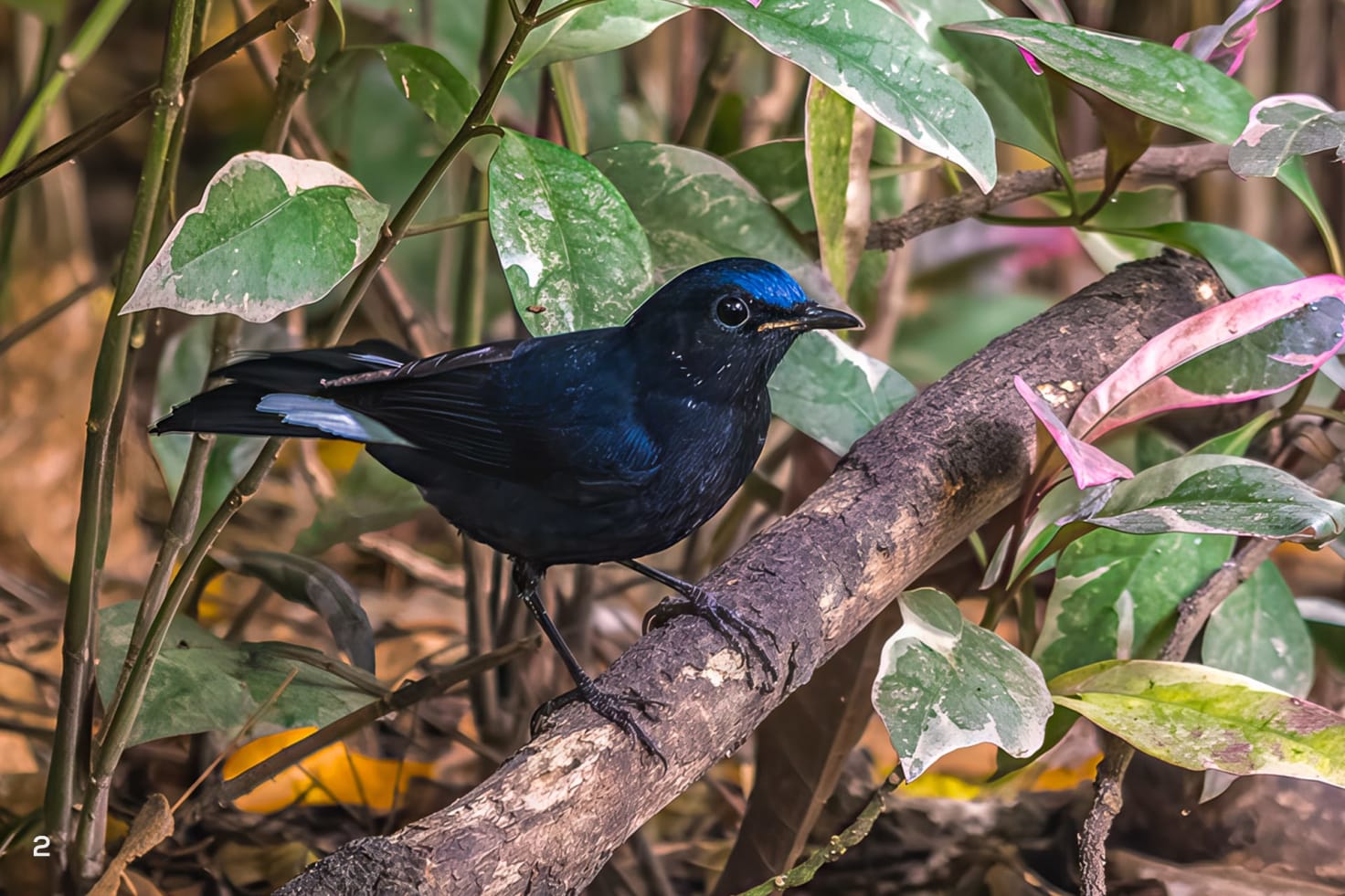
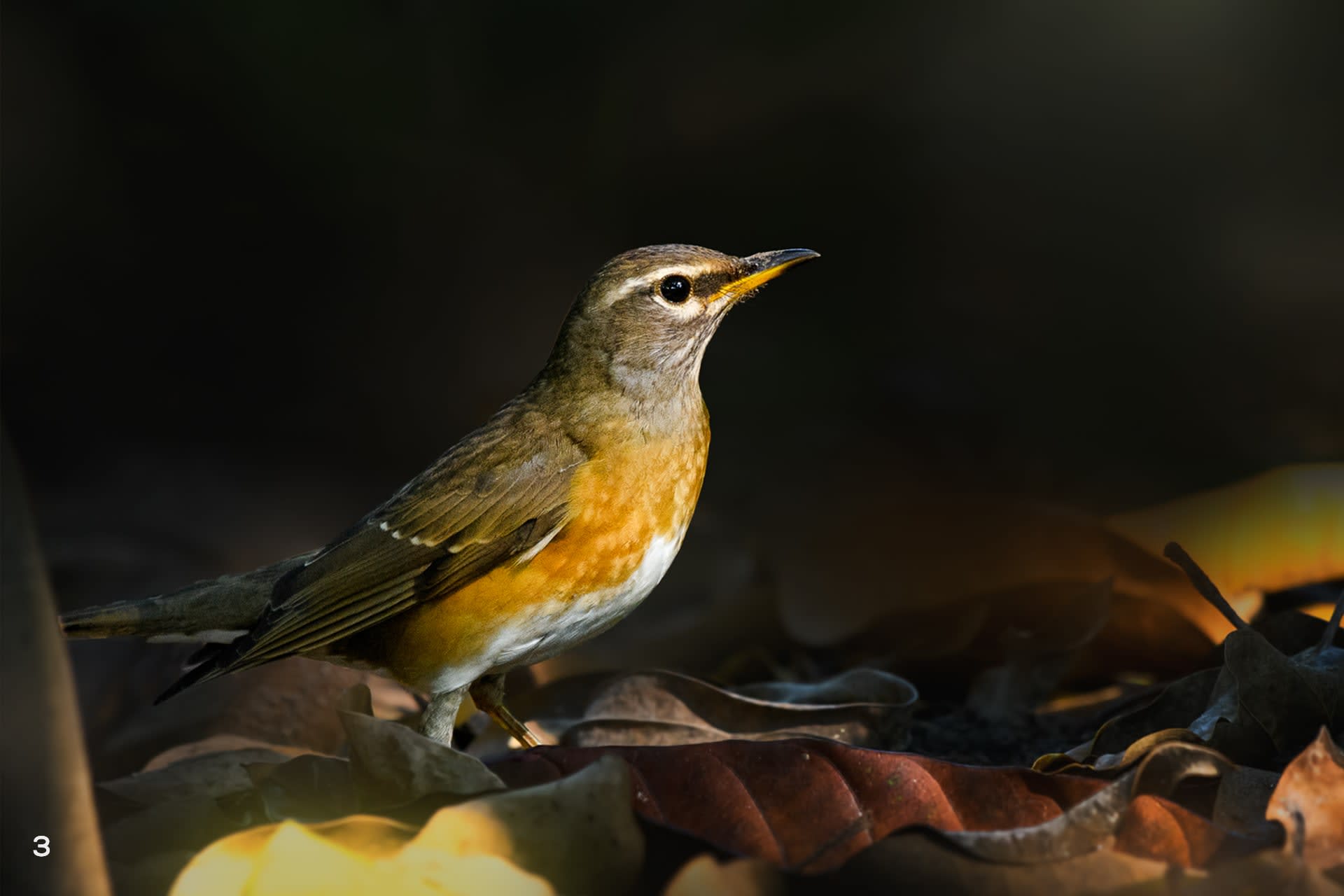
It is only in recent years that the Sarobar has become very popular with birders of all levels. Since 1990, 214 species have been spotted in the lake area, with 110 spotted between January and October 2025 alone. “About 135-140 species are regular visitors, of which 35-40 are resident birds. This is 10 per cent of the total Indian bird count (1,358 species according to the Zoological Survey of India’s fauna checklist of 2024). To find these many species in ~190 acres in the heart of the city is amazing,” says local resident Sudip Ghosh, a birdwatcher, photographer, and park regular who has witnessed its gradual transformation since 1990. Ghosh also leads walks in the park for bird and tree lovers, including sessions for underprivileged children.
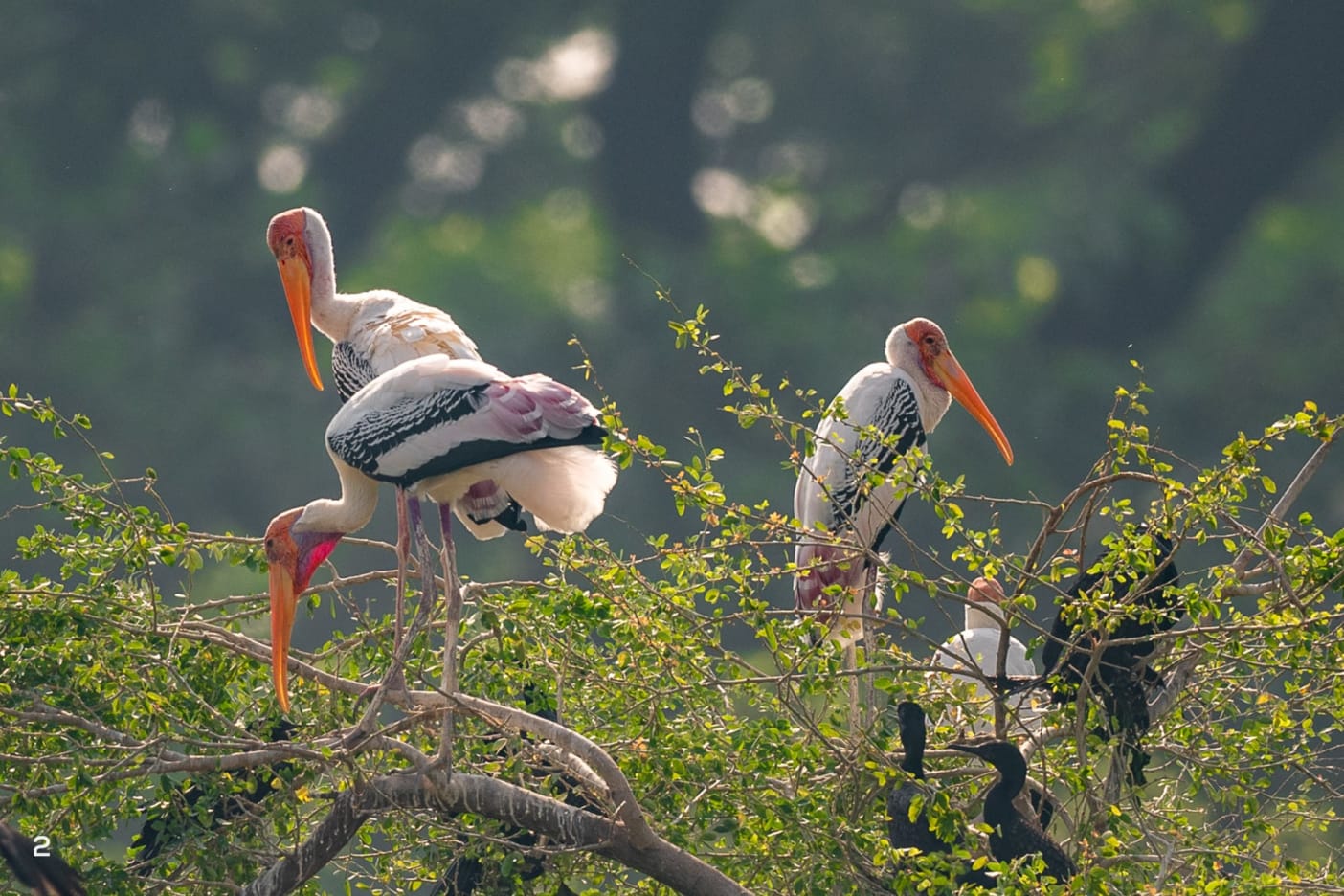
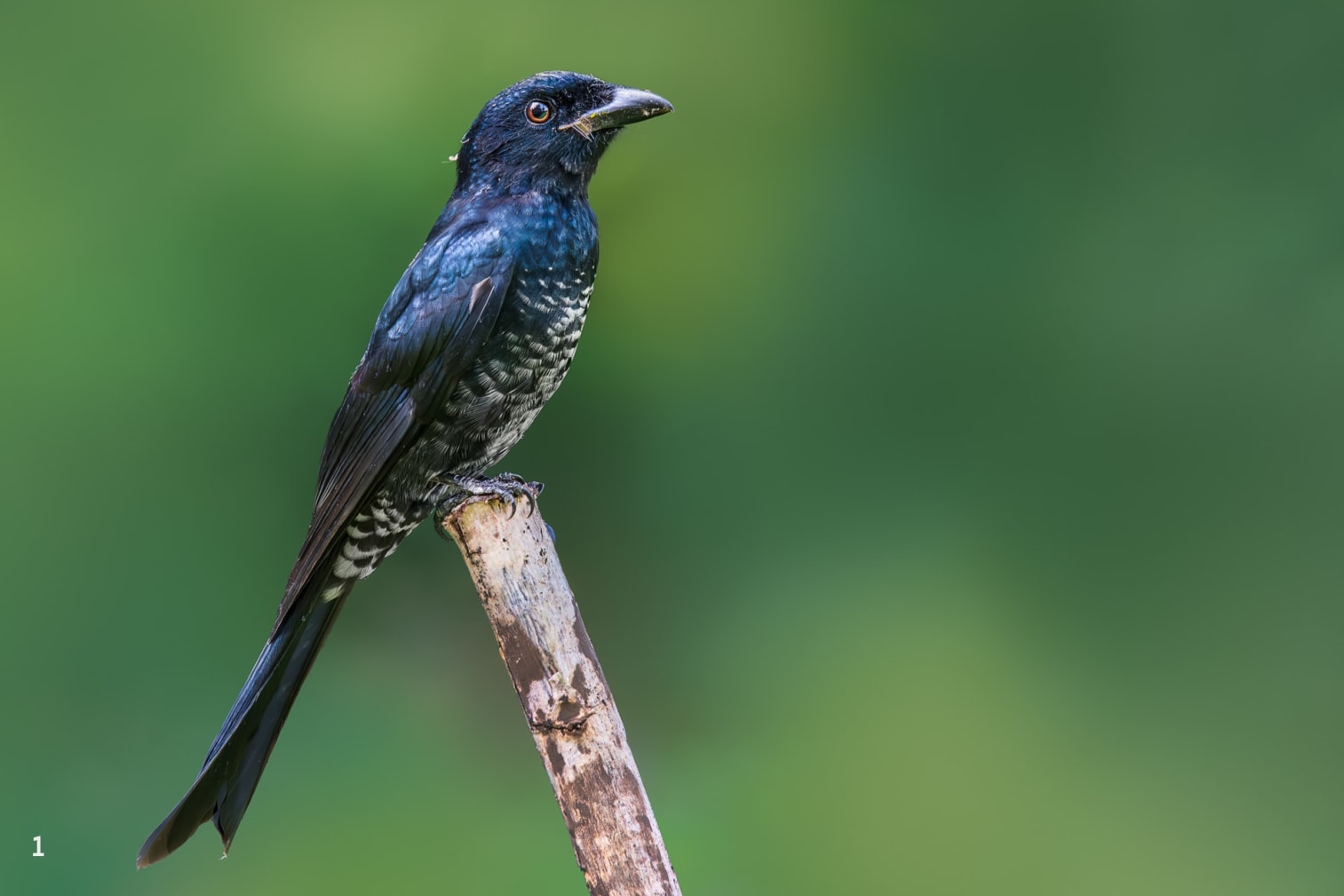
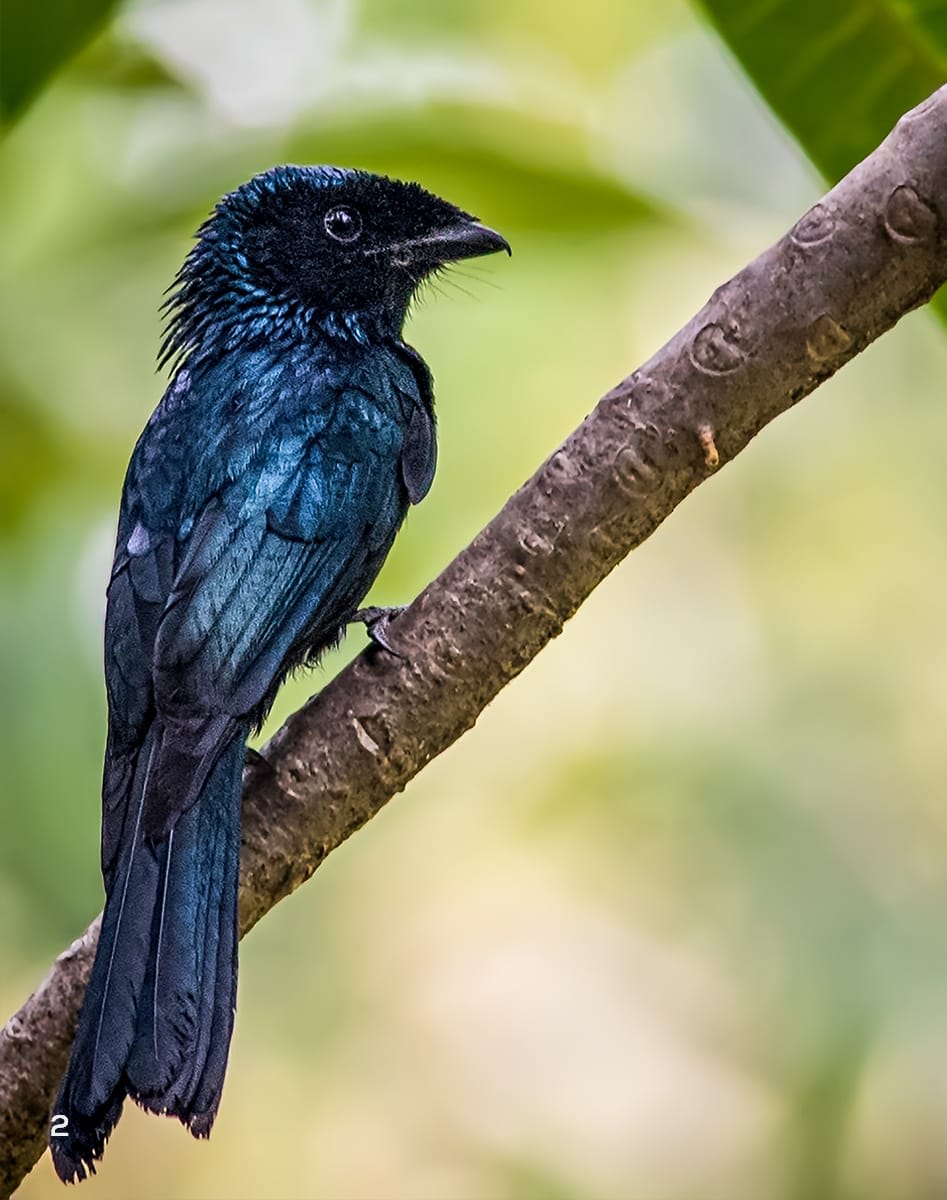
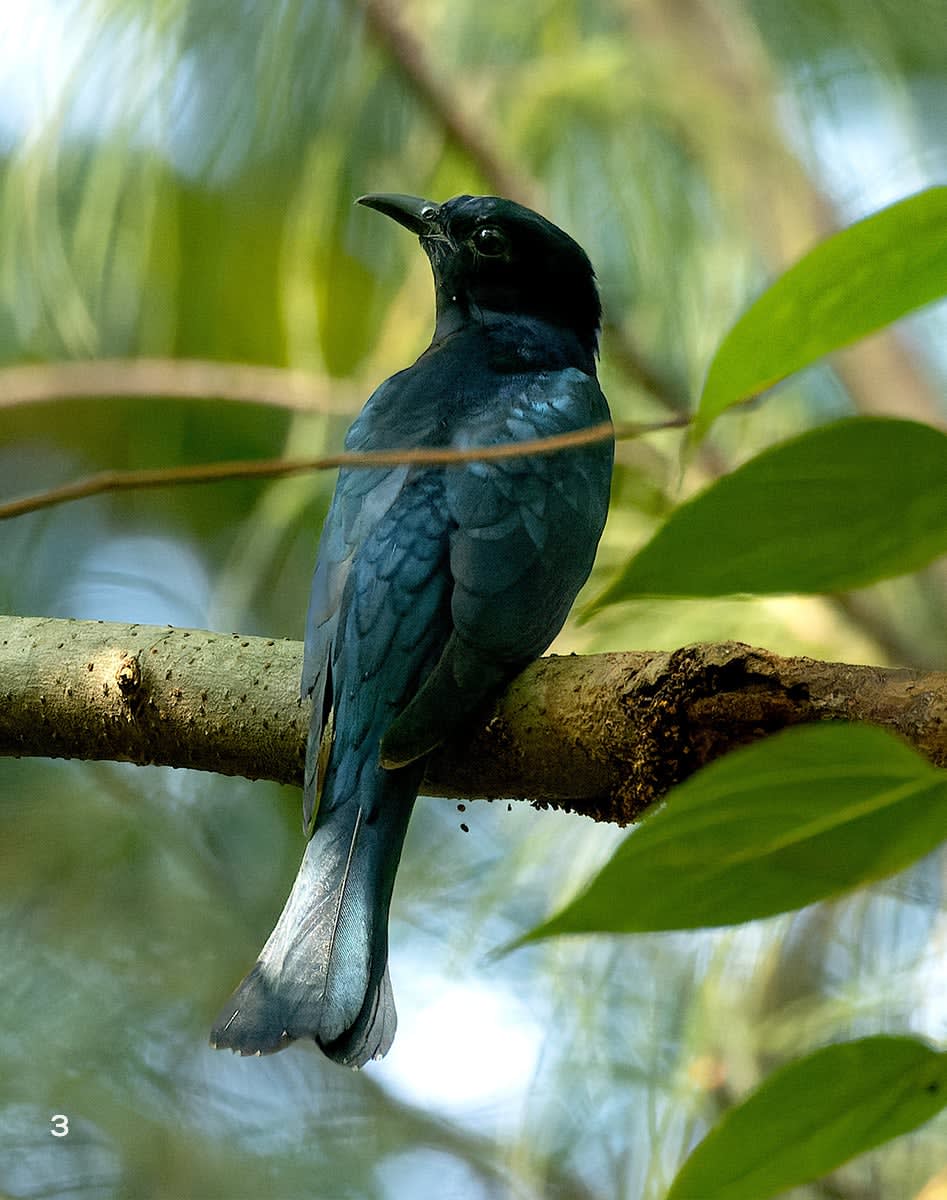
In 2024, the birdwatching community went into frenzy when a clutch of rare birds, such as the Blyth’s paradise flycatcher, square-tailed drongo, and emerald dove, were spotted, increasing the park’s popularity “It is not that these rare birds are only appearing now. They have always come; it’s just that with more birdwatchers coming into the park now, they are noticed more,” Chatterjee points out.
He has spotted some rare birds himself, such as the blue-throated flycatcher, Indian pitta, pied thrush, crow-billed drongo, verditer flycatcher, and, during winter, some warblers (such as the green-crowned warbler and large-billed leaf warbler). “A whole series of birds come through; some stay for a few months, others for the whole winter, while some stay for a few days, a week or two. Some are on the way to the Himalayas to breed. When someone spots one of these, more people come to see them until they leave,” Chatterjee says, referring to the periodic frenetic birder activity.
Both Ghosh and Chatterjee agree that there has been a significant rise in interest in birdwatching at the Sarobar over the last few years, especially after the pandemic. “Only a few of us were regular birdwatchers here, but after a few rare sightings, more and more people come. This was further popularised by social media. Now about 200-300 birders, some regularly,” Ghosh says. He also emphasises that birdwatchers don’t play calls, lure, or bait the birds. “We record and share information, watch and photograph without disturbing the birds,” he says, implying that birds feel safe in the park.
Chatterjee attributes the park’s popularity to two interconnected factors: photography and social media. “Birdwatching nowadays involves bird photography. This, in turn, has led to posting photos on social media. Access to comparatively inexpensive digital cameras has allowed more people to buy cameras and come outdoors,” he says. Further, this has led to a positive unintended consequence. “Through these pictures, we get a lot of data because people take pictures and then ask around about what bird it is, etc. On any given day, there are 50 people birdwatching and photographing. And if a special bird has come to the park, then more than 100 people will come to take photos,” he says.
The Sarobar also serves as a vital awareness and educational tool that naturalists are grateful for. “Kolkata has quite a few large green spaces, like the golf club, etc., but many of them are not open to the general public. All the birds seen in the Sarobar are probably found in these limited-access spaces as well,” Chatterjee adds. On the other hand, the Sarobar is open to everyone to come, see and learn about birds. And it’s very important to keep it that way.”
About the Author