Listen to this article
•
15:34 min
Listen to this article
•
15:34 min
Twenty kilometres from the bustle of Nagaland’s capital, Kohima, the quiet village of Khonoma has a storied past. The 700-year-old village is known as Khwüno-ra by the Angami tribe who call this place their home. Khwüno is the Angami name for a medicinal plant called fragrant wintergreen (Gaultheria fragrantissima) that grows in the area. The people of Khonoma have always been proud warriors, famous for their fierce resistance to British colonial rule between 1830 and 1879. Despite the superior firepower of the British, they were able to hold them at bay until the Battle of Khonoma in 1880. While Khonoma is remembered for its bravery and tenacity, the village is just as well known for its self-sufficiency and deep-rooted conservation ethos. Earlier this year, I had the opportunity to visit Khonoma to try and better understand the village’s history of community-led conservation. And of course, to see the wildlife that has flourished as a result.
On arriving in Khonoma, I noticed a nip in the air — not surprising for a village 1,600 metres above sea level. The picturesque village is built along a ridge with extensive terraced paddy fields in the valley below and surrounded by forested hills up to 2,500 metres high. About 123 sq. km of dense, subtropical broad-leaved forests fall within the jurisdiction of the village. Of this, 20 sq. km is formally protected by the community as the Khonoma Nature Conservation and Tragopan Sanctuary (KNCTS). Established 26 years ago, it is one of India’s pioneering examples of community-led conservation. The history of this conservation movement was narrated to me one evening by Mr Nikedolie Hiekha over a cosy dinner at his inn.


Cover photo: The hunting ban has allowed birds like the mountain bamboo partridge to flourish and move around fearlessly. Photo: Dhritiman Mukherjee
In the 1990s, a few ecologically conscious leaders in Khonoma noticed the degradation of their forests due to overexploitation. There was a growing realisation that the forest served as a critical rainwater catchment area, important for the water security of the village and the rice terraces below. They noticed the forests going silent too, and sightings of the charismatic and once common Blyth’s tragopan (Tragopan blythii) were few and far between. What troubled them most was the possibility that their children and grandchildren might never witness these birds in the wild. For the Angami, whose folklore and cultural memory are woven with the birds and animals of these forests, the silence was more than an ecological warning. It was a cultural one too. Things really came to a head in 1993 when a large number of tragopans (apparently 300) were killed during a festival. Understanding the urgency of the issue, a few village elders took the initiative and, with guidance from the Principal Chief Conservator of Forests of the Nagaland government, proposed setting aside a portion of community land to protect the forest and the tragopan. This plan involved enforcing a hunting and logging ban, which was, understandably, met with a fair bit of resistance. Like most Naga tribes, the Angami of Khonoma have lived off the forest for centuries, and hunting has been integral to their way of life. It was a slow democratic process with discussions that sought to bring the entire village on board with the ban. Finally, after long deliberations, 20 square kilometres of forest was declared as the Khonoma Nature Conservation and Tragopan Sanctuary on 11th December 1998.
Once they saw the success of their conservation actions, the village decided to extend the hunting ban to the entire village. The sanctuary continues to be owned and run completely by the community. Decisions are made by a core body of representatives, in consultation with the village council, youth organisation, students’ union, and ecotourism management committee. Due to the ban and the awareness activities carried out by the KNCTS committee, hunting in Khonoma has completely stopped. Mr Hiekha points out that rare incidents that do get reported are almost always outsiders. There is a stiff fine of Rs 25,000 if anyone is caught with firearms or hunting inside Khonoma. The challenge, Mr Hiekha says, is the lack of consistent funds for a dedicated team of forest guards. Currently, the forests are monitored voluntarily with the help of the Khonoma youth organisation.

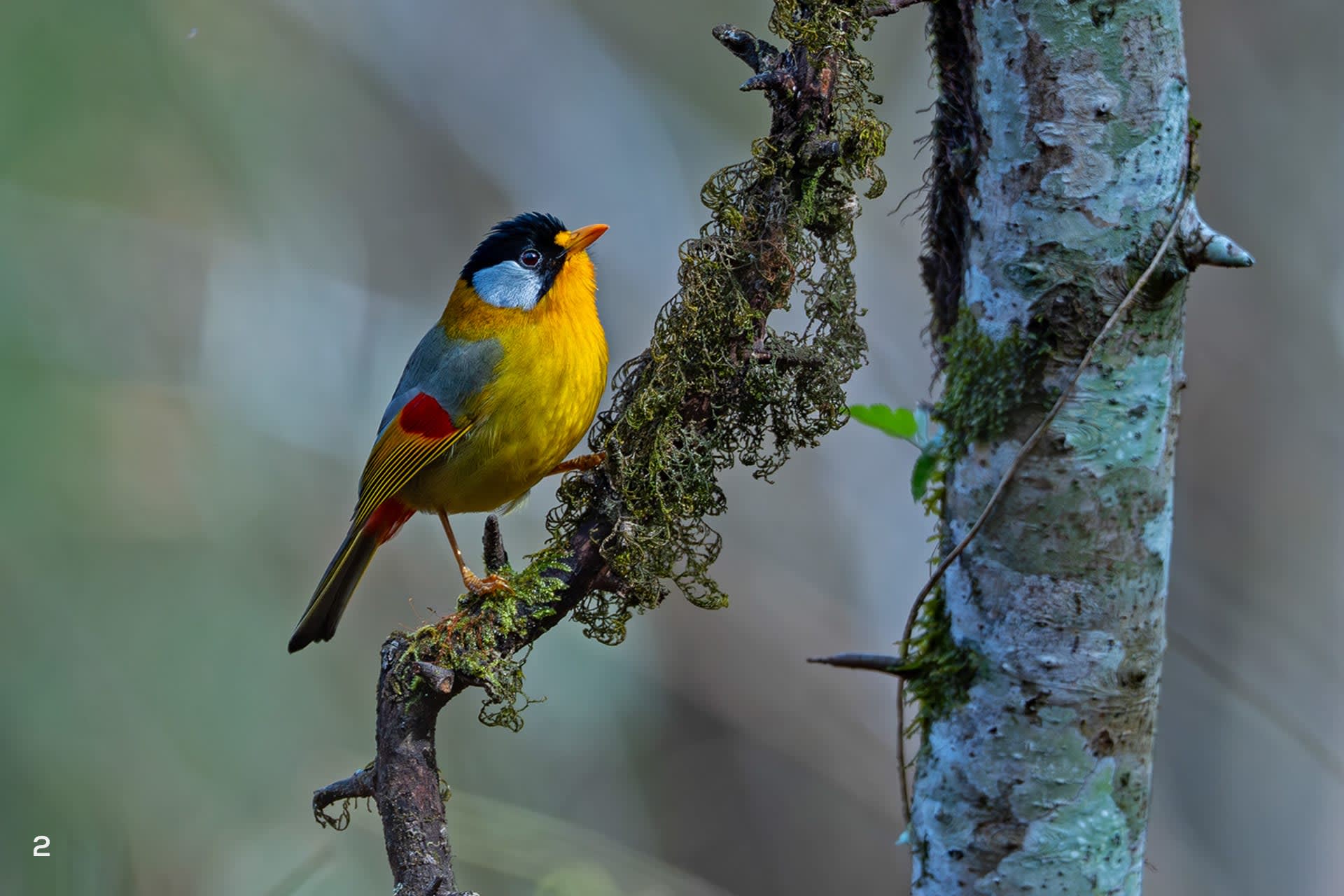


The success of KNCTS is evident from how popular the place has become with birdwatchers and nature enthusiasts. A birdwatching expedition to Northeast India is considered incomplete without time spent in Khonoma. Nagaland is home to several bird species that are endemic to the hills south of the Brahmaputra, and Khonoma is one of the best places to see them because of the protected forests and absence of hunting.
Visitors must register themselves with the KNCTS committee and be accompanied by a local guide. This ensures the visitor’s safety and that rules are followed. Mr Hiekha’s brother, Mr Kevingulie or Kevin, one of six local guides specialising in birdwatching tours, accompanied us. Kevin has an instinctive understanding of bird behaviour and knows exactly where and when to look for the rarest species — impressive for someone who only took up birdwatching three years ago.


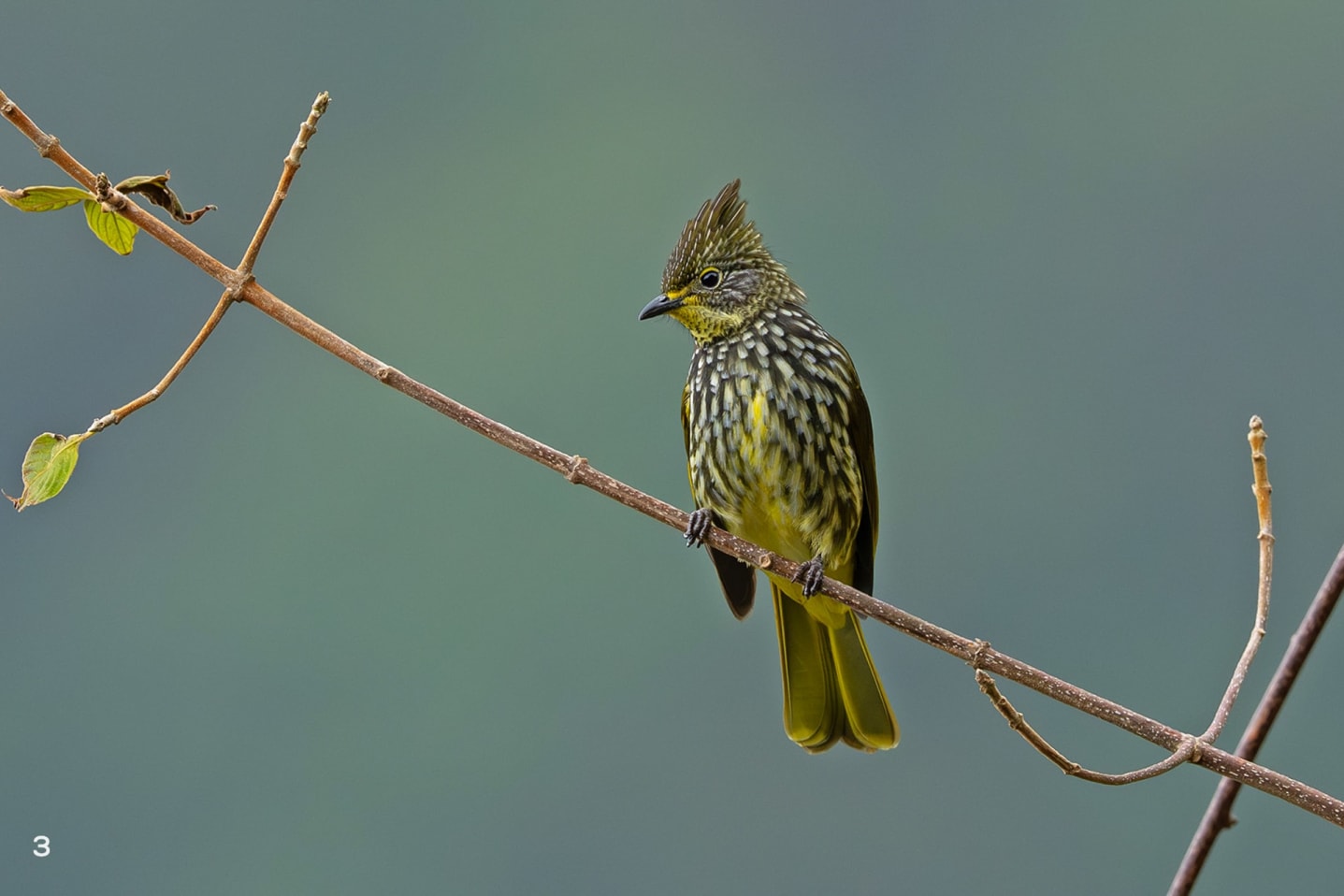

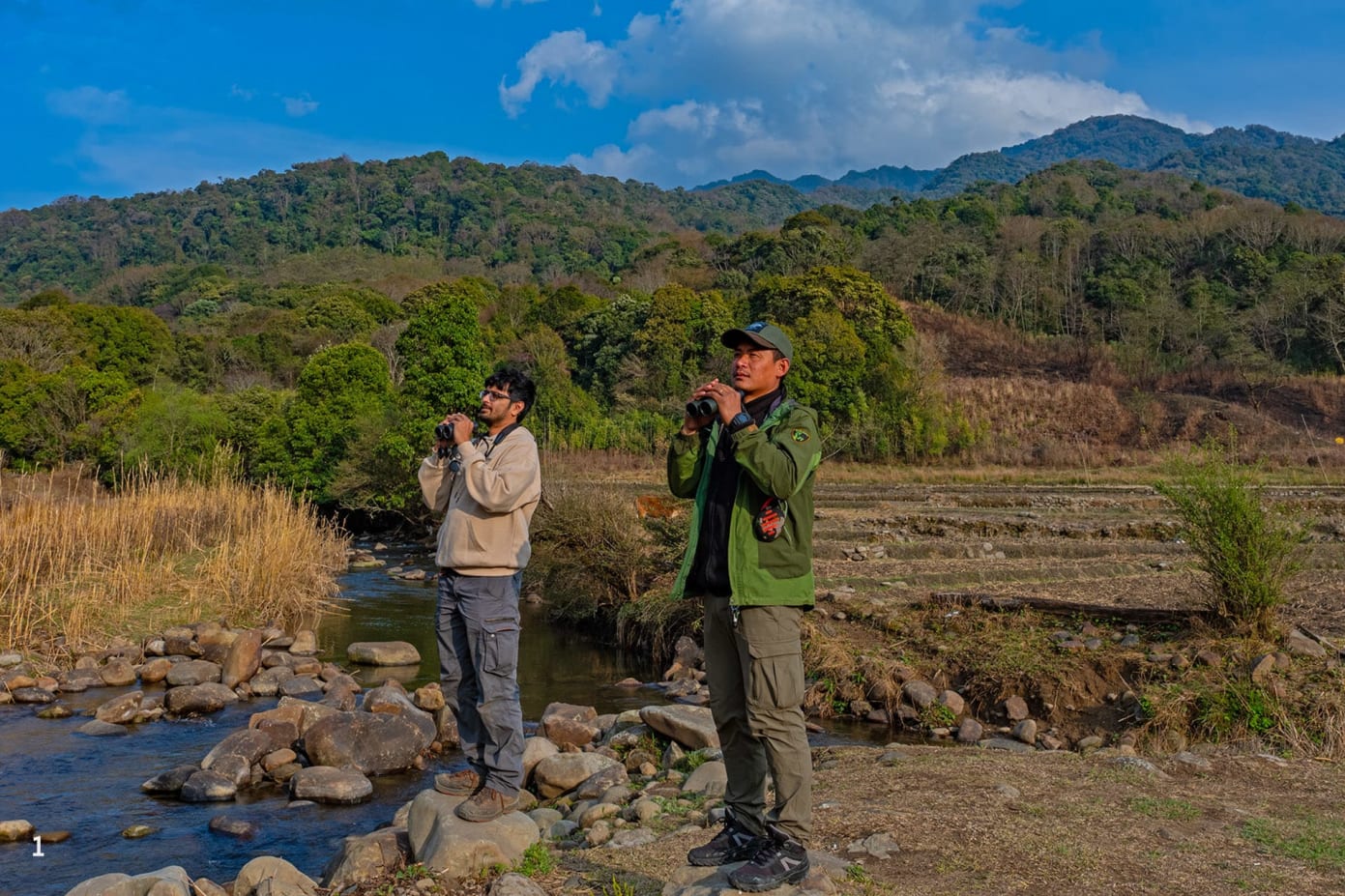
Khonoma’s forests, lush and alive with birdsong, speak to the remarkable resilience of wildlife. The results of the hunting ban are visible in the trusting nature of the birds. We saw birds like the mountain bamboo partridge (Bambusicola fytchii) ambling about the road, refusing to give way to our car. Completely indifferent to our prying eyes was the vibrant crimson-naped woodpecker (Dryobates cathpharius) vigorously prying insects from tree bark. The silver-eared mesia (Leiothrix argentauris), widely threatened by the caged bird trade in Southeast Asia, is commonly found in Khonoma, flitting freely through the forest. As for the main attraction, I did hear the Blyth’s tragopan a few times. Kevin caught a fleeting glimpse of a female bird, but it had disappeared into the fog and dense foliage by the time I reached the spot. However, I still found quiet joy in simply knowing it was there.

In 2005, the Ministry of Tourism, Government of India declared Khonoma India’s first “green village”. This recognition represented the success of KNCTS but also the ancestral agricultural practices which are ecologically sustainable and endure to this day. When I first arrived in the village, I noticed patches of forest with almost alien-looking trees — broad gnarly stumps with short stubby branches from where thin young branches full of leaves emerged. This turned out to be a unique form of jhum cultivation practised in Khonoma. The trees were the very common Nepal alder (Alnus nepalensis), which had undergone a procedure called pollarding, in which the upper branches of the tree are chopped off and used as fodder and firewood. The alder is a nitrogen fixer and the soil around it is extremely fertile, so the area is cleared and used for cultivating millets and vegetables for a few years. Then the jhum field is left fallow for 6-8 years to allow the trees to regrow and the soil nitrogen to replenish before the next cycle of cultivation. This system prevents new forest patches from being converted to agriculture and also reduces the dependence on forests for wood. Recovering jhum fields host a good deal of biodiversity, and the trails passing through them are excellent birdwatching spots.


While still primarily an agrarian economy, ecotourism is rapidly becoming an important source of livelihood in Khonoma. Initially, there were no tourist facilities, but after the “green village” tag, the first homestays were set up in 2006 to accommodate the influx of tourists. Now there are 15 homestays, 60 registered guides, and several handicraft shops that directly benefit from tourism. Many Khonoma residents I spoke to take great pride in their conservation efforts, and it is probably this collective ownership that explains its success. Khonoma’s conservation and ecotourism success has inspired numerous communities in Northeast India to set aside a part of their land as community conserved areas (CCA) to protect the forest and the wildlife within. In 2022, the Chakesang community of Jessami, Manipur followed a similar path, rallying around another large, vulnerable pheasant. Their efforts led to the establishment of the Jessami Hume’s Pheasant Community Reserve, today one of the only places in India where Mrs Hume’s pheasant (Syrmaticus humiae) can be reliably spotted. There are now over 500 community conservation areas across Northeast India, more than 400 in Nagaland alone.


About the Author

Tarun Menon
is an avid naturalist, birdwatcher and ornithologist. His interests lie in understanding the behaviour and adaptations of mountain birds.